
Red-Braised Pork Belly (Hong Shao Rou)
Why this recipe works
- Layered savoury depth: Caramelised sugar, light soy, dark soy and Shaoxing wine create a braising liquid with sweetness, salinity, colour and aroma.
- Classic red-braising method: The pork is simmered gently, then uncovered so the liquid reduces into the glossy glaze associated with Hong Shao Rou.
- Rich but balanced: Tender pork belly and sticky sauce feel indulgent, while plain rice and greens keep the meal grounded and balanced.
Get the most out of this recipe
Ingredient notes
- Choose pork with good layering: Pork belly with visible layers of meat and fat gives the best balance of tenderness, richness and structure after braising.
- Rock sugar helps the glaze: Rock sugar melts into a clean, glossy caramel, but granulated sugar can be used if watched carefully as it colours more quickly.
- Shaoxing wine adds aroma: Shaoxing cooking wine gives the braise its characteristic savoury fragrance; dry sherry is the closest practical substitute.
Common mistakes
- Do not over-darken the caramel: Once the sugar reaches a deep amber colour, add the pork promptly; burnt caramel will make the sauce bitter.
- Keep the braise gentle: A steady low simmer keeps the pork tender and helps the sauce stay smooth rather than greasy or split.
- Reduce only after the pork is tender: If the sauce thickens too early, add a little water and continue braising before reducing to a glaze.
Timing notes
- Most of the time is hands-off: The active work is mainly cutting, blanching and starting the caramel; the tenderness develops during the covered simmer.
- Serve once glazed: The dish is at its best when the sauce has reduced enough to cling to the pork but is still loose enough to spoon over rice.
- Flavour deepens after resting: Like many braised dishes, it reheats well and can taste even more rounded the next day.
Make-ahead tips
- Braise in advance: Cook the pork fully, cool it, and refrigerate in its sauce so the flavours settle.
- Reheat gently: Warm in a saucepan with a small splash of water until piping hot; the glaze will loosen as it heats.
- Freeze after braising: Freeze in sauce, then defrost overnight in the fridge before reheating gently.
Equipment you'll need
Ingredients
Instructions
- Cut the pork belly into chunky 3 to 4 cm pieces. Slice the ginger, lightly crush the garlic cloves, and cut the spring onions into 5 cm lengths, keeping the white and green parts together.
- Bring a saucepan of water to the boil, add the pork belly, and blanch for 3 minutes to remove impurities. Drain well, then leave the pork to steam-dry for a minute or two so it browns properly.
- Heat the vegetable oil in a dutch oven over medium heat. Add the rock sugar and stir until it melts and turns a deep amber caramel, 2 to 4 minutes; watch closely so it does not burn.
- Carefully add the pork belly to the caramel and turn with tongs to coat. Cook for 4 to 6 minutes until the edges start to colour and the pork looks glossy.
- Add the ginger, garlic, spring onions, star anise, and cinnamon stick, and stir for 1 minute until fragrant. Pour in the Shaoxing Cooking Wine and let it bubble for 1 minute, scraping up any sticky bits from the base.
- Stir in the light soy sauce and dark soy sauce, then add enough water to just cover the pork. Bring to a gentle simmer, cover, and cook on low for 60 minutes, stirring once or twice, until the pork is very tender.
- Uncover and simmer for 10 to 15 minutes, turning the pork occasionally, until the sauce reduces to a shiny glaze that coats the pieces. Remove and discard the star anise and cinnamon stick, then taste and adjust by reducing a little longer if you want it stickier.
Recipe notes
Serving suggestions
This recipe pairs well with:
Tips
- Keep the simmer very gentle; a hard boil can make the pork tough and cause the sauce to split.
- If the sauce reduces before the pork is tender, add a splash of water and continue braising until it melts easily when pressed.
- This dish is rich, so serve with plain steamed rice and a simple green vegetable to balance it.
Substitutions
- Replace Shaoxing Cooking Wine with dry sherry for a similar aroma.
- Replace rock sugar with granulated sugar; it will caramelise faster, so watch the colour closely.
- Replace vegetable oil with peanut oil for a slightly nuttier finish.
Storage
- Refrigerate up to 3 days
- Cool completely, then refrigerate in a sealed container. Reheat gently in a saucepan with a splash of water until piping hot; the glaze will loosen as it warms. Freeze for up to 2 months and defrost overnight in the fridge before reheating.
Ratings & reviews
Liked this recipe? Share your feedback to support our cooking community.
Tried this recipe?
Choose 1–5 stars. A comment is optional.
Stay inspired
Discover new recipes, seasonal favourites and cooking inspiration every day. Follow JustRecipes on Pinterest and Spillt.

Recipe overview
- Servings: 4 servings
- Total time: 1h 45min (25min active)
- Difficulty: Medium
- Cuisine: Chinese
-
Allergens:
Soybeans
Plan your meals and get a complete grocery list automatically.
Add to meal plannerEquipment you'll need
Got ingredients left?
Find recipes using ingredients from this recipe or what you already have at home.
Find recipes with these ingredients →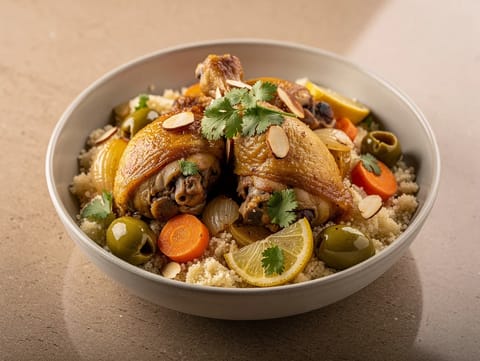
Moroccan Chicken Tagine with Couscous, Olives and Preserved Lemon
Chicken tagine with preserved lemon and olives over couscous
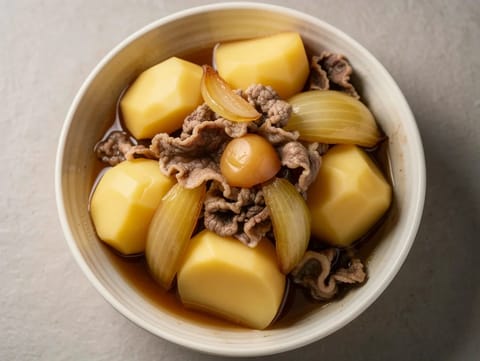
Nikujaga (Beef and Potato Stew)
Japanese beef stew with potatoes and onion in a savoury broth

Light Bigos Bowl (Modern Hunter’s Stew)
Light bigos style stew with pork, sauerkraut and prunes
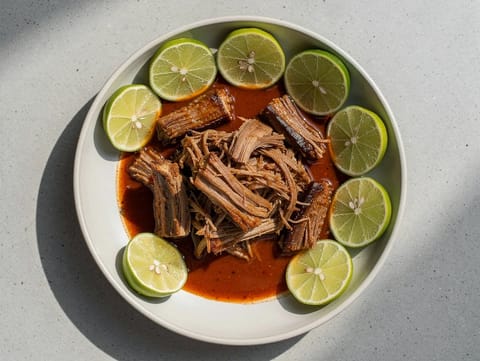
Barbacoa de Borrego (Mexican Slow-Cooked Lamb in Chilli Broth)
Slow-cooked lamb in guajillo and ancho chilli broth
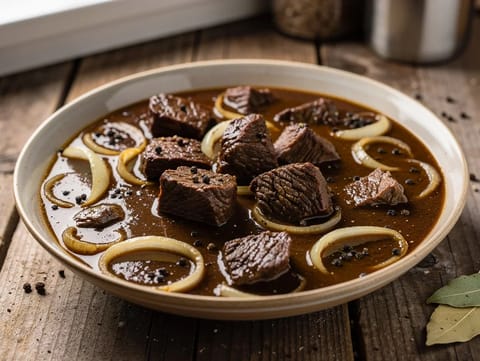
Westfälischer Pfefferpotthast (Westphalian Pepper Beef Stew)
Westphalian pepper beef stew with onions and vinegar
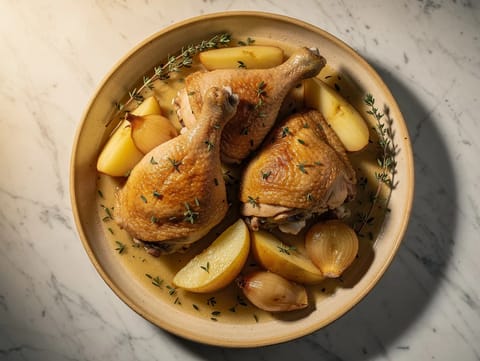
Poulet à la Normande (Chicken with Apples and Cream)
Chicken braised with apples in a cider and cream sauce
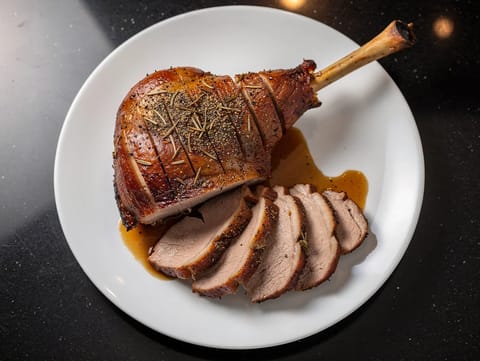
Cordero Lechal al Horno (Roast Suckling Lamb)
Roast suckling lamb with garlic, rosemary and white wine
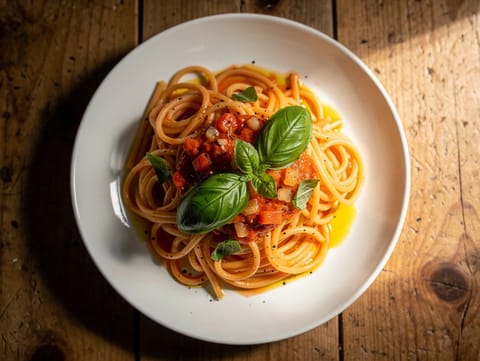
Vegan Pasta al Pomodoro Fresco (Fresh Tomato Pasta)
Vegan spaghetti with fresh tomato, garlic and basil
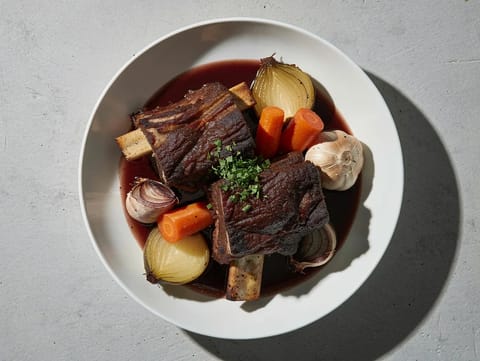
Slow Cooker Beef Short Ribs with Red Wine
Slow-cooked beef short ribs in red wine sauce
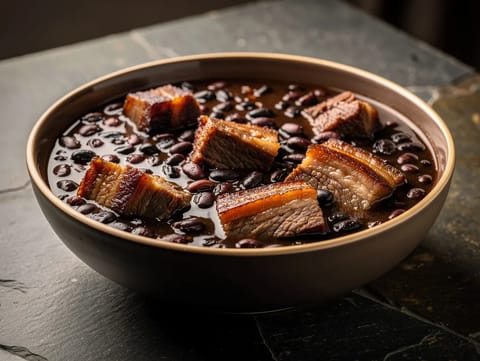
Feijoada (Brazilian Black Bean Stew with Pork and Beef)
Brazilian black bean stew with pork, beef and bay leaves
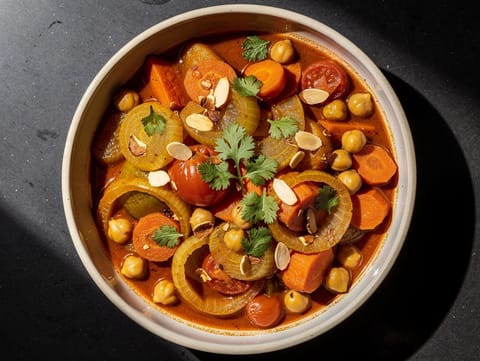
Quick Moroccan Vegetable Tagine-Style Stew
Vegetable tagine-style stew with chickpeas, tomatoes, carrots and apricots
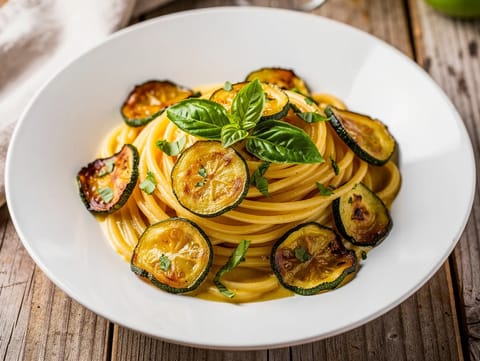
Spaghetti alla Nerano (Courgette and Cheese Pasta)
Spaghetti with fried courgettes and melted cheese

Chinese Red-Braised Pork Belly (Hong Shao Rou)
Tender red-braised pork belly in a glossy soy sauce
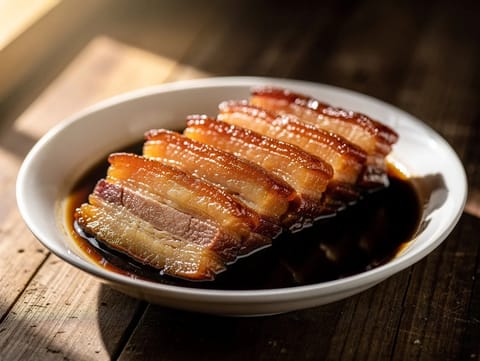
Dongpo Pork (Braised Pork Belly from Hangzhou)
Hangzhou dongpo pork belly braised with Shaoxing wine and soy sauces

Hong Shao Rou (Red-Braised Pork Belly)
Red-braised pork belly simmered until tender and glossy
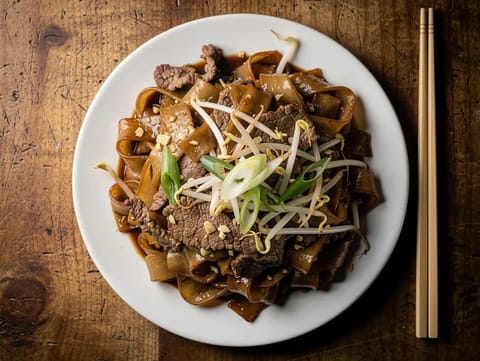
Beef Chow Fun (Stir-Fried Rice Noodles)
Cantonese stir-fried rice noodles with beef and beansprouts

Dry-Fried Green Beans with Minced Pork
Blistered green beans stir-fried with minced pork and soy sauce
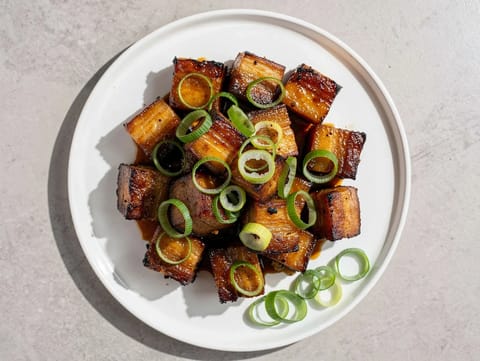
Air Fryer Honey Soy Pork Belly Bites
Crispy pork belly bites in a honey soy glaze.
You might also like
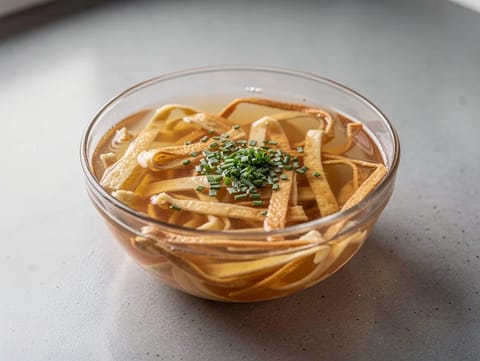
Flädlesuppe (Swabian Pancake Soup)
Clear beef stock with thin pancake ribbons and chives

Crema Catalana all’Italiana (Baked Vanilla Custard with Caramel)
Chilled baked vanilla custard with a crisp caramel crust
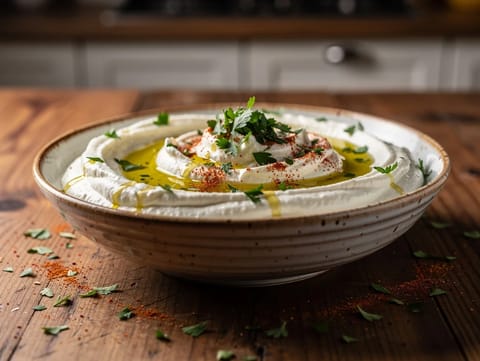
Turkish Aubergine Dip with Yoghurt, Garlic and Lemon
Roasted aubergine dip mixed with yoghurt, garlic and lemon

Gorditas de Picadillo (Stuffed Masa Cakes with Minced Beef)
Griddled masa cakes stuffed with minced beef picadillo and potato

Arroz con Leche (Cinnamon and Orange Rice Pudding)
Creamy rice pudding with condensed milk, cinnamon and orange zest
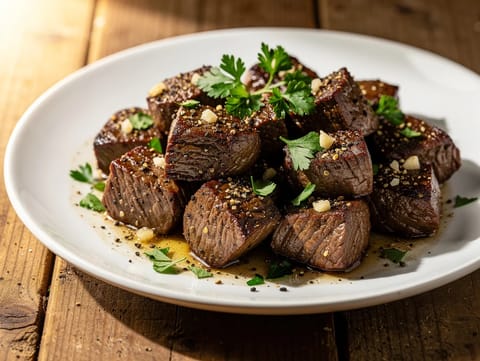
Skillet Garlic Butter Steak Bites
Seared steak bites tossed with garlic butter and parsley
Make this recipe easier next time
AdvertisementThese tools help you get better results with less effort.
Misen 8-Inch Chef Knife
- AUS-10 steel
- Balanced design
- Less traditional feel
Titanium & PP Double-Sided Cutting Board
- Separate surfaces for meat and produce
- Resists odors and stains
- Harder on knife edges than wood or plastic
All-Clad Tri-Ply Stainless Steel Saucepan
- Excellent heat control
- Premium build quality
- Expensive
OXO Good Grips 2-Piece Cutting Board Set
- Two useful sizes with reversible cutting surfaces
- Dishwasher safe and easy to clean
- Plastic surfaces will show knife marks over time
Enjoy cooking with JustRecipes?
Add JustRecipes as one of your preferred Google sources to discover our recipes more easily across Google Search.
Add JustRecipes to GoogleEvery recipe on JustRecipes follows the same structured editorial process. Learn how recipes are created, validated, translated, illustrated, and continuously improved across the platform. How we create recipes.
