
Nikujaga (Beef and Potato Stew)
Why this recipe works
- Balanced broth: Dashi, soy sauce, mirin and sugar create the sweet-savoury base that defines nikujaga.
- Gentle simmering: Cooking the potatoes slowly in the seasoned broth lets them absorb flavour while holding their shape.
- Improves as it rests: A short rest, or gentle reheating later, allows the broth to settle into the potatoes and onions.
- Simple and satisfying: Tender potatoes, savoury beef and warm rice make this a complete, comforting meal without heavy preparation.
Get the most out of this recipe
Authenticity notes
- Home-style Japanese cooking: Nikujaga is widely associated with everyday Japanese home cooking rather than restaurant-style presentation.
- Classic seasoning base: Dashi, soy sauce and mirin give the stew its recognisable sweet-savoury depth.
- How to serve it: Serve in bowls with steamed rice so the broth can soak into the rice as you eat.
Timing notes
- Most work is up front: The main active tasks are slicing the onion, cutting the potatoes and preparing the beef; the rest is mostly simmering.
- Rest before serving: Letting the stew stand briefly off the heat helps the seasoning settle and makes the potatoes taste fuller.
- Good after sitting: Nikujaga often tastes rounder after cooling and reheating gently, as the potatoes continue to absorb the broth.
Ingredient notes
- Choose thin beef if possible: Thinly sliced beef cooks quickly and stays more tender than large stew pieces in this short simmer.
- Use waxy or all-purpose potatoes: Yukon Gold potatoes soften nicely while holding together better than very floury potatoes.
- Mirin matters: A sugar-and-water substitute adds sweetness, but it will not give the same rounded flavour as mirin.
Common mistakes
- Boiling too hard: A rapid boil can break up the potatoes and make the beef tougher; keep the stew at a steady, gentle simmer.
- Adding the beef too early: Add the beef after the potatoes have had a head start so it cooks through without becoming overdone.
- Letting the broth reduce too far: If the liquid reduces quickly, lower the heat and add a little water so the seasoning stays balanced.
Equipment you'll need
Ingredients
Instructions
- Halve the onion and slice it into thin wedges. Peel the potatoes and cut into chunky bite-sized pieces, then rinse briefly to remove excess starch. If the beef is not already thinly sliced, slice it as thinly as you can across the grain.
- Put the water in a large pot and whisk in the dashi powder until dissolved. Add the sugar, mirin and soy sauce, then bring to a gentle simmer over medium heat.
- Add the onion and potatoes, return to a simmer, then cook for 10 minutes. Add the beef, separating the slices so they do not clump, and keep the heat at a steady, gentle simmer. Skim any foam from the surface as needed.
- Simmer for 15 to 20 minutes, turning the potatoes once or twice, until the potatoes are tender and the beef is cooked through. The broth should taste sweet-savoury and slightly reduced; if it reduces too quickly, lower the heat. Remove from the heat and rest for 5 minutes so the flavours settle.
Recipe notes
Serving suggestions
This recipe pairs well with:
Tips
- Keep the simmer gentle so the potatoes stay intact and the beef stays tender.
- For a more traditional finish, let the stew cool for 10 minutes, then reheat gently; nikujaga often tastes even better after it sits.
- If serving vulnerable groups, ensure the beef is cooked through and the stew is reheated until piping hot.
Substitutions
- Replace caster sugar with light brown sugar for a slightly deeper sweetness.
- Replace mirin with a smaller amount of caster sugar dissolved into water for sweetness, noting the flavour will be less complex.
Storage
- Refrigerate up to 3 days
- Cool, cover and refrigerate. Reheat gently in a pot over low heat with a splash of water until piping hot, stirring carefully so the potatoes do not break up.
Ratings & reviews
Liked this recipe? Share your feedback to support our cooking community.
Tried this recipe?
Choose 1–5 stars. A comment is optional.
Stay inspired
Discover new recipes, seasonal favourites and cooking inspiration every day. Follow JustRecipes on Pinterest and Spillt.

Recipe overview
- Servings: 4 servings
- Total time: 55min (20min active)
- Difficulty: Medium
- Cuisine: Japanese
-
Allergens:
Soybeans
Plan your meals and get a complete grocery list automatically.
Add to meal plannerEquipment you'll need
Got ingredients left?
Find recipes using ingredients from this recipe or what you already have at home.
Find recipes with these ingredients →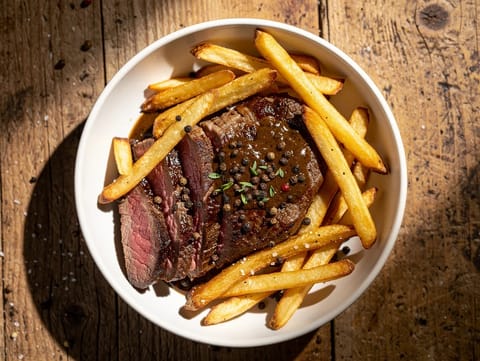
Steak au Poivre with Pommes Frites
Pepper-crusted steak with cognac cream sauce and pommes frites

Moroccan Shakshuka with Harissa (Modern)
Poached eggs in spicy tomato and red pepper sauce
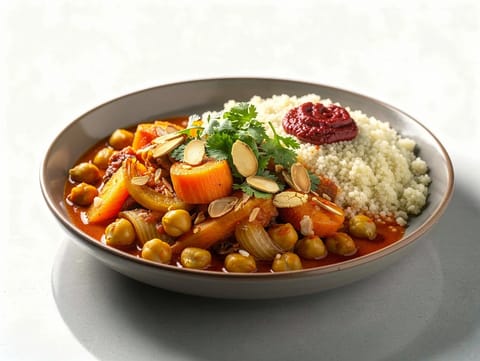
Carrot and Chickpea Tagine with Couscous and Harissa
Carrot and chickpea tagine served with couscous and harissa
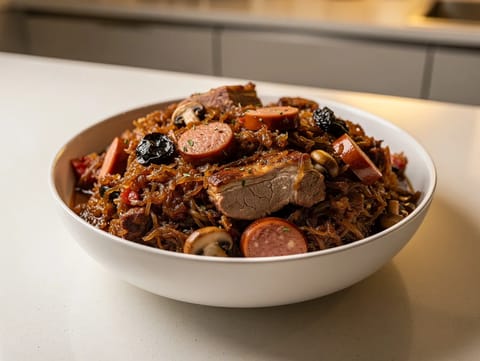
Świąteczny Bigos (Polish Hunter’s Stew with Pork and Sauerkraut)
Slow-simmered stew with sauerkraut, pork, smoked sausage and prunes
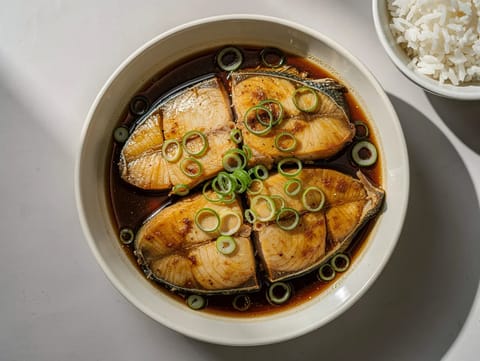
Cá Kho Tộ (Caramelised Fish Braise)
Caramelised fish braise served with jasmine rice
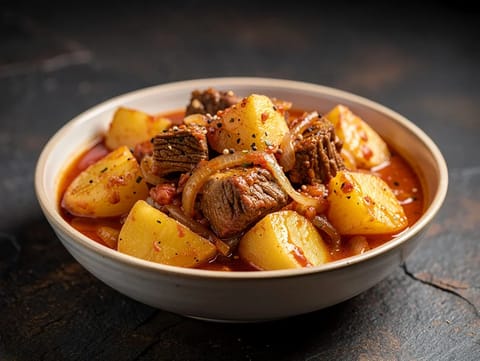
Yakhnet Batata (Lebanese Potato and Lamb Stew)
Lebanese lamb and potato stew in a tomato sauce
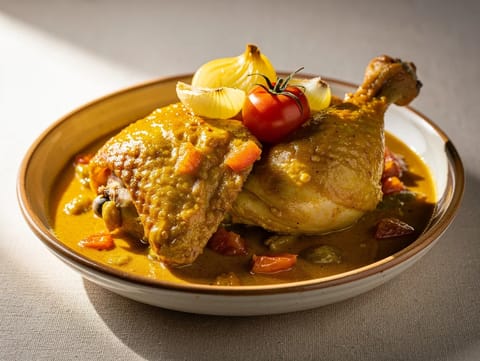
Pollo en Mole Amarillo Oaxaqueño (Chicken in Yellow Mole)
Chicken in smooth mole amarillo thickened with masa harina

Prawn Cocktail Lettuce Cups
Prawn cocktail in crisp lettuce cups with chives

Imam Bayildi (Turkish Stuffed Aubergine with Tomato and Onion)
Baked stuffed aubergines with tomato, onion, garlic and parsley
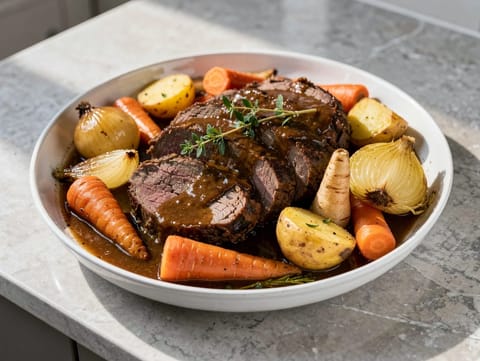
Slow Cooker Beef Pot Roast with Root Vegetables
Slow cooker beef pot roast with root vegetables and gravy
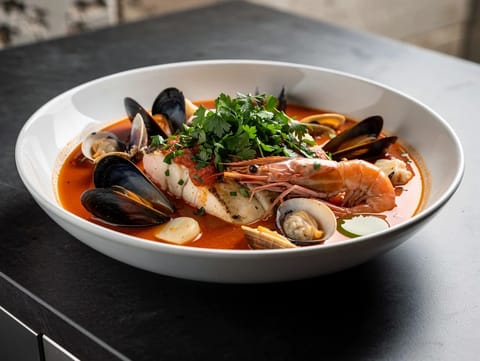
Zuppa di Pesce alla Pugliese (Puglian Tomato Fish Soup)
Tomato fish soup with mixed seafood, white wine and parsley
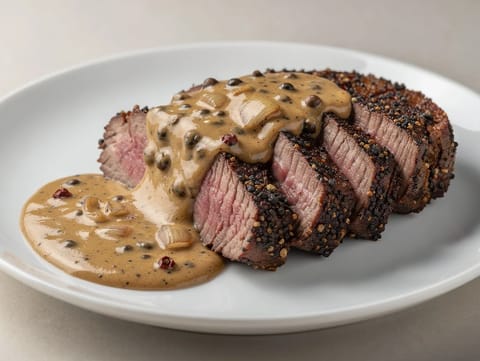
Steak au Poivre (Pan-Fried Steak with Peppercorn Sauce)
Peppercorn-crusted steak with creamy brandy sauce
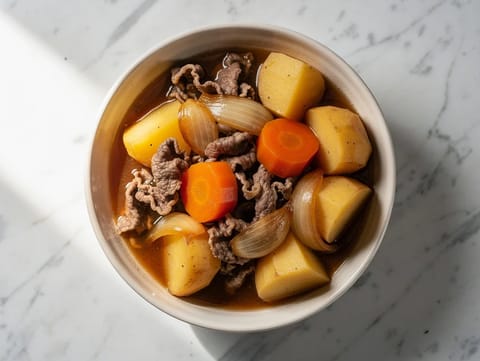
Nikujaga (Beef and Potato Stew)
Beef and potatoes simmered in dashi with soy and mirin
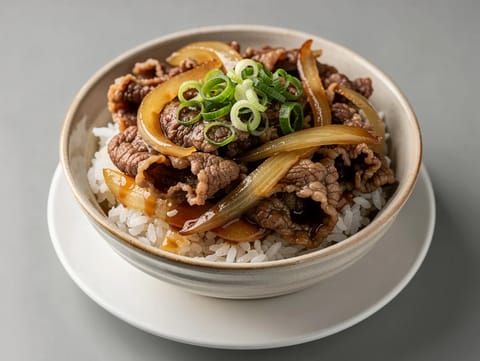
Gyudon (Beef Rice Bowl)
Beef and onion gyudon served over steamed rice
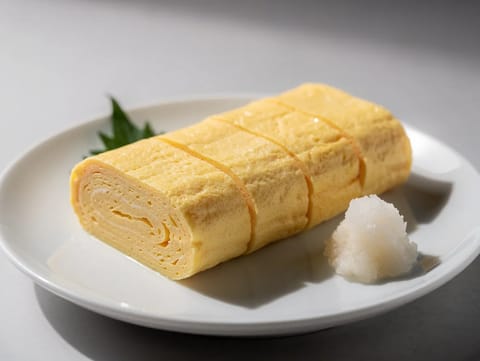
Tamagoyaki (Rolled Omelette)
Japanese rolled omelette flavoured with dashi, soy sauce and mirin
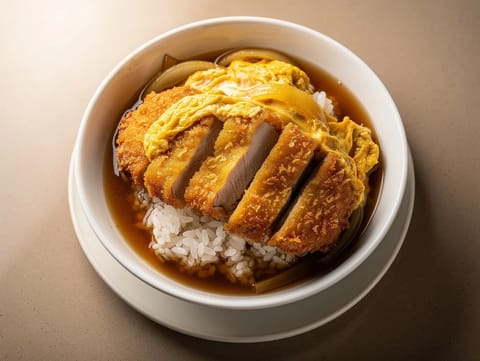
Katsudon (Breaded Pork Cutlet with Egg over Rice)
Breaded pork cutlet and lightly set egg over rice

Agedashi Tofu (Fried Tofu in Dashi Broth)
Crisp fried tofu served in warm dashi broth
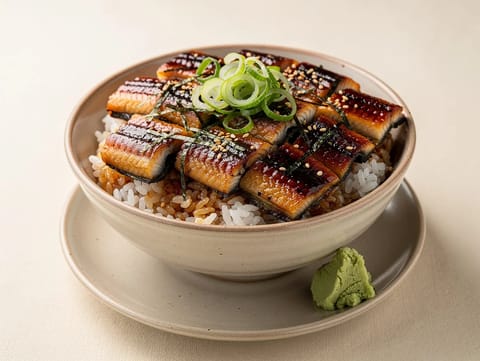
Hitsumabushi (Nagoya-Style Grilled Eel over Rice)
Glazed grilled eel over rice served with green tea
You might also like
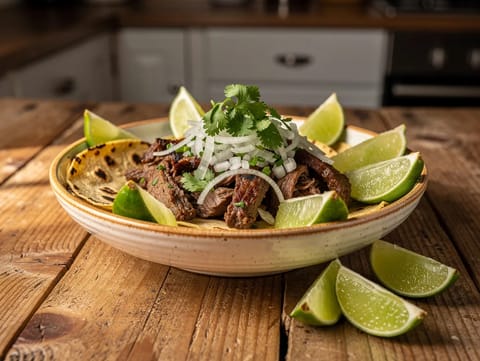
Tacos de Suadero with Onion and Coriander
Brisket tacos with onion, coriander, lime and salsa verde

Chicken Biryani Lunch Bowl
Chicken biryani bowl layered with basmati rice and onions
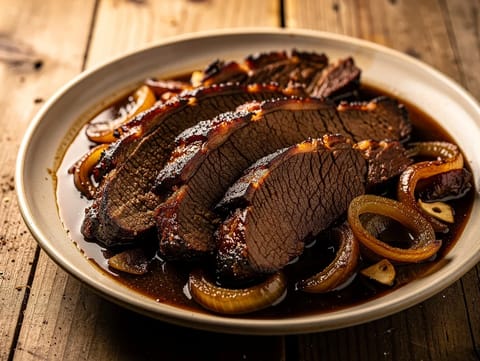
Asado Negro (Venezuelan Braised Beef in Dark Sauce)
Venezuelan braised beef in a dark coffee and onion sauce
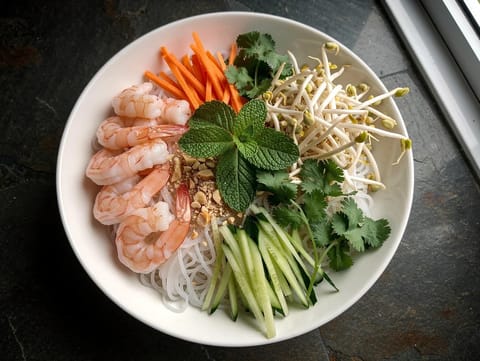
Vietnamese Prawn Vermicelli Noodle Salad Bowl
Vermicelli noodle salad with prawns, herbs, peanuts and nước chấm

Kefta Tagine (Meatballs in Tomato Sauce)
Spiced beef meatballs simmered in a rich tomato sauce
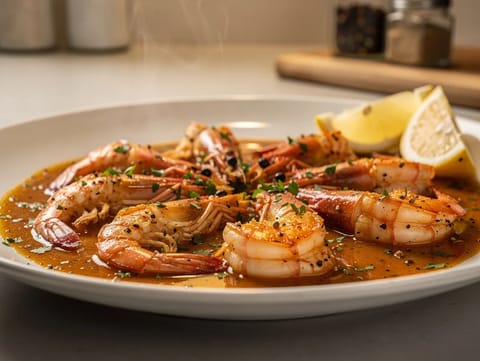
New Orleans BBQ Shrimp
Quick prawns cooked in buttery Worcestershire, lemon and pepper sauce
Make this recipe easier next time
AdvertisementThese tools help you get better results with less effort.
Misen 8-Inch Chef Knife
- AUS-10 steel
- Balanced design
- Less traditional feel
Titanium & PP Double-Sided Cutting Board
- Separate surfaces for meat and produce
- Resists odors and stains
- Harder on knife edges than wood or plastic
WÜSTHOF Classic 8-Inch Chef's Knife
- Excellent build quality
- Reliable edge retention
- Expensive
OXO Good Grips 2-Piece Cutting Board Set
- Two useful sizes with reversible cutting surfaces
- Dishwasher safe and easy to clean
- Plastic surfaces will show knife marks over time
Enjoy cooking with JustRecipes?
Add JustRecipes as one of your preferred Google sources to discover our recipes more easily across Google Search.
Add JustRecipes to GoogleEvery recipe on JustRecipes follows the same structured editorial process. Learn how recipes are created, validated, translated, illustrated, and continuously improved across the platform. How we create recipes.
