
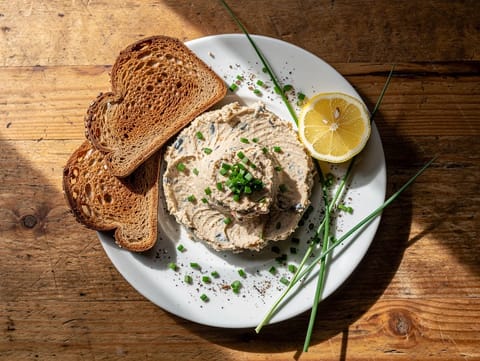
Smoked Mackerel Pâté with Rye Toast
Smoked mackerel pâté with lemon and horseradish on rye

Omega-3-rich meals are built around ingredients naturally high in omega-3 fats, most often oily fish, certain seeds and nuts, and some plant oils. In practice, that changes how a dish cooks and tastes: fish can dry out if overcooked, seeds can thicken sauces, and nutty oils are best used where their flavour stays noticeable. Use this collection when you want the omega-3 ingredient to feel like part of the meal, not an afterthought, and when you need options that still suit a mixed household table.
This theme is about choosing a main ingredient that brings omega-3s, then cooking in a way that protects its texture and flavour. With oily fish, the key is gentle heat and careful timing: salmon, mackerel, sardines and trout are forgiving in flavour but can turn chalky if pushed too far. With plant sources such as chia, flax and walnuts, the omega-3 ingredient often behaves like a thickener or garnish, so it matters where you add it. Chia can set a pudding-like texture; ground flax can make batters and sauces feel more cohesive; walnuts bring crunch but soften if left in a wet dressing. “Omega-3-rich” does not automatically mean low-fat, low-calorie, or strongly fish-forward. Many dishes balance richness with acidity, herbs, or crisp vegetables.
Smoked mackerel pâté with lemon and horseradish on rye
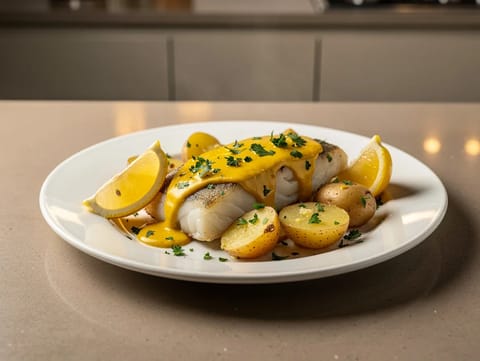
Pan-fried cod with mustard butter and new potatoes
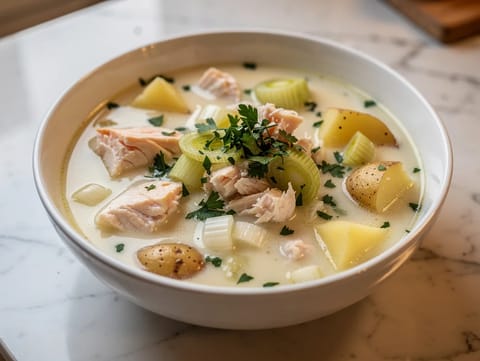
Creamy smoked haddock chowder with leeks and potatoes
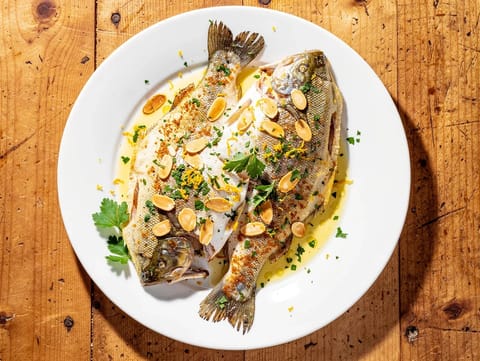
Pan-fried trout finished with toasted almonds, butter and lemon
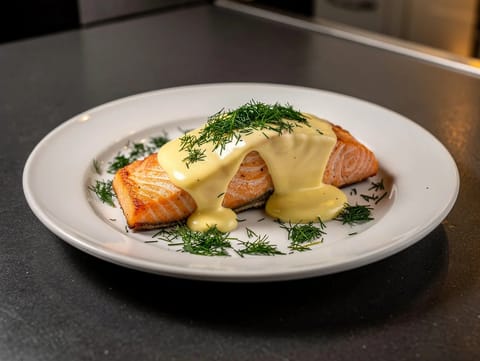
Baked salmon with warm hollandaise sauce
Light pike quenelles poached gently and nappé with creamy Nantua-style crayfish sauce
If you want the omega-3 ingredient to carry the meal, look for fish-centred dishes where the fish is baked, grilled, poached, or folded through at the end. These tend to benefit from a bright element such as citrus, vinegar, tomatoes, or yoghurt to keep the plate from feeling heavy. For a plant-led approach, choose recipes where seeds or nuts are integrated rather than sprinkled: chia stirred into breakfast-style bowls, flax in pancakes or flatbreads, or walnuts in sauces and pestos. These options can be easier to portion for different appetites. Blended meals combine smaller amounts of fish with plant sources, for example fish with a seed-based topping or a walnut-herb relish. That route is useful when you want the flavour to stay gentle while still keeping the theme clear.
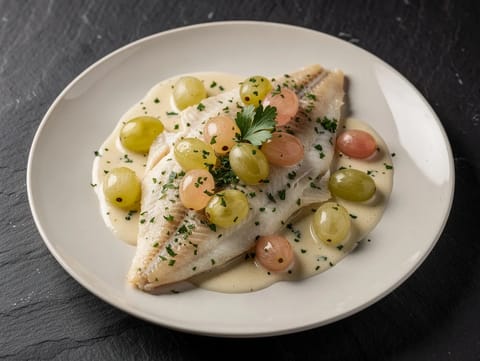
Poached sole with grapes in a white wine cream sauce
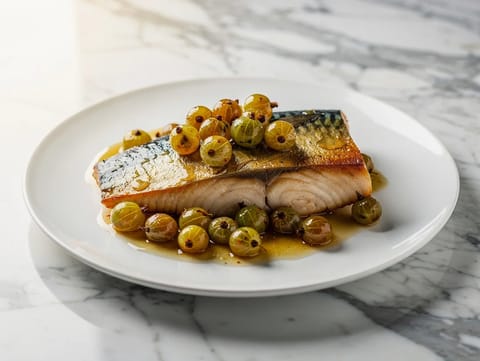
Crispy mackerel topped with warm gooseberry sauce
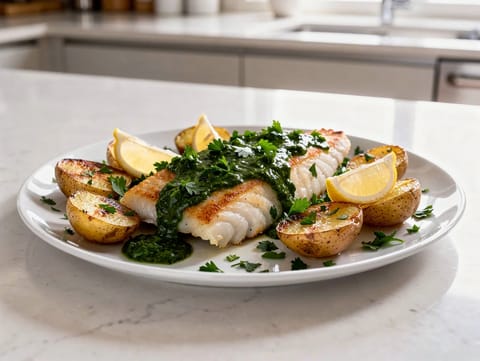
Baked cod with creamy parsley sauce and new potatoes
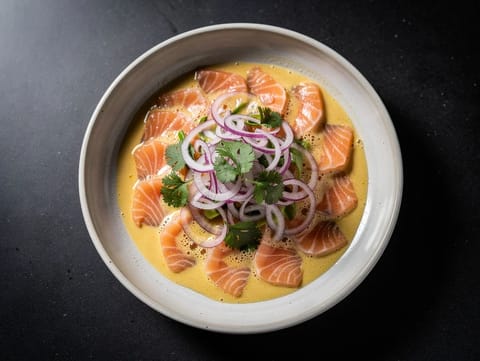
Sliced raw salmon served with lime and ají amarillo sauce
Smoked mackerel pâté with lemon and horseradish on rye
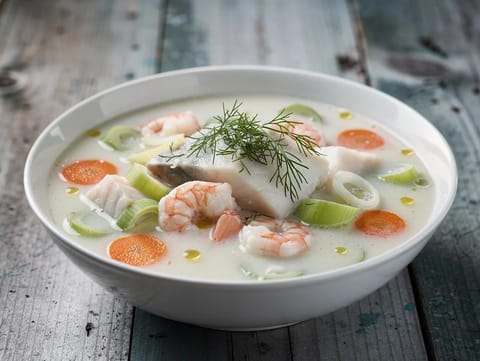
Creamy fish soup with prawns, lemon and dill
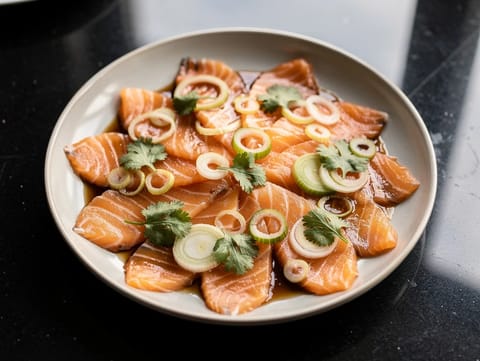
Chilled salmon tiradito with ponzu dressing and sesame oil
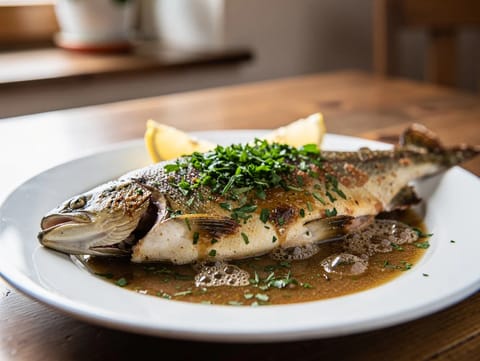
Crisp pan-fried trout finished with brown butter and lemon
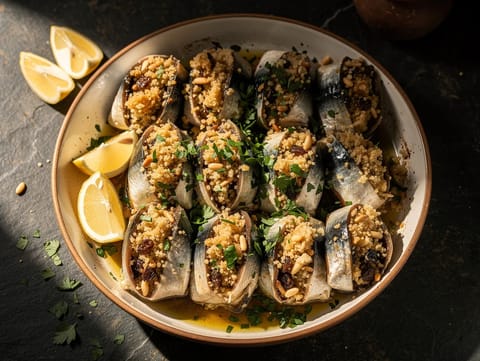
Baked stuffed sardines with breadcrumbs, pine nuts and raisins
Baked salmon with warm hollandaise sauce
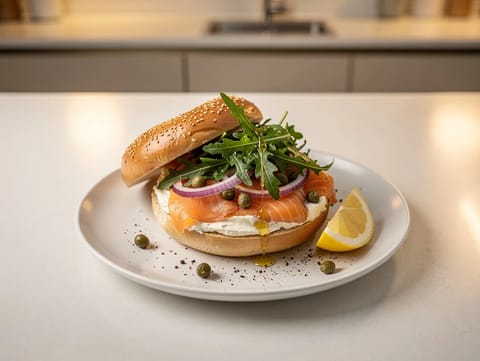
Toasted bagel with smoked salmon, cream cheese and capers
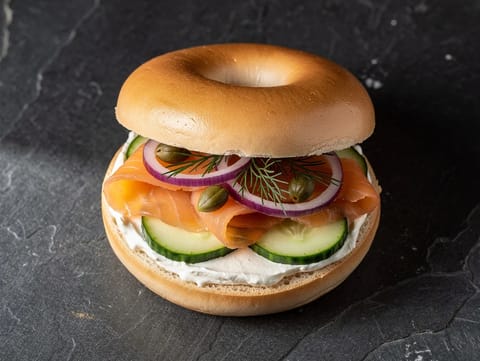
Smoked salmon bagel with lemon cream cheese, cucumber and capers
If you are balancing this theme with specific eating patterns, browsing by Diet can help you find meals that fit your household’s preferences without assuming every omega-3 source works for everyone. Cooking time is also a practical companion: oily fish and seed-thickened dishes often reward the right timing, whether you need something quick or have time for a slower cook.
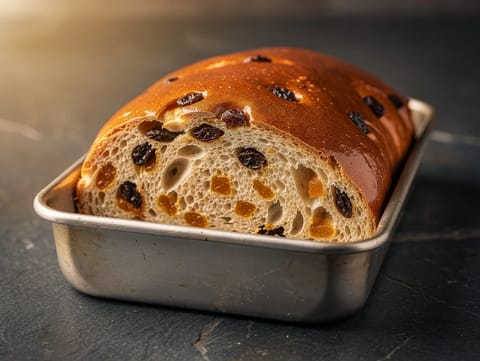
Norwegian Christmas bread with raisins, peel and cardamom
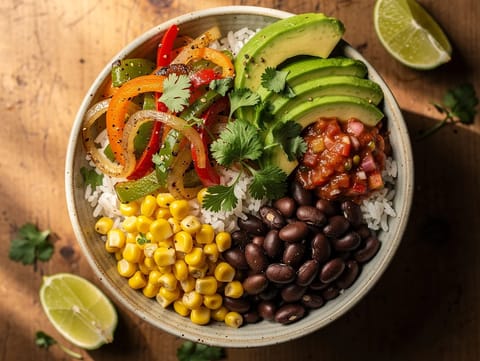
Rice bowl with black beans, sweetcorn, peppers, salsa and avocado
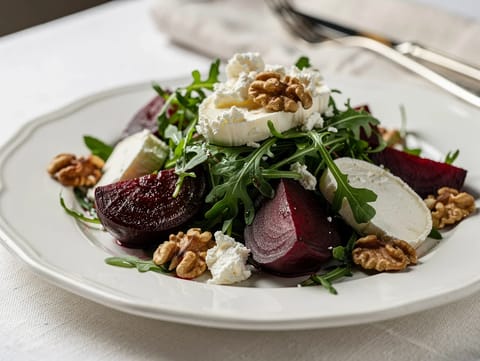
Roasted beetroot salad with goat’s cheese, rocket and walnuts
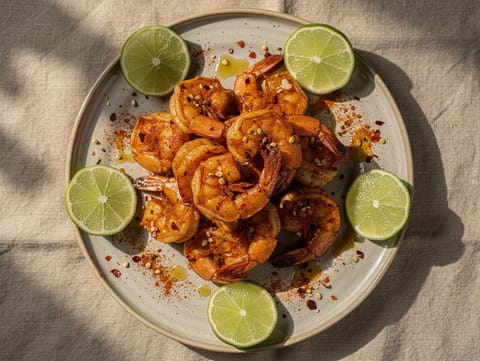
Air-fried spicy chilli prawns with garlic and lime.
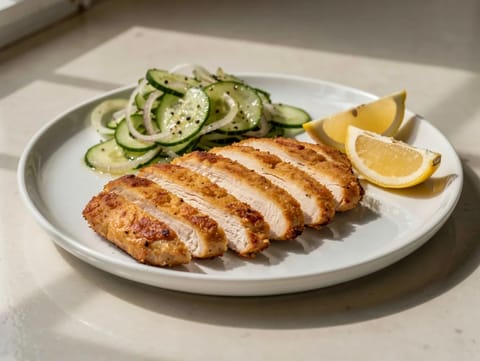
High protein air-fried yoghurt-marinated chicken with cucumber salad.
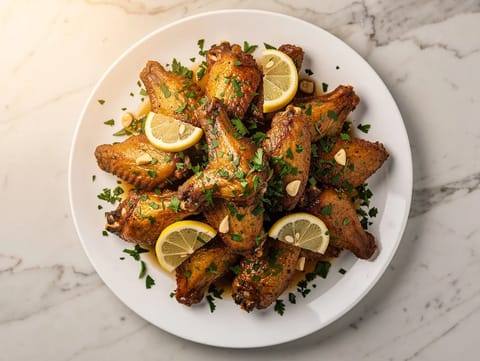
Crispy wings tossed in garlic butter with lemon and parsley.

Thin pastry strudel filled with cinnamon apples, raisins and lemon

Apple juice mixed with sparkling water over ice
Most commonly, oily fish (such as salmon, mackerel, sardines and trout) and plant sources like chia, flaxseed and walnuts. Some recipes also use oils that contribute omega-3s, but the overall dish still depends on how much is used and where it shows up.
Not necessarily. Many dishes use acidity, herbs, spices, or a charred or roasted finish to keep fish flavours clean and rounded. Plant-based sources tend to read as nutty or gently earthy rather than fish-forward.
Overcooking. Oily fish can go from juicy to dry and crumbly quickly, especially with high heat or thin fillets. Recipes that add a sauce, a topping, or a brief finishing step often help protect moisture.
It depends on the seed and the form. Whole seeds may stay as a garnish, while ground flax and chia can noticeably thicken liquids. If you want minimal texture change, look for recipes that use seeds as a topping added just before serving.
No. Fish, nuts and seeds are common allergens, and suitability depends on the specific ingredients and brands used. Always check the recipe and labels, and consider cross-contact if you are cooking for someone with an allergy.
Pair richer omega-3 ingredients with contrast: something crisp (salads, slaws), something acidic (lemon, pickles, tomatoes), or a bitter note (leafy greens). Those elements make the richness feel intentional rather than heavy.
Start by deciding whether you want the omega-3 source to be the centrepiece or a supporting element, then choose recipes that cook it gently and season it with contrast. Once you have a favourite approach, it becomes easy to repeat with different flavours and sides.
