
Île Flottante (Floating Island Meringue with Vanilla Custard)
Why this recipe works
- Classic French method: Poaching the meringues gently sets them without browning, keeping their recognisable floating-island lightness.
- Smooth custard base: Cooking the custard slowly and straining it gives the crème anglaise a fine, silky finish.
- Caramel balance: The light caramel adds a bittersweet edge that keeps the vanilla custard and sweet meringue from feeling flat.
Get the most out of this recipe
Authenticity notes
- Defining technique: Île flottante is defined by poached meringue served on vanilla custard, with the contrast between airy egg white and smooth crème anglaise at the centre of the dish.
- Caramel finish: A drizzle of caramel is a common finish, adding colour, shine, and a lightly bitter counterpoint to the custard.
Common mistakes
- Overheating the custard: Keep the custard over low heat and stir continuously; if it bubbles or steams heavily, remove it briefly from the heat to avoid scrambling the yolks.
- Boiling the poaching water: The meringues need a bare simmer, not a rolling boil, so they set gently without breaking apart.
- Taking the caramel too far: Remove the caramel once it turns amber; darker caramel can quickly become bitter and overpower the delicate custard.
Make-ahead tips
- Keep the parts separate: Store the custard and poached meringues separately in the fridge, covered, to preserve the best texture.
- Assemble before serving: Float the meringues on the custard only shortly before serving, as they soften once they sit in the custard.
- Serve cool if preferred: For a cooler finish, chill the assembled bowls briefly rather than leaving them to stand for a long time.
Ingredient notes
- Egg separation matters: Separate the eggs cleanly; even a little yolk in the whites can stop the meringue from whipping properly.
- Custard richness: Whole milk gives a smooth, traditional-style custard, while replacing some milk with cream makes the base richer.
- Egg safety: For vulnerable diners, use pasteurised eggs and make sure the custard reaches 82°C (180°F).
Equipment you'll need
Ingredients
Instructions
- Pour the milk into a saucepan and warm over medium heat until steaming and just starting to tremble at the edges, without boiling. Stir in the vanilla extract, then take off the heat.
- In a mixing bowl, whisk the egg yolks with 80 g of the caster sugar and the salt until slightly paler and smooth. Slowly whisk in the warm vanilla milk, then return everything to the saucepan.
- Cook the custard over low heat, stirring constantly with a whisk, until it thickens enough to lightly coat the back of a spoon, 6 to 10 minutes. Aim for 82°C (180°F) if using a thermometer, then strain into a bowl and cool for 10 minutes.
- Meanwhile, pour the water into a wide saucepan and bring to a gentle simmer. Keep it at a bare simmer so the surface only quivers.
- Whisk the egg whites to soft peaks, then gradually whisk in 40 g of the caster sugar until glossy and holding medium peaks. Using two spoons, shape 8 quenelles and lower them into the simmering water.
- Poach the meringues for 1 to 2 minutes per side, turning once, until set and slightly puffed. Lift out with a slotted spoon and drain briefly.
- Make a light caramel by heating the remaining 20 g caster sugar in a small saucepan over medium heat until melted and amber. Carefully add 2 tbsp water and swirl until smooth, then cool for 2 minutes so it thickens slightly.
- Divide the custard between serving bowls and float the poached meringues on top. Drizzle with the caramel and serve straight away, or chill for 20 minutes for a cooler finish.
Recipe notes
Tips
- Keep the custard on low heat and stir constantly; if it starts to steam heavily or bubble, take it off the heat briefly to prevent scrambling.
- For the smoothest custard, strain it after cooking to catch any tiny bits of cooked egg.
- If serving to pregnant people, young children, older adults, or anyone immunocompromised, use pasteurised eggs and ensure the custard reaches 82°C (180°F).
Substitutions
- Replace Vanilla extract with vanilla bean for a more aromatic custard.
- Replace Whole milk with milk and cream for a richer custard.
Storage
- Refrigerate up to 2 days
- Store custard and meringues separately in the fridge, covered, for best texture. Assemble just before serving; the meringues will soften as they sit on the custard.
Ratings & reviews
Liked this recipe? Share your feedback to support our cooking community.
Tried this recipe?
Choose 1–5 stars. A comment is optional.
Stay inspired
Discover new recipes, seasonal favourites and cooking inspiration every day. Follow JustRecipes on Pinterest and Spillt.

Recipe overview
- Servings: 4 servings
- Total time: 55min (35min active)
- Difficulty: Medium
- Cuisine: French
-
Allergens:
Eggs Milk
Plan your meals and get a complete grocery list automatically.
Add to meal plannerEquipment you'll need
Got ingredients left?
Find recipes using ingredients from this recipe or what you already have at home.
Find recipes with these ingredients →
Rote Grütze (German Red Berry Pudding)
Chilled German red berry pudding thickened with cornflour
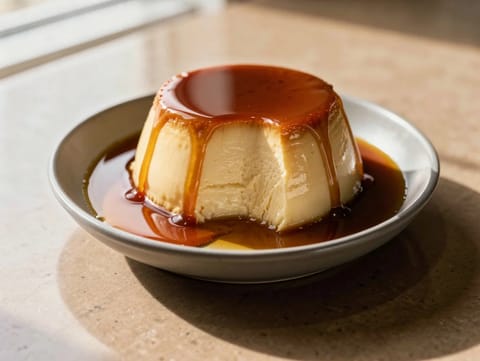
Holiday Flan (Festive Caramel Custard)
Silky baked flan with caramel, vanilla, and sweet milks.
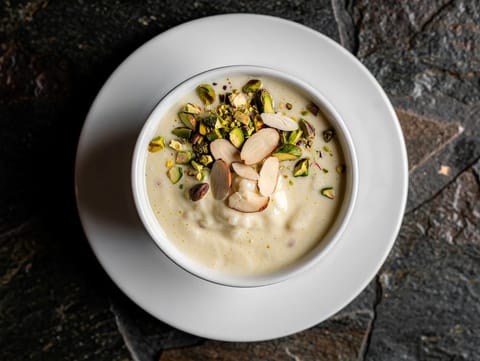
Phirni (Chilled Rice Pudding with Saffron)
Chilled phirni rice pudding with cardamom, saffron and nuts
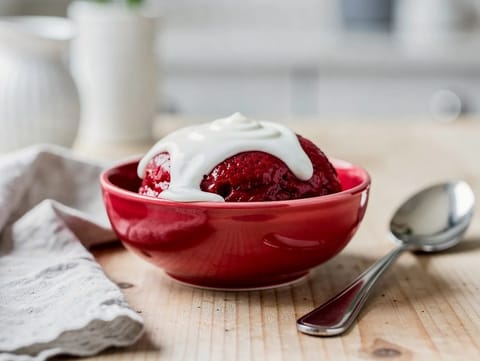
Rødgrød med Fløde (Nordic Berry Pudding with Cream)
Chilled Nordic berry pudding served with cold double cream
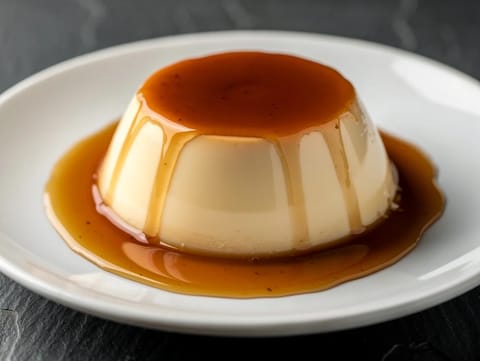
Flan (Baked Caramel Custard)
Silky baked caramel custard turned out with caramel sauce

Sheer Khurma (Eid Vermicelli Milk Dessert)
Vermicelli simmered in sweetened milk with dates, raisins and nuts
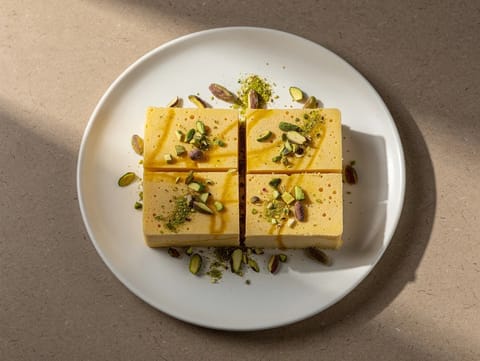
Mango Kulfi
Dense mango kulfi with reduced milk and cardamom

Air Fryer Mini Apple Pies
Mini apple pies air-fried with cinnamon and lemon.
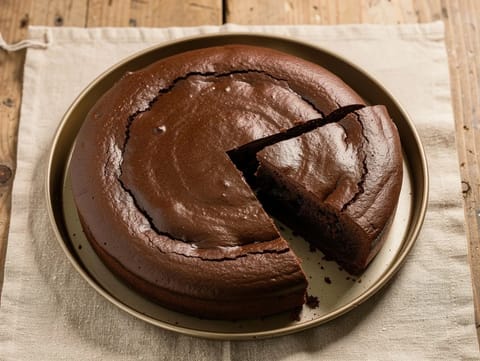
Gluten-Free Flourless Chocolate Cake
Fudgy flourless chocolate cake with cocoa
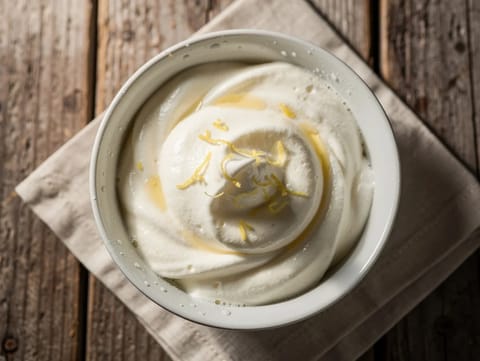
Syllabub with Lemon and White Wine
Whipped syllabub with lemon and white wine
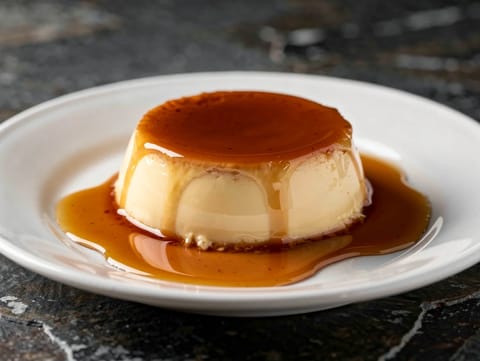
Light Crème Caramel (Vanilla Custard Dessert)
Light crème caramel with vanilla custard and caramel sauce
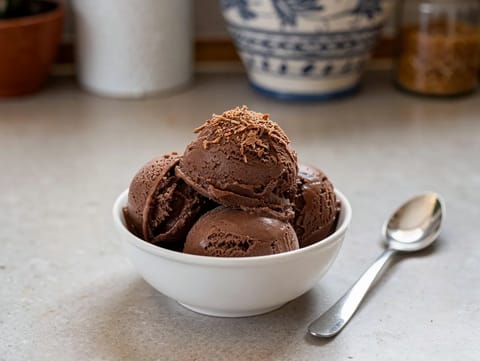
Gelato al Cioccolato Fondente (Dark Chocolate Gelato)
Dense dark chocolate gelato made with milk and double cream
Flan (Baked Caramel Custard)
Silky baked caramel custard turned out with caramel sauce
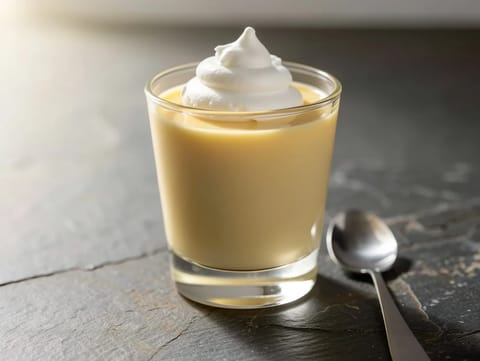
Belgian Advocaat Liqueur (Egg-Based Custard Liqueur)
Thick egg-yolk custard liqueur blended with brandy
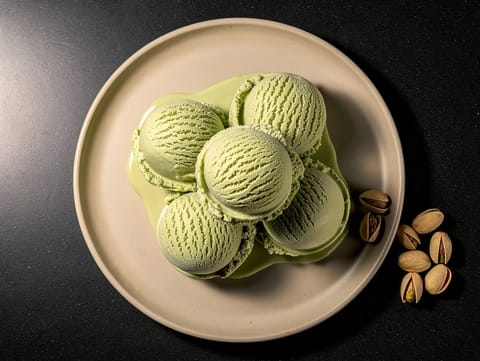
Gelato al Pistacchio (Sicilian Pistachio Gelato)
Smooth Sicilian-style pistachio gelato
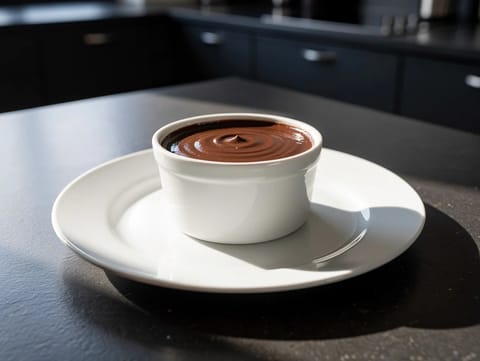
Pots de Crème au Chocolat
Silky baked chocolate custards chilled until spoonable
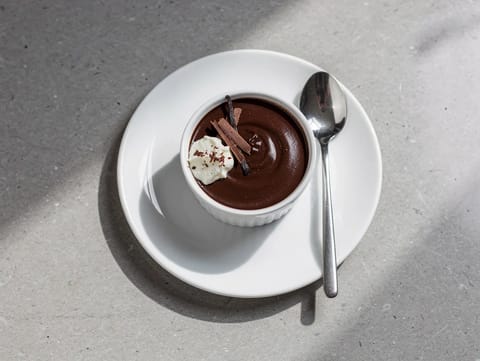
Pot de Crème au Chocolat (French Baked Chocolate Custards)
Chilled French chocolate custards baked in a bain-marie
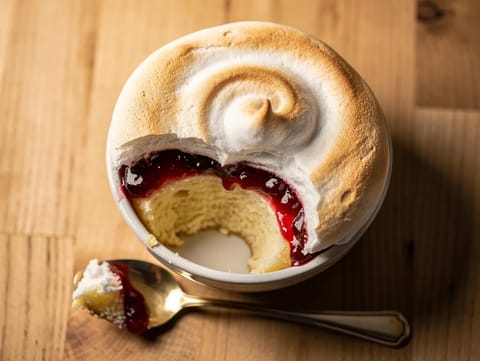
Queen of Puddings (Breadcrumb Custard with Jam and Meringue)
Breadcrumb custard baked with jam and meringue
You might also like
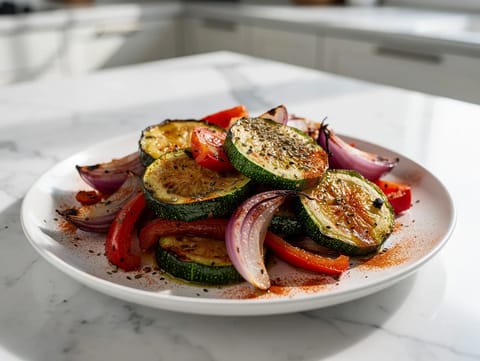
Air Fryer Vegetables
Air-fried courgette, pepper and onion with smoky oregano seasoning.

Sheet-Pan Bratwurst and Vegetables
Traybake bratwurst with roasted vegetables, mustard and caraway
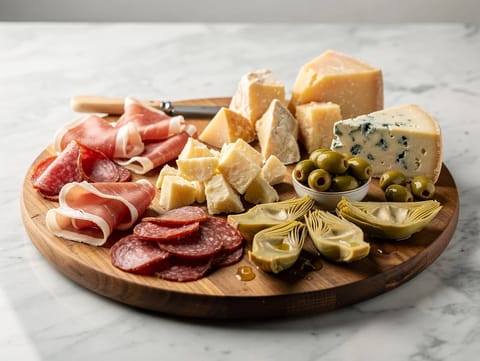
Italian Charcuterie and Cheese Board (Tagliere di Salumi e Formaggi)
Italian board with salami, prosciutto, cheeses, olives and artichokes
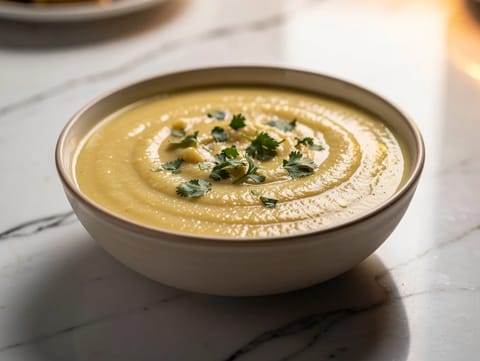
Sopa de Plátano (Colombian Plantain Soup)
Smooth plantain soup finished with double cream and coriander
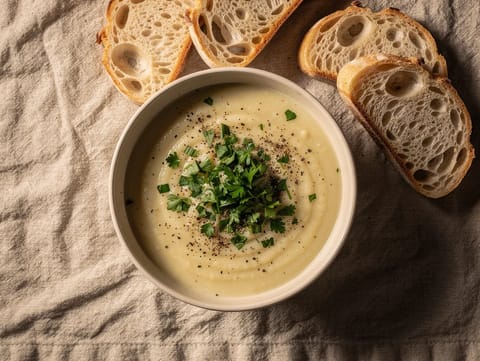
Leek and Potato Soup with Crusty Bread
Smooth leek and potato soup finished with double cream
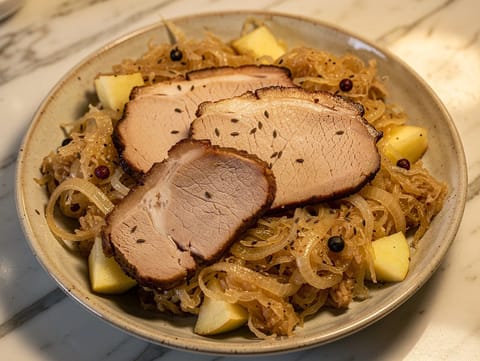
Kassler mit Sauerkraut (Smoked Pork with Sauerkraut)
Smoked pork simmered with sauerkraut, apple and juniper
Make this recipe easier next time
AdvertisementThese tools help you get better results with less effort.
KitchenAid Stainless Steel Mixing Bowls
- Non-slip base
- Stainless steel
- Not microwave safe
T-fal Specialty Nonstick Handy Pot with Glass Lid 3 Quart
- Easy food release
- Dishwasher safe
- Not induction compatible
OXO Good Grips Stainless Mixing Bowl Set
- Non-slip base
- Comfort grip
- Higher price
WMF Mini Saucepan 16 cm with Lid
- High-quality stainless steel
- Even heat distribution
- Higher price point
Enjoy cooking with JustRecipes?
Add JustRecipes as one of your preferred Google sources to discover our recipes more easily across Google Search.
Add JustRecipes to GoogleEvery recipe on JustRecipes follows the same structured editorial process. Learn how recipes are created, validated, translated, illustrated, and continuously improved across the platform. How we create recipes.
