
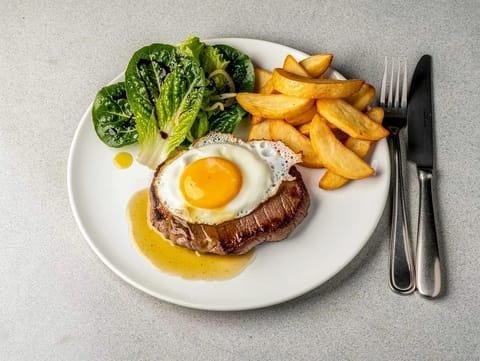
Bitoque (Portuguese Steak with Fried Egg)
Pan fried steak topped with a fried egg and chips

Portuguese cooking is often built on a small set of dependable flavours: garlic, olive oil, onions, bay, citrus, and a measured use of chilli and paprika. Seafood and salt cod are well-known pillars, but there is also a strong tradition of soups, rice dishes, pork cookery and baking. This page helps you recognise what makes a recipe feel Portuguese, and to spot when a dish is Portuguese-inspired, borrowing the flavour logic while adapting ingredients, technique or presentation.
A recipe labelled Portuguese may draw directly from established dishes and regional traditions, while Portuguese-inspired cooking often takes the same flavour cues and applies them more freely. That might mean using a different fish than the original, swapping a long simmer for a quicker pan sauce, or leaning more heavily on chilli than is typical in many home kitchens. Neither approach is automatically more ‘correct’; they simply behave differently in the pan. When you are choosing recipes, look for the anchors that tend to signal Portuguese style: olive oil-forward cooking, garlic and bay, a balance of savoury depth with acidity, and sauces that are meant to be mopped up with bread or served over rice or potatoes.
Pan fried steak topped with a fried egg and chips
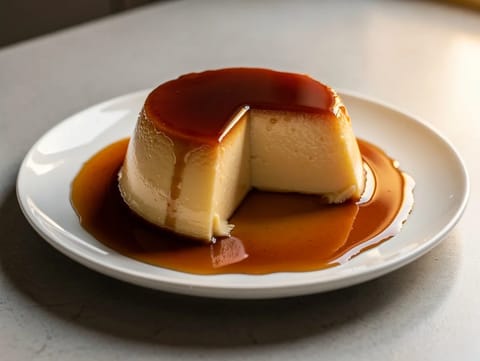
Baked caramel flan chilled and unmoulded with caramel sauce
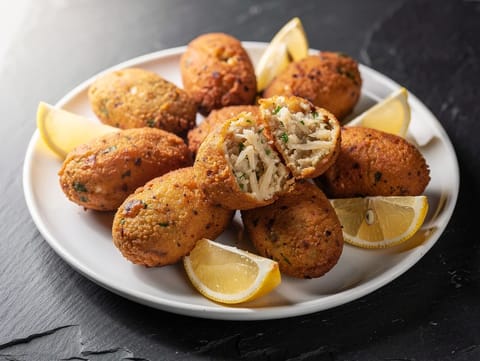
Crisp salt cod and potato fritters with parsley and lemon
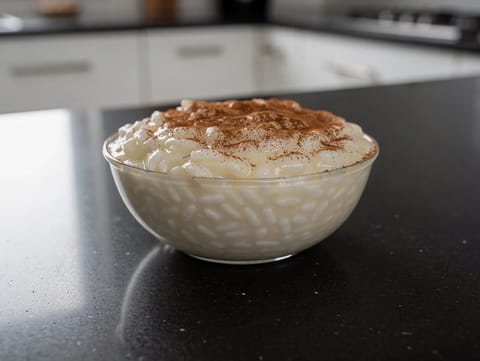
Chilled Portuguese rice pudding with lemon and cinnamon
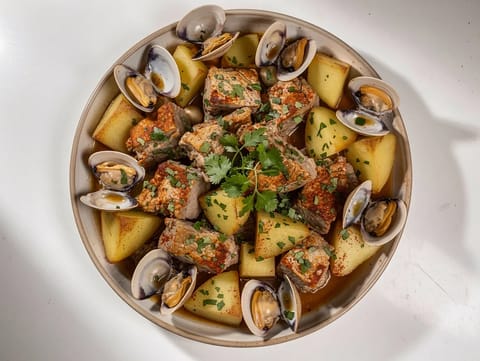
Portuguese pork with clams, garlic, white wine and fried potatoes
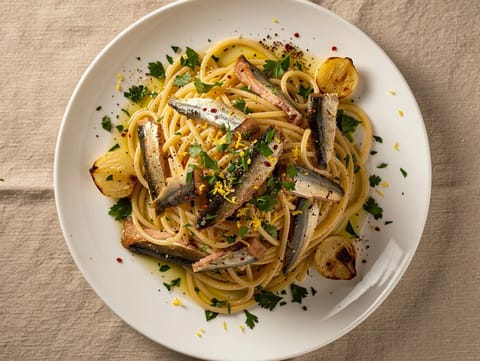
Smoked sardine pasta with lemon, garlic and parsley
Portugal’s coastline naturally shapes the cooking, from grilled fish and shellfish to stews and rice dishes that capture the flavour of the sea. Inland, you will find more pork, hearty soups and slow-cooked dishes, often still finished with the same brightening touches of citrus, vinegar or herbs. Regional variation is significant, and many dishes have local names and methods that do not travel neatly. Portuguese food also reflects historical connections through ingredients such as chillies and spices, though the overall profile in everyday cooking is often more about savoury warmth than aggressive heat. Keeping that perspective helps when you encounter modern recipes that amplify one element, such as spice or sweetness, for a different effect.
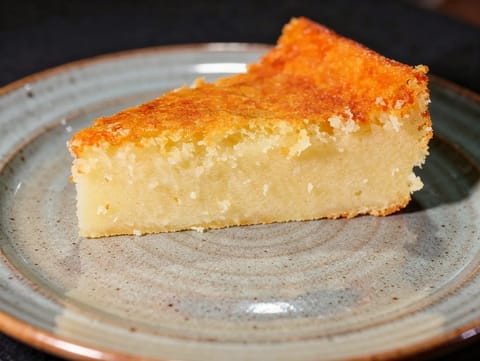
Dense Portuguese almond cake finished with icing sugar

White port and tonic served over ice with lemon
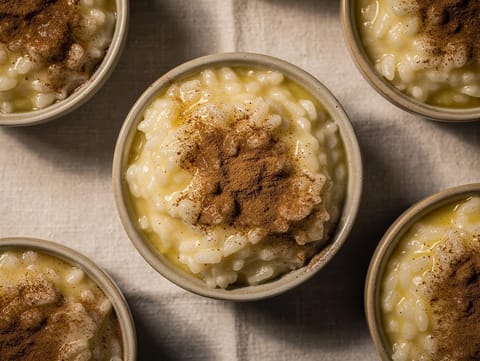
Portuguese rice pudding with cinnamon, egg yolks and lemon zest
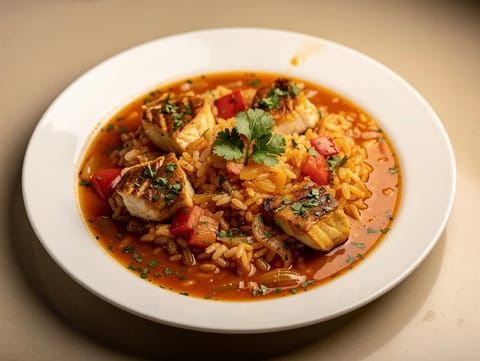
Portuguese monkfish rice simmered in tomato and white wine
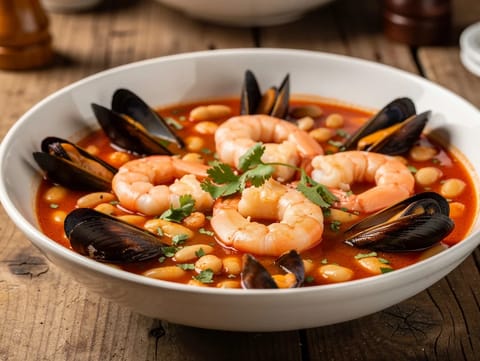
Seafood and white bean stew in a tomato and wine broth
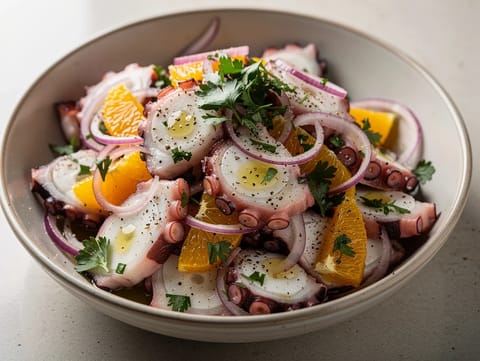
Chilled octopus salad with orange, lemon and parsley
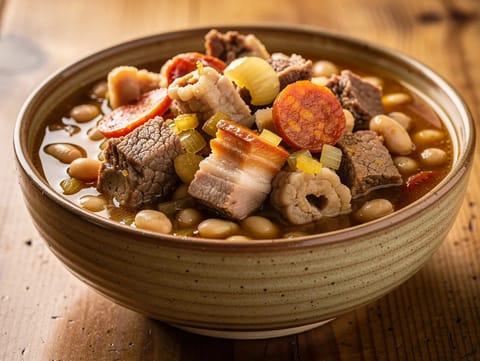
Porto-style tripe stew with pork, chorizo and white beans
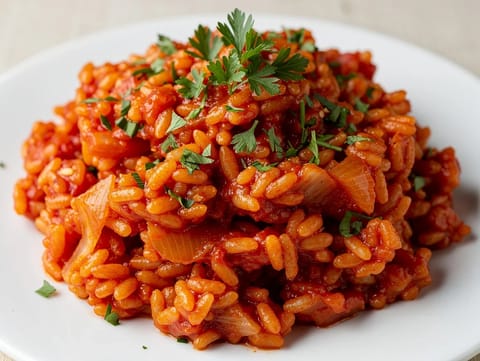
Portuguese tomato rice simmered with onion, garlic and stock
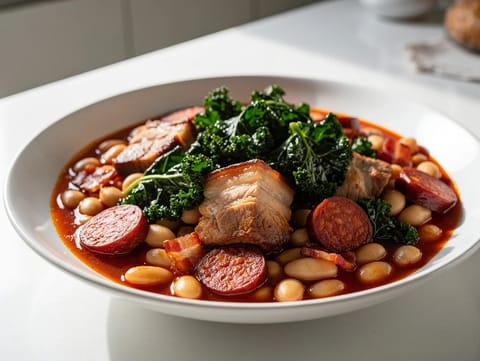
Portuguese white bean stew with pork belly, chorizo and bacon
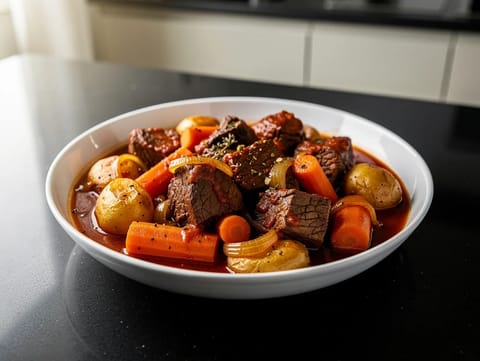
Portuguese braised beef stew with red wine, carrots and potatoes
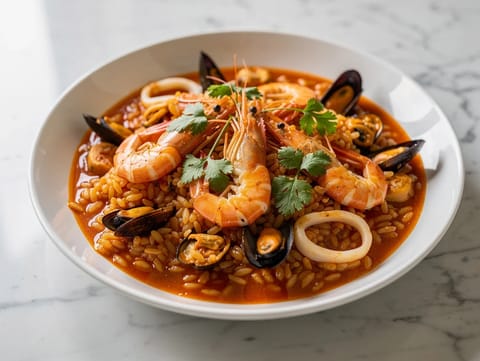
Portuguese seafood rice with prawns, mussels, squid and tomato
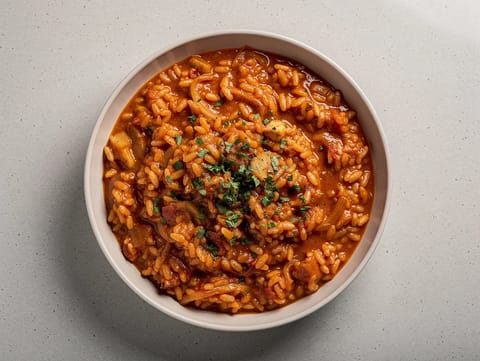
Creamy Portuguese tomato rice with onion, garlic and parsley
Portuguese recipes often rely on straightforward techniques executed with attention. Grilling is common for fish and meats, where good salting and a final squeeze of lemon can matter as much as the marinade. Braises and stews build flavour through onions, garlic and bay cooked slowly in olive oil, then loosened with wine, tomatoes or stock. You will also see pan sauces that emulsify olive oil with cooking juices, sometimes thickened by bread, potatoes or reduced liquid rather than cream. If a recipe uses salt cod, remember that the key step is desalting, which changes both seasoning and texture. Recipes that skip that step are usually adaptations using fresh fish instead.
Look for soups that start with a simple aromatic base and finish with greens, beans or bread. Rice dishes are another hallmark, ranging from dry, separate grains to looser, spoonable textures depending on the region and the cook. Seafood appears grilled, baked or simmered, often with garlic, olive oil and herbs, while pork dishes may feature paprika, wine and bay. In baking, you may see custard-based pastries and cakes that use citrus zest or cinnamon for fragrance. When planning a Portuguese-style table, it is common to pair a rich main dish with something crisp and acidic, such as a salad dressed with vinegar or lemon, to keep the meal feeling balanced.
Portuguese flavour is closely tied to a few key ingredients, so Ingredient browsing is useful when you want recipes built around salt cod, sardines, tomatoes, peppers or citrus. Cooking method is equally revealing: grilled fish, slow braises and rice cookery each produce a distinct texture even when the seasoning overlaps.

Thin pastry strudel filled with cinnamon apples, raisins and lemon

Spiced chicken drumsticks air-fried until crisp and juicy.
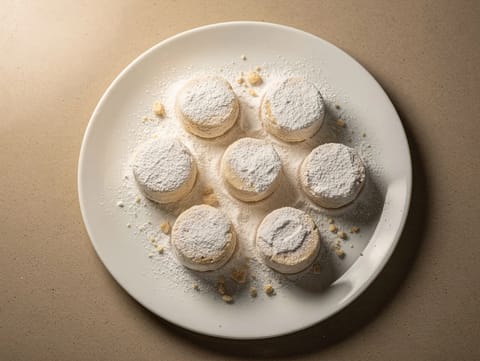
Crumbly almond biscuits with cinnamon, lemon zest and icing sugar
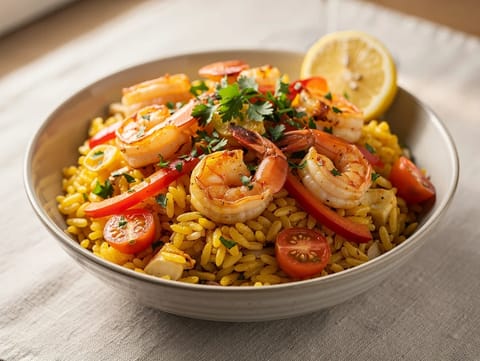
Saffron rice bowl with garlic prawns, pepper, tomato and lemon
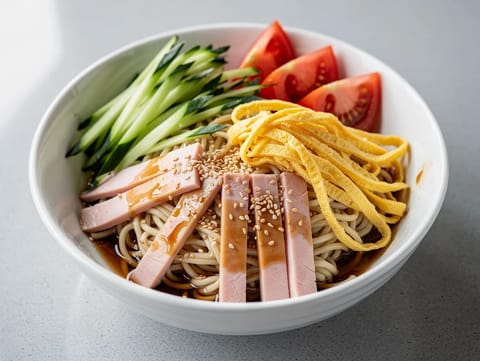
Chilled ramen topped with vegetables, omelette and ham
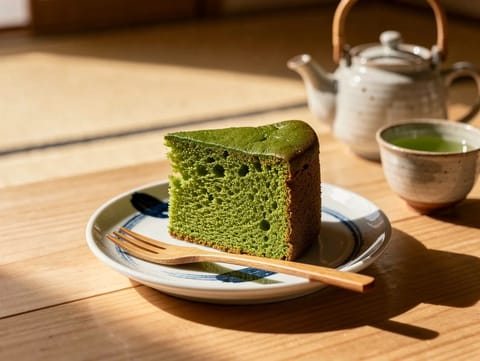
Matcha castella sponge cake with honey

Spiced vodka infused with caraway, dill seed, fennel and lemon
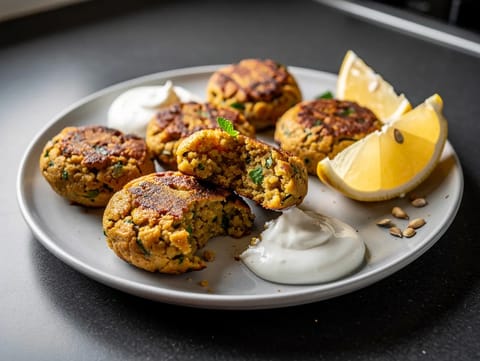
Greek chickpea fritters with herbs, fried until crisp
It can include chilli, but many Portuguese dishes are more aromatic than hot. Heat is often optional, added at the table or used lightly in cooking.
Bay adds a resinous, savoury perfume that supports garlic, onion and wine-based sauces. It is subtle, but it helps stews and braises taste more rounded.
Salt cod is a preserved ingredient with a distinctive flavour and flaky texture once soaked. It also reflects long-standing preserving and trading traditions.
Often it is the simplicity: firm salting, good olive oil, and a bright finish with lemon or vinegar, rather than heavy marinades or sweet glazes.
No. Portuguese rice dishes vary widely, and some are intentionally looser and more spoonable than paella. The texture depends on the dish and region.
Look for Portuguese flavour cues, such as garlic, olive oil, bay and paprika, used in a format that is not a traditional dish, or with substitutions that change the method or key ingredient.
When you want a Portuguese feel, start with olive oil, garlic and bay, then decide whether the dish will be grilled and bright, or slow-cooked and saucy. A final note of acidity, from citrus or vinegar, often brings the whole plate into focus.
