
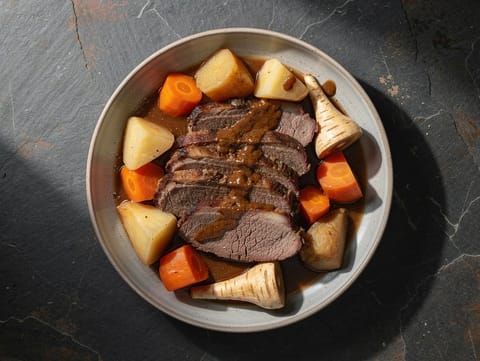
Braised Beef Brisket with Root Vegetables
Braised brisket with red wine and root vegetables

British cooking is less a single flavour profile than a set of familiar formats: roasts and pies, soups and stews, breads and bakes, and a strong tradition of puddings. It often leans on good stock, careful browning and simple seasonings that let the main ingredient lead.
Use this page when you want those recognisable shapes on the table, whether that means a crisp-topped pie, a tray of scones, or a slow-cooked joint with gravy and vegetables alongside.
Look for recipes built around a clear centrepiece and supporting sides: a roast with gravy, a pie with a vegetable on the side, or a soup with bread. Sauces are often practical rather than showy, thickened with flour, reduced stock, or the cooking juices from meat and vegetables. Seasoning is usually straightforward, so ingredient quality and technique matter: browning meat well before braising, sweating onions gently for sweetness, or baking pastry until it is properly set rather than pale.
Braised brisket with red wine and root vegetables

Gin and tonic with lime served over ice
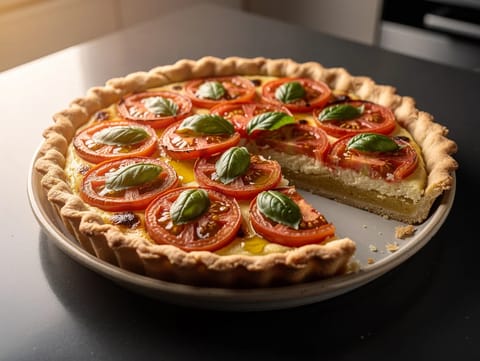
Shortcrust tart with ricotta, tomatoes and fresh basil
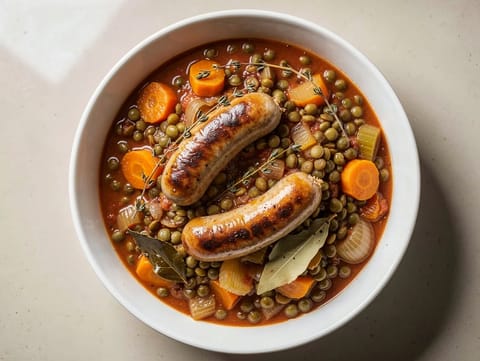
One-pot sausage casserole with green lentils and vegetables
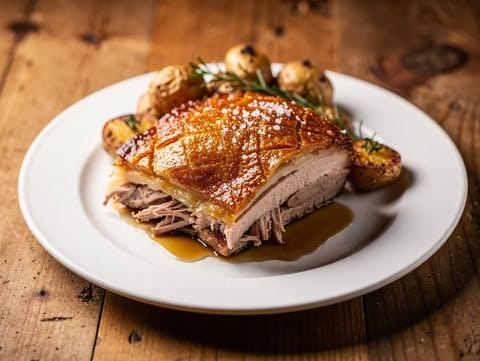
Slow-roasted pork shoulder with crisp crackling and roasting juices
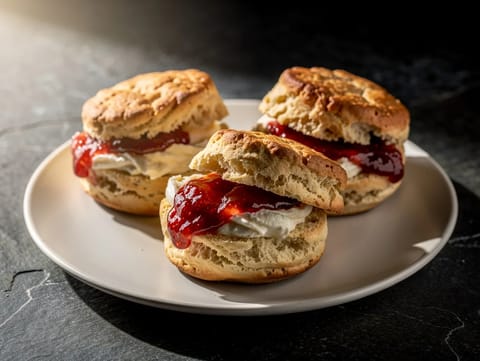
Classic air fryer scones served with clotted cream and jam.
British cooking is rich in dishes defined by their structure. Pies may be fully enclosed, topped with pastry, or finished with mashed potato, and the filling is commonly a gravy-like stew that needs time to cool slightly before it goes into the crust. Roasts are as much about what happens in the tin as the joint itself: rendered fat, browned bits and resting juices become the base for gravy. Baking ranges from everyday loaves and buns to teatime favourites such as scones, while puddings can mean both steamed or baked desserts and savoury dishes set with batter.
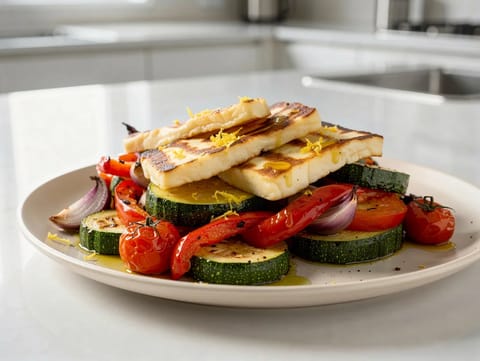
Halloumi traybake with roasted courgette, pepper and tomatoes
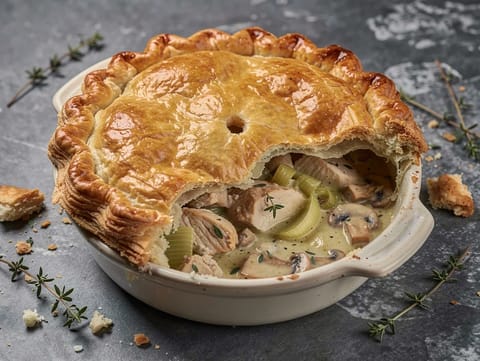
Chicken and leek pie with mushrooms and puff pastry
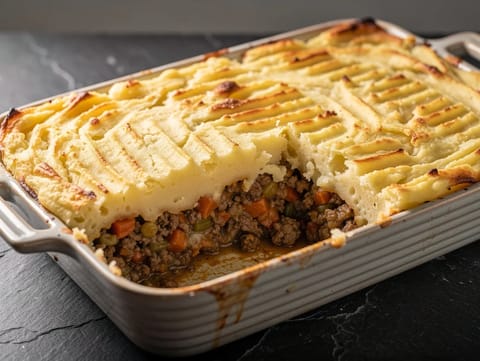
Shepherd’s pie with minced lamb and creamy mash
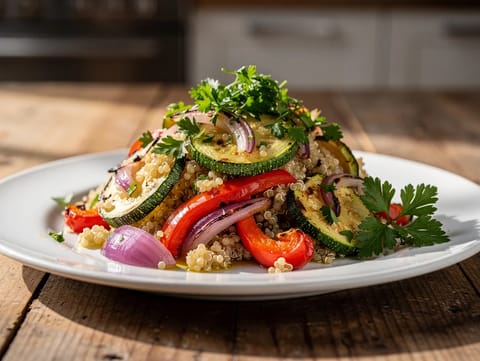
Quinoa salad with roasted courgette, pepper and onion
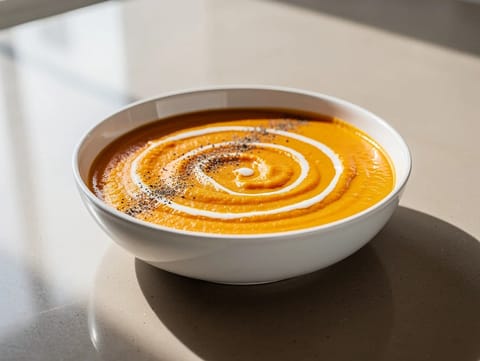
Silky carrot soup finished with coconut milk and lemon
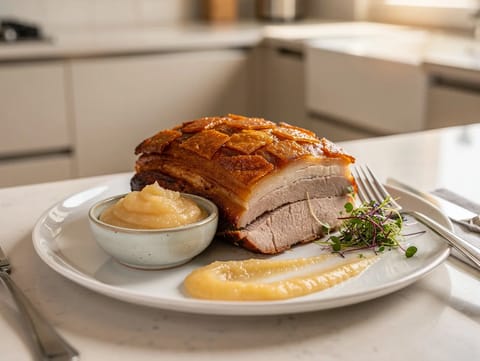
Slow-roasted pork shoulder with crisp crackling and apple sauce
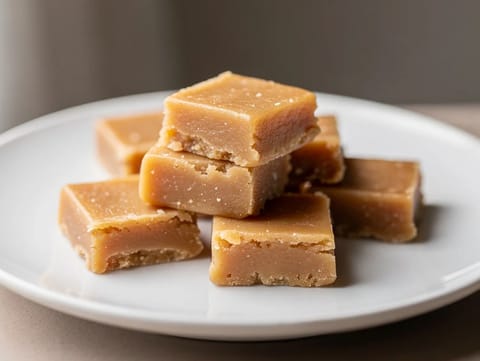
Crumbly Scottish tablet made with butter and condensed milk
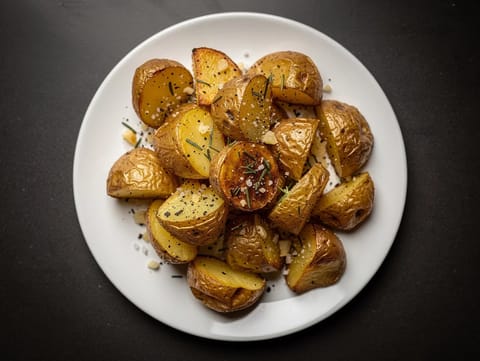
Crisp air fryer roast potatoes with rosemary and garlic.

Steamed suet pudding rolled with strawberry jam
Slow-roasted pork shoulder with crisp crackling and roasting juices
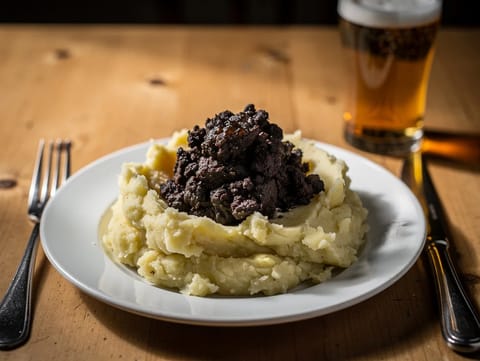
Warmed haggis with mashed swede and potatoes
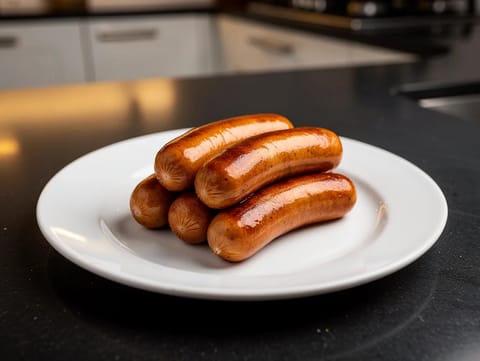
Air fryer sausages with crisp skins and juicy centres.
Many British recipes revolve around sturdy vegetables and dairy. Potatoes appear mashed, roasted, or layered as a topping, and brassicas often show up as simple sides or folded into soups and stews. Butter, milk and cheese bring richness to sauces and bakes, while mustard, horseradish, pickles or chutneys add the sharpness that keeps heavier plates lively. Dried herbs, bay and black pepper are common background flavours; when a recipe uses stronger accents, they are often tied to specific dishes rather than applied across the board.
British food culture has long balanced everyday thrift with occasional centrepiece meals. Many well-known dishes suit cooler weather because they rely on slow heat, sturdy vegetables and pastry, but the same kitchen habits also produce lighter plates, especially when good produce is available. Baking is a constant thread, from bread and buns to cakes and biscuits, and it sits comfortably alongside savoury cooking rather than feeling like a separate world. If a recipe reads as British-inspired, it may borrow these formats while swapping in different spices, vegetables or proteins.
If you know the dish shape you want, browsing by Dish can quickly narrow things down to pies, roasts, soups or bakes. For a more technique-led approach, Cooking method helps when you are deciding between braising, roasting, baking or frying, which often determines both texture and timing.
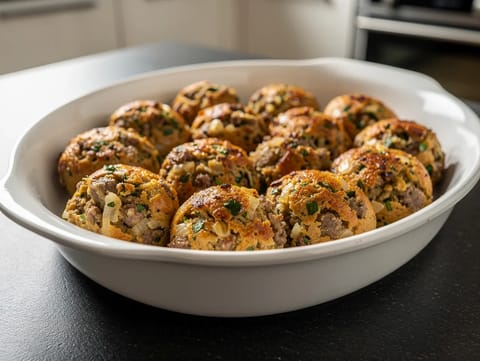
Baked sausage stuffing balls with onion, sage and thyme
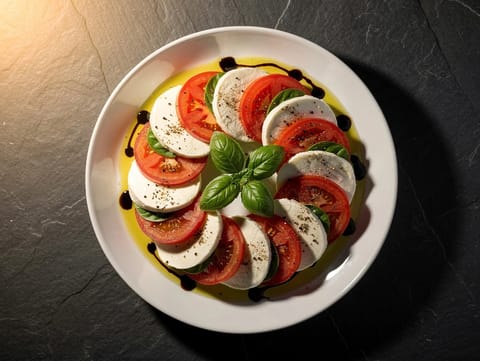
Tomatoes, mozzarella and basil with olive oil and balsamic
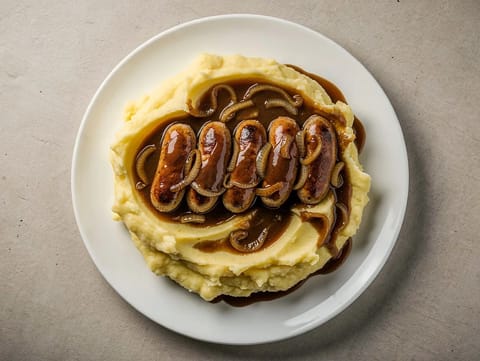
Pork sausages over creamy mash with onion gravy
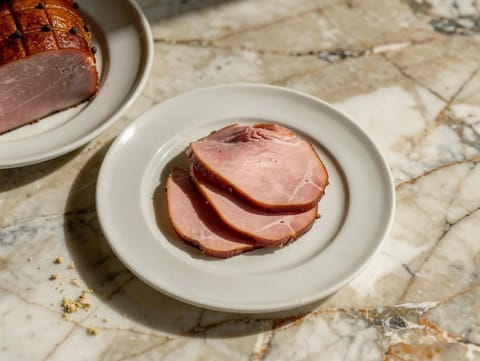
Baked ham finished with a brown sugar and Dijon glaze
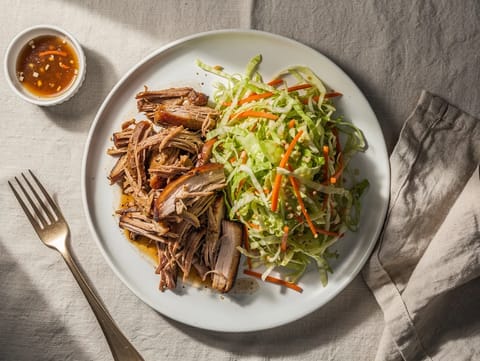
Slow-cooked pulled pork with crisp vinegar slaw
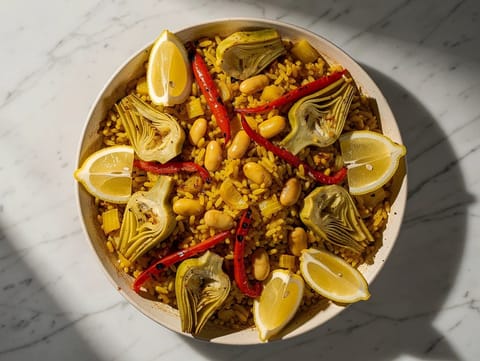
Vegetarian paella with saffron rice, artichokes and butter beans
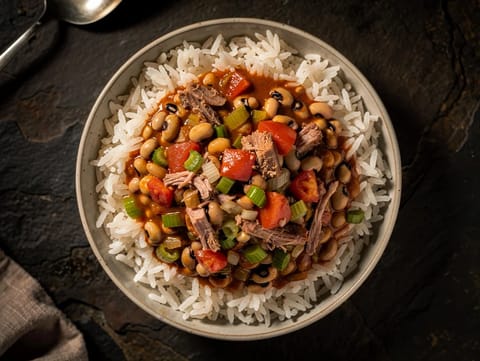
Black-eyed pea stew with smoked ham hock and tomatoes
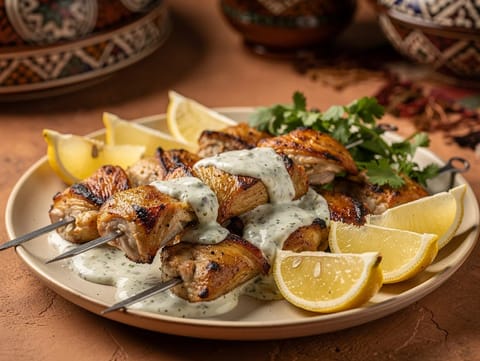
Yoghurt-marinated chicken skewers grilled with cumin and paprika
Not necessarily. Many British classics are rich because they use pastry, dairy and slow-cooked sauces, but the cuisine also includes broths, simple grilled or baked fish, and vegetable-forward sides. The format of the dish often matters more than the calorie density.
A filling that is thick enough to hold together once cut is typical. That usually means a gravy-like base from stock and flour or reduction, plus time for the filling to cool slightly before it meets the pastry, so the crust can bake crisp rather than turning soggy.
No, but it is a common supporting element, especially with roasts and some pies. When it appears, it is often built from browned bits in the roasting tin, stock and resting juices, so good browning and deglazing make a noticeable difference.
They are different traditions. British scones are typically lightly sweet or plain, leavened, and baked to split and serve with butter, jam or cream. The word “biscuit” in Britain usually means a crisp cookie-style bake.
It can mean dessert, but it can also refer to a savoury dish set with batter or steamed in a basin. The name tells you the format more than the flavour.
British cooking is easiest to navigate by structure: roast, pie, bake, soup or pudding. Once you have the format, decide whether you want a simple, ingredient-led version or a British-inspired twist with different seasonings, vegetables or fillings.
