
Labneh (Strained Yoghurt)
Creamy labneh strained from Greek yoghurt, then finished with olive oil

A spread is a soft, spoonable mixture designed to be smeared onto bread, crackers or vegetables, or used as a flavour layer in sandwiches and wraps. The category is wider than dips: some spreads are whipped and airy, others are dense and pâté-like, and many sit somewhere in between.
If you want something practical, spreads are often make-ahead friendly because flavours develop as they sit. The main decision is texture and richness: whether you want a light, whipped spread, a creamy blended one, or a chunkier mixture that gives more bite.
Whipped spreads, such as flavoured butter or cream-cheese style mixtures, are about aeration and easy smearability. They taste best when seasoning is well distributed, because you do not get the same mixing effect as you would in a sauce.
Blended spreads include bean purées, vegetable-based spreads and nut or seed blends. These rely on a smooth base and careful balancing of salt, acidity and fat so the flavour does not feel flat.
Chunky spreads, such as chopped olive mixtures or some fish and vegetable spreads, keep texture as part of the appeal. They can be more forgiving to make, but they need enough binding to stay on the bread rather than falling off.
Cooked spreads, including some onion or pepper-based versions, often taste sweeter and deeper because cooking concentrates sugars and softens harsh notes.
Creamy labneh strained from Greek yoghurt, then finished with olive oil
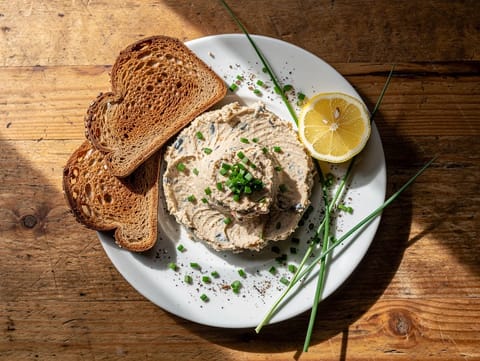
Smoked mackerel pâté with lemon and horseradish on rye
Potted prawns warmed with lemon and mace in brown butter, served with toast
Warm potted prawns with mace and lemon zest, spooned onto toasted bread

Venetian whipped salt cod spread with garlic and lemon
Pork shoulder confited in lard, then shredded into a rich spread
For make-ahead ease, look for spreads that are stable when chilled. Blended bean and vegetable spreads often firm up in the fridge, which can be helpful for neat spreading, but you may want to bring them back towards room temperature for the smoothest texture.
If a spread is dairy-based, it tends to carry flavours quickly, so a little garlic, chilli or citrus can go a long way after resting. Oil-rich spreads can taste muted when cold, so they often benefit from a bright element such as lemon juice, vinegar or a pickled ingredient.
When comparing recipes, notice whether the spread is meant to be thick enough for sandwiches or looser for scooping. The same ingredients can behave very differently depending on how much oil, yoghurt or cooking liquid is used.
Venetian whipped salt cod spread with garlic and lemon
Smoked mackerel pâté with lemon and horseradish on rye
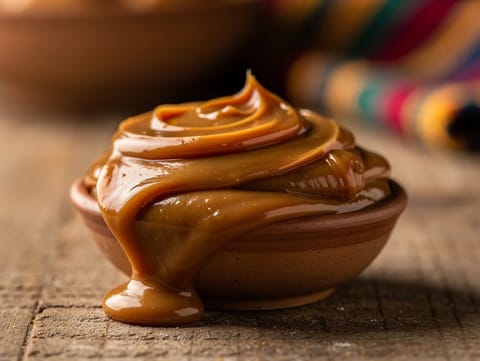
Thick caramelised milk spread made from milk and sugar
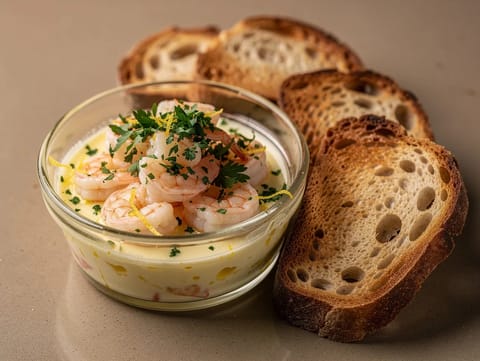
Potted shrimp set in spiced butter, served with sourdough
Pork shoulder confited in lard, then shredded into a rich spread
Creamy labneh strained from Greek yoghurt, then finished with olive oil
Shredded pork and fatback rillettes, chilled until spreadable and served on toast
Potted prawns warmed with lemon and mace in brown butter, served with toast
Warm potted prawns with mace and lemon zest, spooned onto toasted bread
Bread is the obvious partner, but the best match depends on texture. Smooth spreads suit crisp toast, crackers or raw vegetables because the contrast keeps each bite interesting. Chunkier spreads often work better with sturdier bread that can hold the pieces.
Think about salt and acidity in the rest of the plate. Rich spreads, especially those based on dairy, nuts or oily fish, often welcome something sharp alongside: sliced tomatoes, pickles, a squeeze of lemon, or a salad with a bright dressing. Sweeter cooked spreads pair naturally with salty elements such as cheese, cured meats or roasted vegetables.
If you are building a quick meal, spreads can act as the flavour base for a sandwich or wrap, with fresh herbs or crunchy vegetables added for lift.
Course is a helpful next step because spreads can function as a starter, a snack component or part of a larger meal. Cuisine is also useful when you want a particular flavour direction, since many food cultures have their own signature spreads built around beans, vegetables, dairy or nuts.
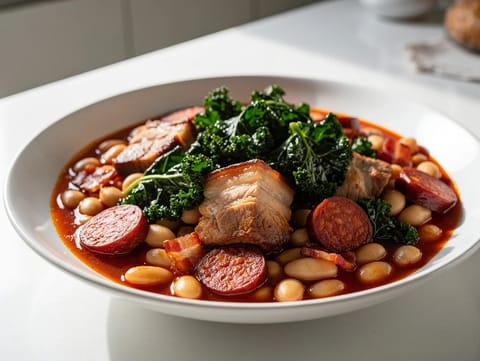
Portuguese white bean stew with pork belly, chorizo and bacon
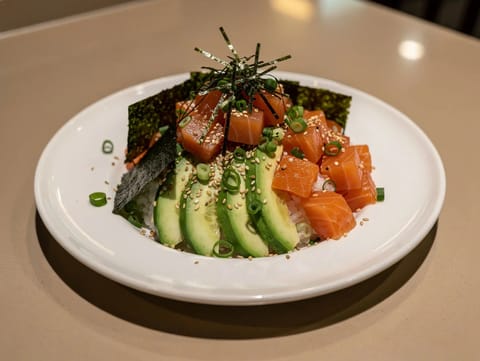
Salmon poke bowl with sushi rice and toasted sesame.

Roast beef with crisp Yorkshire puddings and simple gravy
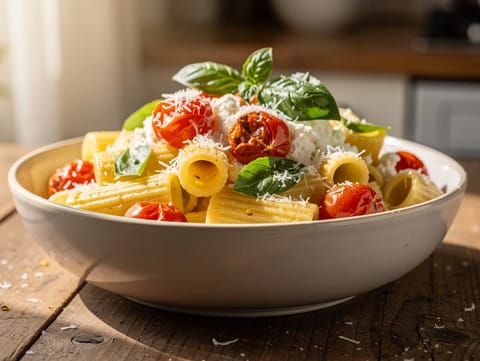
Rigatoni with blistered tomatoes and lemony ricotta
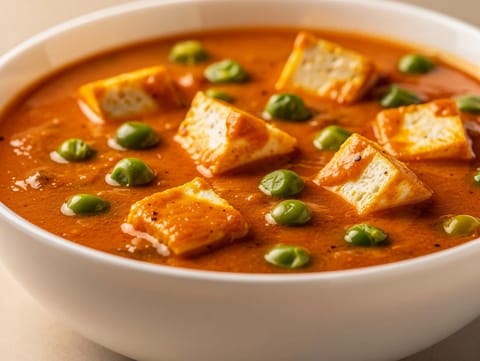
Paneer and peas simmered in a spiced tomato-onion gravy
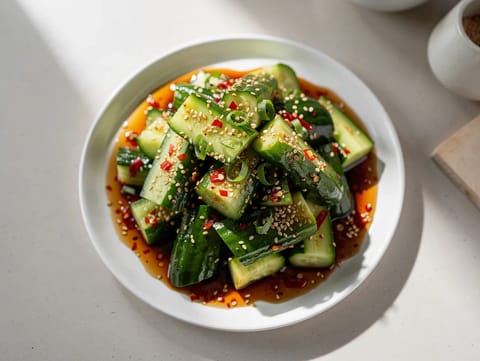
Smacked cucumber salad with chilli oil, garlic and sesame

Crispy wings coated in buttery garlic and Parmesan.

Crisp air-fryer samosas with spiced potato and pea filling.
They overlap, but a spread is usually thicker and designed to cling to bread or crackers. Dips are often looser for scooping, though some recipes can work as both.
Cold temperatures mute flavour, especially in oil-rich mixtures. A little extra salt, a squeeze of citrus or serving closer to room temperature can bring it back into focus.
Reduce added liquid, drain watery ingredients well, or choose a thicker base such as beans, nuts or cream cheese. Some spreads also firm up after resting in the fridge.
Yes. Many spreads are ideal as a flavour layer in sandwiches and wraps, especially when paired with crunchy vegetables or herbs for contrast.
Fat and starch can make flavours feel muted. Acidity, from lemon, vinegar or pickled ingredients, helps define the taste and keeps rich spreads from seeming heavy.
No. Some are whipped or blended smooth, while others are intentionally chunky, such as chopped olive or vegetable mixtures.
Start by deciding whether you want whipped and airy, creamy and blended, or chunky with bite. From there, balance richness with salt and a bright note, and choose something crisp or sturdy to carry it.
