
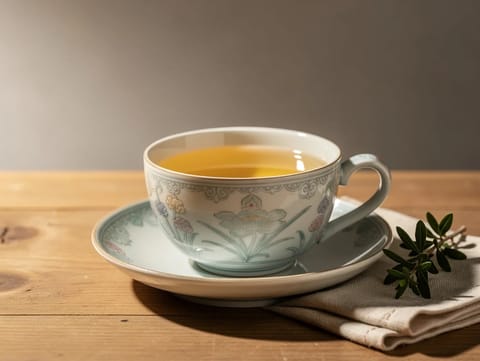
Oksusu-cha (Korean Corn Tea)
Korean corn tea simmered from toasted sweetcorn kernels

Tea drinks are more than a mug of tea. They include iced teas, milk teas, spiced tea-based drinks and tea-forward punches, all built around the same idea: brewed tea as the main flavour, with sweetness, citrus, milk or spices used to shape it. For hosting, tea drinks are quietly useful because they scale well and can be made to suit different palates, from brisk and unsweetened to creamy and dessert-like.
A tea drink is any beverage where tea is the defining ingredient, whether served hot or cold. That can mean black, green, white or oolong tea, as well as herbal infusions, depending on the recipe’s intent. The brewing step matters because it sets the drink’s backbone: strength, bitterness and aroma. From there, tea drinks branch into a few clear directions. Some stay clean and refreshing, with citrus and minimal sweetening. Others are built for richness, using milk, condensed milk or foamed dairy alternatives. Spiced versions often use warming aromatics and a longer steep, creating a drink that reads more like a gentle, drinkable dessert than a simple cup of tea.
Korean corn tea simmered from toasted sweetcorn kernels

Hot ginger tea sweetened with light brown sugar
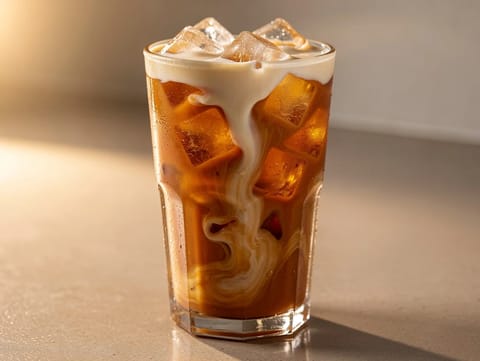
Strong iced tea topped with sweetened condensed milk
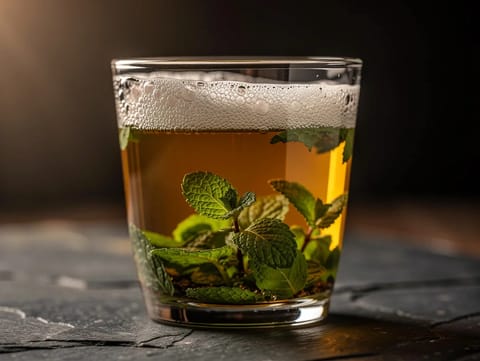
Sweet mint green tea served hot with a light foam
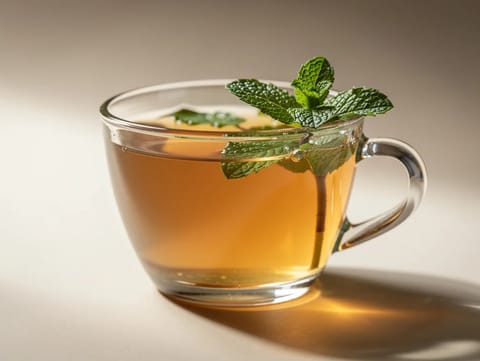
Hot ginger tea infused with fresh mint and sugar
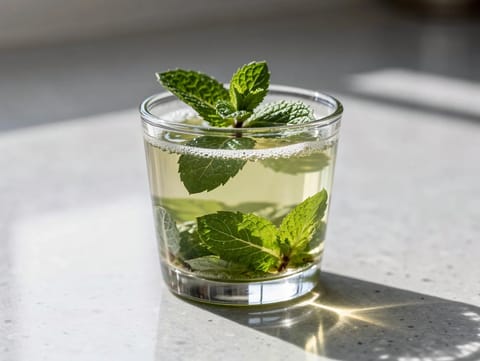
Green tea steeped with fresh mint and sugar, served hot
Hot tea drinks tend to emphasise aroma, so they are often finished with citrus peel, spices or a little honey added at the end. Iced tea drinks are more about clarity and balance: too strong and they taste harsh when chilled; too weak and they taste watery once ice melts. Milk tea styles soften tannins and can carry bolder sweetness, which is why they pair well with spices and caramel notes. You may also see tea used as a base for mixed drinks, where tea brings bitterness and fragrance in the way vermouth or bitters might. In those cases, the tea choice is part of the structure, not just a flavouring.
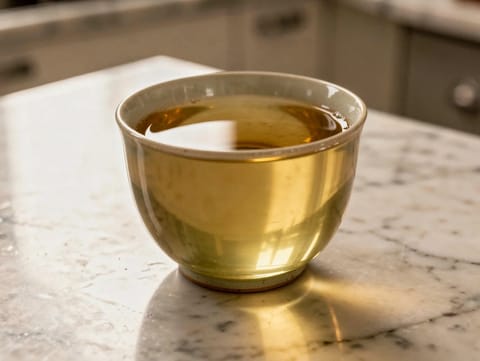
Japanese green tea blended with toasted rice
Sweet mint green tea served hot with a light foam

Cold yerba mate infusion served over ice with lime

Hot ginger tea sweetened with sugar and finished with lime

Tamarind iced tea with black tea and lime

Fragrant oolong tea brewed in hot water, served plain or sweetened
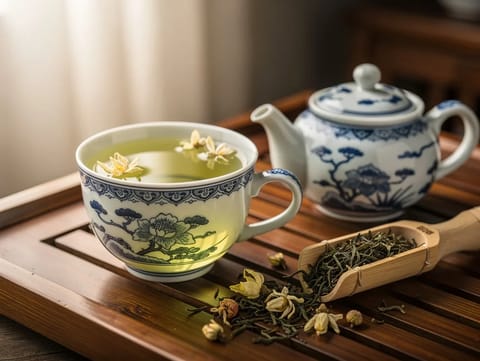
Light, floral jasmine-scented green tea

Mint iced tea made with black tea, sugar and fresh mint
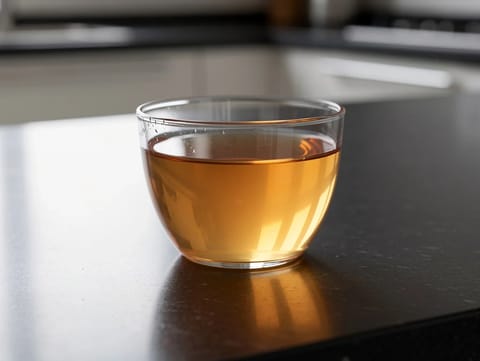
Korean roasted barley tea with a toasty, nutty flavour

Ginger lime tea sweetened with honey
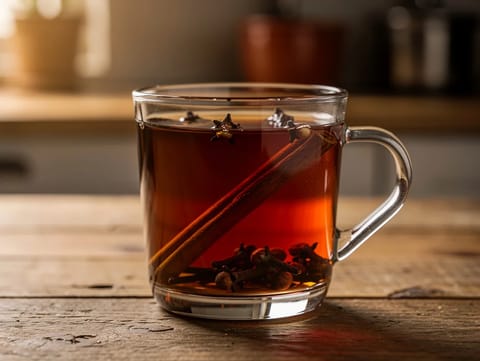
Hot black tea with dark rum and warming spices

Sweet iced tea brewed with black tea, sugar and lemon
Tea has natural bitterness and perfume, so it pairs well with ingredients that either echo those notes or round them off. Citrus brightens black and green teas and keeps sweetened drinks from tasting flat. Ginger, cinnamon, cardamom and clove sit comfortably with stronger teas, especially when milk is involved. Stone fruit, berries and mint often work well in iced tea-style drinks, where freshness matters. If you are serving tea drinks with food, think about intensity: delicate teas can be overwhelmed by very sweet desserts, while spiced or milk-based tea drinks can stand up to richer bakes and chocolate. A small pinch of salt can also make sweet tea drinks taste more defined rather than simply sugary.
Cuisine can be a useful route for tea drinks because regional traditions shape how tea is sweetened, spiced and served, from iced styles to milk-based favourites. Course helps when you are deciding whether a tea drink is acting as a welcome drink, a dessert-style finish, or a non-alcoholic option alongside other beverages.
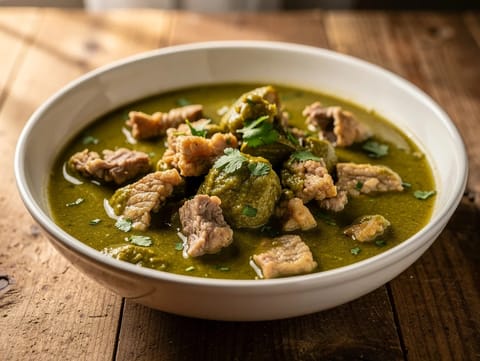
Pork rinds softened in tangy tomatillo and green chilli sauce
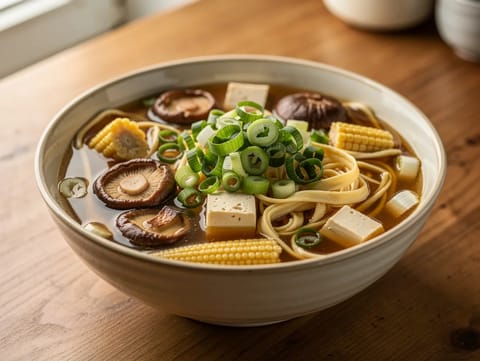
Tangy hot and sour soup with tofu and shiitake
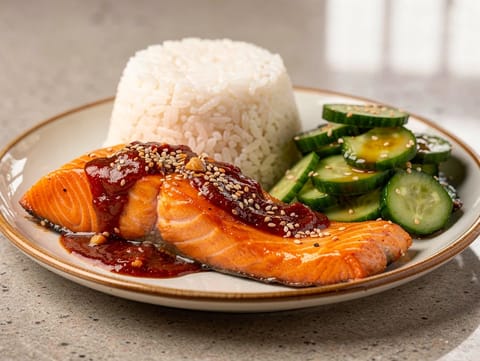
Baked salmon with gochujang, soy, sesame and garlic glaze
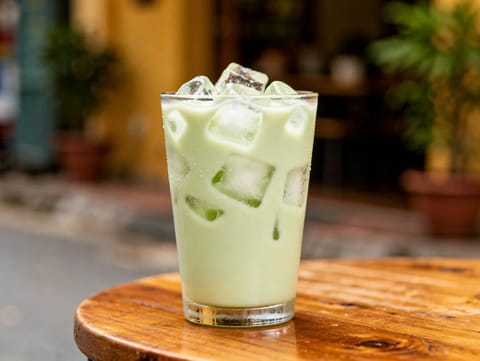
Sweet pandan milk made with syrup and served over ice
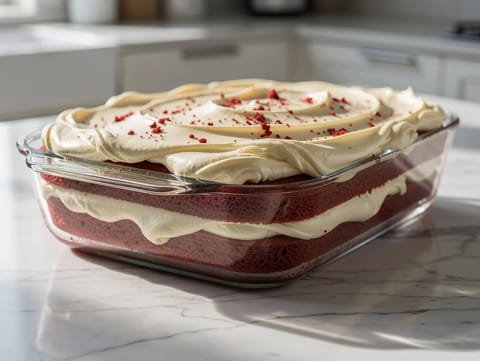
Red velvet cake with tangy cream cheese frosting
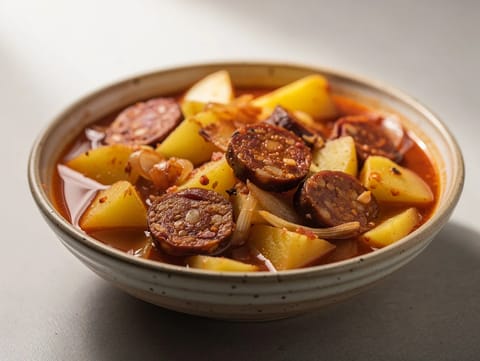
Potato and chorizo stew simmered with sweet paprika
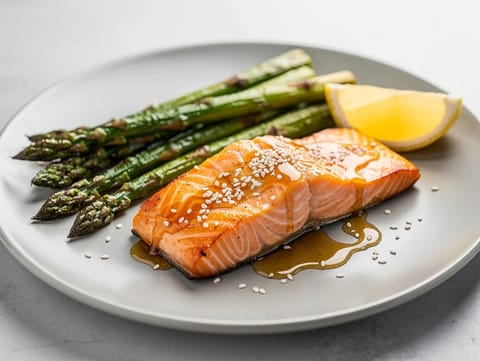
Honey garlic salmon roasted with asparagus
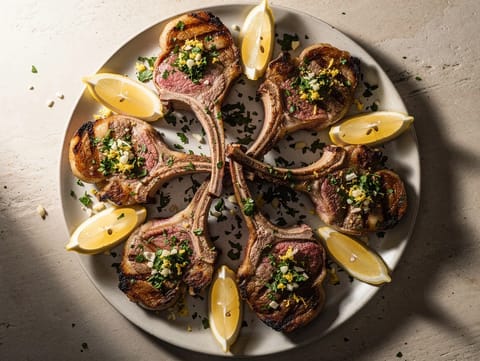
Quick-grilled lamb cutlets topped with parsley and lemon gremolata
No. Many tea drinks are iced or chilled, and some are built specifically to be served over ice, where dilution and sweetness need to be balanced.
Iced tea is often brewed hot then chilled, which can extract more bitterness if brewed too strongly. Cold-brew tea steeps in cold water for longer, typically giving a softer, less astringent result.
Bitterness and astringency can become more noticeable as aroma fades with cooling. Over-brewing or using very hot water for delicate teas can make this effect stronger.
It depends on the tea strength and the dairy choice. Very strong, tannic tea can taste drying with milk, while a balanced brew and enough richness tend to round the edges.
In many home kitchens they do, and recipes may treat them the same way as tea, especially for iced and spiced drinks. The main difference is that herbal infusions vary widely in strength and bitterness.
Choose a base that can be adjusted at the end, such as serving sweetener and citrus separately, or offering milk on the side. That way one brew can suit different preferences.
Start with whether you want hot and aromatic, or cold and refreshing. Then decide on the finish: citrus-bright, gently sweet, or creamy and spiced. Those two choices will narrow the field quickly.
