
Goan Fish Caldine (Mild Coconut Fish Curry)
Silky Goan coconut fish curry with turmeric, lime and coriander

Mild recipes are defined less by what they include than by what they hold back: heat, sharp acidity, bitterness and aggressive aromatics. That makes them useful when you want food that tastes rounded but not forceful, or when you need a base you can season at the table. Mild does not mean bland. It often relies on careful browning, natural sweetness from vegetables, and enough salt and fat to carry flavour without turning up the volume.
A mild flavour profile tends to feel soft-edged and steady. You may still notice spice, herbs or alliums, but they are used for background warmth rather than a clear hit. Mildness often comes from balancing: dairy, coconut milk or starchy ingredients can cushion chilli; slow-cooked onions and carrots can add sweetness that rounds out savoury notes; gentle stocks and broths keep flavours clear rather than intense. It also helps to distinguish mild from plain. Plain can mean deliberately under-seasoned, while mild more often means fully seasoned but without strong peaks of heat, sourness or pungency.
Silky Goan coconut fish curry with turmeric, lime and coriander
Mild, creamy koffie verkeerd made with frothed milk and strong coffee
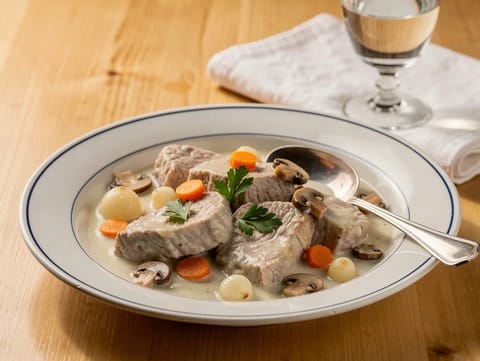
Creamy veal stew with mushrooms, carrots and a velvety sauce
Paneer simmered in a creamy cashew and almond curry sauce, finished with double cream
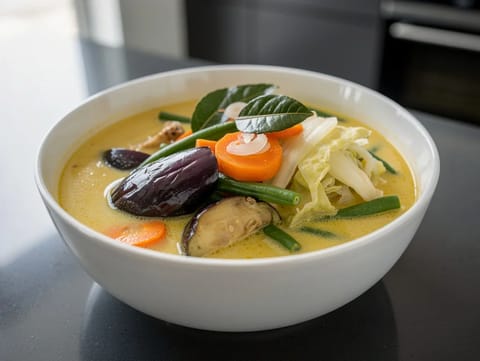
Vegetable coconut milk stew (sayur lodeh)
Buttered white bread filled with prawns in curry mayonnaise and mango chutney
Look at where the flavour is meant to come from. Some mild recipes lean on caramelisation and roasting for depth, which suits dishes where you want a toasty, comforting base without spice. Others stay pale and delicate, using poaching, steaming or quick sautéing to keep flavours clean and gentle. Consider the finishing elements too: a mild soup might be designed for a swirl of yoghurt, a drizzle of herb oil or a squeeze of citrus added to individual bowls, so everyone can adjust. If you are cooking for mixed preferences, choose recipes where heat is added late, such as chilli oil, pepper, mustard or hot sauce served alongside rather than built into the pot.
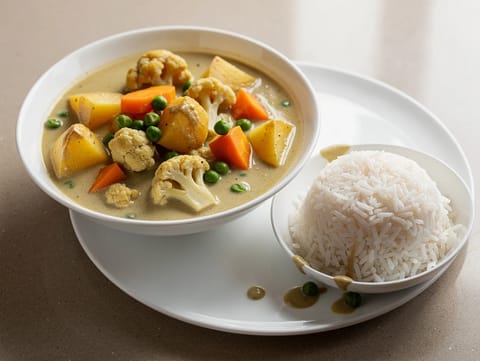
Mild vegetable korma with coconut, yoghurt and almonds
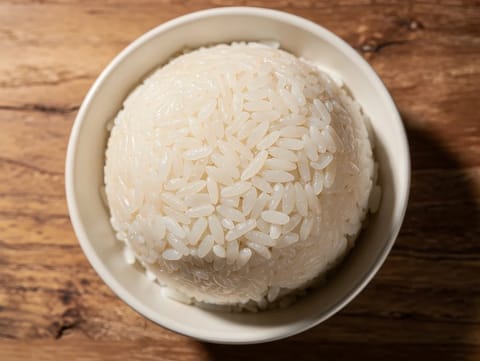
Thai sticky rice steamed from soaked glutinous rice
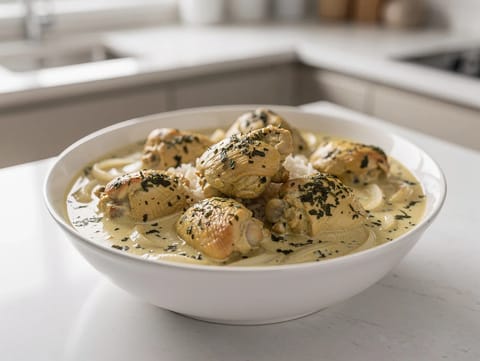
Creamy fenugreek chicken curry with warming spices
Creamy veal stew with mushrooms, carrots and a velvety sauce

Fresh soya milk made by soaking, blending, simmering and straining
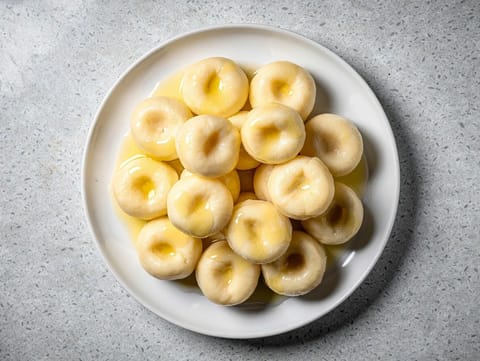
Soft Silesian potato dumplings simmered until tender
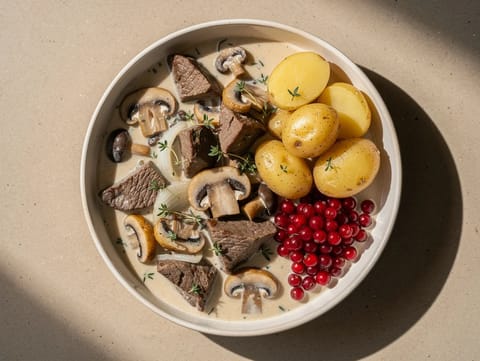
Nordic reindeer stew with cream and mushrooms
Vegetable coconut milk stew (sayur lodeh)

Soft Italian sandwich with prosciutto, mozzarella and mayonnaise
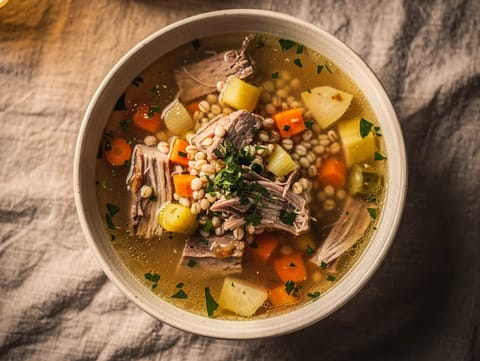
Polish pearl barley soup with pork ribs and vegetables

Tender air fryer biscuits made with buttermilk and butter.
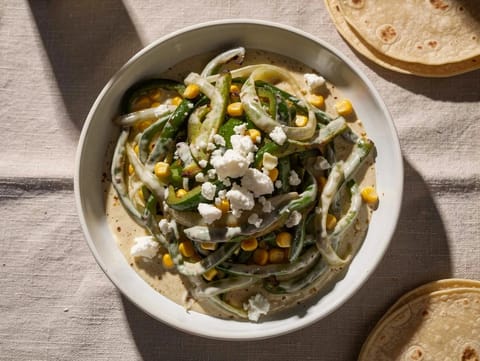
Roasted poblano strips simmered with sweetcorn and cream
Mild profiles pair well with ingredients that add aroma and richness without sharpness. Think butter, cream, yoghurt and mild cheeses; nuts and seeds for gentle toastiness; sweet vegetables such as squash, sweetcorn or peppers; and herbs with soft perfume such as parsley, chives or dill. If you want brightness without a sour jolt, try lemon zest rather than a lot of juice, or use a small amount of vinegar in a dressing that also contains oil and a touch of sweetness. For warmth without heat, spices like cumin, coriander and paprika can read as rounded when used lightly and cooked briefly in fat.
If you want mild food with more character, browsing by Ingredient is often the quickest way to choose a gentle flavour-builder such as dairy, sweet vegetables or nuts. Dish type is also useful when you know the format you want, for example a soup, bake or salad, and then you can keep the seasoning restrained within that style.
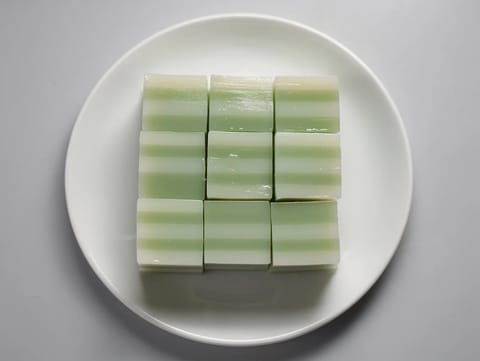
Steamed Thai layered coconut dessert scented with pandan
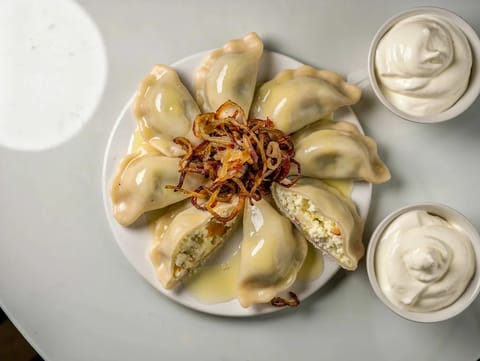
Polish dumplings filled with potato, cheese and onion
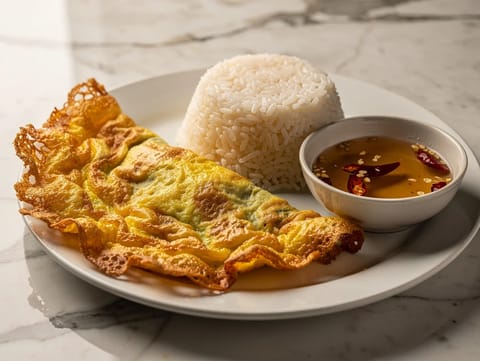
Fluffy Thai omelette with fish sauce, served with jasmine rice
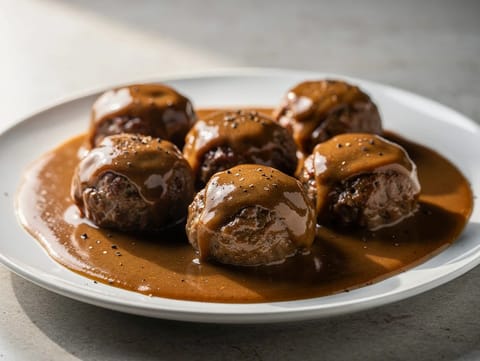
Minced beef meatballs with simple mustard pan gravy
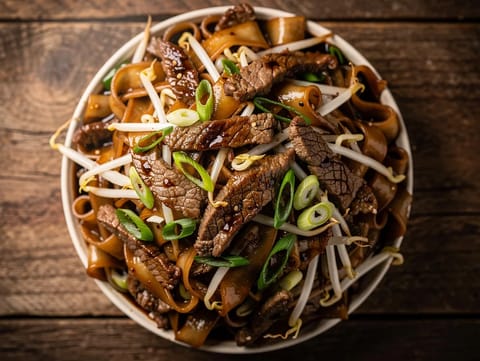
Cantonese beef stir-fried rice noodles with beansprouts
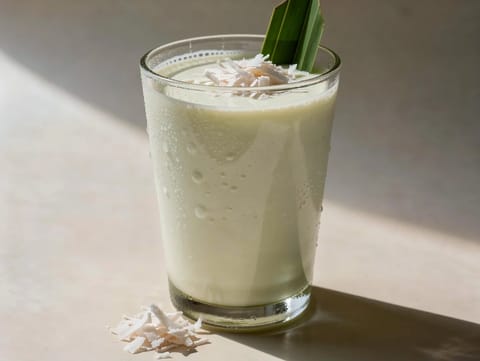
A creamy coconut milk and pandan smoothie with banana.

Crumbly Spanish lard biscuits with cinnamon, lemon and icing sugar

Red velvet cake layered with cream cheese frosting
Not necessarily. Mild recipes may use spices for aroma and warmth, but they usually avoid a strong chilli burn or sharp, peppery bite.
Mild food still needs structure: enough salt, some sweetness from cooked vegetables, and a little fat to carry aroma. Browning and gentle simmering can add depth without adding heat.
It can overlap, but “mild” describes flavour intensity rather than who it is for. Some mild dishes are quite grown-up, just not hot or sharp.
Check whether heat is built into the base (fresh chillies, chilli flakes, hot curry pastes) or offered as a garnish. Recipes that add heat at the end are easier to keep mild.
Yes. Serve punchy extras separately, such as chilli oil, pickles, mustard, grated hard cheese or a sharp salsa, so the main dish stays gentle.
Mild recipes are at their best when they are properly seasoned and thoughtfully cooked, then left open to personal finishing touches. Choose the style you want first, then decide how much brightness, spice or crunch to add at the table.
