A long-simmering dinner can fit comfortably around an afternoon at home, while a ten-minute lunch may need your attention throughout. The useful question is where the work falls between starting and serving. Reading the active time alongside the total time helps you choose a meal that fits the attention you have, as well as the time on the clock.
A quick dish can keep you busy
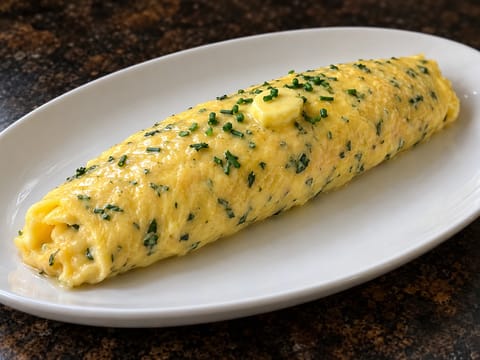
Our French herb omelette lists 10 minutes of active work and 10 minutes in total. You chop the herbs and whisk the eggs, then stay with the pan as the butter melts and the eggs begin to set. Stirring, shaping and serving follow closely: this is a short meal to make, but it keeps you occupied.
Get the spatula and plate ready before pouring in the eggs, and read how the omelette is shaped before you heat the pan. Once cooking begins, there is little room for another job. The brief cooking time works best when the preparation is already within reach.
Some waiting still belongs to the pan
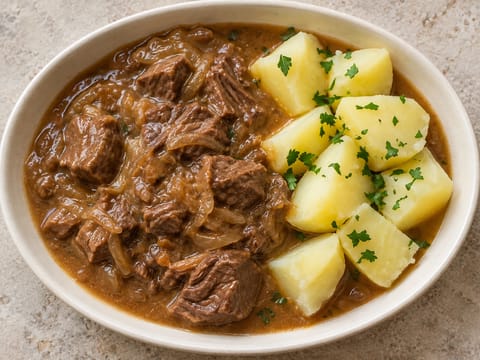
The work is spread differently in our recipe for kalops, a Swedish beef stew, which lists 25 minutes of active work within a 150-minute total. Browning the beef and starting the gravy need your attention first. Then the covered pot simmers gently, with occasional stirring, while the meat becomes tender.
That long simmer is not one uninterrupted break. You still return to check the pot, and the recipe brings you back to peel and cook the serving potatoes near the end. Read for those later jobs as well as the preparation at the beginning; the gap between active and total time may be divided into several pauses.
Chilling gives you a different kind of pause
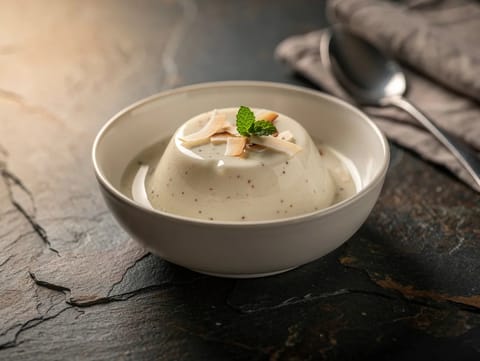
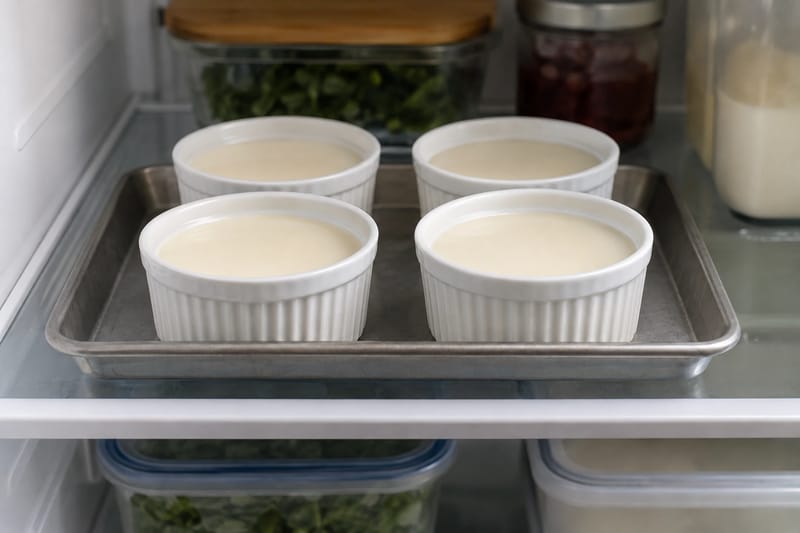
For a pause away from the hob, try vegan coconut panna cotta. It lists 10 minutes of active work and 140 minutes in total. The saucepan stage needs whisking and attention; once the mixture is in its moulds, setting and chilling account for most of the remaining time. That makes it a useful dessert to prepare before turning to the main meal.
Allow the full setting time even if the active work feels very short. The dessert is only finished when its texture is ready. Making it earlier also frees the hob and gives you one less thing to handle close to serving.
Work backwards from the moment you want to eat
Put the dish that needs serving freshly finished at the centre of the plan. Have the plate and any accompaniment ready before cooking an omelette. For the stew, start well ahead and leave time for the potatoes near the end; for a chilled dessert, do the saucepan work first and let it set while you cook dinner.
Then look for preparation that the ingredient list already assumes: chopped vegetables, hot stock or something thawed. Give yourself extra room for unfamiliar knife work or a larger batch, and follow the recipe’s texture and doneness checks even if the displayed time has passed. A useful schedule leaves room to finish the food properly.