
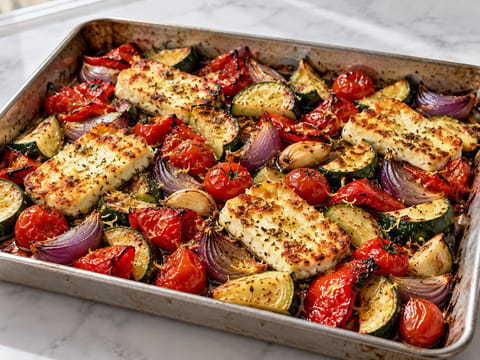
Halloumi and Roasted Vegetable Traybake
Halloumi traybake with roasted courgette, pepper and tomatoes
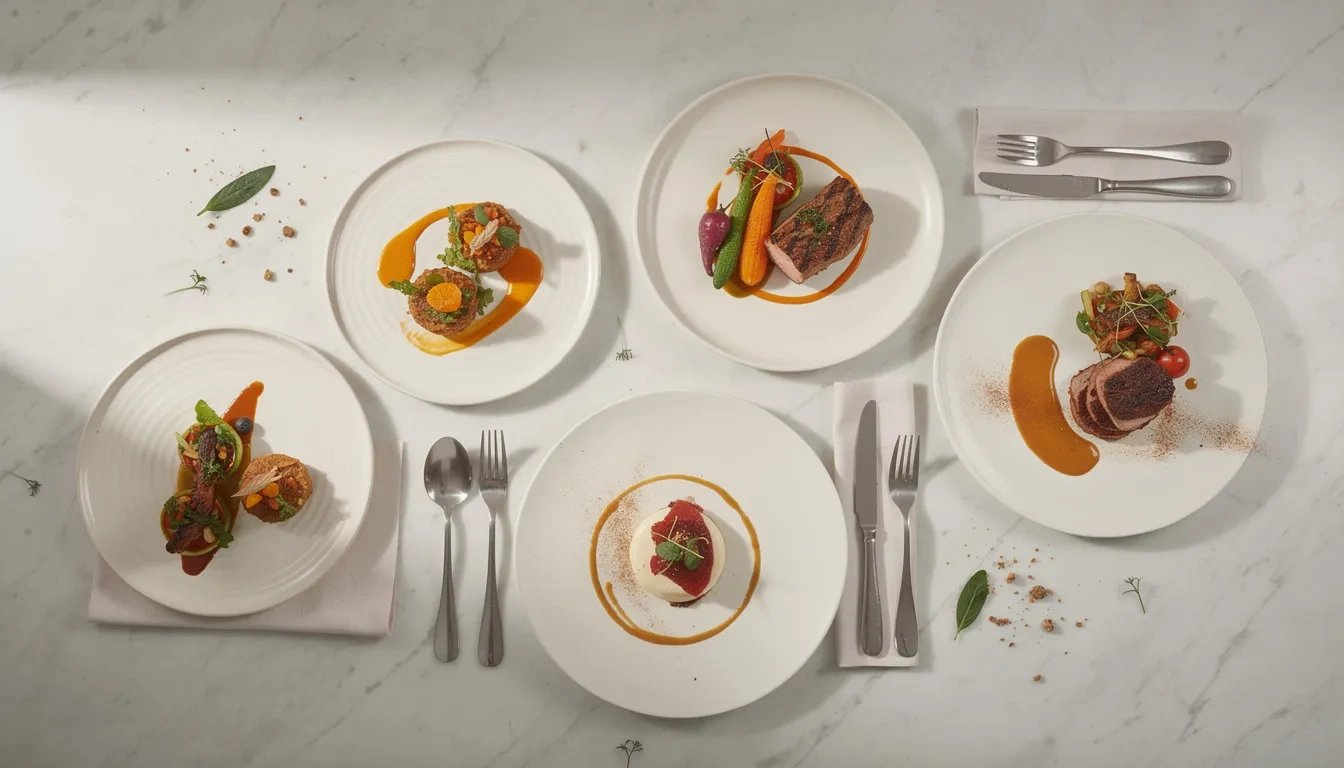
Dinner is less a single style of food than a moment when you want the meal to feel complete. That usually means a clear centre, something that brings freshness, and a texture contrast that keeps each bite interesting. Whether you’re cooking one-pan food, building a table of shared dishes, or serving a more structured meal, the most helpful question is the same: what does this dinner need alongside it to feel balanced and manageable to serve?
Dinner recipes can be built as a single self-contained dish, such as a stew, curry, pasta bake or tray roast, where the starch, sauce and protein are already integrated. Others are designed as a main plus sides: a piece of fish or meat with vegetables, grains, salads or breads alongside.
You’ll also find dinners that are assembled rather than cooked from scratch, such as bowls and platters where the work is in chopping, dressing and arranging. These can be especially useful when you want freshness and variety without multiple pans.
Across all of these, the practical differences are about timing and serving: whether components can be held warm, whether anything needs last-minute frying or tossing, and how easily the meal scales up or down.
Halloumi traybake with roasted courgette, pepper and tomatoes
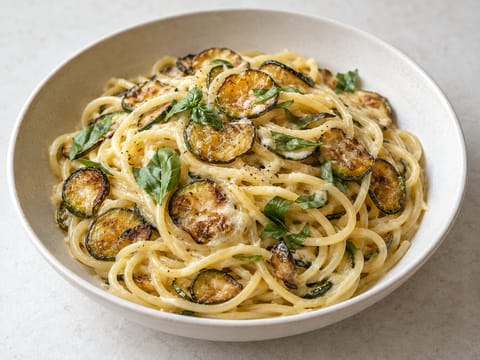
Spaghetti with fried courgettes and melted provolone sauce
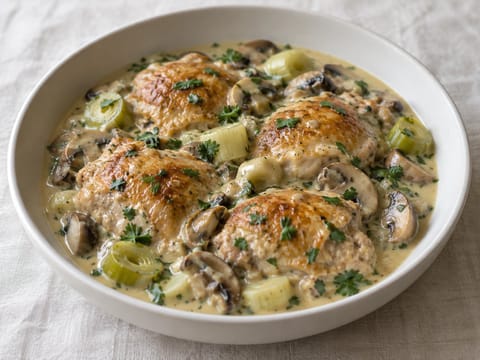
Chicken fricassée with mushrooms in a white wine cream sauce
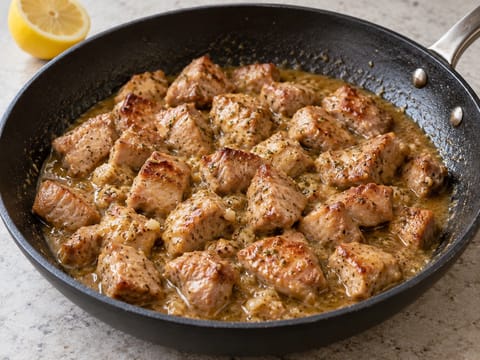
Pan-fried pork with lemon and mustard sauce
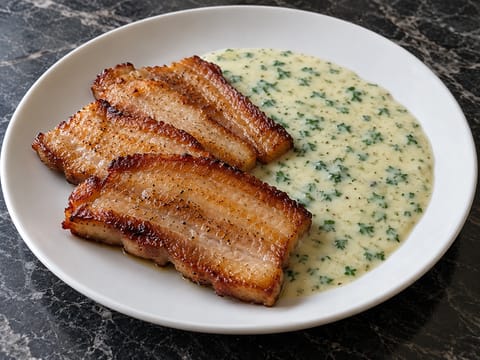
Crispy pork belly with warm parsley sauce
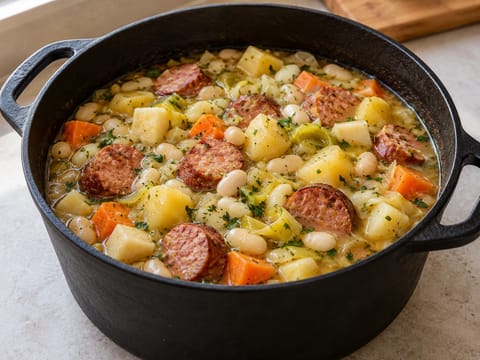
German one-pot stew with smoked sausage, beans and potatoes
If you want a dinner that feels complete on its own, look for recipes that include a built-in starch and a sauce or dressing, so you’re not scrambling for “something on the side”. If you already have bread, rice or potatoes planned, a simpler main with a strong sauce can be enough.
For a lighter-feeling dinner, prioritise dishes with a high proportion of vegetables, brothy sauces, or bright dressings. For a more substantial dinner, choose recipes that lean on slow-cooked textures, baked pasta, legumes, or roasted roots.
When you’re short on time, the most reliable approach is to pick one cooked element and one no-cook element. A hot main with a crisp salad, or a quick stir-fry with sliced fruit, often lands better than two rushed cooked dishes.
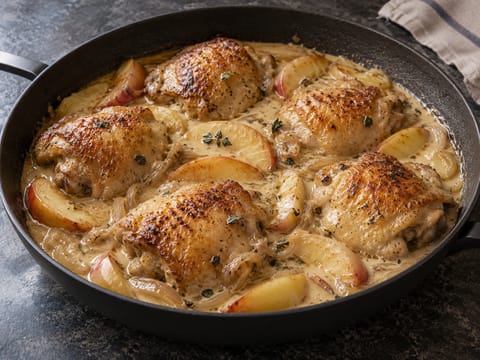
Chicken with Calvados, apples and double cream sauce
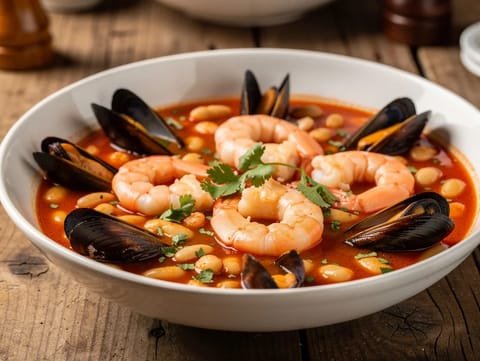
Seafood and white bean stew in a tomato and wine broth
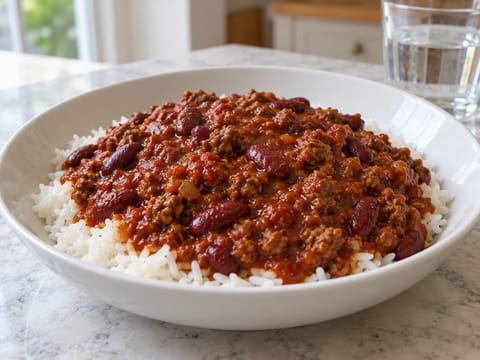
Spiced minced beef and kidney bean chilli served with rice
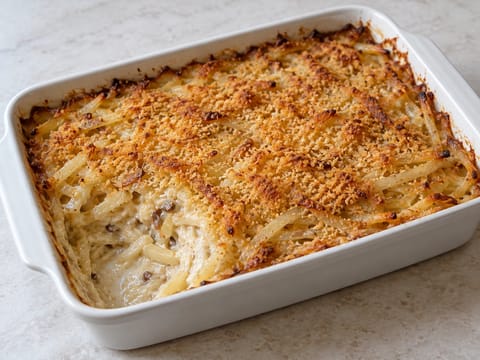
Swedish potato gratin with anchovies, onion and double cream
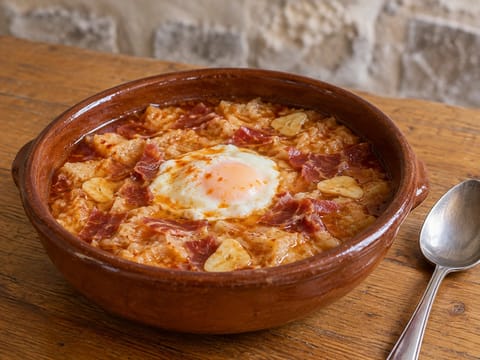
Garlic and bread soup with poached eggs and serrano ham
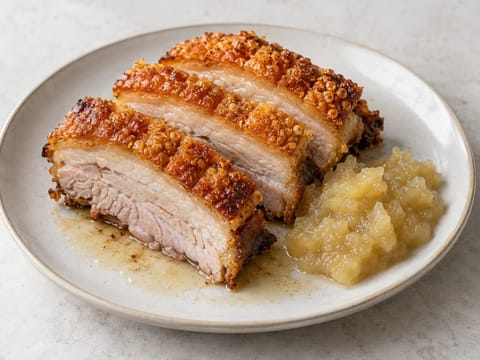
Slow-roasted pork belly with crackling and apple sauce
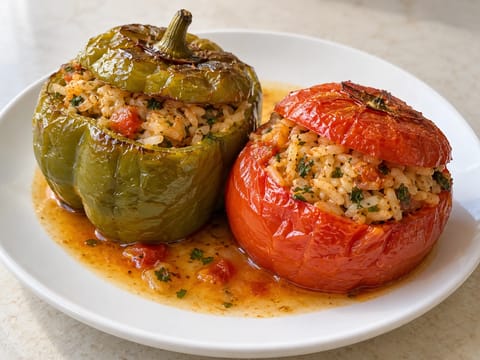
Peppers and tomatoes stuffed with herby rice and baked
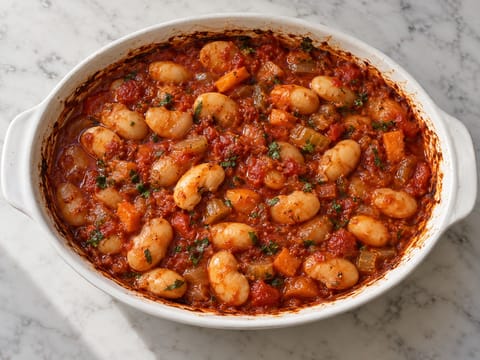
Greek baked giant beans in tomato and olive oil sauce
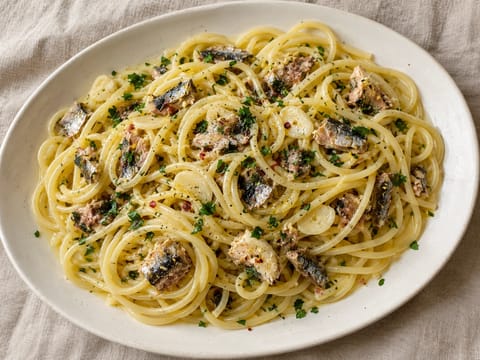
Smoked sardine pasta with lemon, garlic and parsley
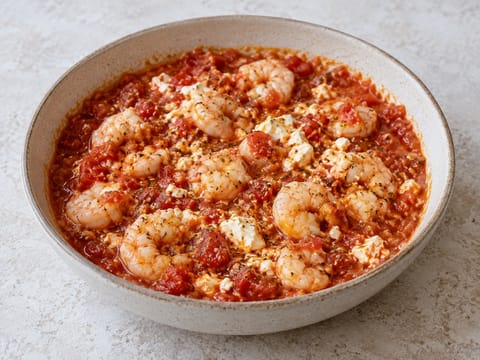
Greek prawns in tomato sauce topped with softened feta
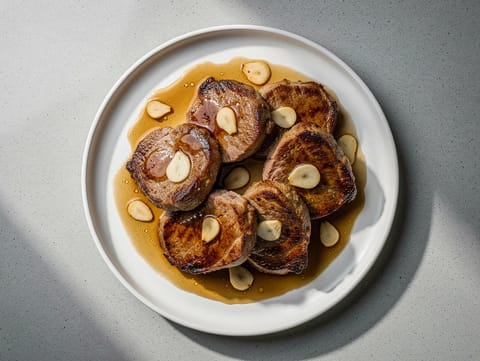
Pan-seared pork tenderloin with garlic whisky sauce
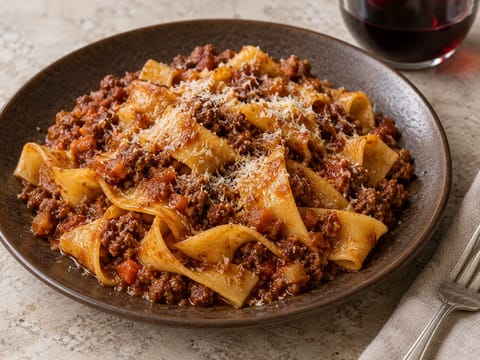
Pappardelle with slow-simmered wild boar ragù and pecorino
Start with the centre: a main dish with a clear flavour direction. Then add contrast in two ways. First, texture: pair soft foods (stews, creamy pastas, braises) with something crisp (salad, slaw, toasted crumbs, roasted vegetables with browned edges). Second, flavour: if the main is rich and savoury, add acidity through citrus, vinegar, tomatoes or pickles; if the main is sharp and spicy, add something cooling such as yoghurt, coconut, cucumber or herbs.
Think about colour and temperature too. A warm, brown roast benefits from a green side. A hot, saucy dish is easier to serve if the side is room temperature.
If you’re cooking for a household, build in optional extras at the table. A bowl of herbs, a chilli sauce, or grated cheese lets everyone adjust without changing the core meal.
Dish type is useful when you know the shape of dinner you want, such as a stew, pasta, tray bake or salad-led meal. Cuisine can help when you want the whole table to share a flavour language, especially if you’re adding sides or starters.
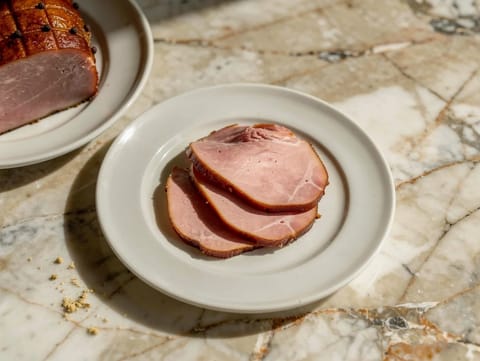
Baked ham finished with a brown sugar and Dijon glaze
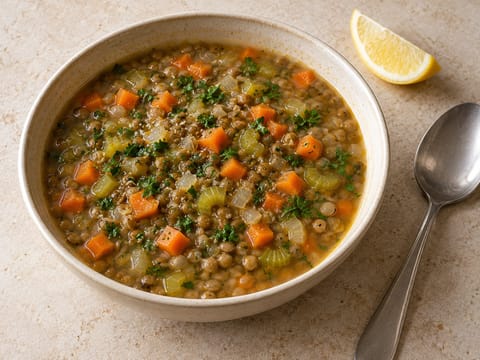
Green lentil soup with vegetables, bay leaf and lemon
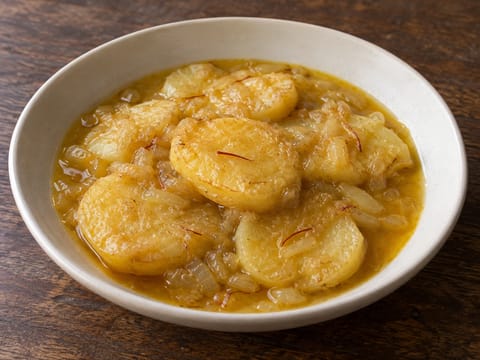
Egg-coated fried potatoes simmered in saffron stock
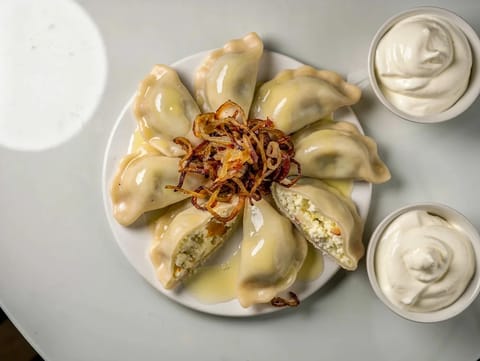
Polish dumplings filled with potato, cheese and onion
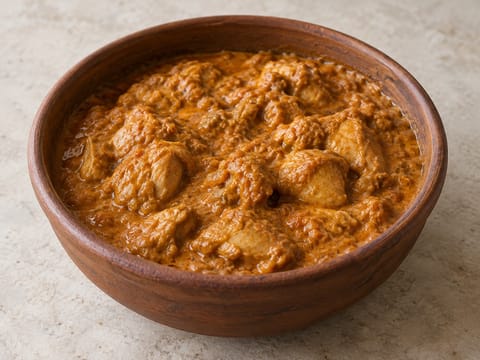
Slow-cooked chicken curry with yoghurt, tomatoes and cream
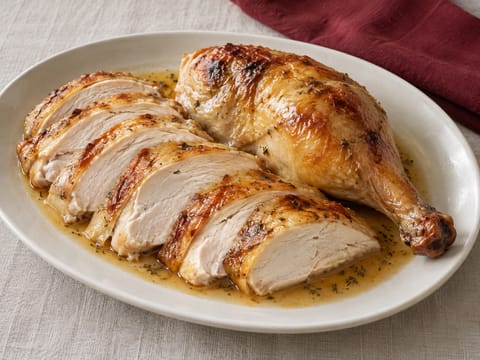
Roast capon with butter, garlic and thyme pan juices
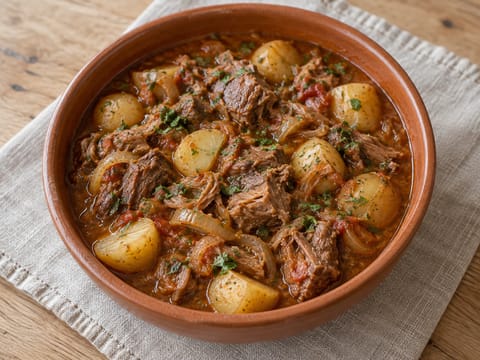
Portuguese lamb stew with potatoes, tomato and paprika

Fried pastry parcels with spiced potato and peas
Dinner is the main meal of the day for many people, but the defining feature here is its role: a meal that feels complete, whether it’s a single dish or a main with sides.
Pair one cooked main with one fresh, no-cook side. A simple salad, sliced vegetables with a dressing, or fruit can provide contrast and make the meal feel finished.
Choose sides that either soak up sauce (rice, bread, potatoes) or cut through it (salads, pickles, bitter greens). Avoid adding another very saucy dish unless you want a deliberately stew-like table.
Look for mains that hold well and can be served family-style, such as bakes, stews and tray roasts. Add sides that can be made in larger bowls, like salads, grains or roasted vegetables.
Richness can come from repeated textures and flavours, not just quantity. If everything is soft and creamy, or everything is salty and brown, the meal can feel weighty. Adding acidity and crunch often changes that quickly.
Choose a main that suits your evening, then add one fresh element and one contrasting texture. When the menu has a clear centre and a simple supporting cast, dinner becomes easier to cook and easier to enjoy.
