
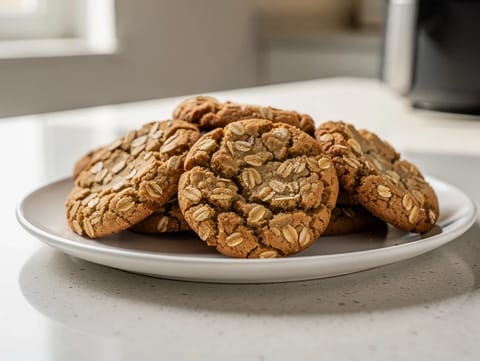
Air Fryer Oatmeal Cookies
Air fryer oatmeal cookies with a chewy centre and crisp edges.
Easy recipes are defined less by what you cook and more by how you cook it. They typically use familiar techniques, clear steps, and forgiving timings, so you can focus on flavour and getting food on the table without constant monitoring. You might still chop, stir, bake or simmer, but the method usually avoids tight temperature control, delicate textures, or multiple components that must land at the same moment. If you want cooking that fits around real life, this is a sensible place to start.
In easy recipes, the workflow is usually linear: prep, cook, finish. You are less likely to be asked to whisk while pouring, judge a sugar stage, or rescue a split sauce. Many easy dishes rely on steady heat and clear visual cues, such as vegetables turning tender, pasta reaching the right bite, or a bake setting in the centre. Seasoning is often added in stages, but you are not typically balancing several reductions or finishing sauces at the last second. The result is cooking that tolerates small delays, which matters when you are interrupted mid-recipe.
Air fryer oatmeal cookies with a chewy centre and crisp edges.
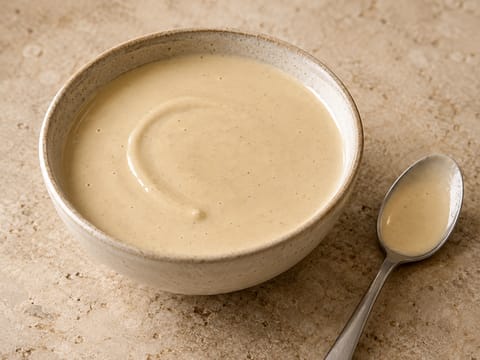
Smooth tahini sauce with lemon, garlic and water
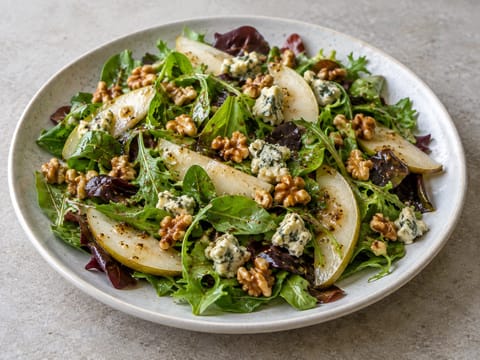
Salad with Stilton, pear and toasted walnuts
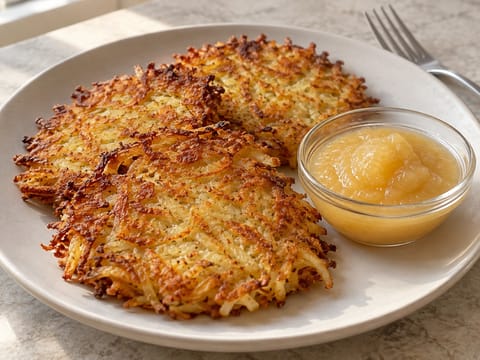
Crisp German potato pancakes with onion, egg and flour
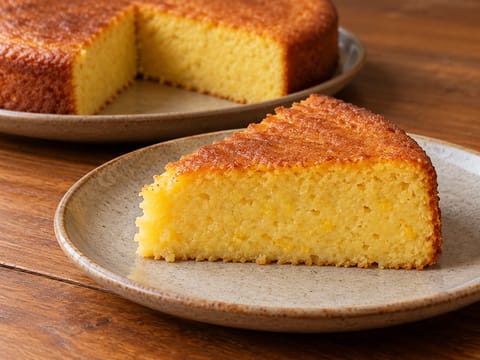
Mexican corn cake made with sweetcorn
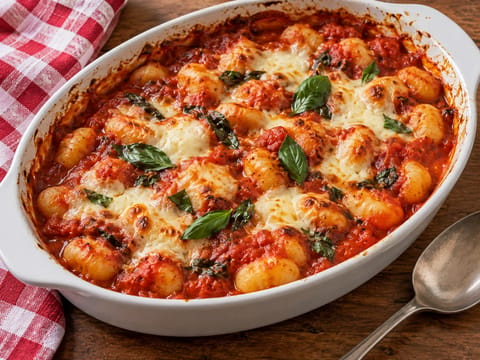
One-pan gnocchi baked in tomato sauce with mozzarella
Easy does not always mean fast. A traybake, stew or slow-roasted dish can be very simple yet take time in the oven. It also does not guarantee minimal washing-up, because some straightforward recipes still use a couple of pans or mixing bowls. And while easy recipes often suit newer cooks, they can still include important basics, such as browning properly, salting pasta water, or letting a batter rest. Think of “easy” as low complexity and low risk, rather than no effort at all.
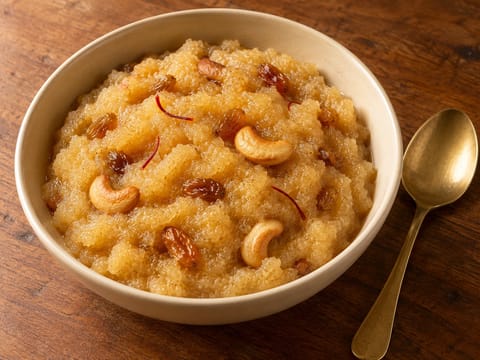
Toasted semolina pudding cooked with ghee, cardamom and sugar syrup
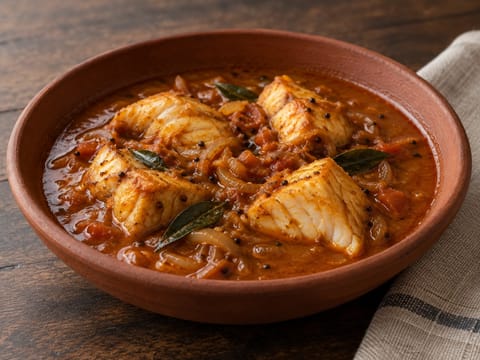
Kerala-style fish curry in a tamarind and tomato gravy
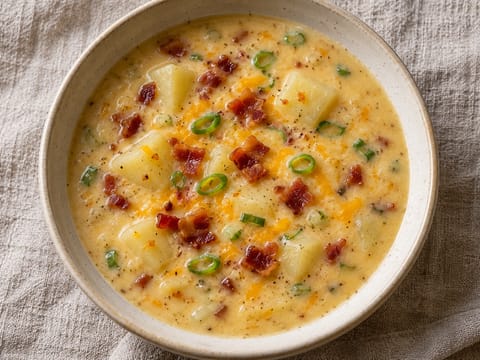
Creamy potato soup topped with bacon, cheddar and spring onions
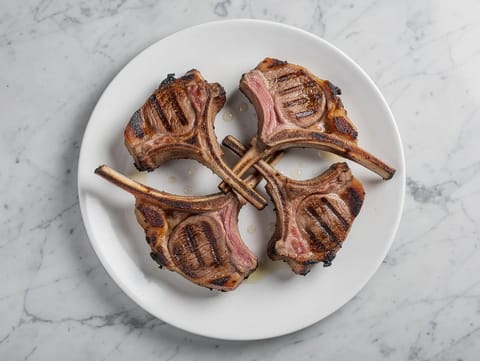
Grilled lamb cutlets with rosemary, garlic and lemon
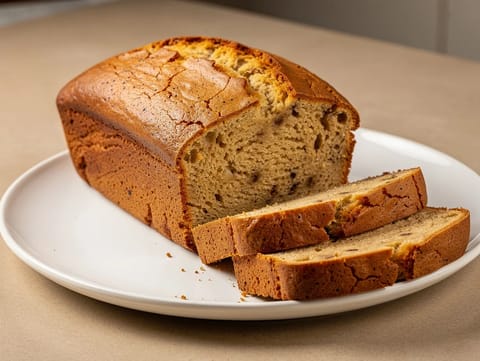
Moist banana bread loaf with vanilla
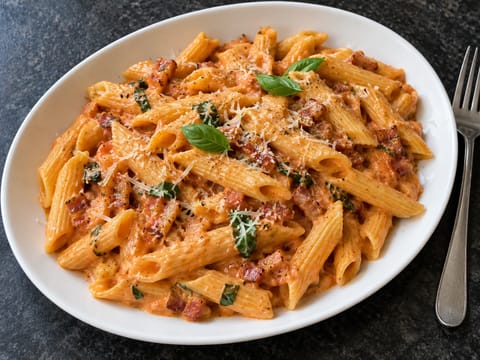
Penne with pancetta in a tomato, vodka and cream sauce
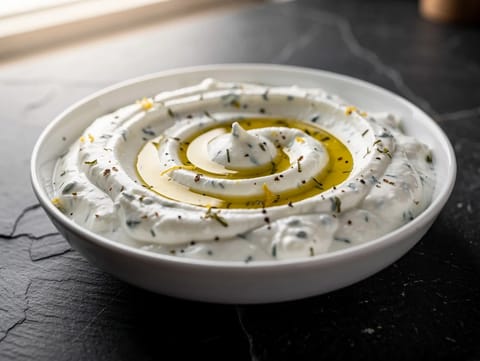
Thick Turkish yoghurt dip with garlic, mint and olive oil
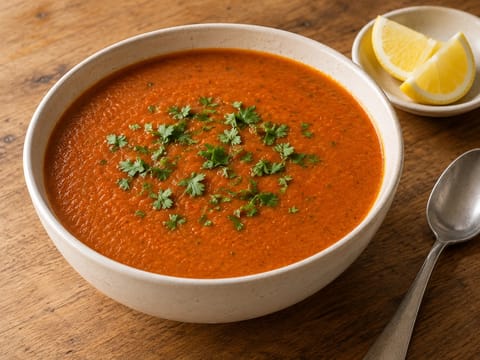
Smooth tomato and chickpea soup with Moroccan spices
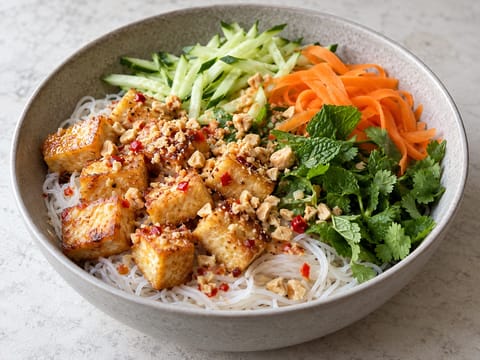
Crisp tofu vermicelli bowl with herbs, peanuts and lime dressing
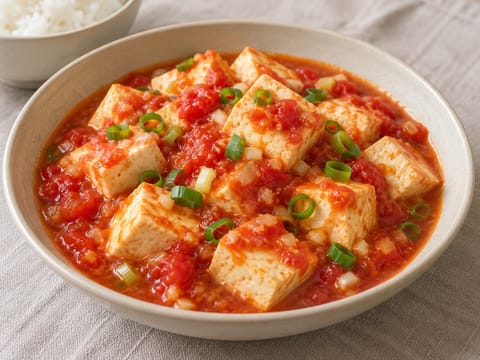
Tofu simmered in a light tomato sauce with garlic
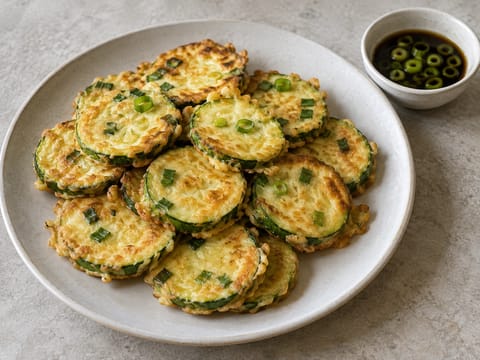
Korean courgette pancakes coated in egg and pan-fried
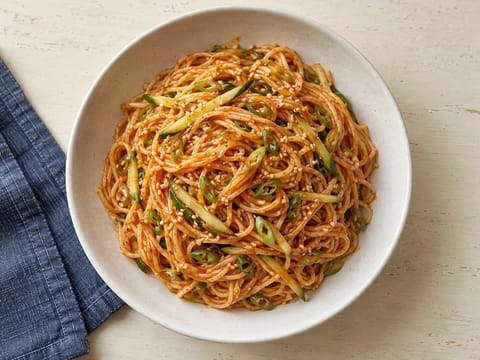
Chilled noodles tossed with cucumber in a gochujang dressing
For the least decision-making, look for one-pan or one-tray methods where ingredients cook together and the oven does the steady work. If you want predictable results, choose recipes with clear doneness cues, such as a bake that firms up, or a simmer that continues until ingredients are tender. If you are cooking for mixed confidence levels, pick dishes where components can be served separately, such as a simple protein with a vegetable side, so timing is less exact. When you want a gentler introduction to a new cuisine or ingredient, easy recipes are often a good entry point because the technique stays familiar while flavours change.
Use the prep time to set yourself up: read the ingredient list, pull out the pan sizes you need, and start heating the oven or water early so you are not waiting later. Keep seasoning simple but deliberate. Add salt in small steps and taste where you can, especially with sauces, dressings and soups. If a recipe includes browning, give the pan time to get properly hot and avoid crowding, because pale, steamy cooking is a common reason “easy” food tastes flat. Finally, do not skip resting time for baked or roasted dishes; it often helps juices settle and textures firm up.
If you want easy and quick, Cooking time helps separate simple recipes that are genuinely speedy from those that are hands-off but longer. Cooking method is useful when you know what feels manageable, such as traybaking, simmering, or no-cook assembly.
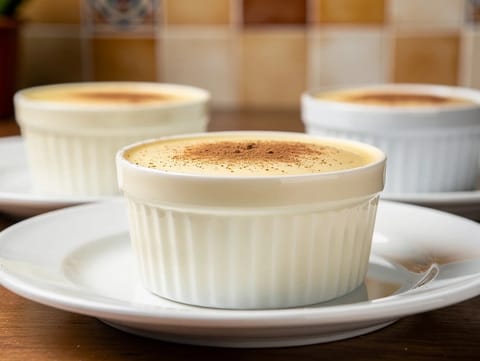
Spanish vanilla custard chilled until set and served cold
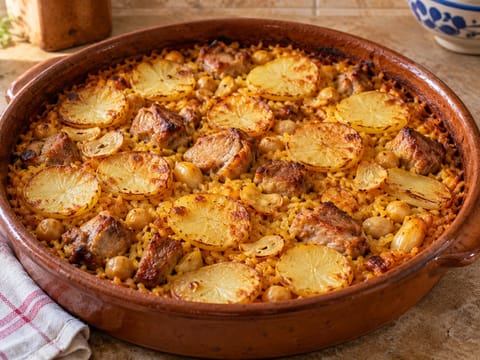
Valencian oven-baked rice with pork, chickpeas and potato
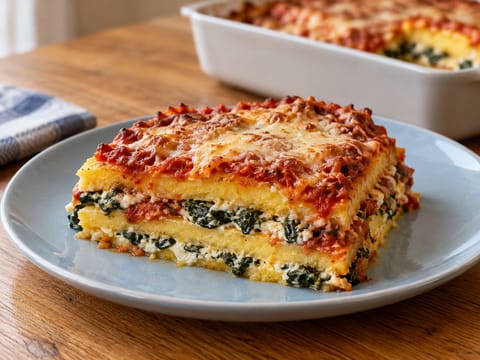
Polenta lasagne with spinach, ricotta and tomato sauce
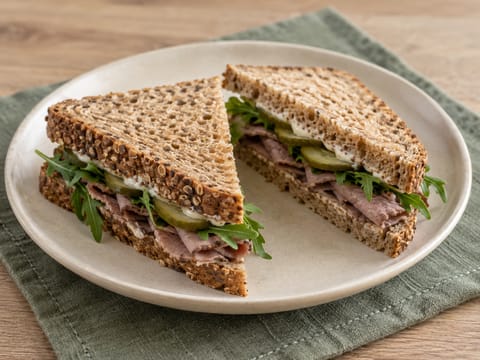
Roast beef sandwich with horseradish mayonnaise and gherkins
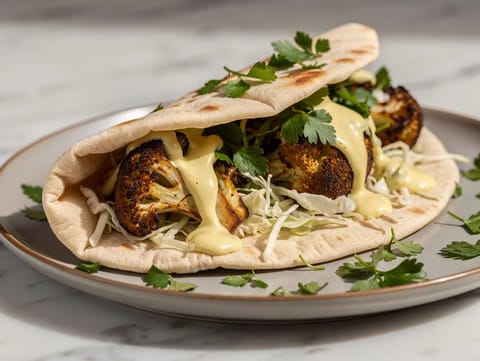
Cauliflower shawarma in pita with cabbage and lemon tahini sauce
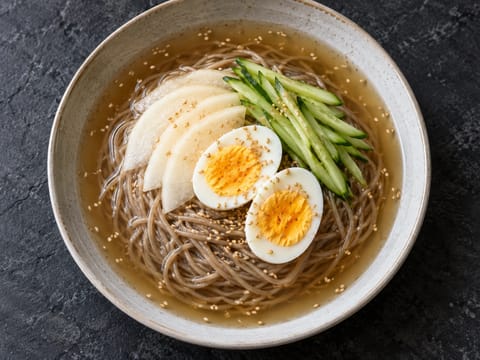
Cold buckwheat noodles served in tangy chilled beef broth
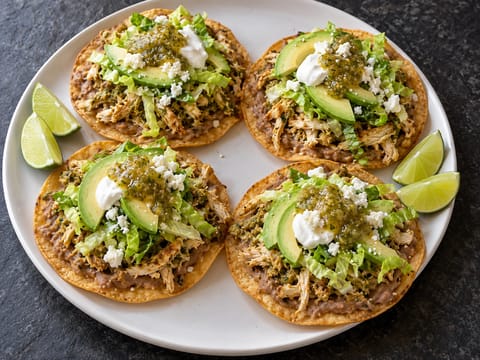
Crisp tostadas topped with spiced chicken, beans and pico de gallo
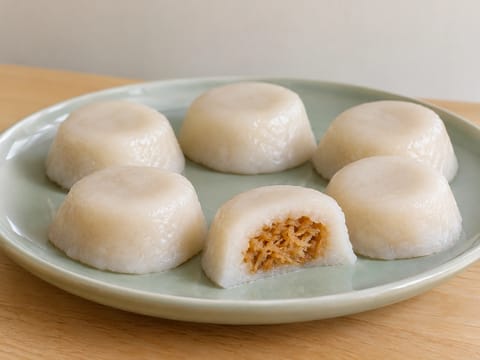
Steamed rice flour dumplings with a sweet coconut filling
Often, yes, because the steps are usually familiar and forgiving. Still, it helps to read the method first and look up any technique you have not done before, such as folding, roasting, or making a simple sauce.
It can. Many dishes rely on good ingredients and straightforward cooking, where the key is not complexity but getting the basics right, such as proper browning, balanced seasoning, or careful baking.
Because difficulty and time are different. A dish can be simple to assemble yet need slow cooking, baking, chilling or resting to reach the right texture.
Under-seasoning and under-browning. When the method is simple, flavour often depends on salting in stages and allowing enough heat for caramelisation.
Not always. Some are short lists; others use several everyday ingredients but keep the method uncomplicated. Ingredient count alone is not a reliable guide to difficulty.
They can, but it depends on the method. If you want to limit cookware, look for recipes that cook in a single pot, pan or tray, or that rely on simple mixing rather than multiple bowls.
Easy cooking works best when you choose recipes with a calm workflow and clear cues, then give the basics, heat, salt and timing, a little attention. From there, you can branch out by method or by how much time you have.
