
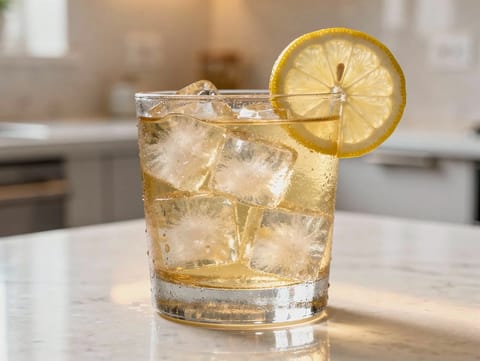
Bourbon Lemonade Cocktail
Bourbon lemonade with fresh lemon juice and simple syrup

Cocktails are mixed drinks built for balance: sweetness against acidity, bitterness against fruit, spirit warmth against dilution. Once you recognise a few classic structures, it becomes easier to choose something that suits the moment and the glass in your hand. Some cocktails are short and intense, others are lengthened with soda or juice; some are silky and shaken, others are clear and stirred. The details matter because they change not just flavour, but temperature, texture and how quickly the drink evolves as the ice melts.
A cocktail is typically a composed drink where the ingredients are measured and combined to create a specific balance, rather than simply topping up a spirit with a mixer. That can be as minimal as spirit, sugar and bitters, or as elaborate as layered flavours from liqueurs, syrups, herbs and citrus. The term does not automatically mean strong, sweet, or served “up” in a stemmed glass. Many cocktails are served over ice, and many are deliberately low in alcohol compared with spirit-forward classics. What does tend to define the category is intention: the recipe accounts for dilution from ice, the sharpness of citrus, and the way aroma from a garnish changes what you taste first.
Bourbon lemonade with fresh lemon juice and simple syrup
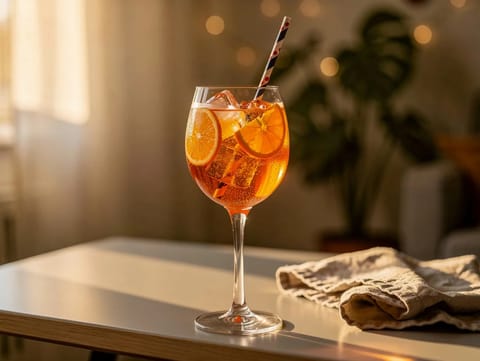
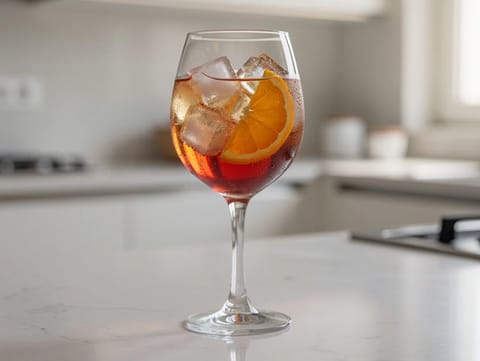
Aperol, prosecco and soda water cocktail over ice
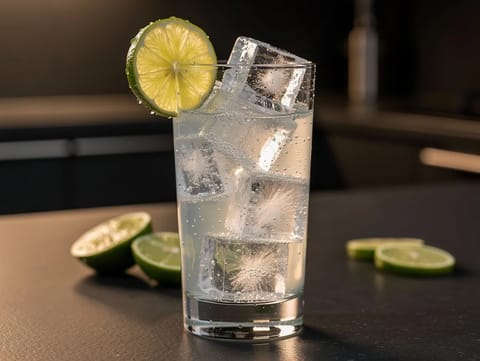
Gin and tonic with lime served over ice
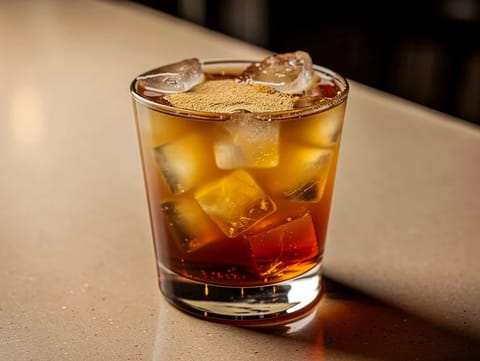
Caribbean rum punch with lime, pineapple and orange juices
Spanish mixed wine drink served chilled over ice
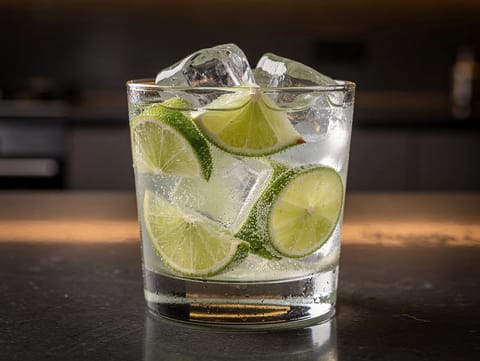
Caipirinha with muddled lime, caster sugar, cachaça and ice
If you like clean, spirit-led flavours, look for stirred cocktails where the goal is chill and dilution without froth. If you prefer brighter, more aromatic drinks, shaken cocktails with citrus tend to taste livelier and feel lighter on the palate because of tiny air bubbles. For something long and easy to sip, choose highball-style drinks topped with soda or another sparkling mixer; they stay refreshing but can lose definition if the ice melts quickly. Sweetness is another useful guide: some cocktails lean on liqueurs or syrups, while others rely on fruit and a drier finish from bitters or fortified wine. Finally, consider garnish and glassware as clues: a peel-forward drink will smell of citrus oils; a salt or sugar rim signals a deliberate contrast at the first sip.
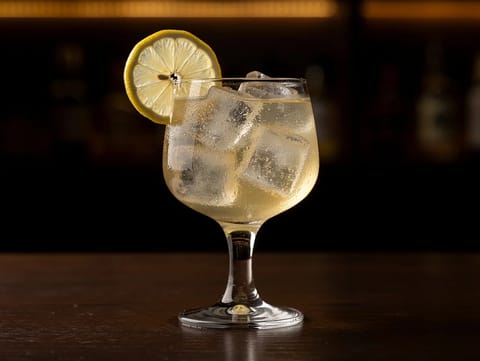
White port and tonic served over ice with lemon
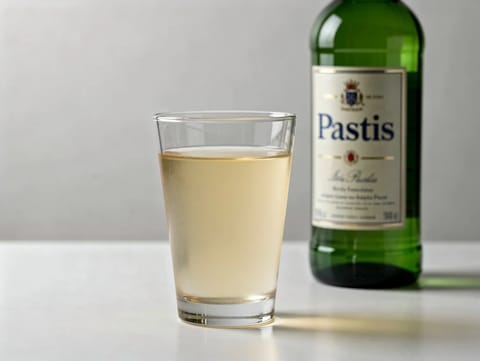
French pastis diluted with cold water until cloudy
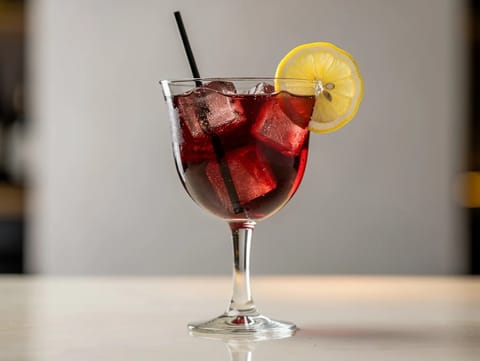
Red wine spritzer with lemonade, lemon and ice
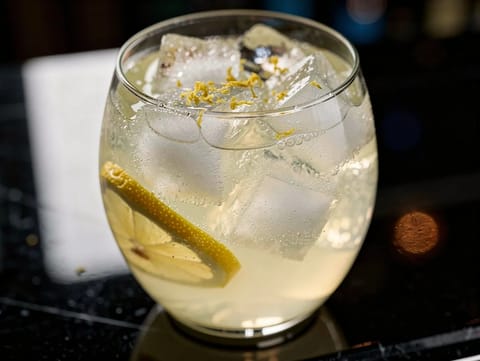
Ouzo spritz with lemon, syrup, sparkling water and ice
Gin and tonic with lime served over ice
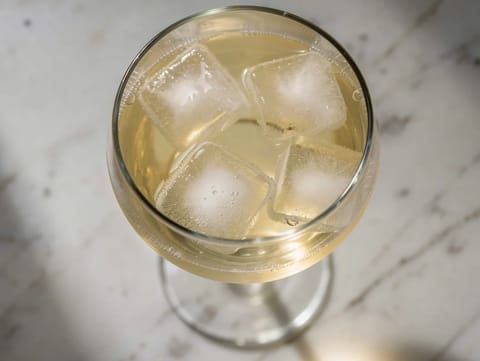
White wine mixed with sparkling water and served chilled
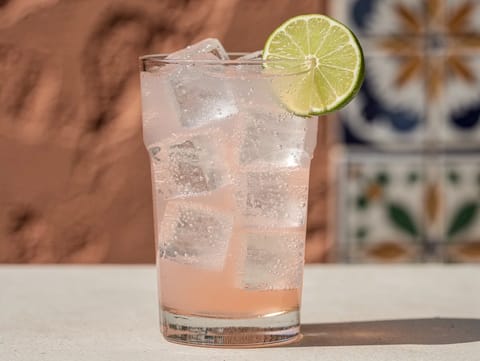
Tequila and grapefruit cocktail topped with soda water
Caribbean rum punch with lime, pineapple and orange juices
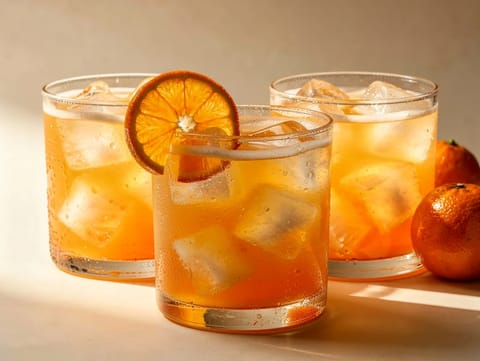
Valencian citrus cocktail with sparkling wine served over ice
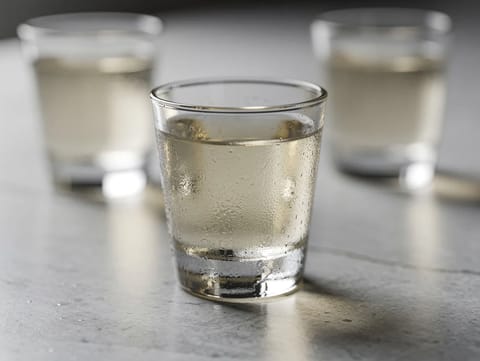
Spiced vodka infused with caraway, dill seed, fennel and lemon
Spanish mixed wine drink served chilled over ice
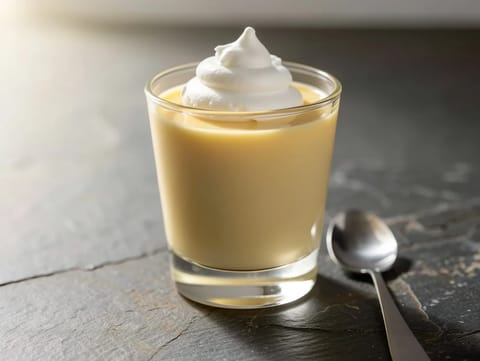
Thick egg-yolk custard liqueur blended with brandy
Many cocktails are variations on a small set of templates. The sour family balances spirit, citrus and sweetener, and can be adapted with different spirits, fruit, or egg white for a soft foam. The old-fashioned style is spirit, sugar and bitters, often with citrus oils, and it highlights the base spirit more than any mixer. Martinis and similar stirred drinks use spirit plus a fortified wine or aromatised component, with the ratio shaping dryness and intensity. Spritz-style cocktails combine a bitter or aromatic base with sparkling wine and soda, built for lightness and perfume. Tiki and tropical drinks often layer multiple rums with citrus and spice, where crushed ice and garnish are part of the experience as much as the recipe.
Cocktails with pronounced bitterness, citrus or bubbles can cut through rich, fried or creamy foods, much as a squeeze of lemon does at the table. Spirit-forward, stirred drinks tend to sit best alongside salty, savoury snacks where you want the drink to feel like an aperitif rather than a palate cleanser. Sweet, dessert-leaning cocktails can work with fruit-based puddings or chocolate, but it helps if either the drink or the dessert has a bitter edge so the combination does not become cloying. Herbal notes pair naturally with dishes that use fresh herbs, while smoky spirits can echo charred or grilled flavours. When in doubt, match intensity: delicate canapés are easily overwhelmed by high-proof, heavily spiced drinks.
Cocktails are often easiest to explore by cuisine, especially when a drink’s flavour profile is tied to regional spirits, bitters, or fruit. Cooking method can also be useful, as some drinks are shaken, stirred, built in the glass, or blended, and that choice changes texture and dilution.
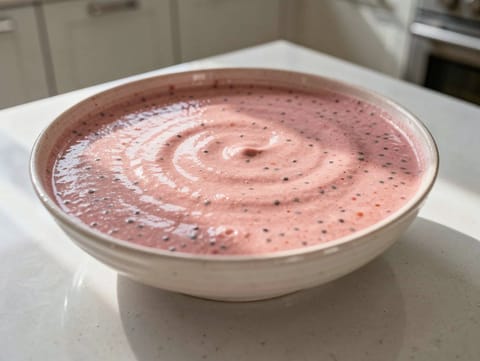
A thick strawberry smoothie bowl with yoghurt and chia seeds.
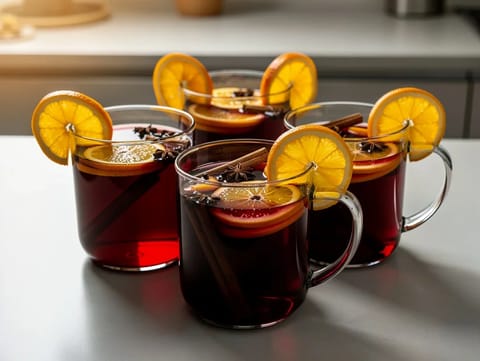
German mulled wine with orange and warming spices
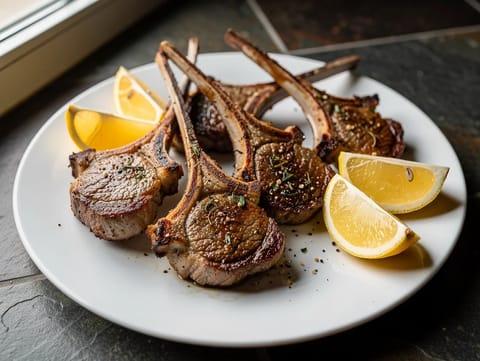
Air fryer lamb chops with olive oil, lemon, garlic, and oregano.
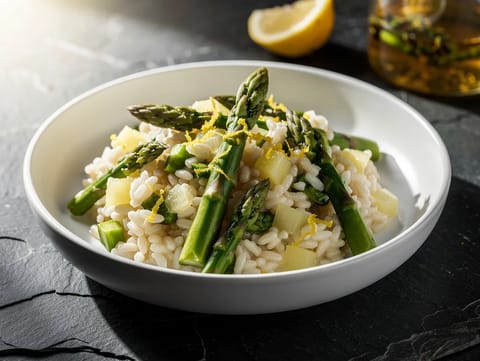
Creamy lemon and asparagus risotto finished with butter and Parmesan
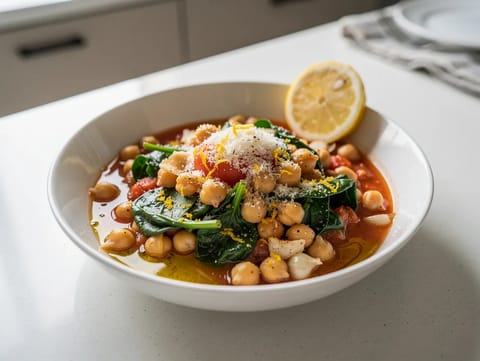
Chickpea and spinach bowl in tomato sauce with Parmesan
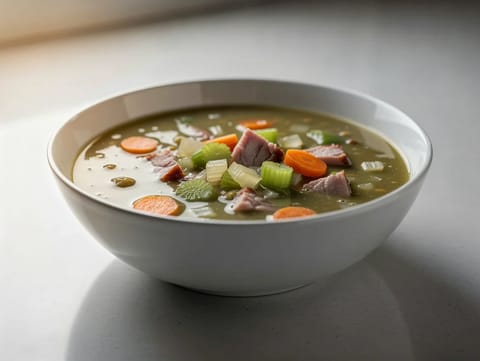
Light split pea soup with smoked ham hock
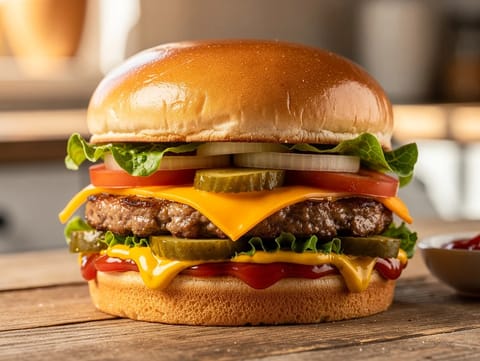
Beef patty and melted cheddar in a toasted bun
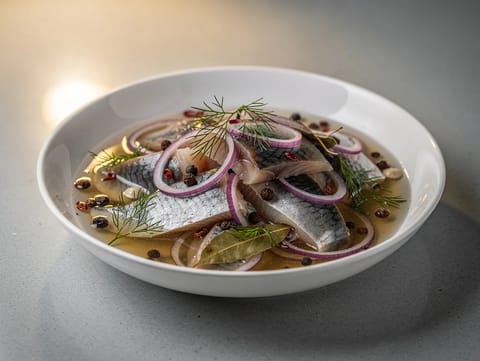
Pickled herring in sweet-sour brine with dill and red onion
Shaking chills quickly and adds aeration, which can make citrus drinks taste brighter and feel lighter. Stirring chills and dilutes more gently, keeping the drink clear and spirit-forward.
It means the drink is chilled with ice during mixing, then strained into a glass without ice. The drink warms gradually as you sip.
They may need more dilution, which usually comes from stirring or shaking with enough ice for long enough. A drink served over fresh ice will also soften as it sits.
In everyday use, cocktail usually implies alcohol, but many recipes follow cocktail logic for balance and texture without alcohol, using bitters alternatives, syrups, citrus and sparkling mixers.
Bitters add aromatic complexity and a controlled bitterness that can make sweetness taste cleaner and help the drink feel more “finished”.
Look for spirit-forward stirred drinks, or recipes that use dry vermouth, amaro, or bitters for structure. Citrus drinks can also be made drier by reducing sweetener.
Decide whether you want a short, intense drink or a longer, sparkling one, then choose stirred versus shaken for the texture you enjoy. Once the structure is right, swapping spirits, fruit and aromatics becomes a straightforward way to explore new cocktails.
