

Kaaskroketten (Belgian Cheese Croquettes)
Belgian cheese croquettes with cheddar béchamel and a crisp coating

Savoury is the flavour profile that sits away from sweetness and towards depth: browned edges, meaty or mushroomy notes, and the mouth-filling quality often described as umami. It can come from meat and fish, but also from tomatoes, mushrooms, aged cheeses, fermented sauces, toasted grains and slow-cooked onions. Because “savoury” covers a wide range, it helps to decide what kind of savoury you want: clean and brothy, dark and roasted, or rich and creamy. That choice will steer you towards very different recipes, even when the ingredients overlap.
Savoury is not a single ingredient and it is not automatically salty or spicy. It is a cluster of sensations: umami, roasted flavours from browning, and aromatic depth from alliums, herbs and spices. A savoury dish can be light, such as a clear broth with ginger and spring onion, or deeply flavoured, such as a slow-cooked ragù. Many savoury recipes build flavour in layers, using a base (onion, garlic, celery, ginger), then adding ingredients that bring umami (tomato, mushrooms, soy-based seasonings, cheese) and finishing with freshness or acidity so the depth does not feel dull.
Belgian cheese croquettes with cheddar béchamel and a crisp coating
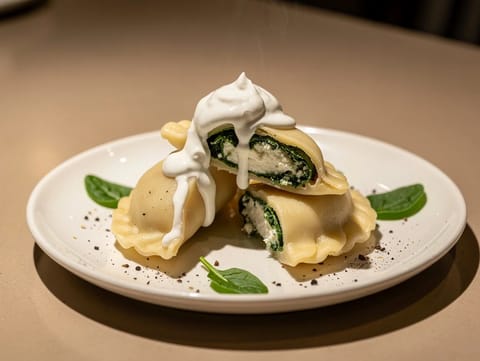
Pierogi filled with spinach and ricotta
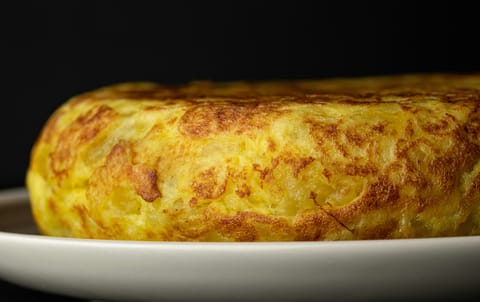
Potato frittata with onion and parmesan
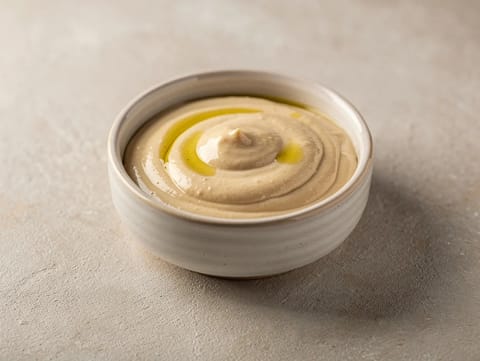
Smooth tahini sauce with lemon, garlic and water
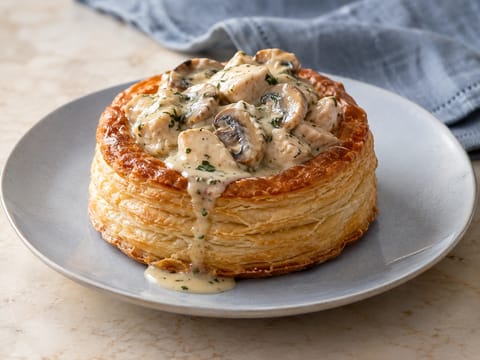
Puff pastry cases filled with creamy chicken and mushrooms
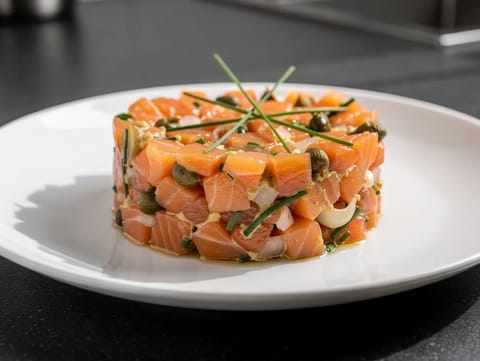
French-style salmon tartare with capers, Dijon and lemon
For a clean savoury profile, look for recipes that emphasise stock, seafood, vegetables and herbs, with minimal browning. These tend to taste clear and aromatic. For roasted savouriness, choose recipes that rely on high heat, searing or oven roasting, where browned surfaces and caramelised bits are part of the flavour. For creamy savouriness, recipes using dairy, eggs or blended vegetables often feel fuller and more coating, and they benefit from a bright finish such as lemon, pepper or herbs. If you are comparing recipes, scan for the main flavour engine: a browned base, a fermented seasoning, or a long simmer will each give a different kind of savoury depth.
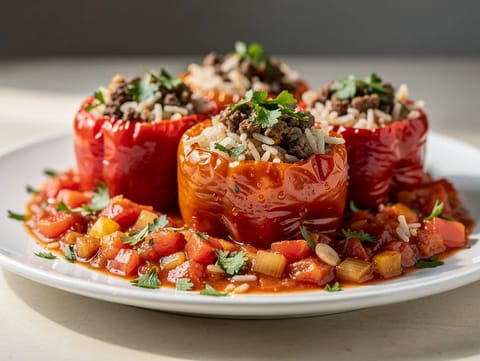
Stuffed peppers with spiced beef and rice baked in tomato sauce
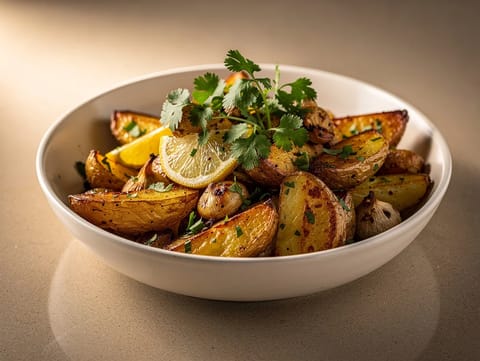
Crisp-edged potatoes seasoned with cumin, paprika and lemon
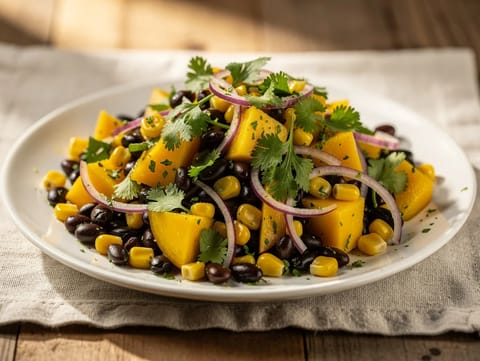
Mango salad with black beans, sweetcorn and lime
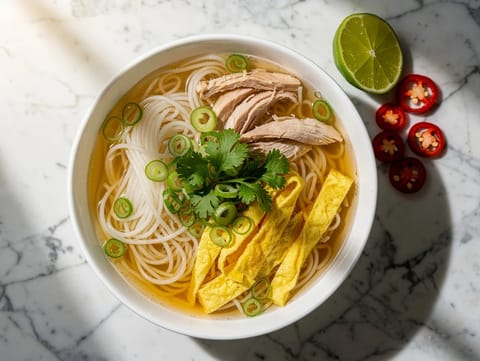
Clear chicken noodle soup with omelette, herbs and lime
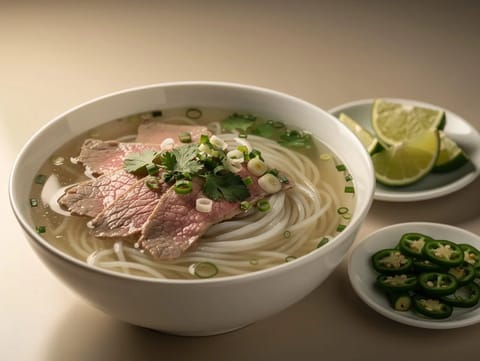
Vietnamese beef pho with rice noodles, herbs and chilli

Thai fried rice with chicken, egg and jasmine rice
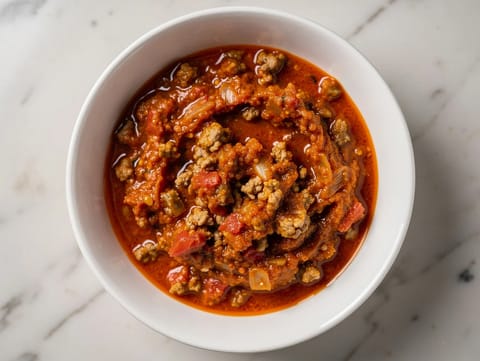
Northern Thai pork and tomato dip thickened with red curry paste
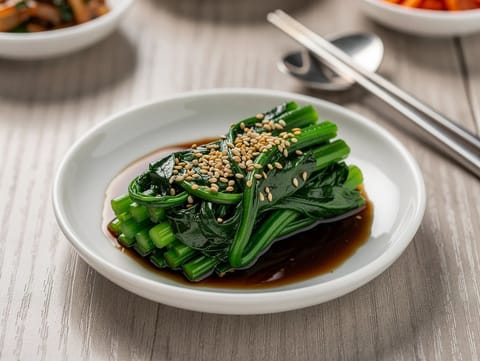
Blanched spinach tossed with sesame oil, garlic and soy sauce
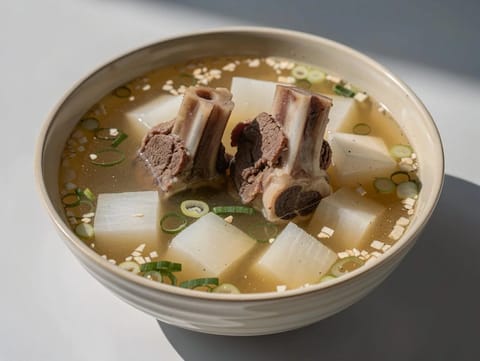
Korean clear short rib soup with radish and spring onions
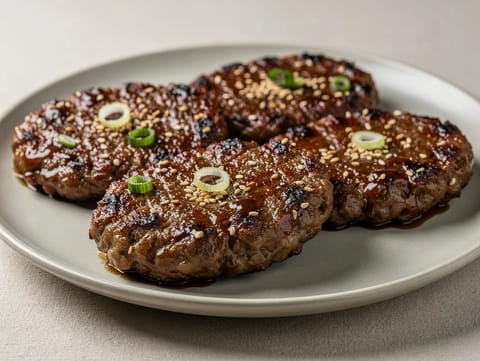
Korean beef short rib patties with soy, garlic and pear
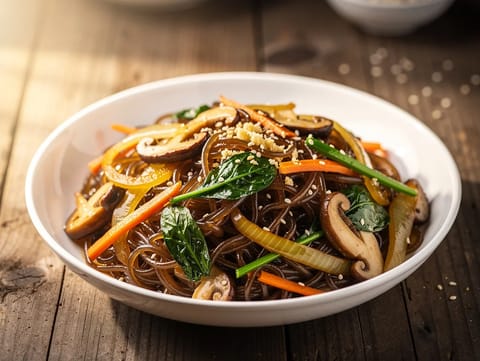
Glass noodles tossed with stir-fried vegetables and sesame dressing
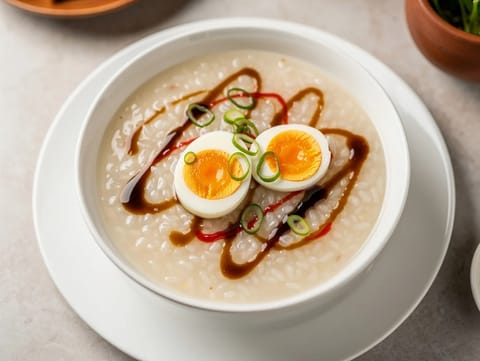
Jasmine rice congee topped with egg, soy and sesame oil
Savoury dishes often come alive with contrast. Acidity, whether from citrus, vinegar, wine or tomatoes, can make umami taste more defined. Bitterness, from greens or charred edges, can stop rich savoury flavours feeling heavy. Fresh herbs add lift, especially when stirred in at the end. Texture is another useful lever: crisp toppings, toasted breadcrumbs, or a crunchy salad can make a soft savoury dish feel more complete. If a savoury recipe already includes several umami-rich ingredients, it may need less added seasoning than you expect, because those ingredients can amplify one another.
Savoury flavour is often shaped by the main ingredient, so Ingredient browsing can help you choose between mushroomy, tomato-led, cheese-led or meat-led depth. Dish type is useful when you know the format you want, such as a soup, stew, pasta or bake, and then you can pick the savoury style that suits it.

Crispy battered fish tacos with cabbage, lime and sour cream
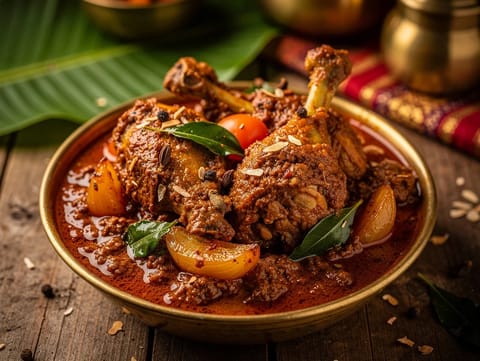
Peppery Chettinad chicken curry with coconut, tomato and curry leaves
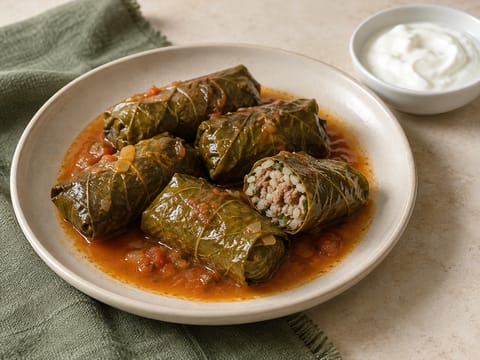
Vine leaves stuffed with lamb and rice, simmered in tomato broth
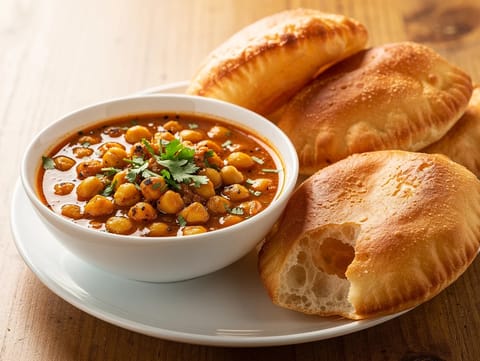
Spiced chickpea curry served with puffed fried bhature
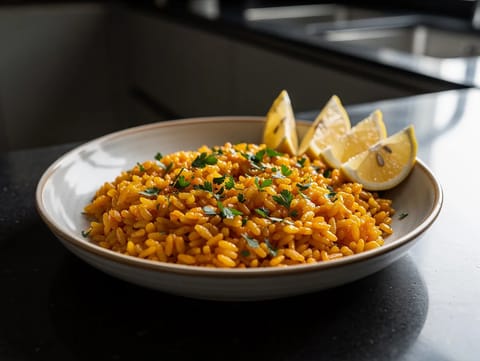
Valencian rice cooked in fish stock with saffron and paprika

Crisp tarte flambée with smoked salmon and onion
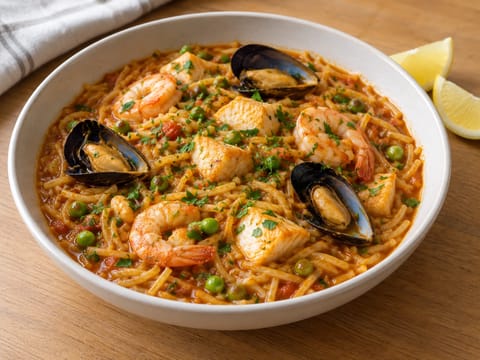
Catalan fideos casserole with seafood in tomato and saffron broth
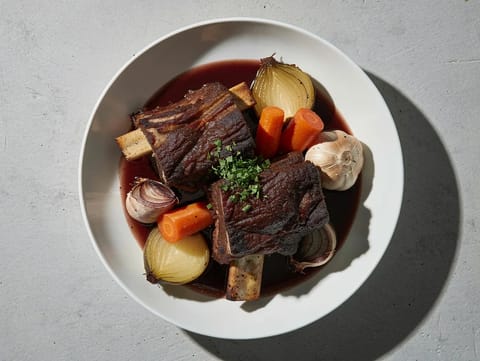
Slow-cooked beef short ribs in red wine sauce
Umami is a key part of savouriness, but savoury also includes roasted flavours from browning and aromatic depth from ingredients like onions, garlic and herbs.
Yes. Mushrooms, tomatoes, toasted grains, aged cheeses and fermented seasonings can all contribute savoury depth without meat or fish.
Not necessarily. Salt can enhance savoury flavours, but a dish can taste savoury without tasting notably salty.
They may be missing contrast. A small amount of acidity, fresh herbs, pepper, or a crisp element can make savoury flavours taste clearer and more lively.
Look at the main technique and flavour base. Roasting and searing give a darker savouriness; broths and gentle cooking give a cleaner savouriness; creamy bases give a fuller, softer savouriness.
Savoury is a broad promise, so it helps to choose whether you want clarity, browning, or creaminess. Once you know the style, the right pairings and finishing touches become much easier to judge.
