Zest a lemon before squeezing it and you have two quite different ingredients to cook with. The zest brings a fragrant citrus note with very little liquid; the juice changes both sharpness and consistency. Using them separately gives you more control over a creamy pasta, a plate of crisp squid or a simple bowl of fruit.
Let the zest lead in a creamy sauce
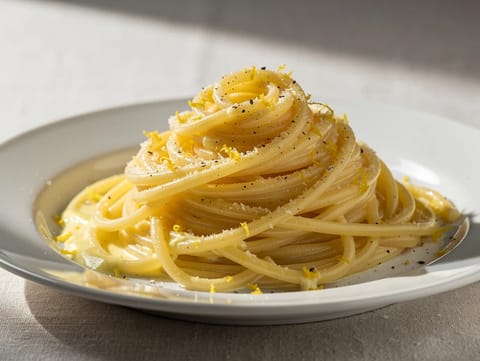
Our pasta al limone recipe uses both parts of the lemon at different stages. Finely grated zest warms briefly in melted butter before the cream goes in. The sauce picks up its lemon aroma early, while the juice waits until the pasta and Parmesan have been brought together. That final squeeze can then be added a little at a time and tasted.
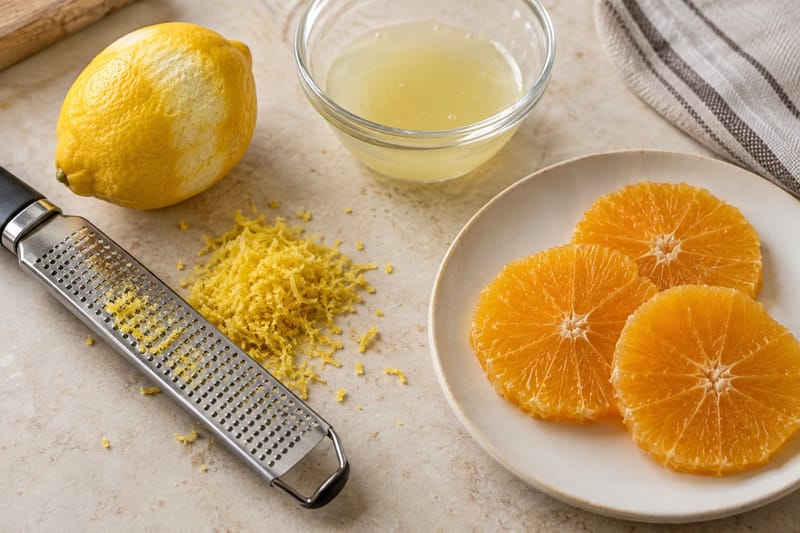
It is a useful order to remember when preparing the fruit, too. Wash and dry the lemon, then zest it while it is still whole and easy to hold. Grate lightly over the coloured surface, turning the fruit as you go so you avoid the white pith underneath. Squeeze it afterwards and keep the juice separate.
Once the pasta is coated, use its cooking water to loosen the sauce if needed. Extra juice would loosen it as well, but would make it sharper at the same time. Keeping a little of each liquid back lets you adjust texture and flavour separately.
Save a squeeze for something crisp
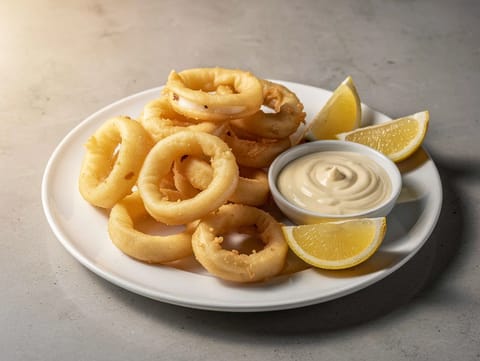
Lemon comes to the table in two forms with calamares a la Romana, crisp fried squid rings. A little juice sharpens the mayonnaise for dipping, while wedges go alongside the freshly fried squid. That keeps the juice away from the batter until you are ready to eat and lets each person add the sharpness they like.
The same habit of adding gradually is useful whenever citrus finishes a dish. Fruit varies in size and sharpness, so “one lemon” is a starting quantity rather than a guarantee of exactly the flavour you want. Taste a small addition before committing to the rest.
Give the flesh a place on the plate
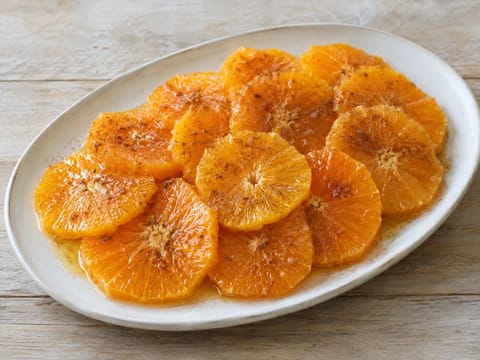
For a change from a squeeze or a grating, give citrus the centre of the plate with Moroccan orange salad. Peel and pith are trimmed away so the orange can be cut into rounds, and the juice released along the way is caught for the dressing. The slices bring soft, juicy texture as well as sweetness and acidity.
The small amount of orange blossom water has a separate purpose: it adds a floral note. Swapping the slices for juice would lose the substance of the salad, while adding more blossom water would only make the perfume stronger.