
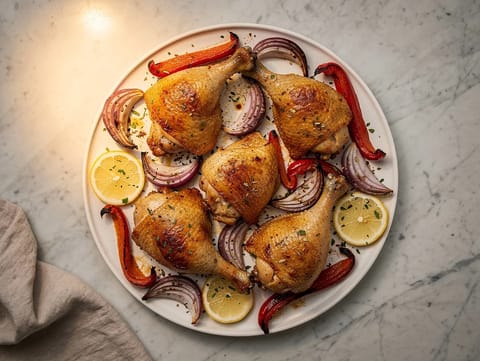
Sheet-Pan Turkish Chicken with Yoghurt, Lemon and Spices
Sheet-pan chicken with yoghurt, lemon, onion and red pepper
Thick Greek yogurt can leave gaps between spoonfuls in a cup. Weighing it into the bowl avoids guessing how much yogurt those spaces displace.
| Grams | Cups | Ounces |
|---|---|---|
| 1 g | 1 g (< ½ tsp) | 0.04 |
| 5 g | ≈ 1 tsp | 0.18 |
| 10 g | ≈ 2 tsp | 0.35 |
| 25 g | ≈ 1 ½ tbsp | 0.88 |
| 50 g | ≈ ¼ cup | 1.76 |
| 100 g | ≈ ⅜ cup | 3.53 |
| 250 g | ≈ 1 cup | 8.82 |
Reference used in this table: 1 cup (236.6 ml) ≈ 245 g
If a recipe asks you to drain yogurt, follow whether the quantity is measured before or after that step. Draining changes the amount left.
For a cup measure, fill the yogurt without large air pockets and level the surface. The reference cannot represent every strained or whipped yogurt product exactly.
Sheet-pan chicken with yoghurt, lemon, onion and red pepper
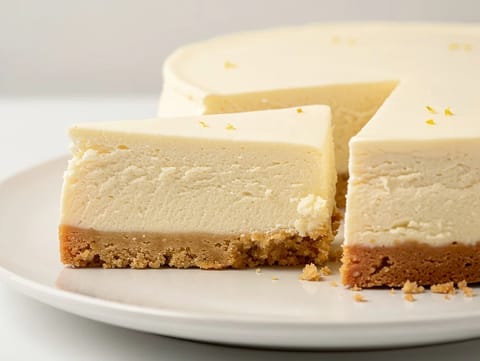
Baked Greek yoghurt cheesecake with a digestive biscuit base
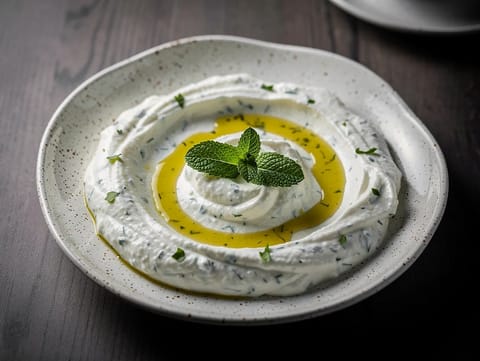
Thick Turkish yoghurt dip with garlic, mint and olive oil
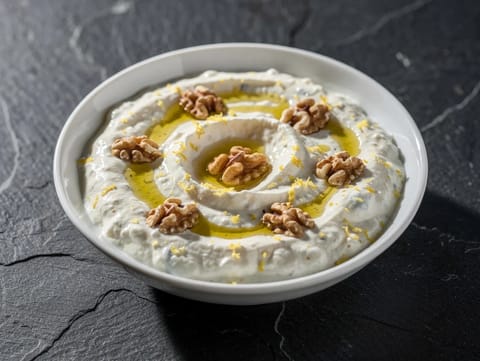
Chilled walnut and yoghurt sauce with garlic and lemon
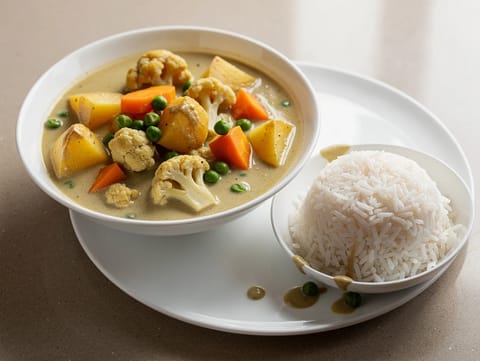
Mild vegetable korma with coconut, yoghurt and almonds
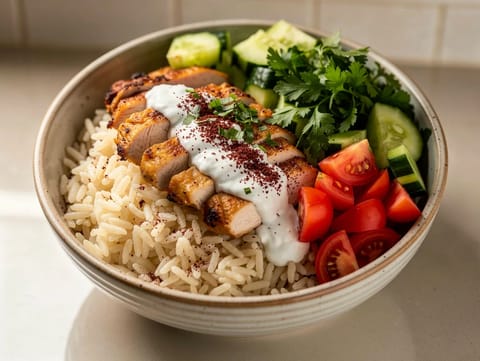
Turkish chicken bowl with rice, garlic yoghurt and salad
| Grams | Cups | Ounces |
|---|---|---|
| 1 g | 1 g (< ½ tsp) | 0.04 |
| 5 g | ≈ 2 tsp | 0.18 |
| 10 g | ≈ 1 ½ tbsp | 0.35 |
| 25 g | ≈ ¼ cup | 0.88 |
| 50 g | ≈ ½ cup | 1.76 |
| 100 g | ≈ 1 cup | 3.53 |
| 250 g | ≈ 2 ⅜ cups | 8.82 |
| Grams | Cups | Ounces |
|---|---|---|
| 1 g | 1 g (< ½ tsp) | 0.04 |
| 5 g | ≈ 1 tsp | 0.18 |
| 10 g | ≈ 2 ½ tsp | 0.35 |
| 25 g | ⅛ cup | 0.88 |
| 50 g | ¼ cup | 1.76 |
| 100 g | ½ cup | 3.53 |
| 250 g | 1 ¼ cups | 8.82 |
| Milliliters | Cups |
|---|---|
| 1 ml | 1 ml (< ½ tsp) |
| 5 ml | ≈ 1 tsp |
| 10 ml | ≈ 2 tsp |
| 25 ml | ≈ 1 ¾ tbsp |
| 50 ml | ≈ ¼ cup |
| 100 ml | ≈ ⅜ cup |
| 250 ml | ≈ 1 cup |
| Grams | Cups | Ounces |
|---|---|---|
| 1 g | 1 g (< ½ tsp) | 0.04 |
| 5 g | ≈ 1 tsp | 0.18 |
| 10 g | ≈ 2 tsp | 0.35 |
| 25 g | ≈ ⅛ cup | 0.88 |
| 50 g | ≈ ¼ cup | 1.76 |
| 100 g | ≈ ½ cup | 3.53 |
| 250 g | ≈ 1 ⅛ cups | 8.82 |
| Grams | Cups | Ounces |
|---|---|---|
| 1 g | 1 g (< ½ tsp) | 0.04 |
| 5 g | ≈ 1 ½ tsp | 0.18 |
| 10 g | ≈ 1 tbsp | 0.35 |
| 25 g | ≈ ⅛ cup | 0.88 |
| 50 g | ≈ ⅜ cup | 1.76 |
| 100 g | ≈ ¾ cup | 3.53 |
| 250 g | ≈ 1 ¾ cups | 8.82 |
| Grams | Cups | Ounces |
|---|---|---|
| 1 g | 1 g (< ½ tsp) | 0.04 |
| 5 g | ≈ 1 ½ tsp | 0.18 |
| 10 g | ≈ 1 ¼ tbsp | 0.35 |
| 25 g | ≈ ⅛ cup | 0.88 |
| 50 g | ≈ ⅜ cup | 1.76 |
| 100 g | ≈ ¾ cup | 3.53 |
| 250 g | ≈ 1 ¾ cups | 8.82 |
| Grams | Cups | Ounces |
|---|---|---|
| 1 g | 1 g (< ½ tsp) | 0.04 |
| 5 g | ≈ ½ tsp | 0.18 |
| 10 g | ≈ 1 ½ tsp | 0.35 |
| 25 g | ≈ 1 ¼ tbsp | 0.88 |
| 50 g | ≈ ⅛ cup | 1.76 |
| 100 g | ≈ ⅜ cup | 3.53 |
| 250 g | ≈ ¾ cup | 8.82 |
| Milliliters | Cups |
|---|---|
| 1 ml | 1 ml (< ½ tsp) |
| 5 ml | ≈ 1 tsp |
| 10 ml | ≈ 2 tsp |
| 25 ml | ≈ 1 ¾ tbsp |
| 50 ml | ≈ ¼ cup |
| 100 ml | ≈ ⅜ cup |
| 250 ml | ≈ 1 cup |
| Milliliters | Cups |
|---|---|
| 1 ml | 1 ml (< ½ tsp) |
| 5 ml | ≈ 1 tsp |
| 10 ml | ≈ 2 tsp |
| 25 ml | ≈ 1 ¾ tbsp |
| 50 ml | ≈ ¼ cup |
| 100 ml | ≈ ⅜ cup |
| 250 ml | ≈ 1 cup |
| Grams | Cups | Ounces |
|---|---|---|
| 1 g | 1 g (< ½ tsp) | 0.04 |
| 5 g | ≈ 1 ½ tsp | 0.18 |
| 10 g | ≈ 3 tsp | 0.35 |
| 25 g | ≈ ⅛ cup | 0.88 |
| 50 g | ≈ ¼ cup | 1.76 |
| 100 g | ≈ ⅝ cup | 3.53 |
| 250 g | ≈ 1 ½ cups | 8.82 |
| Grams | Cups | Ounces |
|---|---|---|
| 1 g | 1 g (< ½ tsp) | 0.04 |
| 5 g | ≈ 1 tsp | 0.18 |
| 10 g | ≈ 2 tsp | 0.35 |
| 25 g | ≈ ⅛ cup | 0.88 |
| 50 g | ≈ ¼ cup | 1.76 |
| 100 g | ≈ ½ cup | 3.53 |
| 250 g | ≈ 1 ⅛ cups | 8.82 |
| Milliliters | Cups |
|---|---|
| 1 ml | 1 ml (< ½ tsp) |
| 5 ml | ≈ 1 tsp |
| 10 ml | ≈ 2 tsp |
| 25 ml | ≈ 1 ¾ tbsp |
| 50 ml | ≈ ¼ cup |
| 100 ml | ≈ ⅜ cup |
| 250 ml | ≈ 1 cup |
| Milliliters | Cups |
|---|---|
| 1 ml | 1 ml (< ½ tsp) |
| 5 ml | ≈ 1 tsp |
| 10 ml | ≈ 2 tsp |
| 25 ml | ≈ 1 ¾ tbsp |
| 50 ml | ≈ ¼ cup |
| 100 ml | ≈ ⅜ cup |
| 250 ml | ≈ 1 cup |
| Grams | Cups | Ounces |
|---|---|---|
| 1 g | ≈ ½ tsp | 0.04 |
| 5 g | ≈ 2 ½ tsp | 0.18 |
| 10 g | ≈ 1 ¾ tbsp | 0.35 |
| 25 g | ≈ ¼ cup | 0.88 |
| 50 g | ≈ ½ cup | 1.76 |
| 100 g | ≈ 1 ⅛ cups | 3.53 |
| 250 g | ≈ 2 ¾ cups | 8.82 |
| Grams | Ounces |
|---|---|
| 1 g | 0.04 |
| 5 g | 0.18 |
| 10 g | 0.35 |
| 25 g | 0.88 |
| 50 g | 1.76 |
| 100 g | 3.53 |
| 250 g | 8.82 |
| Milliliters | Cups |
|---|---|
| 1 ml | 1 ml (< ½ tsp) |
| 5 ml | ≈ 1 tsp |
| 10 ml | ≈ 2 tsp |
| 25 ml | ≈ 1 ¾ tbsp |
| 50 ml | ≈ ¼ cup |
| 100 ml | ≈ ⅜ cup |
| 250 ml | ≈ 1 cup |
| Grams | Cups | Ounces |
|---|---|---|
| 1 g | 1 g (< ½ tsp) | 0.04 |
| 5 g | ≈ 1 tsp | 0.18 |
| 10 g | ≈ 2 tsp | 0.35 |
| 25 g | ≈ 1 ¾ tbsp | 0.88 |
| 50 g | ≈ ¼ cup | 1.76 |
| 100 g | ≈ ⅜ cup | 3.53 |
| 250 g | ≈ 1 cup | 8.82 |
| Grams | Cups | Ounces |
|---|---|---|
| 1 g | 1 g (< ½ tsp) | 0.04 |
| 5 g | ≈ 2 tsp | 0.18 |
| 10 g | ≈ 1 ½ tbsp | 0.35 |
| 25 g | ≈ ¼ cup | 0.88 |
| 50 g | ≈ ½ cup | 1.76 |
| 100 g | ≈ 1 cup | 3.53 |
| 250 g | ≈ 2 ⅜ cups | 8.82 |
| Grams | Cups | Ounces |
|---|---|---|
| 1 g | 1 g (< ½ tsp) | 0.04 |
| 5 g | ≈ 1 tsp | 0.18 |
| 10 g | ≈ 2 ½ tsp | 0.35 |
| 25 g | ⅛ cup | 0.88 |
| 50 g | ¼ cup | 1.76 |
| 100 g | ½ cup | 3.53 |
| 250 g | 1 ¼ cups | 8.82 |
| Milliliters | Cups |
|---|---|
| 1 ml | 1 ml (< ½ tsp) |
| 5 ml | ≈ 1 tsp |
| 10 ml | ≈ 2 tsp |
| 25 ml | ≈ 1 ¾ tbsp |
| 50 ml | ≈ ¼ cup |
| 100 ml | ≈ ⅜ cup |
| 250 ml | ≈ 1 cup |
| Milliliters | Cups |
|---|---|
| 1 ml | 1 ml (< ½ tsp) |
| 5 ml | ≈ 1 tsp |
| 10 ml | ≈ 2 tsp |
| 25 ml | ≈ 1 ¾ tbsp |
| 50 ml | ≈ ¼ cup |
| 100 ml | ≈ ⅜ cup |
| 250 ml | ≈ 1 cup |
| Grams | Cups | Ounces |
|---|---|---|
| 1 g | 1 g (< ½ tsp) | 0.04 |
| 5 g | ≈ 2 ½ tsp | 0.18 |
| 10 g | ≈ 1 ¾ tbsp | 0.35 |
| 25 g | ≈ ¼ cup | 0.88 |
| 50 g | ≈ ½ cup | 1.76 |
| 100 g | ≈ 1 cup | 3.53 |
| 250 g | ≈ 2 ⅝ cups | 8.82 |
| Grams | Cups | Ounces |
|---|---|---|
| 1 g | 1 g (< ½ tsp) | 0.04 |
| 5 g | ≈ ½ tsp | 0.18 |
| 10 g | ≈ 1 ½ tsp | 0.35 |
| 25 g | ≈ 1 ¼ tbsp | 0.88 |
| 50 g | ≈ ⅛ cup | 1.76 |
| 100 g | ≈ ¼ cup | 3.53 |
| 250 g | ≈ ¾ cup | 8.82 |
| Milliliters | Cups |
|---|---|
| 1 ml | 1 ml (< ½ tsp) |
| 5 ml | ≈ 1 tsp |
| 10 ml | ≈ 2 tsp |
| 25 ml | ≈ 1 ¾ tbsp |
| 50 ml | ≈ ¼ cup |
| 100 ml | ≈ ⅜ cup |
| 250 ml | ≈ 1 cup |
| Grams | Cups | Ounces |
|---|---|---|
| 1 g | 1 g (< ½ tsp) | 0.04 |
| 5 g | ≈ 1 tsp | 0.18 |
| 10 g | ≈ 2 tsp | 0.35 |
| 25 g | ≈ 1 ½ tbsp | 0.88 |
| 50 g | ≈ ¼ cup | 1.76 |
| 100 g | ≈ ⅜ cup | 3.53 |
| 250 g | ≈ 1 cup | 8.82 |
Weight conversions use fixed unit factors. Cup and spoon estimates depend on the stated ingredient form and cup size. Milliliters measure volume; converting them to grams also needs an ingredient-specific reference. Without a reliable cup reference, the calculator uses grams and ounces.
Small volumes may be shown as approximate spoon measures. Below half a teaspoon, the measured amount stays visible instead of being rounded up. Use a suitable scale or follow the recipe’s original measure for these small quantities.
The conversion factors between grams, ounces and pounds are exact and do not depend on the ingredient. The displayed result is rounded for readability.
Many kitchen measurements are traditionally shown using simple fractions. Displaying amounts like “⅛ cup” or “¼ cup” makes the conversions easier to read and measure accurately with standard cups and spoons.
Cup measurements depend on how dense an ingredient is. For example, 1 cup of flour does not weigh the same as 1 cup of sugar. Small differences also occur due to natural variations like brand, moisture, or packing. We use consistent reference values so your conversions stay reliable.
