

Kartoffelsuppe (German Potato Soup with Leek and Celeriac)
Creamy German potato soup topped with crispy bacon

Celery is rarely the headline ingredient, but it quietly underpins many soups, stews, sauces and stocks. When you need to avoid it, the challenge is less about replacing crunch and more about rebuilding that savoury, aromatic base in another way. This page explains where celery commonly appears, including in prepared ingredients, and offers practical substitutions that keep the balance of sweetness, bitterness and perfume that celery brings.
Fresh celery is easy to recognise in salads, crudités and as a garnish, but it is just as often diced and cooked down at the start of a recipe to form part of an aromatic base. Celery leaves and celery salt can add a concentrated, savoury note, and celery seed is used in some spice blends and pickling mixes. The most important place to be alert is in prepared ingredients: stocks, bouillon powders and cubes, soup bases, seasoning mixes and some ready-made sauces can include celery or celery-derived flavourings. Because celery is used for background depth, it may not be mentioned prominently in a recipe title even when it is present.
Creamy German potato soup topped with crispy bacon

German lentil soup with Frankfurter sausages and vegetables

One-pot jambalaya with chicken, andouille sausage and rice

Tangy Polish sauerkraut soup with smoked pork ribs

Belgian tomato soup with poached beef and pork meatballs

Greek white bean and tomato soup with herbs
For raw crunch, choose another crisp vegetable with a clean bite, such as cucumber, fennel or radish, depending on the dish. For cooked flavour bases, aim for a mix of sweetness and gentle bitterness: extra onion, leek or spring onion can cover some of celery’s aromatic lift, while a small amount of fennel, celeriac-free root vegetables, or a pinch of herb stems can add complexity. In soups and stews, you may also need to adjust salt and acidity, because celery contributes a subtle savoury edge that can make a pot taste ‘finished’.
If a recipe uses celery salt or celery seed, it is usually better to replace the seasoning direction entirely, for example with a different herb and spice profile, rather than trying to mimic celery’s exact flavour.
Lentil and vegetable soup with Dijon mustard stirred in for a bright finish
Light green minestrone with courgette, peas, spinach, beans and pastina
Cajun jambalaya with chicken thighs, andouille sausage, vegetables and rice
Italian chickpea soup simmered with rosemary, tomatoes and vegetables, finished with olive oil
Creamy red beans served over rice with browned andouille sausage
Slow-braised lamb and peas in tomato and white wine with rosemary
This label supports allergen-aware browsing, but it does not guarantee a recipe is safe for you. If you avoid celery, check packaged stocks, bouillon, seasoning blends and prepared soups carefully, as celery can appear in small amounts. In the kitchen, cross-contact can happen when the same board or knife is used for chopped celery and other vegetables, or when stock is made in a shared pot and then used across multiple dishes.
Ingredient browsing can help you compare celery alternatives such as fennel, leeks, cucumber or different herbs, and see how they behave raw versus cooked. Diet categories can be useful if you are adapting recipes that rely on stock cubes or seasoning blends, so you can find versions that build flavour from whole ingredients instead.
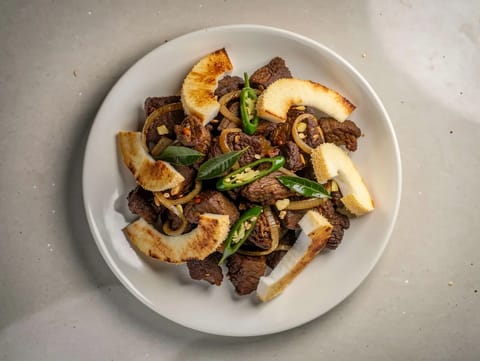
Dry-style Kerala beef fry with curry leaves and coconut

Pulled chicken in barbecue sauce, served in buns with slaw
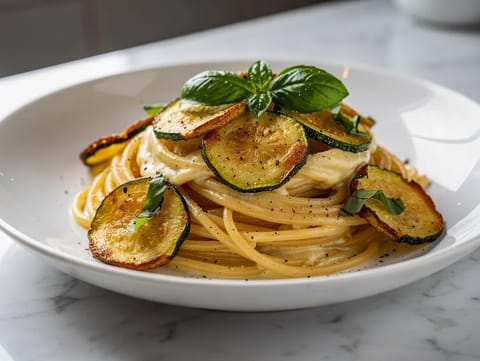
Spaghetti with fried courgettes, provolone, Parmesan and basil

Pan-fried chicken in a Marsala wine and mushroom sauce

One-pot sausage casserole with green lentils and vegetables

Strong iced Turkish coffee poured over ice after cooling

Grilled pork chops with Dijon mustard and fresh tarragon

Arabic coffee gently brewed with green cardamom
Celeriac is the root of the celery plant, so it is closely related. If you are avoiding celery for allergy reasons, treat celeriac cautiously and follow your own medical guidance.
There is no single like-for-like swap. A combination of onion or leek for sweetness and aroma, plus herbs for freshness, often gets you close. Taste as you go and adjust seasoning near the end.
You can, but the finished dish may taste flatter. Replacing celery with another aromatic, or increasing onion and adding herbs, helps restore depth.
Stocks, bouillon cubes and powders, seasoning mixes, and some prepared soups and sauces. These are worth checking even when celery is not obvious from the product name.
Yes. Celery leaves are still celery and can be used as an herb-like garnish or flavouring, so they should be treated the same way as the stalks.
Celery salt typically contains celery seed or celery-derived flavour. If celery avoidance is important, rely on the ingredient list and manufacturer information rather than the name alone.
When celery is removed, focus on replacing its role in the background: aromatics, a little bitterness, and a savoury edge. Check stocks and seasoning blends carefully, then adjust salt, herbs and acidity at the end to bring the dish back into balance.
