
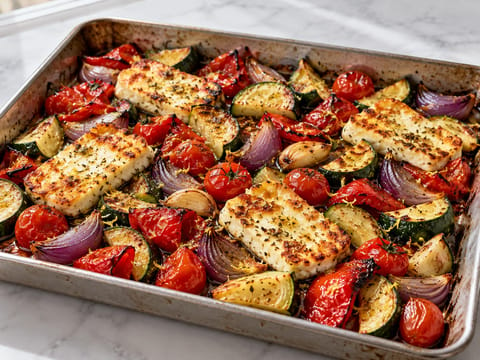
Halloumi and Roasted Vegetable Traybake
Halloumi traybake with roasted courgette, pepper and tomatoes

Milk is used in recipes for tenderness, richness and browning, and it can appear in forms that do not look like “milk” at all. Cream, yoghurt, butter, cheese and milk powders can all be part of the same picture, depending on how a dish is built. If you are avoiding milk, it helps to think in functions: is dairy providing moisture, fat, acidity, or a set texture? That approach makes it easier to choose suitable alternatives and to know when a recipe will change character.
A milk label generally points to dairy ingredients derived from animal milk. In practical terms, that can include liquid milk, cream, butter, yoghurt, cheese, whey and milk powders, all of which behave differently in cooking. Milk can be a background ingredient in batters and mashed dishes, a cooking medium in custards and sauces, or a finishing element in the form of grated cheese or a swirl of cream.
This label is about intentional ingredients, not a promise that a recipe is suitable for every dairy-avoiding diet. Some people avoid milk for allergy reasons, others for lactose intolerance, and the level of avoidance and tolerated products can differ. When cooking for someone else, clarify what “milk-free” needs to cover.
Halloumi traybake with roasted courgette, pepper and tomatoes
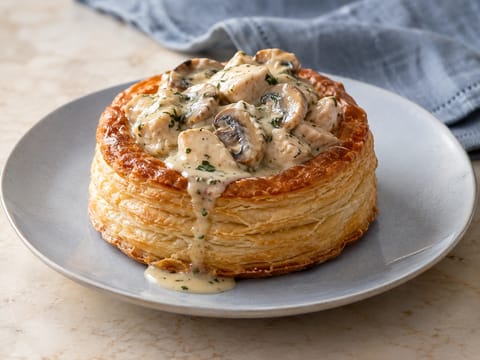
Puff pastry cases filled with creamy chicken and mushrooms
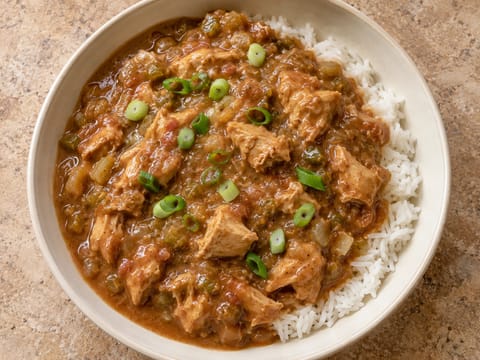
Cajun chicken étouffée with dark roux served over rice
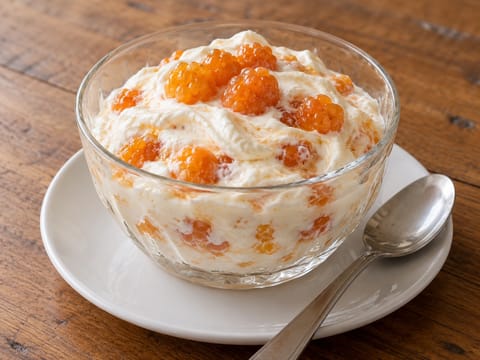
Cloudberries folded into lightly sweetened whipped cream
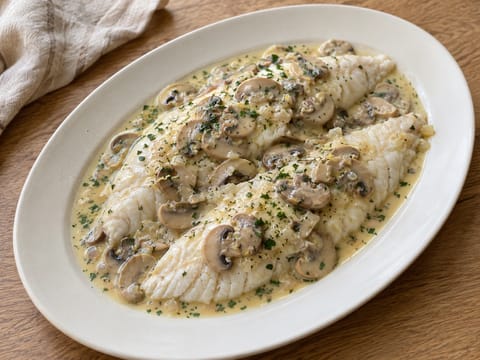
Sole fillets cooked with mushrooms, shallots and white wine

Belgian cheese croquettes with cheddar béchamel and a crisp coating
Milk substitutes work best when you match the role dairy plays in the dish. For drinks, soups and many batters, an unsweetened plant milk can replace liquid milk, but it may change sweetness and browning. For creaminess in sauces, a higher-fat option or a blended base (such as soaked nuts or seeds, where appropriate) can give body, though it may split if boiled hard.
For yoghurt or buttermilk, the key is acidity as well as moisture, which affects tenderness and lift in baking. Butter is its own case: it brings fat plus water, and it emulsifies into doughs and sauces in a particular way. Swapping it for oil changes texture, and swapping it for a plant-based block depends on brand and formulation, so test when the bake is structure-led.
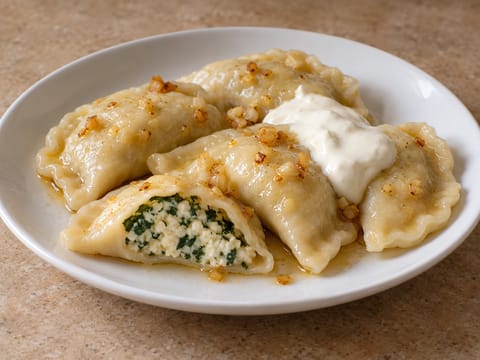
Pierogi filled with spinach and ricotta
Cajun chicken étouffée with dark roux served over rice
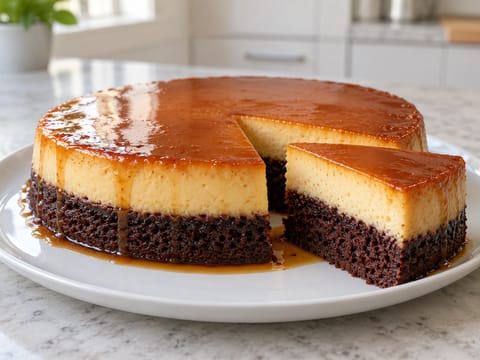
Caramel chocoflan with vanilla flan and chocolate sponge
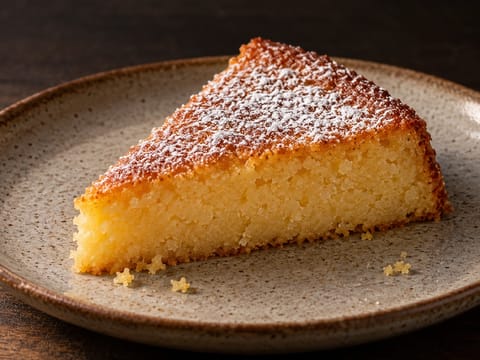
Dense Portuguese almond cake finished with icing sugar
Halloumi traybake with roasted courgette, pepper and tomatoes
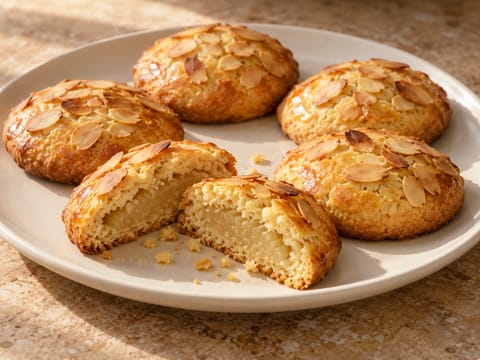
Buttery Dutch cookies with a thick almond paste filling

Chilled German red berry pudding thickened with cornflour
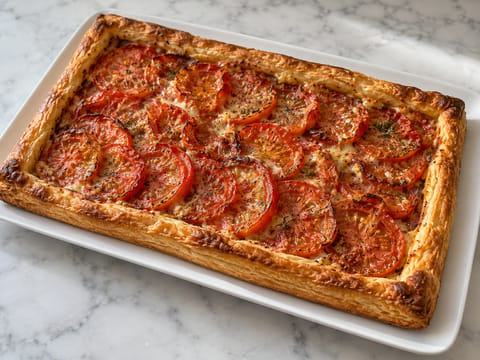
Puff pastry tart with Dijon mustard, tomatoes and Gruyère
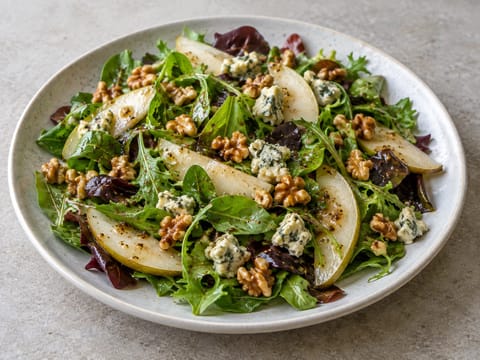
Salad with Stilton, pear and toasted walnuts
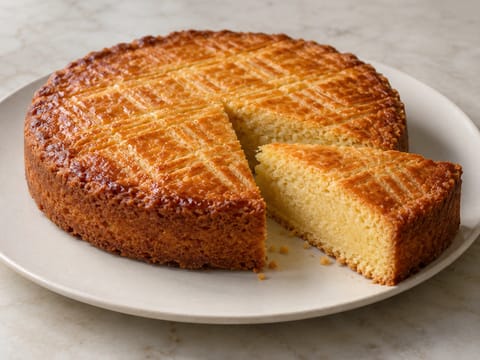
Dense Breton butter cake with vanilla and egg yolks
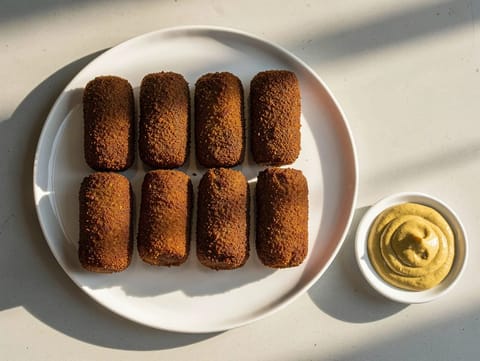
Dutch beef ragout croquettes with a crisp breadcrumb coating
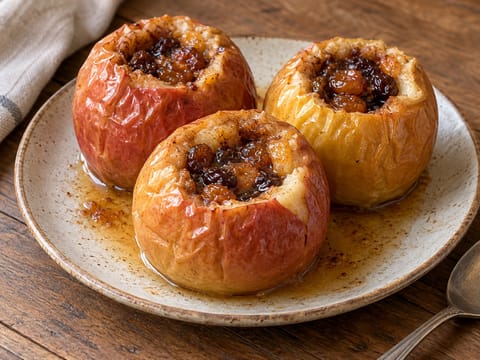
Air fryer baked apples filled with cinnamon, brown sugar and butter.
If you need to avoid milk as an allergen, read labels for less obvious dairy ingredients such as whey, casein, milk solids and milk powder, as well as obvious items like cheese and cream. Be cautious with packaged foods where dairy is used for flavour, texture or browning, including some breads, chocolates, sauces and ready-made dressings.
Cross-contact can matter in shared kitchens and bakeries, and in home cooking where the same knives, boards and graters are used for cheese and other foods. If you are cooking for someone with a diagnosed milk allergy, follow their guidance and avoid relying on assumptions about “small amounts”.
Ingredient pages can help you compare dairy and non-dairy options by how they behave in sauces, baking and desserts, which is often more useful than swapping by name alone. Diet collections can also support browsing for dairy-free or milk-free tags, while still keeping label checks front of mind.
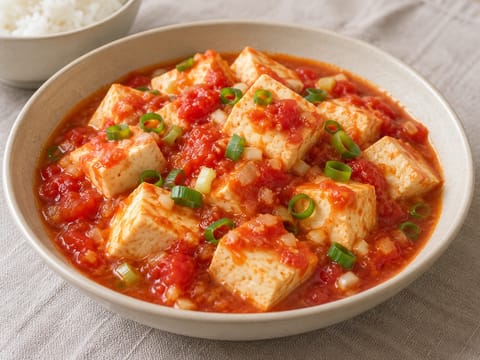
Tofu simmered in a light tomato sauce with garlic
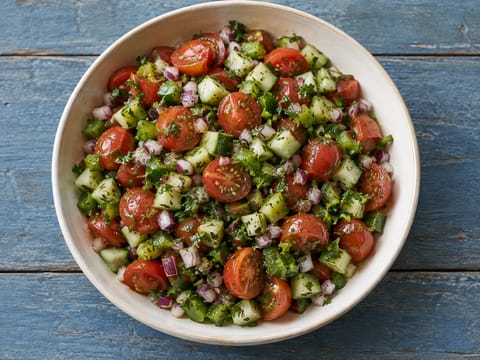
Chopped Turkish salad with tomatoes, cucumber and green pepper
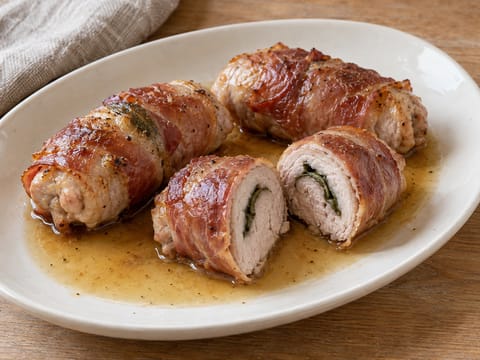
Pork cutlets wrapped with prosciutto and sage in white wine juices
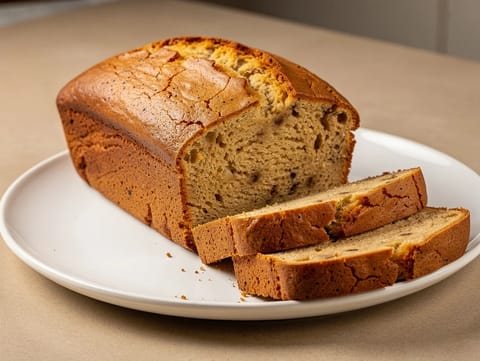
Moist banana bread loaf with vanilla

Spicy prawns in guajillo and árbol chilli tomato sauce

Thai grilled pork skewers marinated with coconut milk and fish sauce
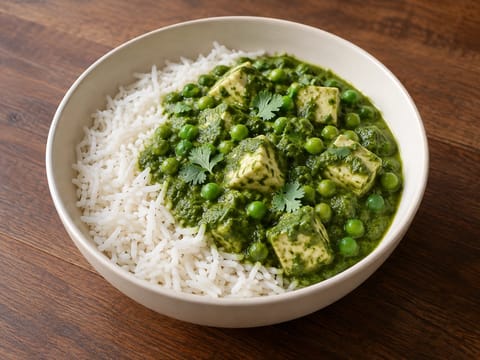
Basmati rice with green coconut curry, paneer and peas
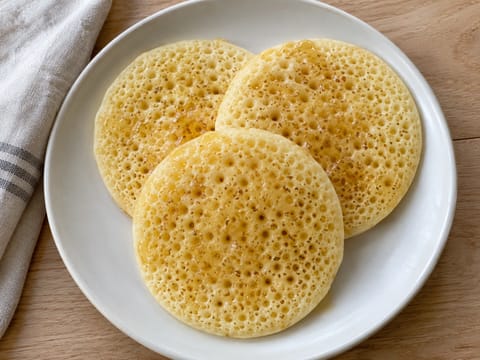
Moroccan semolina pancakes served warm with butter and honey
In allergen terms, milk can include a range of dairy-derived ingredients, including butter, cheese, yoghurt, cream and milk powders. If you are avoiding milk, check what your avoidance needs to cover.
No. Lactose-free dairy milk still contains milk proteins. It may suit some people avoiding lactose, but it is not suitable for someone with a milk allergy.
Milk contains sugars and proteins that contribute to browning. When you switch to a different liquid, the crust colour and flavour can change, even if the bake sets properly.
It depends on the recipe. Butter and cream are often challenging because they contribute both fat and specific texture. Custards and cheese-based sauces can also be difficult because dairy proteins set and emulsify in distinctive ways.
Often, but choose unsweetened versions and consider flavour. Some plant milks have a noticeable taste or added stabilisers that behave differently when heated.
Milk avoidance is simplest when you identify what dairy is doing in the recipe, then choose an alternative that behaves similarly under heat. For packaged ingredients, the ingredient list is the final word.
