
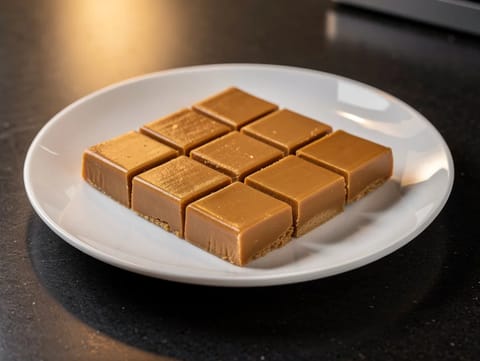
Peanut Butter Fudge
No-bake peanut butter fudge set in the fridge

Peanuts show up in recipes in more than one form: whole nuts for crunch, peanut butter for body, and peanut oil for high-heat cooking. If you need to avoid peanuts, the practical work is spotting those forms early and noticing where peanuts are used as a garnish or blended into a sauce. This page helps you read recipes with a peanut-aware eye, so you can decide quickly whether a dish is suitable as written or needs a different approach.
This label is used for recipes that intentionally include peanuts or peanut-derived ingredients. That can be obvious, such as roasted peanuts scattered over noodles or salads, or less visible, such as peanut butter stirred into dressings, marinades and satay-style sauces. Peanut oil is another common route, especially where a neutral, high-heat oil is useful.
It does not automatically tell you how much peanut is used, whether it can be left out without changing the dish, or whether other nuts are also present. Treat it as a prompt to check the ingredient list and the method for every place peanuts might be doing a job: thickening, emulsifying, adding crunch, or rounding out flavour.
No-bake peanut butter fudge set in the fridge
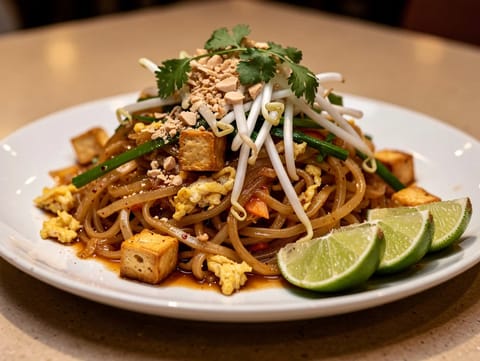
Vegetable Pad Thai with tofu, egg and roasted peanuts
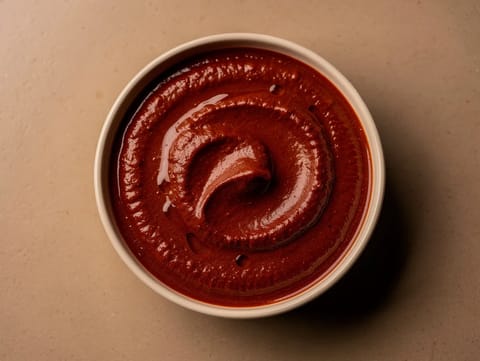
Mild red mole sauce with chillies, nuts and spices
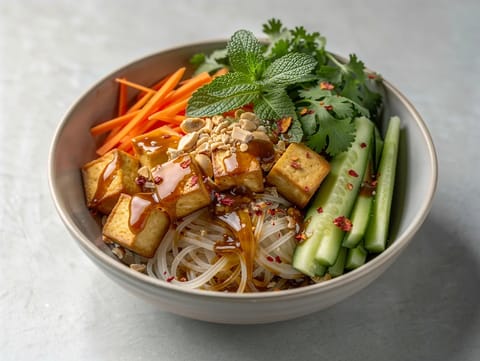
Crisp tofu vermicelli bowl with herbs, peanuts and lime dressing
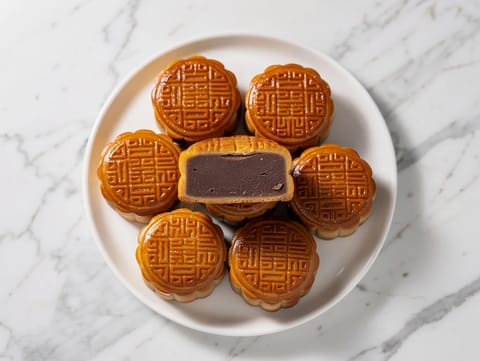
Baked mooncakes with golden syrup dough and red bean paste
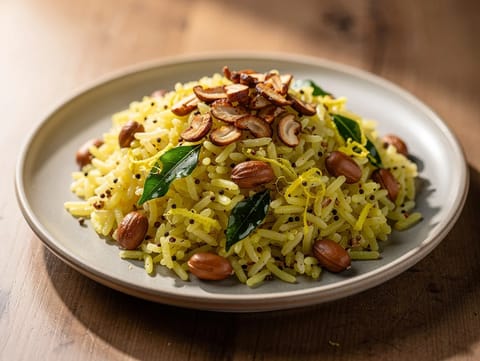
Lemon rice with mustard seeds, curry leaves and roasted peanuts
If you are avoiding peanuts for allergy reasons, do not rely on a recipe label alone. Check packaged ingredients for peanut warnings and consider cross-contact in your kitchen, especially with shared chopping boards, food processors and jars of spreads. Peanut oil can be a particular point of confusion, so read the ingredient description carefully and choose an alternative when in doubt.
If you are cooking for someone else, confirm what they avoid and how strict they need you to be before you start.
Peanut butter cookies with butter and brown sugar, baked until just set
Thai som tam green papaya salad with lime dressing and grilled chicken
Mexican peanut nougat pressed into a tin, then set and sliced
When peanuts are used for crunch, they are often added at the end. That makes them easier to omit or replace, but it also means stray pieces can be hard to spot on a platter or in a mixed salad. When peanuts are blended into a sauce, they usually provide thickness and a creamy mouthfeel as well as flavour, so a swap needs to replace structure, not just taste.
Peanut butter behaves differently from chopped nuts: it dissolves into warm liquids and can seize if added too quickly to very hot, salty mixtures. Peanut oil is usually there for cooking performance rather than flavour, so it is often the simplest element to replace with another neutral oil, provided the recipe does not depend on a distinct roasted peanut note.
If you are planning substitutions, browsing by Ingredient can help you choose an alternative that matches what peanuts were doing in the recipe, such as adding crunch or thickening a sauce. Diet categories can also be useful when you are balancing several constraints at once, but still treat them as a starting point and verify ingredients carefully.
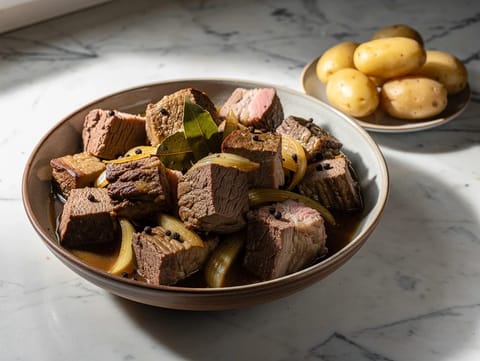
Finnish beef and pork hot pot with onions and bay
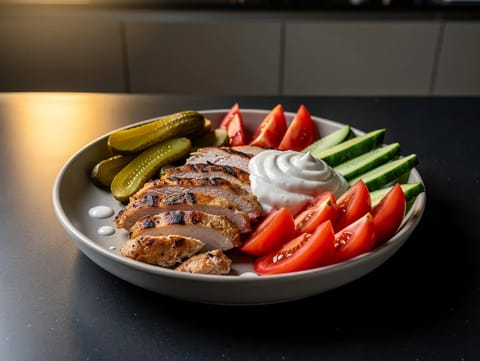
Roasted chicken shawarma with garlic sauce, pickles and salad
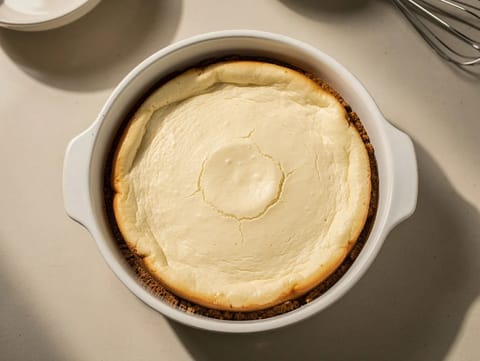
Rich New York-style cheesecake baked in an air fryer.
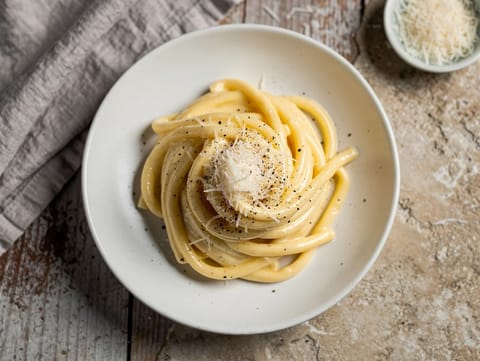
Neapolitan pasta with egg, pecorino Romano and black pepper
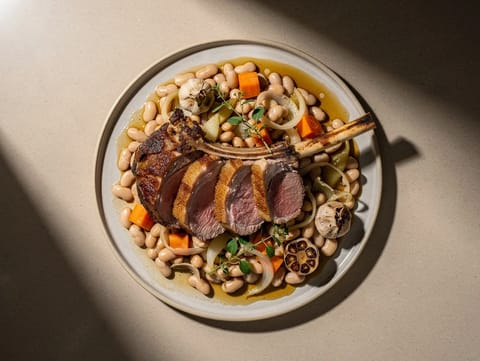
Roast leg of lamb with garlic, rosemary and white beans
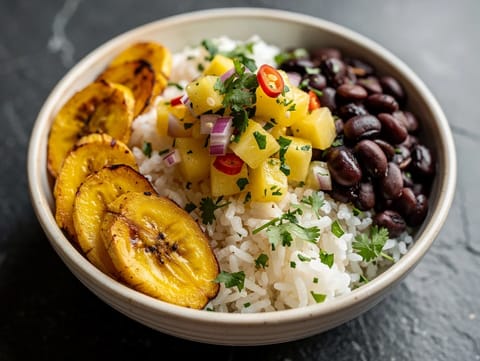
Coconut rice and black beans with plantain and pineapple salsa
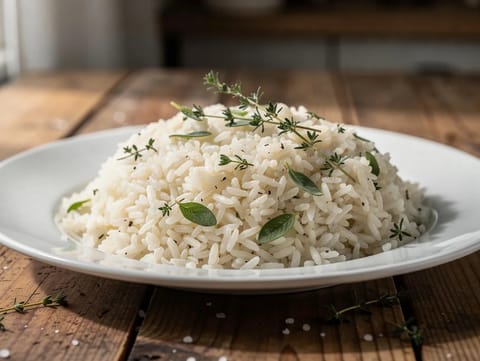
Fluffy coconut rice simmered with garlic and thyme
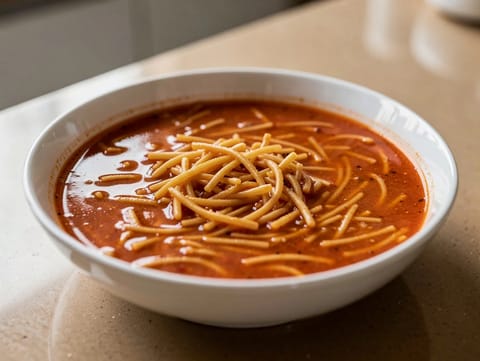
Toasted fideo noodles simmered in tomato and chipotle broth
Peanuts are legumes, not tree nuts, but they are used in similar ways in cooking: chopped for crunch, ground into sauces, or turned into spreads. Allergy needs vary, so treat them as distinct ingredients and follow the guidance you have been given.
It depends on the oil and the level of avoidance required. Some peanut oils are highly refined, others are not, and labels vary. The safest approach is to read the product label and choose a different cooking oil when you are unsure.
Peanut butter, ground peanuts, peanut flour and peanut oil are the most common. Peanuts may also appear as a garnish or in blended sauces where they are not visible in the finished dish.
If peanuts are only used as a topping, removing them may change texture but not the core structure of the dish. For allergy avoidance, however, picking off toppings does not address cross-contact with the rest of the food or serving utensils.
It depends on the recipe and what you can eat. Seeds or other nuts can provide crunch, and crisp fried toppings can sometimes do a similar job. Choose a substitute that suits the flavour profile and any other dietary limits.
You usually need something that thickens and emulsifies as well as adding flavour. Other nut or seed butters can behave similarly, but they bring their own taste and may need loosening with water or another liquid to match the original texture.
Before you commit to a recipe, scan for peanuts in three places: the ingredient list, the finishing garnishes, and the cooking fat. That quick check usually tells you whether you can cook as written, swap an element, or choose a different dish entirely.
