
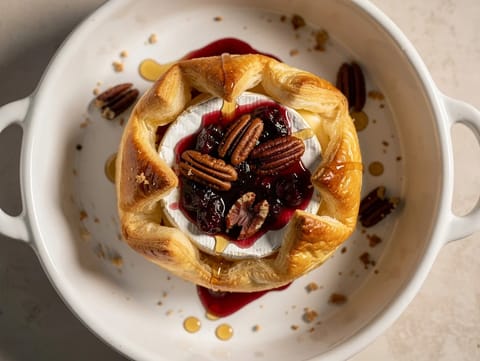
Baked Brie in Puff Pastry with Cranberry and Pecans
Baked Brie in puff pastry with cranberry sauce and pecans

Pecans are often used for their buttery richness and soft crunch, especially in baking and sweet fillings, but they also turn up in salads, stuffings and nut-based sauces. If you are adapting recipes to avoid pecans, it helps to notice whether they are structural (ground into a base) or decorative (scattered on top). This page sets out the common places pecans hide, what they contribute, and how to make sensible substitutions without assuming a label alone guarantees suitability.
This label indicates that pecans are intentionally included in the recipe. They may be used whole or chopped, toasted to deepen flavour, or ground to form part of a crust, filling or batter. In some recipes, pecans are the main identity of the dish; in others they are one component among many.
It does not tell you whether the pecans can be omitted without knock-on effects, or whether other tree nuts are also present. It also does not speak to how ingredients were manufactured or handled, so label reading remains important when you are cooking for someone who needs to avoid pecans.
Baked Brie in puff pastry with cranberry sauce and pecans
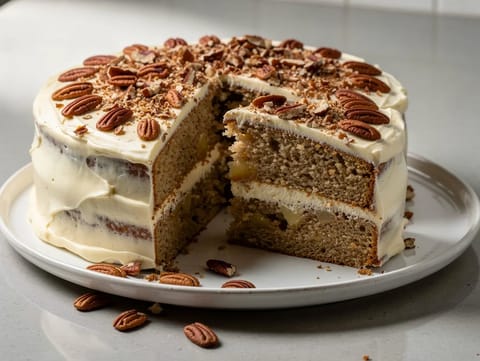
Spiced banana and pineapple cake with cream cheese icing
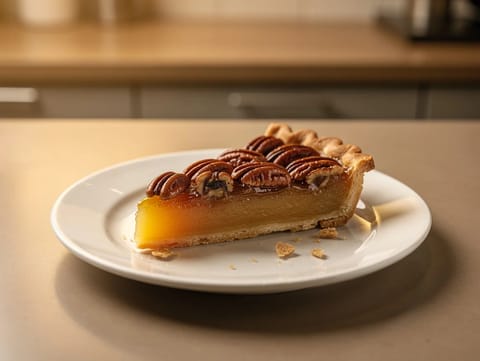
Pecan pie in shortcrust pastry with golden syrup custard
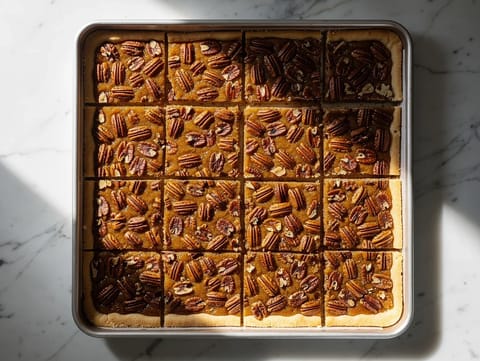
Shortbread bars topped with maple and brown sugar pecans
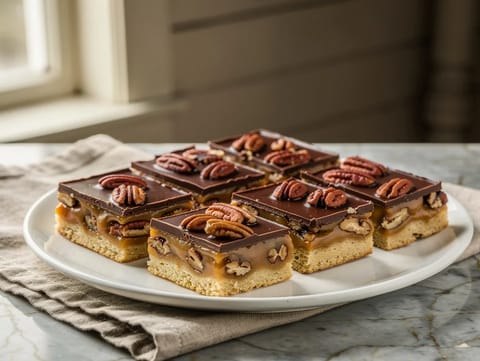
Shortbread bars topped with pecans, caramel and dark chocolate
Start by asking what the pecans are doing. As a topping, you mainly need crunch and a lightly toasted, nutty note. As a filling or mix-in, pecans add richness and a tender bite that can soften as it sits. When pecans are ground into a crust or batter, they contribute fat and bulk, which affects how the mixture holds together and browns.
Possible alternatives depend on what you can eat. Other nuts can be close in texture, while seeds can provide crunch with a different flavour. For ground-nut bases, you may need to adjust sweetness or seasoning because pecans are naturally mild and buttery. If you are unsure, choose recipes where pecans are clearly optional rather than foundational.
Pecan pie in shortcrust pastry with golden syrup custard
Spiced banana and pineapple cake with cream cheese icing
Shortbread bars topped with maple and brown sugar pecans
Shortbread bars topped with pecans, caramel and dark chocolate
Baked Brie in puff pastry with cranberry sauce and pecans
If you are avoiding pecans for allergy reasons, treat recipe labels as a browsing aid rather than a safety guarantee. Check packaged ingredients for tree-nut statements and consider cross-contact from shared baking trays, cooling racks, food processors and chopping boards. Mixed nuts and pre-chopped nuts are common sources of accidental pecan presence.
When cooking for others, confirm whether they avoid all tree nuts or only pecans, and plan your substitutions accordingly.
Ingredient browsing is helpful when you want to replace pecans with something that behaves similarly, such as another nut, a seed, or a crunchy topping. Diet categories can help you keep track of other constraints at the same time, but you will still need to read ingredient labels carefully for nut-related warnings.
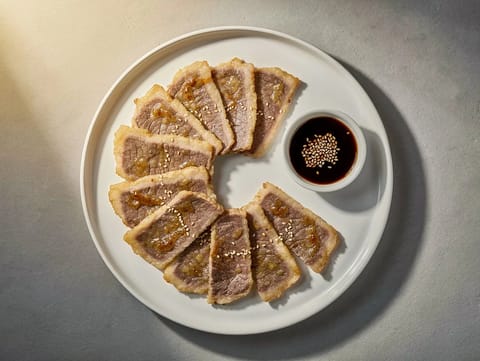
Korean pan-fried beef slices in egg coating with soy dip
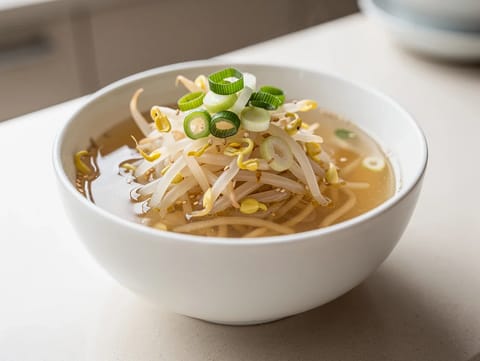
Light soybean sprout soup with anchovy broth and garlic
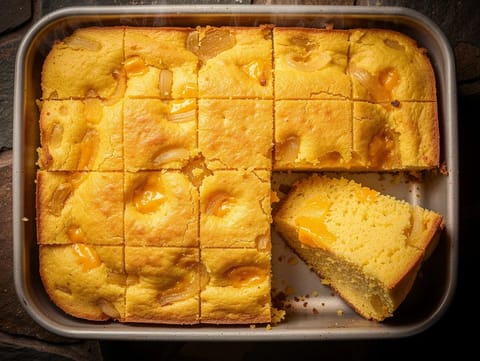
Savoury cornbread baked with cheese and softened onions
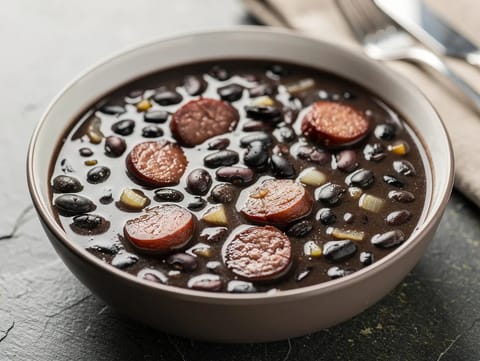
Brazilian black bean soup with smoked pork and bay
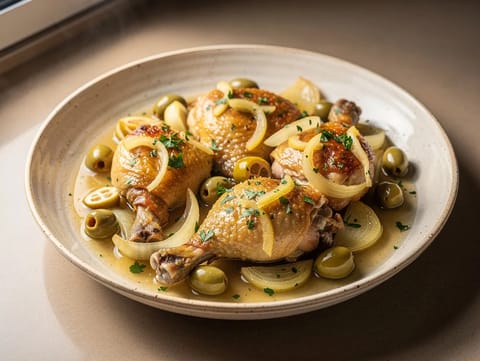
Braised chicken thighs with preserved lemon, olives and white wine
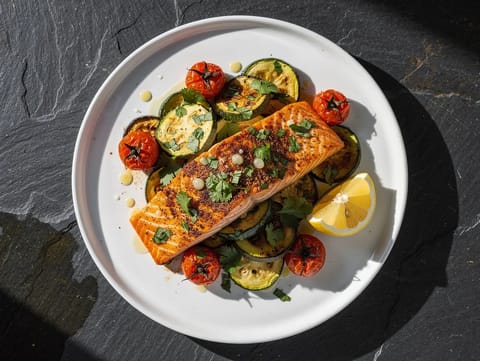
Salmon traybake with courgettes, cherry tomatoes and Moroccan spices
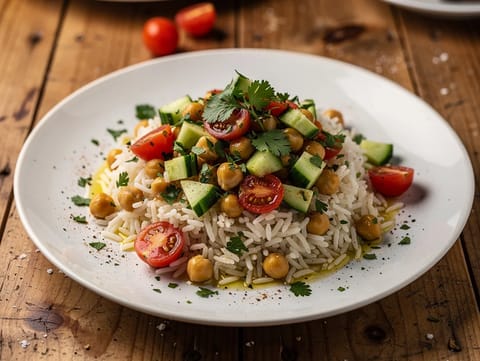
Basmati rice bowl with chickpeas, cucumber and fresh herbs
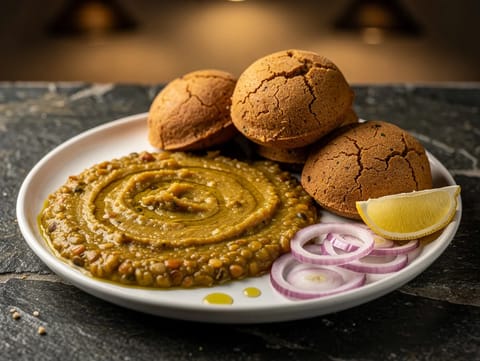
Spiced red lentil dal with baked wholewheat baati
No. Pecans are common in desserts and baking, but they can also appear in savoury salads, stuffings and sauces where their richness and texture are useful.
Sometimes. If pecans are a garnish, omission mainly affects texture. If they are ground into a crust or form a large part of a filling, leaving them out can change structure and richness, so a considered substitute is usually better.
They are used similarly, but pecans tend to be milder and more buttery, while walnuts can be more assertive and slightly bitter. That difference matters most in simple bakes and fillings where the nut flavour is prominent.
Many recipes toast nuts to deepen flavour and improve crunch, but it depends on the dish. If you are substituting, consider whether your alternative also benefits from a brief toast.
Not necessarily. Mixed nuts often include pecans or are processed on shared lines. Check the ingredient list and any allergen statements on the packaging.
Depending on what you can eat, other nuts, seeds, or crisp toppings can provide crunch. Choose something that suits the flavour of the dish and any other allergen needs.
The easiest adaptations are the ones where pecans are clearly a topping or optional add-in. When pecans form the base of a crust, filling or batter, plan a substitute that replaces both texture and richness, and double-check labels for tree-nut warnings.
