
Grilled Pork Ribs with Bourbon BBQ Sauce
Grilled pork ribs brushed with sticky bourbon BBQ sauce

Sulphur dioxide and sulphites are not a single ingredient you can simply leave out. They are preservatives that may be present in certain packaged foods and drinks, and they can appear in a recipe through components such as dried fruit, bottled juices, wine or vinegar. If you are adapting recipes to avoid sulphites, the most useful skill is learning where they commonly enter the dish and choosing alternative products where possible. This page outlines the practical label checks and substitution decisions that tend to matter most.
This label indicates that the recipe includes sulphur dioxide or sulphites as an intentionally present allergen, typically through an ingredient that contains them. In everyday cooking, that often means a processed or preserved component rather than something you add by the spoonful. Dried fruits, bottled lemon or lime juice, wine, vinegar, pickled products and some condiments are common routes, though it varies by product and brand.
Because sulphites are about how an ingredient is processed, two versions of the “same” ingredient can behave similarly in the pan but differ in sulphite content. That is why label reading is central to adapting these recipes.
Think in terms of function. If sulphites are coming from dried fruit, the recipe may rely on sweetness and chew, so you will want an alternative dried fruit or a different sweet element that fits the dish. If they are coming from wine, vinegar or bottled citrus, the job is usually acidity and aroma. You can often replace that with another acid, but the flavour will shift, especially in sauces where wine contributes more than sharpness.
Where a recipe uses a bottled or packaged ingredient, the most direct substitution is often the same type of ingredient from a different producer, provided it meets your needs. Make changes one component at a time so you can taste and adjust seasoning as you go.
For sulphur dioxide and sulphites, a recipe label cannot tell you what is in the specific products you buy. Check packaging carefully, especially for dried fruit, bottled juices, wine, vinegar and prepared condiments. If you are cooking for someone else, confirm what they avoid and how sensitive they are, and choose ingredients accordingly.
Cross-contact in the kitchen is usually less about crumbs and more about shared bottles, measuring spoons and containers used for preserved ingredients, so keep your workflow tidy and clearly separated when needed.
Ingredient browsing can help you identify recipes built around fresh, minimally processed components, which can reduce the number of label-dependent items you need to manage. Diet categories can also help when you are balancing multiple requirements, but sulphites still come down to the specific products and labels you use.
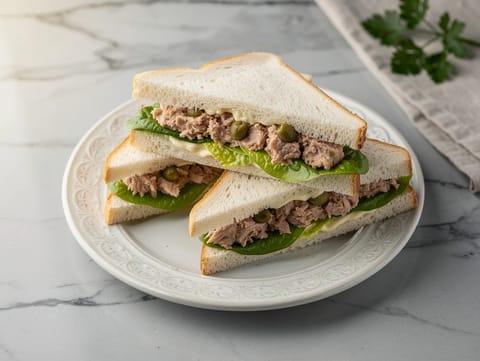
Crustless tuna sandwiches with mayonnaise, capers and lettuce

Kashmiri lamb curry with yoghurt, spices and basmati rice

Slow-roasted pork shoulder with crisp crackling and roasting juices

Braised sauerkraut with pork belly, sausages, potatoes and mustard

Custard-soaked brioche French toast with crème fraîche and maple syrup

Chilled eggnog with milk, cream, vanilla and nutmeg
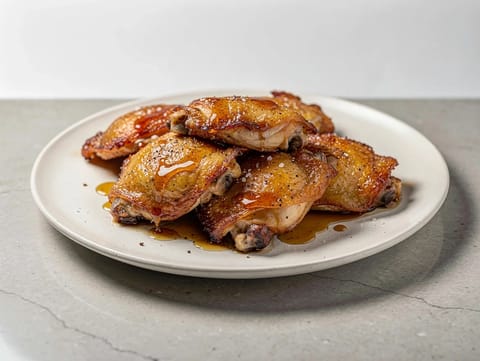
Crisp air-fried chicken drizzled with hot honey sauce.

Dense Breton butter cake with vanilla and egg yolks
They are typically used as preservatives and may be present in certain packaged foods and drinks. In recipes, they often appear through an ingredient that contains them rather than as a standalone item.
Often in preserved or processed ingredients such as some dried fruits, bottled citrus juice, wine, vinegar, pickled products and certain condiments. It varies by product, so labels matter.
Cooking can change volatile compounds, but you should not assume it removes sulphites to a level that meets your needs. If avoidance is required, start with suitable ingredients.
From a cooking perspective, both provide acidity, but bottled juices may contain preservatives depending on the product. If sulphites are a concern, check the label and choose accordingly.
Sometimes, but wine contributes acidity and aroma as well as liquid. If you replace it with stock, you may need to add another acid, such as citrus or vinegar, to keep the balance.
No. It flags intentional presence, but suitability depends on the specific products used. Always check packaging and ingredient statements.
When you are avoiding sulphites, recipes built from fresh ingredients are often simpler to manage because there are fewer packaged components to verify. Where preserved ingredients are central, plan your substitutions around the role they play, then adjust seasoning and acidity with a careful hand.