

Ciambella al Limone (Italian Lemon Ring Cake)
Italian lemon ring cake dusted with icing sugar
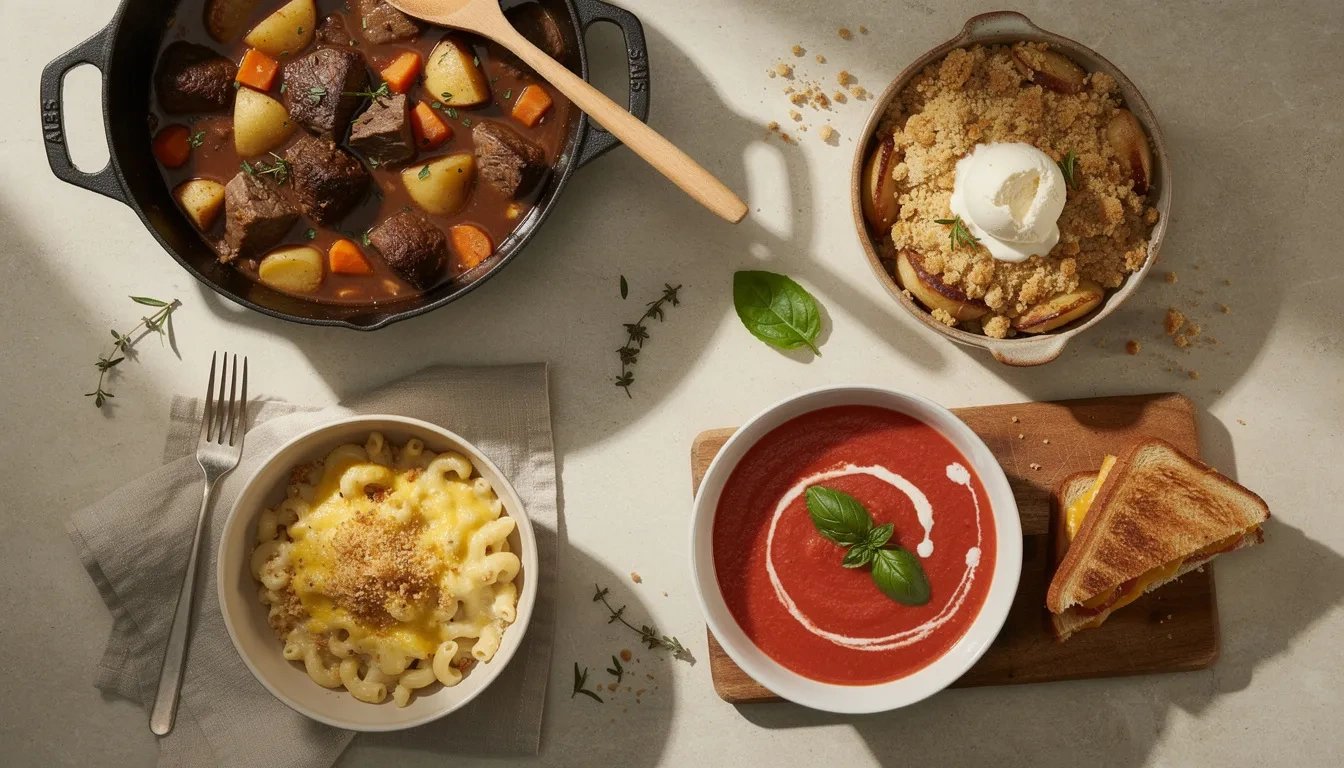
Italian-style dinners often feel effortless because the work can be staged: a sauce simmered earlier, vegetables roasted ahead, a salad dressed at the last minute. This collection leans into that rhythm, with recipes that suit relaxed serving and straightforward timing. Whether you are making pasta, a baked dish or a simple pan-cooked main, the same principles apply: season confidently, keep textures distinct, and use acidity, herbs and bitter greens to stop rich flavours from feeling heavy.
Italian cooking is frequently organised around a few clear elements rather than lots of competing flavours. A sauce might be tomato-forward, creamy, or based on olive oil, garlic and anchovy, and it is usually supported by good seasoning and careful cooking rather than a long list of spices. Texture matters: pasta should be sauced so it stays glossy, not swimming; vegetables are often cooked until sweet or lightly charred; and cheese is used for salt, richness and aroma. Many dishes are designed to be served in courses, but the same components can be combined into a single, satisfying plate.
Italian lemon ring cake dusted with icing sugar
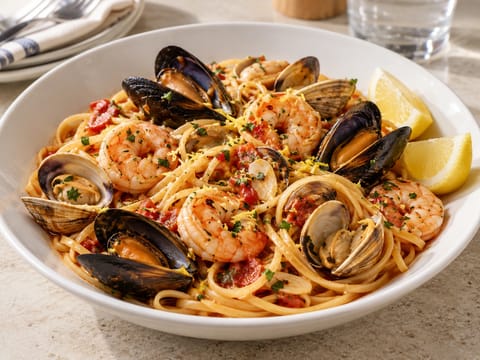
Seafood linguine with mussels, clams and prawns
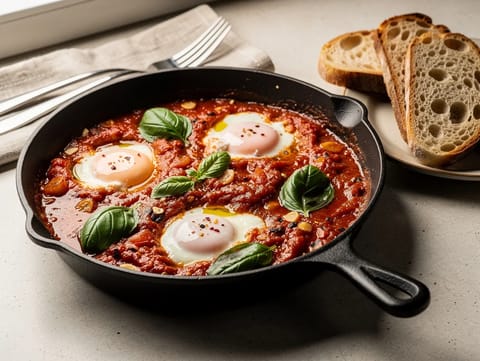
Eggs poached in garlicky tomato sauce with chilli and basil
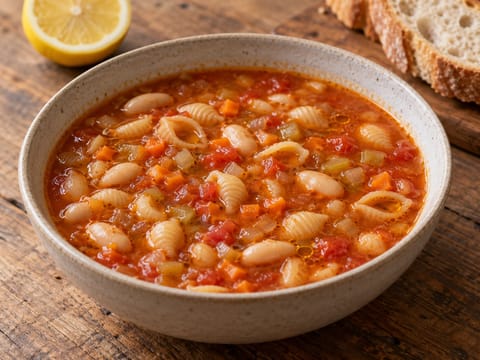
Italian vegan bean and pasta soup with tomatoes and herbs
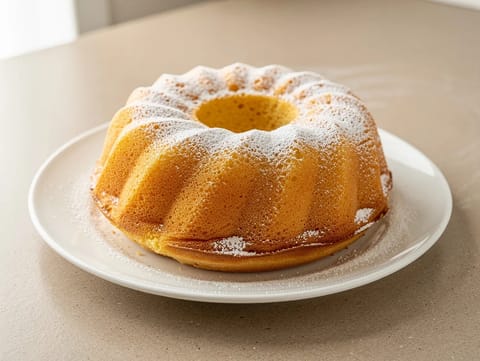
Tender Italian ring cake with olive oil and icing sugar
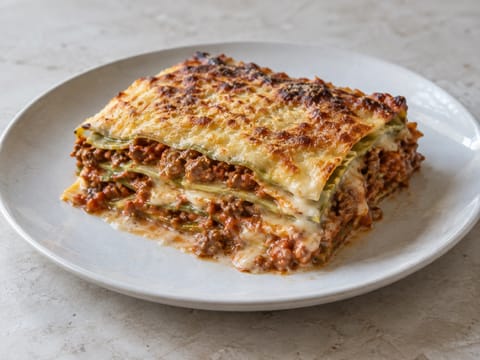
Spinach pasta lasagne with beef and pork ragù and béchamel
For the quickest serving, pasta with a sauce you can make while the water boils is hard to beat, especially when the sauce relies on pantry staples and a finishing handful of herbs or cheese. Baked dishes, such as pasta al forno or layered vegetable bakes, suit prep-ahead cooking because they reheat and portion neatly, and they welcome a crisp salad alongside. Pan-to-table mains, like chicken, fish or aubergine cooked with lemon, capers or tomatoes, are useful when you want something lighter than a bake but still substantial. If you are feeding a group, choose one centrepiece and keep the rest simple.
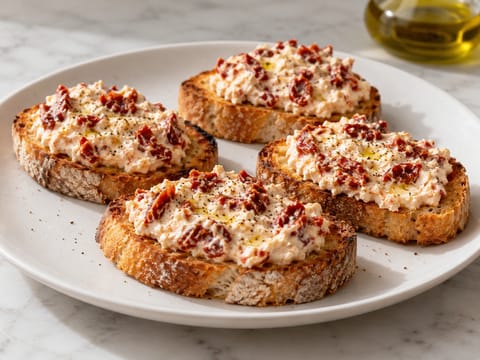
Toasted crostini topped with ricotta and sun-dried tomatoes
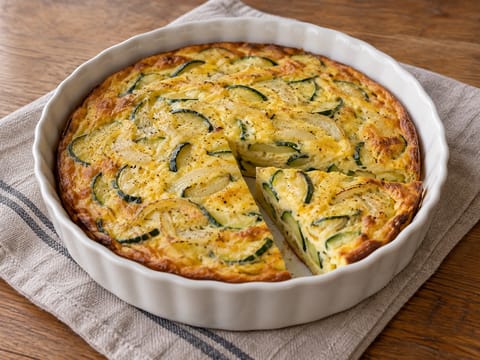
Baked courgette frittata with eggs, Parmesan and black pepper
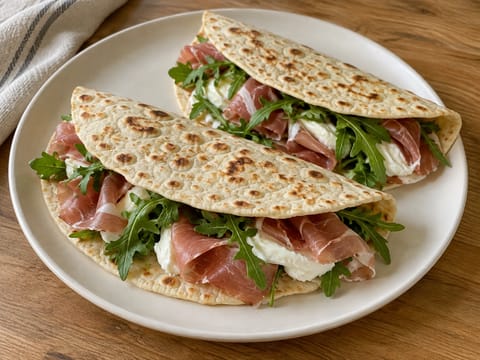
Warm piadina filled with prosciutto, rocket and mozzarella
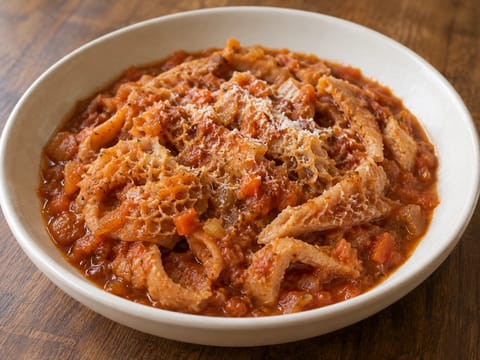
Florentine tripe simmered in tomato sauce with Parmesan

Yeasted Venetian fritters with raisins, fried and dusted with sugar
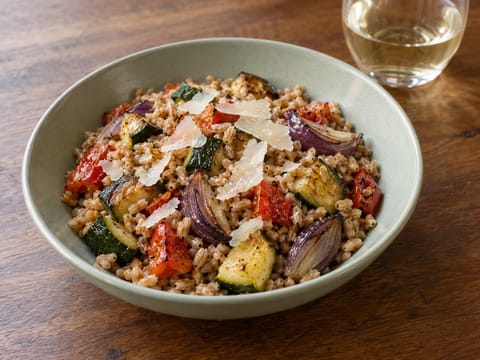
Farro with roasted courgette, pepper, onion and pecorino
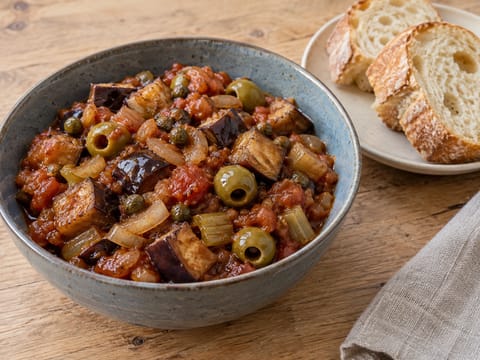
Sweet-sour aubergine caponata served with crusty bread
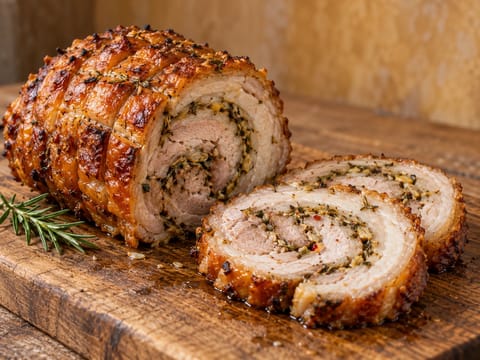
Rolled pork belly roasted with garlic, rosemary and fennel
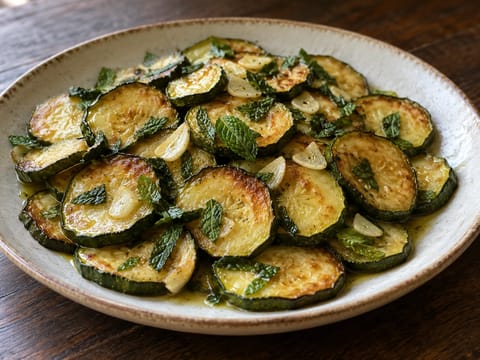
Fried courgettes dressed with mint, garlic and vinegar
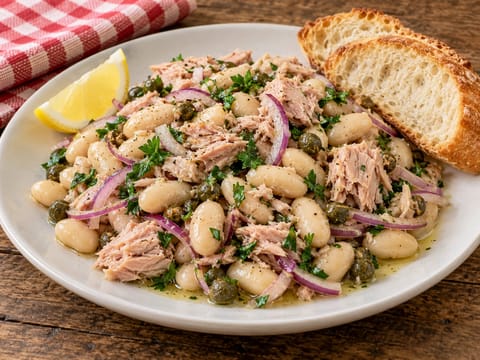
Tuna and cannellini bean salad with lemon and capers
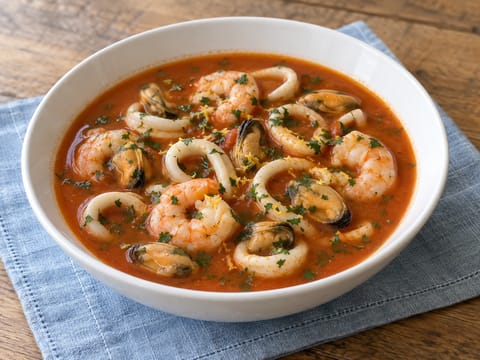
Italian seafood stew in tomato, garlic and white wine

Shortcrust tartlets with vanilla pastry cream and fresh fruit
Italian dinners are often made by the sides as much as the main. A bitter leaf salad, a bowl of dressed tomatoes, or sautéed greens with garlic can balance a rich ragù or cheesy bake. Bread plays a practical role too, whether it is for mopping sauce or turning a simple soup into dinner. Finishing touches are usually small but decisive: a squeeze of lemon, a drizzle of good olive oil, cracked pepper, or a shower of Parmigiano-Reggiano. These last-minute additions are also where you can adjust salt and acidity without reworking the whole dish.
Cooking time is useful here because Italian-style dinners range from fast pasta sauces to slow-simmered ragù and long bakes. Occasion can help if you are deciding whether you want an everyday bowl of comfort or something that suits a more leisurely, guest-friendly table.
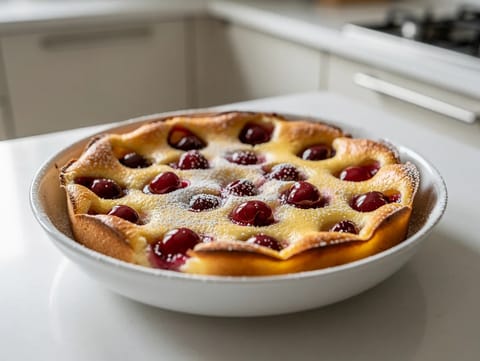
Baked cherry custard made with a simple vanilla batter
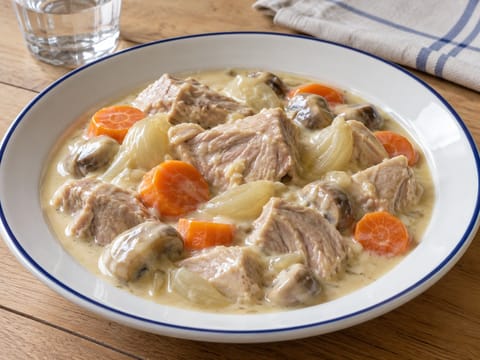
Creamy veal stew with mushrooms, carrots and a velvety sauce

Bengali rice crêpes filled with coconut and jaggery
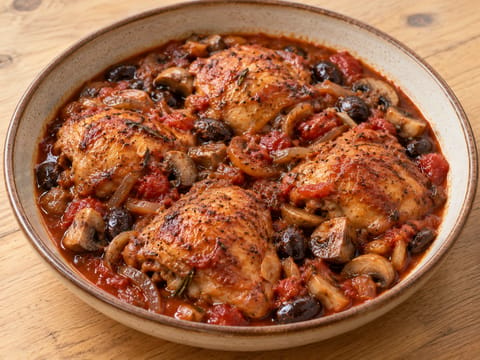
Chicken stew with tomatoes, red wine, mushrooms and olives
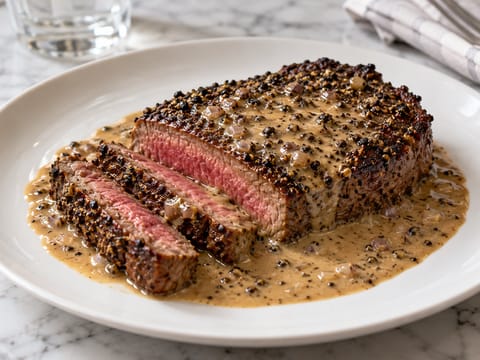
Pepper-crusted steak with a brandy and cream pan sauce
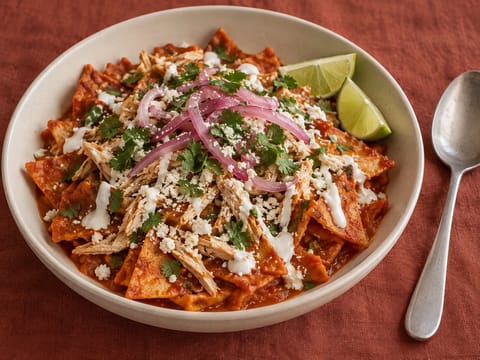
Tortilla chips in tomato chilli sauce with shredded chicken
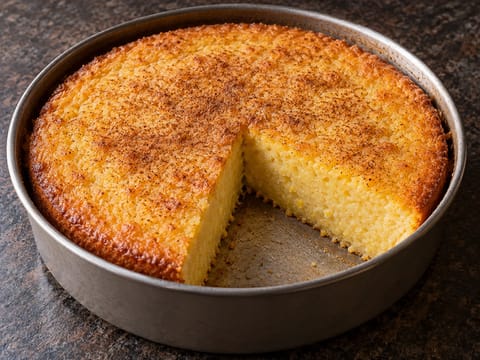
Mexican sweetcorn cake with condensed milk and cinnamon
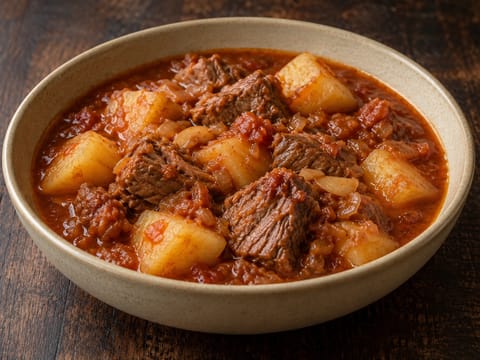
Lebanese lamb and potato stew in a tomato sauce
No. Pasta is common, but Italian-style dinners can centre on soup, a baked vegetable dish, or a simple main with greens and bread. The structure is flexible.
Pasta that is cooked through but still has a slight firmness at the centre. It matters because pasta continues to soften once it is mixed with hot sauce.
Give it time to simmer so the raw edge cooks off, and make sure it is properly salted. A little fat, such as olive oil, can round the flavour; sweetness is not always necessary.
Add acidity and freshness at the end: lemon, vinegar in a salad, or herbs. Serve with greens or a crisp salad rather than another starchy side.
Often, yes. Sauces, roasted vegetables and many baked dishes can be made earlier, then finished or reheated close to serving so textures stay appealing.
Pick a main format, do any slow cooking earlier, and keep one fresh element for the last minute. That balance is what makes Italian-style dinners feel both comforting and clear.
