
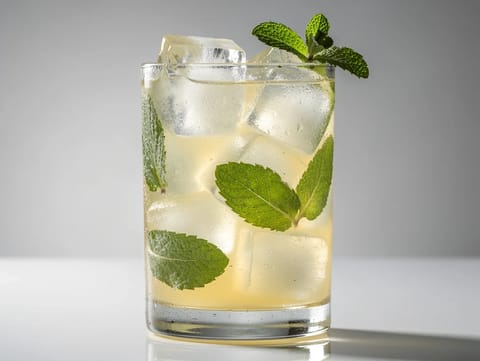
Nimbu Pani (Indian Lemonade)
Indian lemonade with lemon juice, black salt and roasted cumin
A good drink choice is mostly about temperature, sweetness and how it will be served. Some drinks are designed to refresh between bites; others are part of the food itself, like smoothies, shakes or warm spiced drinks. Practical details matter: whether you can make it in a jug, whether it needs blending to order, and how long it stays well once poured. Start there, and the flavour decisions become straightforward.
Drink recipes often fall into hot drinks, chilled non-alcoholic drinks, smoothies and blended drinks, and cocktails or mixed drinks. Hot drinks tend to be about aroma and comfort, and they’re usually served individually. Chilled drinks can be built for speed and volume, from simple citrusades to more complex infusions.
Blended drinks, including smoothies, are more like a liquid dish: texture is central, and they’re best soon after blending because foam and ice melt change the mouthfeel. Mixed drinks vary widely, but they often rely on balance between sweetness, acidity and dilution, which is why measuring and ice matter.
Across all types, garnish is most useful when it adds aroma or signals flavour, rather than acting as decoration alone.
Indian lemonade with lemon juice, black salt and roasted cumin
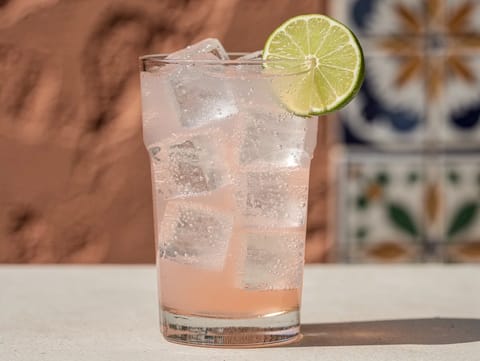
Tequila and grapefruit cocktail topped with soda water
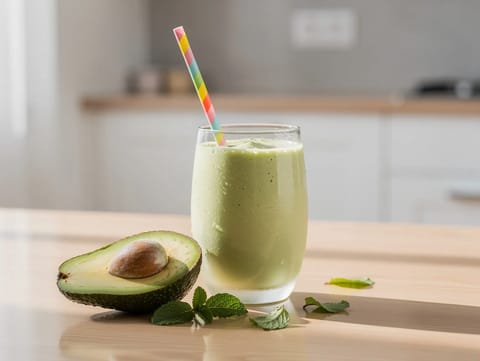
Vietnamese avocado smoothie with condensed milk and ice
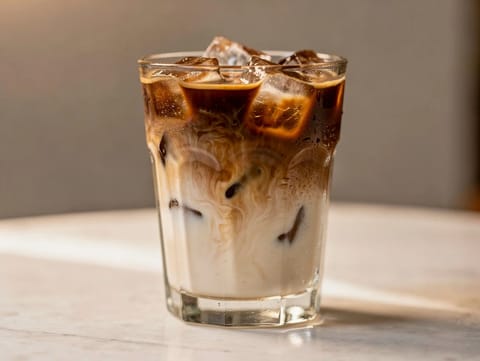
Iced espresso with sweetened almond drink
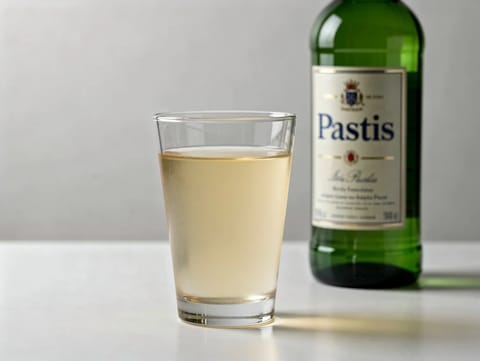
French pastis diluted with cold water until cloudy
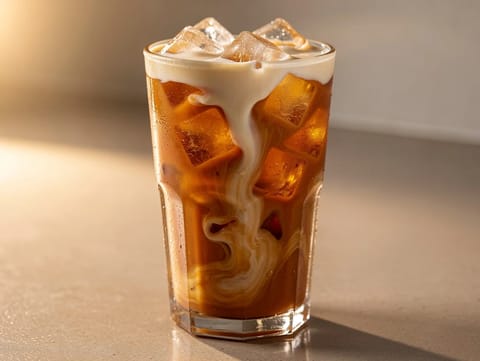
Strong iced tea topped with sweetened condensed milk
If you’re serving a group, batchable drinks reduce last-minute work. Look for recipes that can be mixed in a jug or pitcher and held in the fridge, then finished with ice, sparkling water or a garnish at the last moment. Drinks that rely on fizz are usually best topped up just before serving so they stay lively.
For single-serve drinks, consider the workflow. Shaken or blended drinks can be quick, but they keep you tied to the kitchen. Stirred drinks and simple builds are calmer when you’re also cooking.
Also think about sweetness. Very sweet drinks can dull the palate alongside savoury food, so it often helps to include acidity, bitterness or a salty snack to keep things in balance.
Iced espresso with sweetened almond drink
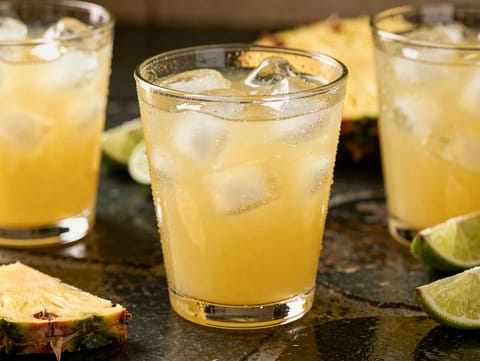
Pineapple agua fresca strained smooth and served over ice
Strong iced tea topped with sweetened condensed milk
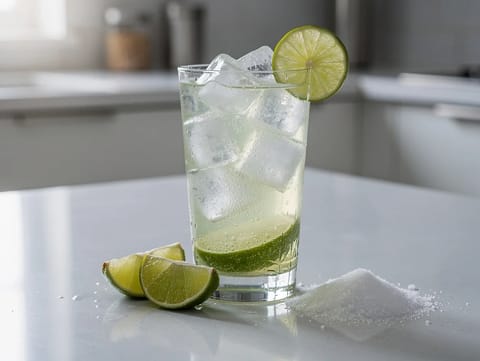
Fizzy lime drink with sugar, salt and ice
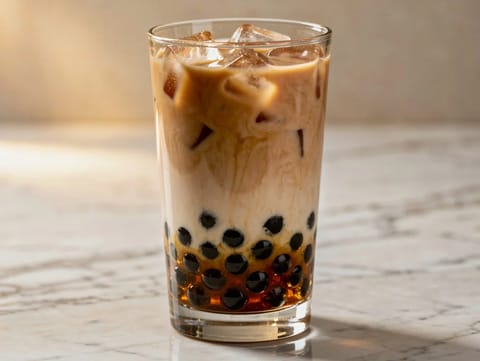
Black milk tea served over chewy tapioca pearls and ice
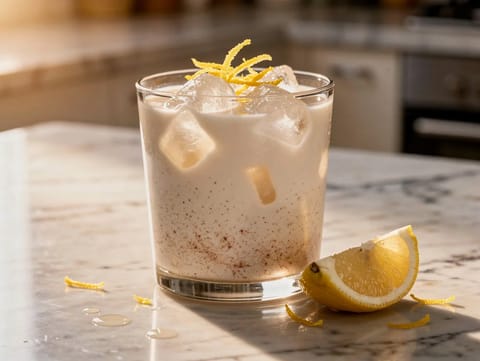
Chilled tiger nut drink with cinnamon and lemon
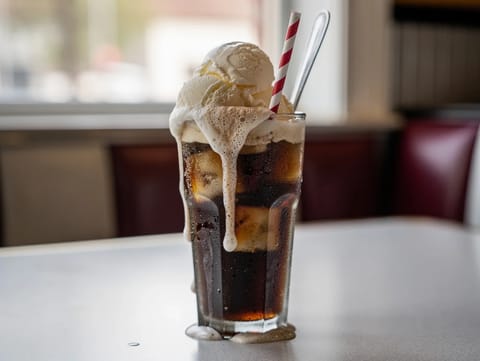
Vanilla ice cream topped with chilled root beer
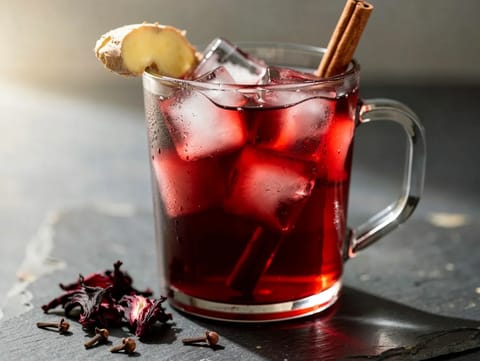
Chilled hibiscus drink steeped with ginger, cloves and cinnamon
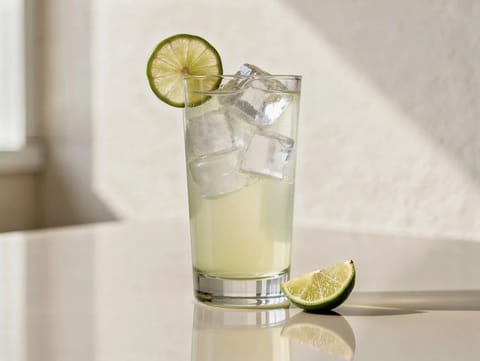
Fizzy Thai lime soda served over ice
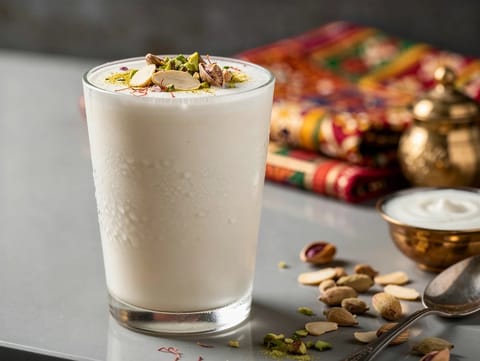
Chilled sweet lassi blended with yoghurt, milk and cardamom
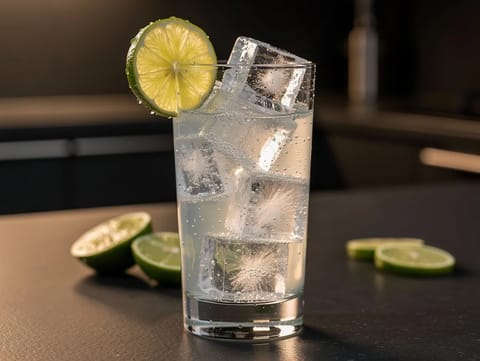
Gin and tonic with lime served over ice
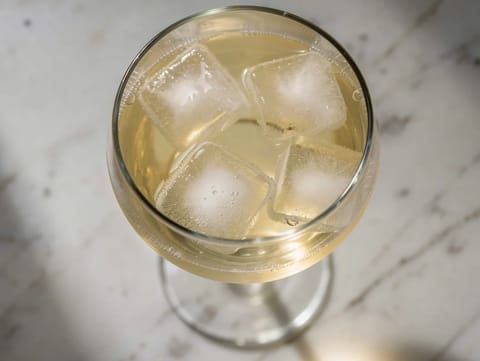
White wine mixed with sparkling water and served chilled
Match intensity to intensity. Delicate food can be overwhelmed by heavily spiced, very sweet or strongly bitter drinks, while robust dishes can make subtle drinks taste thin. Temperature is a simple lever: chilled drinks refresh with hot food; warm drinks can extend the feeling of dessert or a late meal.
If you’re serving drinks before food, keep them appetite-friendly. A drink with some acidity or bitterness can feel brisk, while creamy or very sweet drinks tend to read as dessert-like.
For mixed groups, offer a non-alcoholic option with the same care as the main drink. A well-balanced citrus or tea-based drink can sit comfortably alongside cocktails without feeling like an afterthought.
Dish type can help when you know the format you want, such as smoothies, cocktails or hot drinks. Cuisine can be useful when you want drinks that echo the flavours of the food, such as citrus-forward, spiced or herb-led profiles common to particular cooking styles.
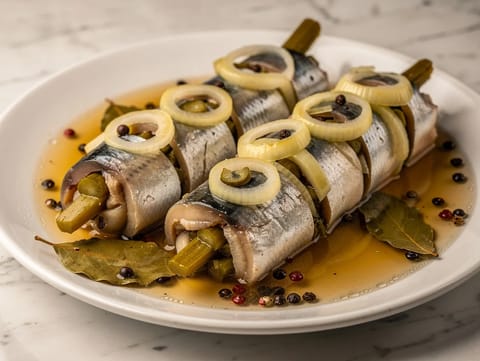
Pickled herring rolls filled with gherkins and onion
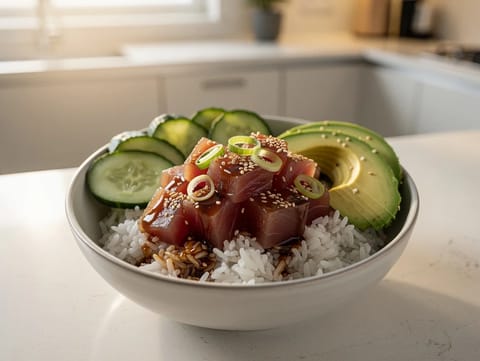
Quick tuna poke bowl with rice, avocado and cucumber.
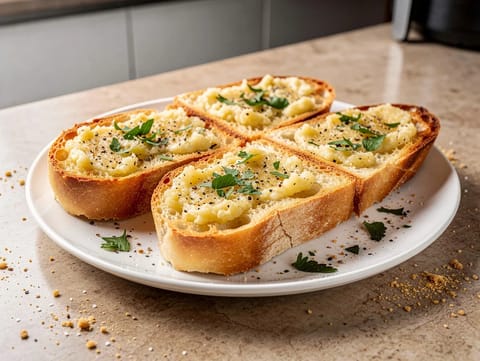
Air-fried baguette with garlic butter and parsley.
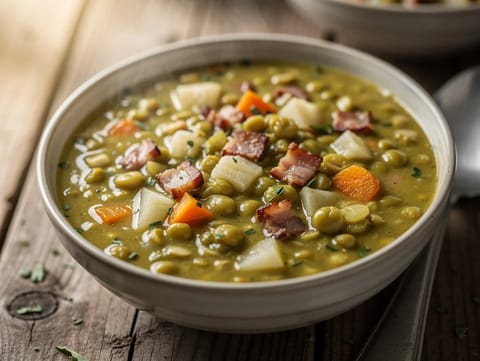
Thick split pea soup with smoked bacon and vegetables
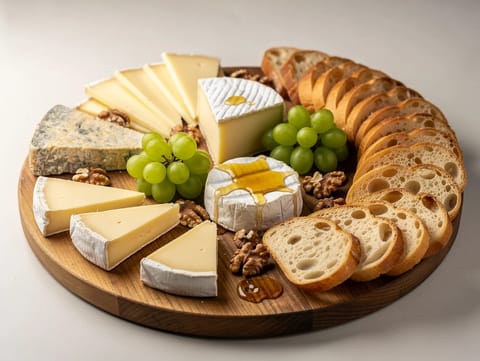
Aged French cheese board with grapes, walnuts, honey and baguette
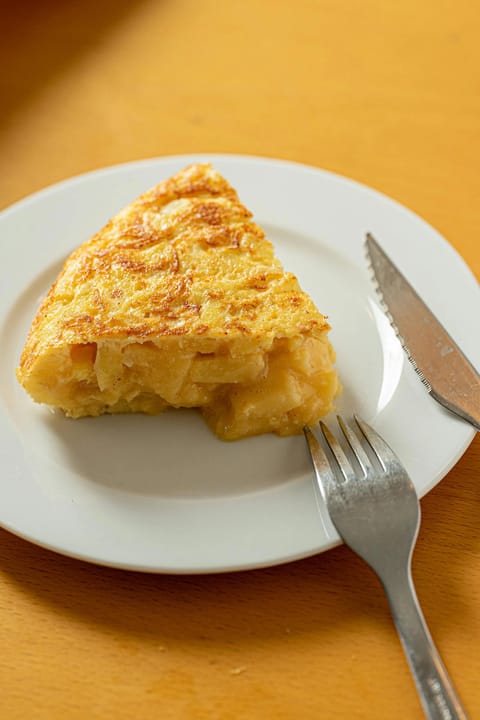
Thick Spanish omelette with potatoes and onion
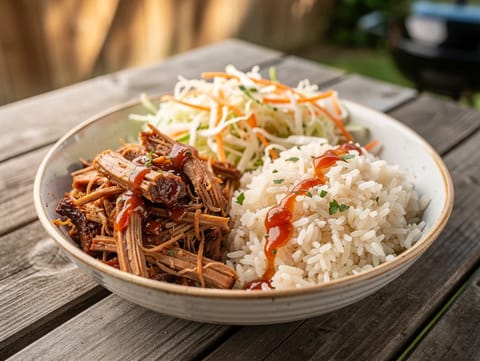
BBQ pulled pork over rice with cabbage and carrot coleslaw
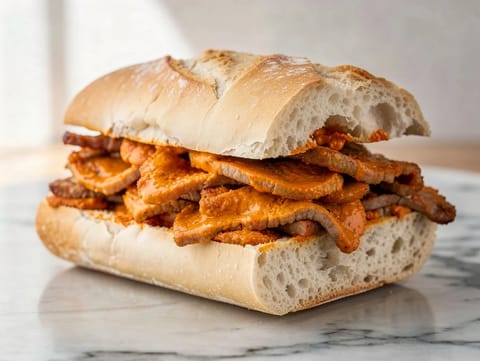
Portuguese pork sandwich with garlic, wine and paprika
Anything primarily served in a glass or mug, including hot drinks, chilled soft drinks, smoothies and mixed drinks. Some are sipped alongside food; others function more like a snack or dessert.
Start with intensity and sweetness. Savoury meals usually suit drinks that are not overly sweet, with some acidity or bitterness. Then decide on temperature: chilled for refreshment, warm for comfort or dessert-like moments.
Many jug-style drinks, infusions and some cocktails can be mixed ahead and chilled. Drinks that depend on fizz, crushed ice or blending are usually best finished close to serving for the intended texture.
Ice melts, bubbles dissipate, and aromas fade. That changes dilution and balance, especially in citrusy or sparkling drinks. Holding components separately and combining at the last moment often helps.
Choose a drink with structure: acidity, a little bitterness, or a tea or herb base. Served cold with plenty of ice and a fragrant garnish, it can feel as considered as any cocktail.
Pick drinks by how they’ll be served and how long they need to hold. Once you know whether you’re batching, blending or pouring hot, you can fine-tune sweetness and acidity to suit the food and the moment.
