
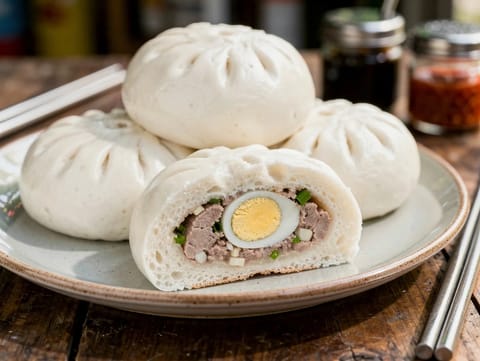
Bánh Bao (Vietnamese Steamed Pork Buns)
Fluffy steamed buns filled with minced pork and hard-boiled egg
Pastry is less a single dish than a family of doughs that behave in distinct ways in the oven. Some pastries aim for flakes and lift, others for a short, sandy bite, and some rely on steam for their structure. Once you know which style you are working with, it becomes easier to choose fillings, plan timing, and serve pastries in a way that stays crisp. This page focuses on how pastry fits into a menu, from brunch bakes to dessert plates and shared tables.
Most pastry recipes fall into a few recognisable behaviours. Flaky pastries, such as puff pastry and rough puff, depend on cold fat and distinct layers, so they reward gentle handling and a hot oven that sets the structure quickly. Shortcrust pastries aim for tenderness rather than lift; overworking can make them tough, while resting helps the dough relax so it rolls without shrinking. Choux pastry is its own category: it is cooked on the hob first, then baked so steam expands the paste into hollow shells.
These behaviours affect how you plan the rest of the recipe. A wet filling can soften a crisp base, a long bake can over-brown delicate edges, and a pastry that is perfect at 10 minutes out of the oven may be less crisp an hour later. Choosing with serving time in mind is part of choosing the right pastry.
Fluffy steamed buns filled with minced pork and hard-boiled egg
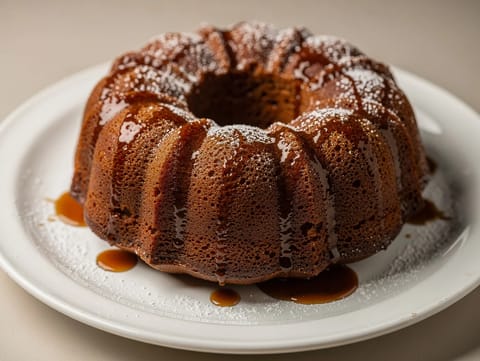
Buttery rum cake soaked with warm dark rum syrup
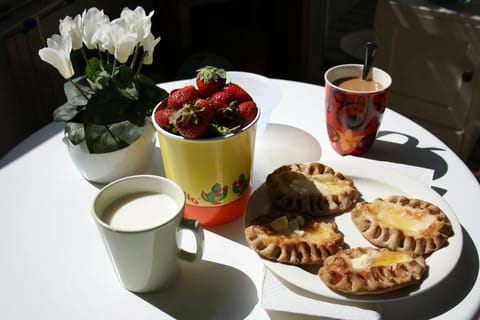
Rye pastries filled with rice porridge and served with egg butter
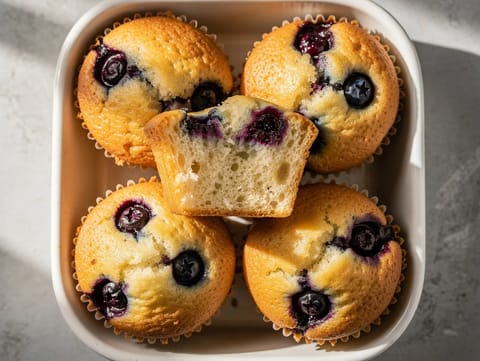
Air fryer muffins with blueberries in a simple sweet batter.
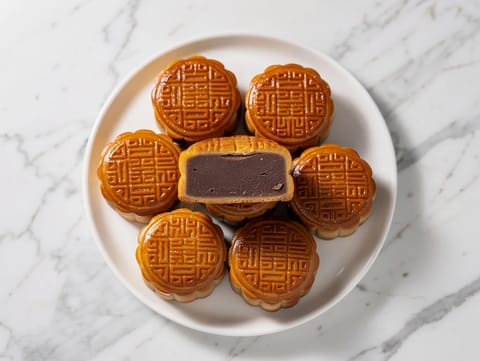
Baked mooncakes with golden syrup dough and red bean paste
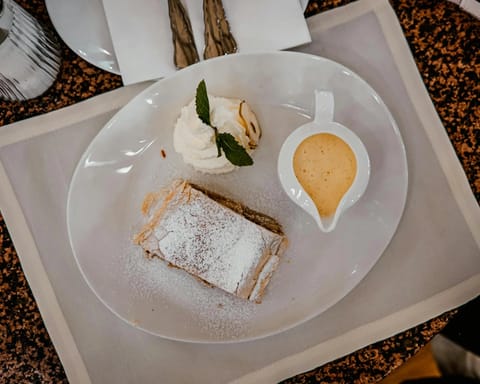
Thin pastry strudel filled with cinnamon apples, raisins and lemon
Pastry often shows up as a container: tarts, pies and galettes that hold fruit, custard, vegetables, cheese or meat. In these, the balance is between a base that stays tender and a filling that sets cleanly enough to slice. Pastry also appears as individual portions, such as turnovers, buns and filled parcels, where sealing and venting matter as much as flavour. Then there are pastries designed for height and lightness, including choux buns and éclairs, where the filling is added after baking to preserve the shell.
Some pastry recipes are built for a single centrepiece, while others naturally become a tray of smaller pieces for sharing. That difference affects everything from how you portion the dough to whether you finish with a glaze, icing sugar or a simple brush of egg wash for shine.
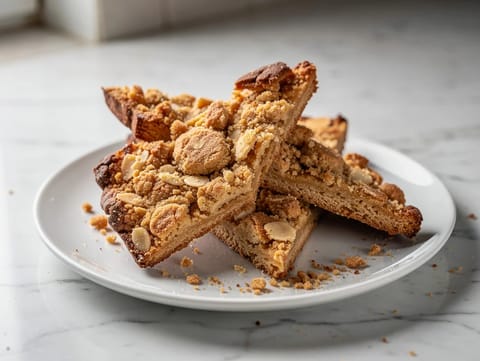
Crumbly Venetian almond cake baked until golden
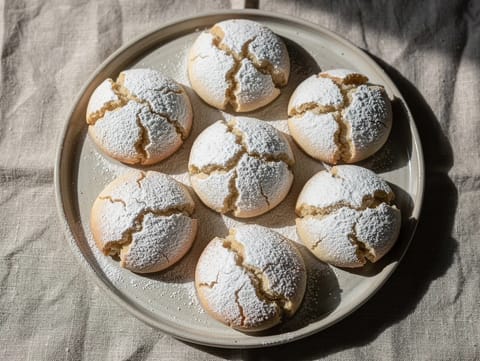
Crackled almond biscuits flavoured with orange blossom water
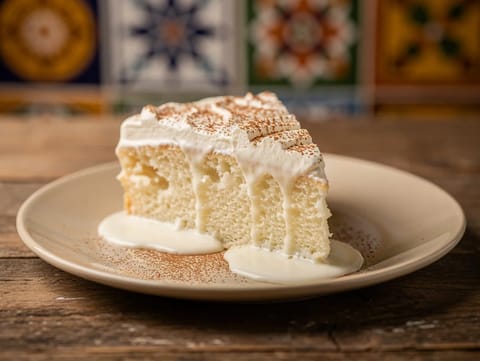
Sponge cake soaked in three milks with cinnamon whipped cream
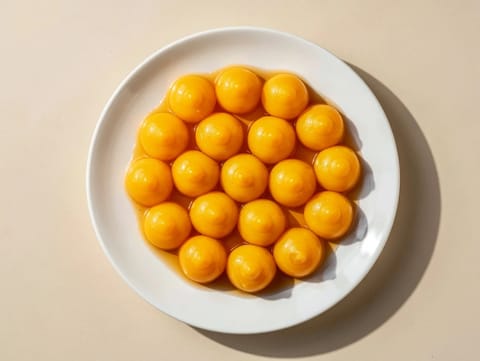
Egg yolk drops cooked and soaked in sugar syrup
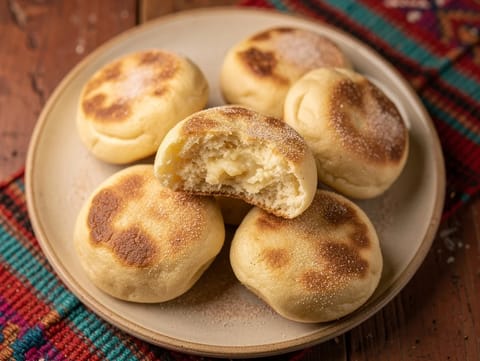
Tender griddled pastries made with cream and lightly sweetened dough
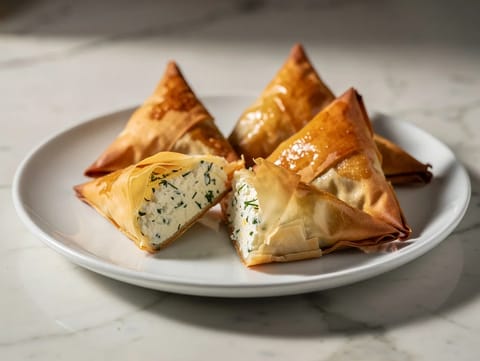
Greek filo triangles filled with feta, ricotta and dill
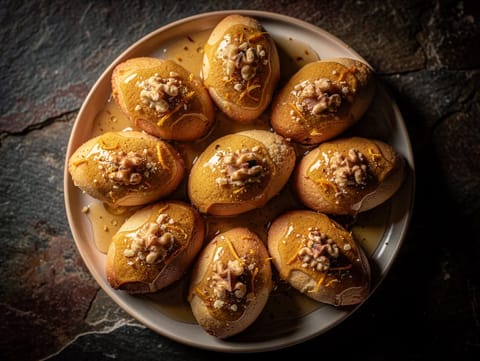
Greek honey-soaked biscuits with orange, spices and walnuts
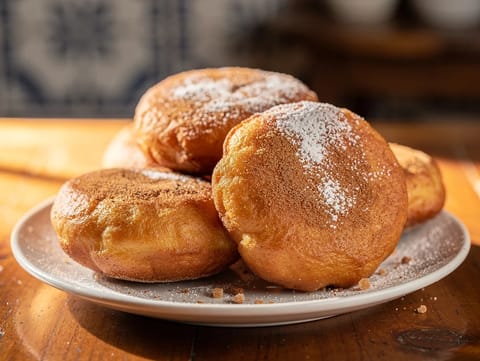
Portuguese fried pastries coated in cinnamon sugar
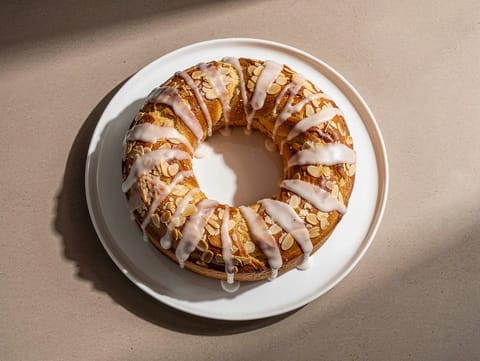
Buttery almond wreath pastry with flaked almonds and icing glaze
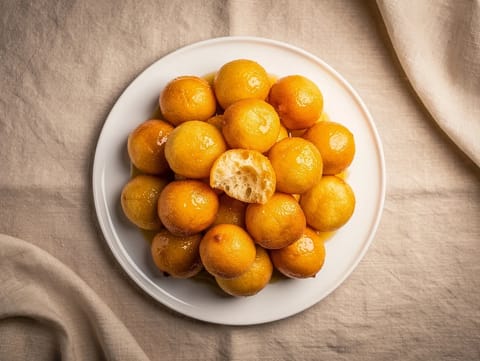
Yeast raised fried dough bites soaked in lemon sugar syrup
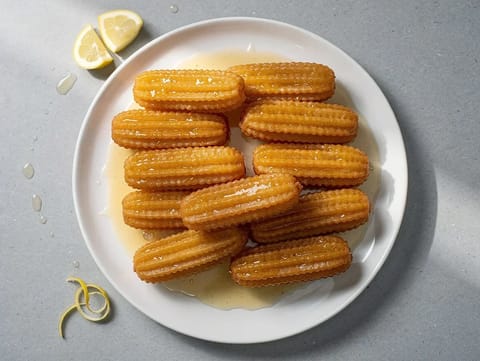
Ridged choux fritters soaked in cooled lemon syrup
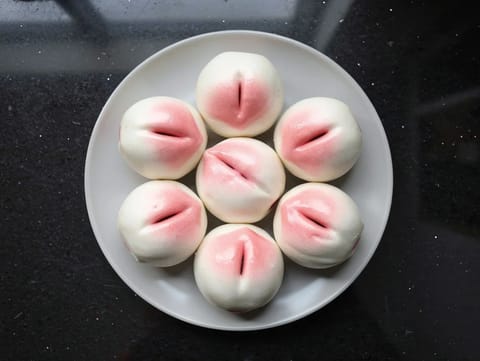
Peach-shaped steamed buns filled with sweet red bean paste
If you want crispness and visible layers, choose a flaky pastry style and plan to serve it fairly soon after baking. These pastries are at their best when the filling is not overly wet, or when the recipe includes a barrier layer, such as a thin spread of jam, frangipane or a dusting of crumbs, to protect the base.
For clean slices and a more stable finish, shortcrust-based tarts and pies are often easier to portion. They also suit fillings that need a longer bake, such as custards or dense fruit.
If you are baking for guests, consider whether the pastry needs last-minute assembly. Choux and filled pastries can be excellent for entertaining, but they usually ask for a clear plan: bake shells ahead, cool fully, then fill close to serving so the pastry stays light rather than soft.
Pastry can play several roles, and it helps to decide which one you need. For brunch or a light lunch table, savoury pastries work well alongside crisp salads and sharp pickles, which cut through butter and cheese. For dessert, pastry is often the structured element on the plate, so you can keep the rest simple: a spoon of cream, a fruit compote, or a scoop of ice cream if you are serving immediately.
On a shared table, small pastries are easier to manage than large, messy slices. If you are serving a big tart or pie, think about the first cut: a filling that sets properly and a base that is not too fragile will make serving calmer. Pastry also pairs naturally with drinks, from coffee at breakfast to tea in the afternoon, because it is easy to portion and eat by hand.
Dish is a helpful next step when you know the pastry format you want, such as tart, pie or éclairs. Cuisine can also guide you towards familiar pastry traditions and flavour pairings, while still leaving room for regional variation.
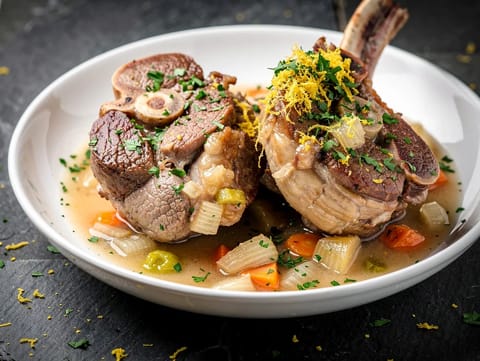
White-braised veal shanks finished with parsley and lemon zest gremolata
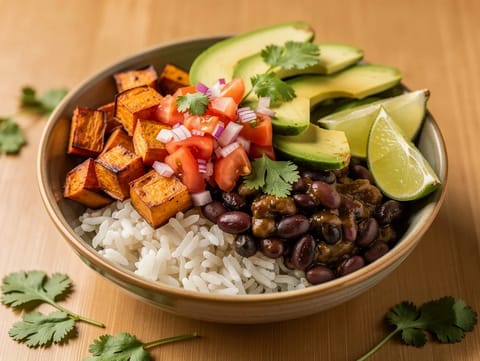
Sweet potato, black beans and rice with avocado and lime
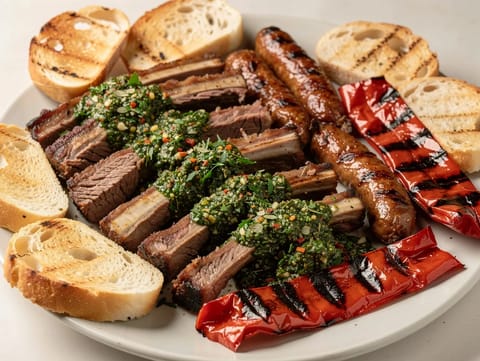
Grilled beef ribs and sausages with parsley chimichurri
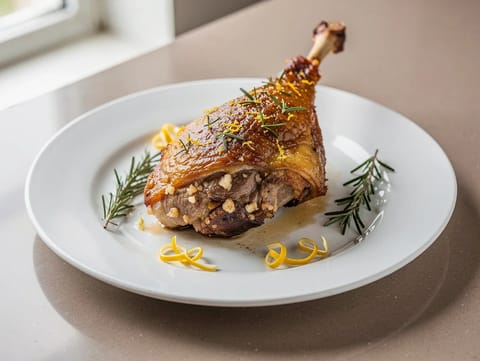
Leg of lamb roasted with garlic and rosemary.
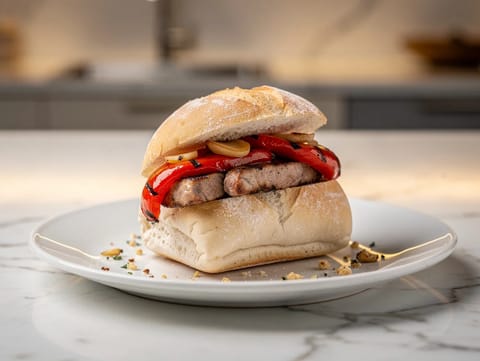
Spanish pork and sweet pepper sandwich with garlic and paprika
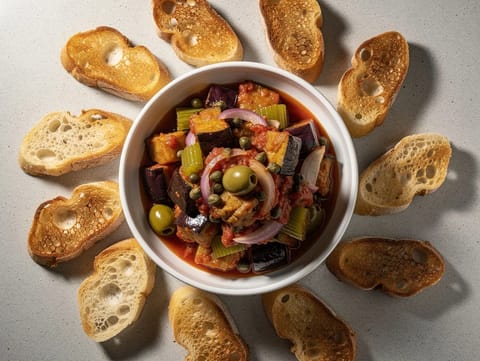
Sweet-sour aubergine caponata served with crisp crostini
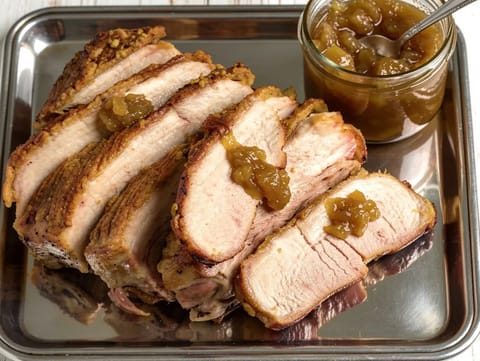
Slow-roasted pork belly with crisp crackling and apple chutney
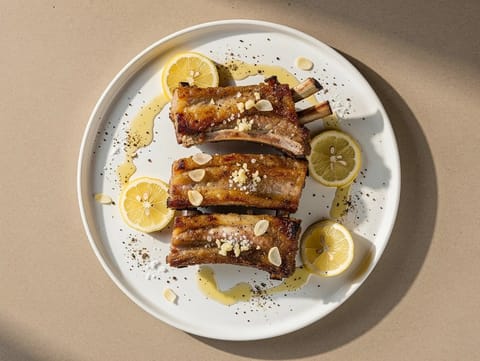
Paprika-roasted pork ribs with garlic, olive oil and lemon
Dessert is a course; pastry is a style of baking. Many pastries are desserts, but pastry can also be savoury, and some desserts contain no pastry at all.
In many doughs, cold fat stays in distinct pieces. In the oven, that fat melts and creates separation, which helps flakiness and tenderness. Warm dough can smear the fat into the flour, changing the final texture.
A wet filling can soak into the pastry before the crust has set. Some recipes reduce the filling first, bake the base partially, or use a barrier layer to help the crust stay crisp.
Choux rises mainly from steam. The paste holds water, and in the oven that water turns to steam and expands, creating a hollow centre as the outside sets.
Often, yes, but what you make ahead depends on the style. Many doughs can be prepared and rested in advance, and some pastries can be baked earlier and finished close to serving to keep them crisp.
When you choose pastry by how it behaves, the rest of the decisions become clearer: which fillings will set, how far ahead you can prepare, and whether you should serve warm for crispness or cool for clean slices.
