
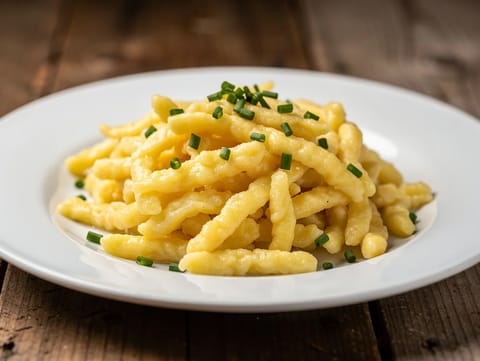
Spätzle (German Egg Noodles with Butter and Chives)
Soft spätzle noodles tossed with butter and chives
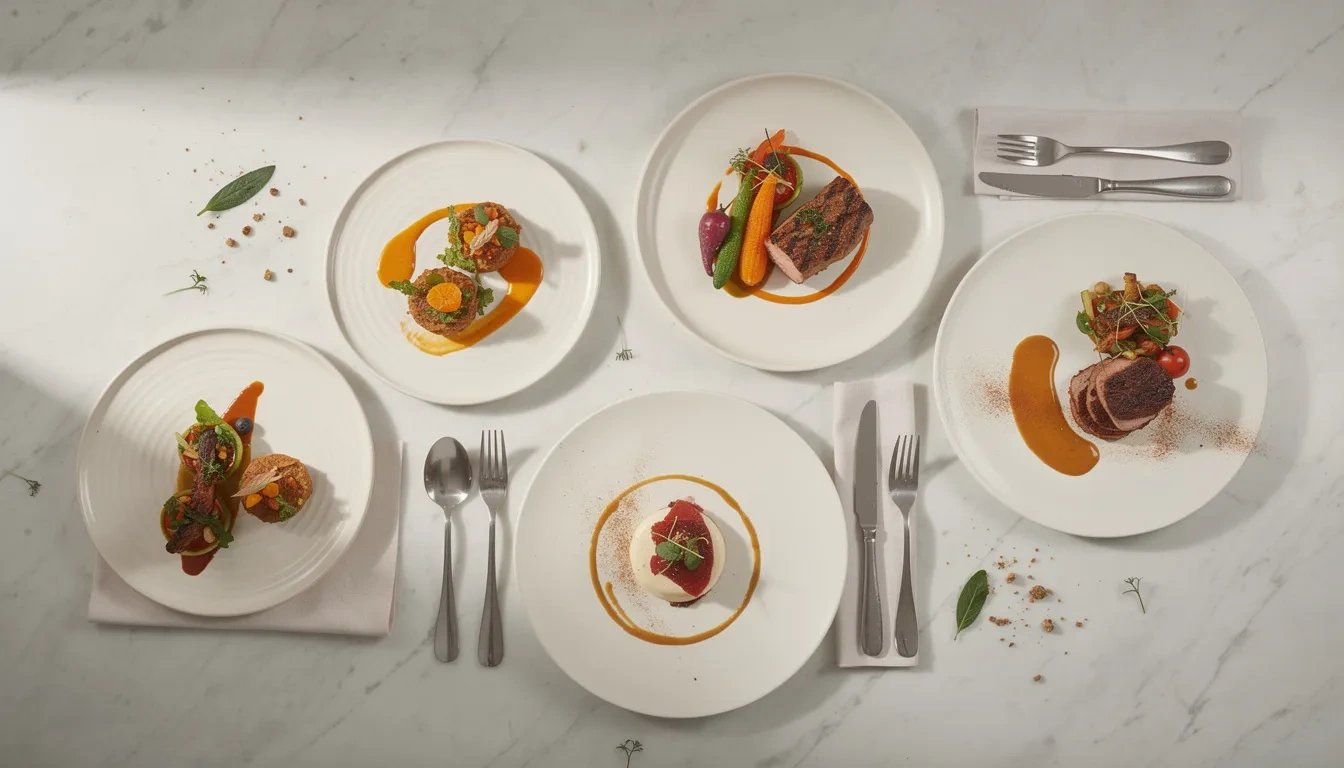
A side dish is rarely an afterthought in practice. It is the part of the meal that can add crunch to something soft, freshness to something rich, or a starchy base to carry sauces. Because sides are often cooked in parallel with a main, the best choices are the ones that match your timing and your available hob and oven space. This page focuses on how to pick side dishes that do a clear job on the plate, without duplicating what the main already provides.
Side dishes are easiest to choose when you decide what the main course is missing. If the main is slow-cooked and soft, a crisp salad, slaw or roasted vegetable with browned edges can bring needed texture. If the main is spicy or heavily seasoned, a plainer side, such as rice, bread or potatoes, can give the palate somewhere to rest. If the main is lean, a side with a richer dressing or a buttery finish can round out the meal.
Sides also manage temperature and pacing. A cold or room-temperature side can be made earlier and served when the main is ready, while a hot side often needs careful timing so it arrives at the table at its best. Thinking about the job a side must do keeps the menu coherent, even when the dishes come from different cooking traditions.
Soft spätzle noodles tossed with butter and chives
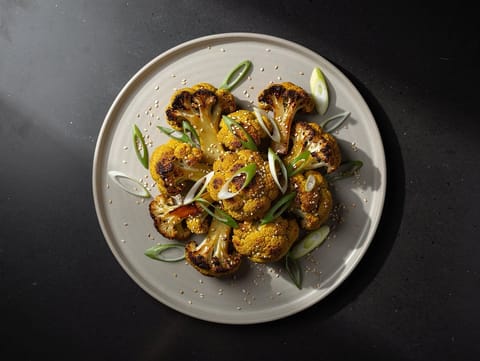
Roasted cauliflower glazed with miso, sesame oil and spring onion
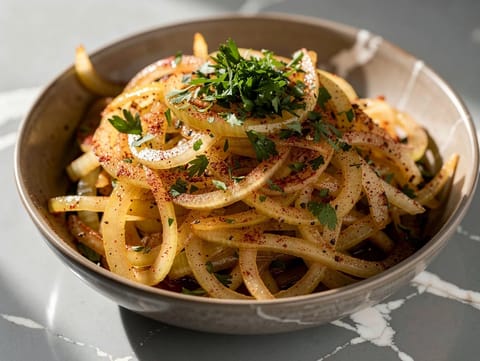
Sharp sumac onion salad with lemon, olive oil and parsley
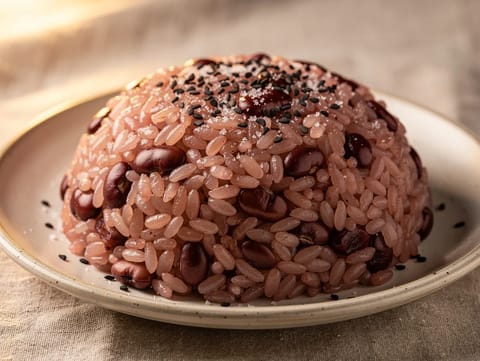
Glutinous rice cooked with adzuki beans and black sesame
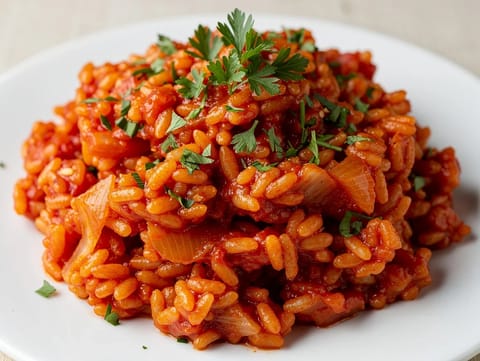
Portuguese tomato rice simmered with onion, garlic and stock
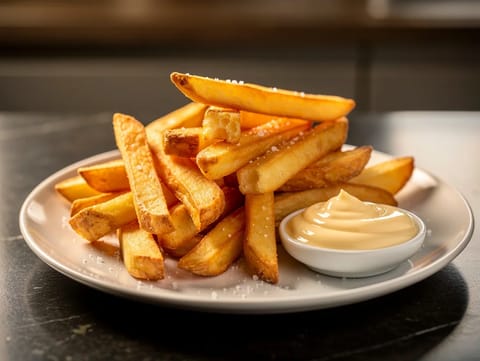
Double-fried Belgian chips served with mayonnaise
Many side dishes fall into a few familiar families. Vegetable sides can be raw, blanched, roasted, grilled or braised, and the method changes the role: raw tends to be crisp and bright, roasted tends to be sweet and savoury with browned edges, and braised tends to be soft and saucy. Starchy sides include potatoes, rice, pasta, breads and grains, chosen for how they carry sauces and how filling you want the meal to feel. Then there are side dishes that act as condiments in all but name, such as salsas, relishes and chutney-style accompaniments, which can lift a simple main with acidity, heat or sweetness.
Some sides are designed to be shared from a platter, while others portion neatly. That difference matters when you are serving a crowd or trying to keep the table calm and uncluttered.
Air fryer sweet potato fries tossed with cornflour, oil, salt and paprika.
Courgettes and sweetcorn sautéed with onion, garlic and tomato, finished with lime and coriander
Vietnamese sweetcorn and prawn stir-fry with spring onions, garlic and fish sauce
Roasted cauliflower tossed in a tomato, onion, garlic and ginger masala
Tender kale simmered and finished with double cream, sea salt and nutmeg
A useful rule of thumb is to avoid repeating the same dominant texture twice. If the main is creamy, choose a side with crunch. If the main is crisp, choose something tender or saucy. Flavour contrast matters too. Rich mains often welcome acidity, which can come from citrus, vinegar, yoghurt or pickles. Smoky or grilled mains often pair naturally with something fresh and herbal.
Timing is a practical filter. If the main needs the oven, choose a side that can be done on the hob, served cold, or finished quickly under a grill. If you have limited hob space, a tray-baked vegetable side can be simpler than juggling multiple pans.
For quick meals, sides that are assembled rather than cooked, such as chopped salads or simple dressed vegetables, can make the plate feel complete without adding another long cooking step.
A balanced plate often needs only one well-chosen side, especially if the main already includes vegetables or starch. If the main is protein-forward, add a vegetable side and decide whether you also need a starch. If the main is already starchy, such as pasta or a pie, a crisp green side can be enough.
When you are serving several sides, vary them deliberately: one crisp, one soft; one warm, one cool; one plain, one boldly seasoned. This keeps the meal from feeling repetitive. It also helps to think about serving vessels. A side that can be spooned from a bowl is calmer than one that needs careful plating, particularly when you are feeding a group.
Sides are also where you can adjust the meal for different appetites, offering extra starch or extra vegetables without changing the main dish.
If you have a main dish in mind, browsing by Dish can help you find sides that naturally sit alongside it, such as salads, potatoes or vegetable platters. Cooking time is also useful when you need a side that fits the same window as the main, or one you can make while something else is in the oven.
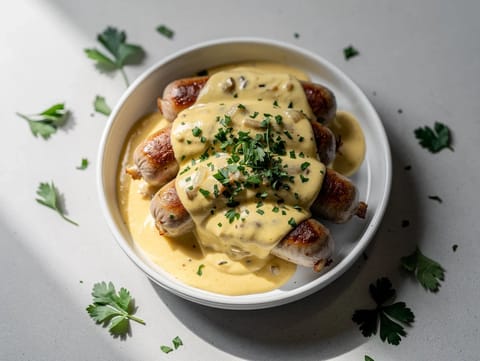
Pan-seared andouillette in a creamy Dijon mustard sauce
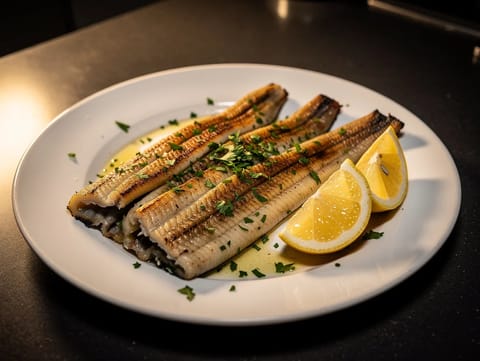
Italian grilled eel with lemon, garlic and parsley
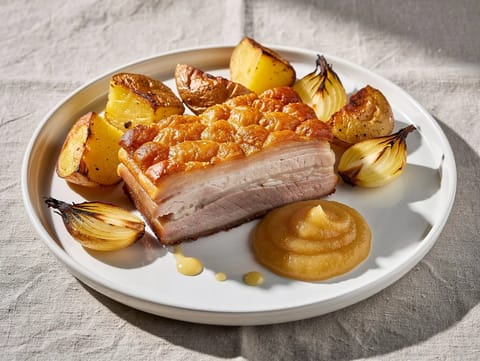
Roast pork belly with crisp crackling, potatoes and apple sauce
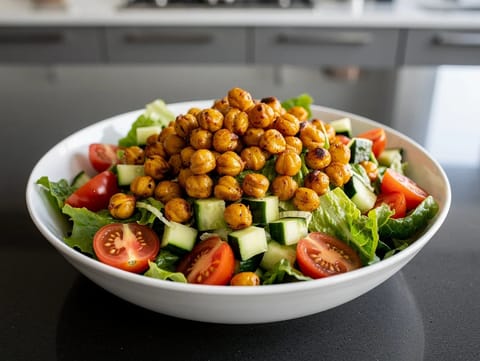
Crispy chickpea salad with lemon and crunchy veg
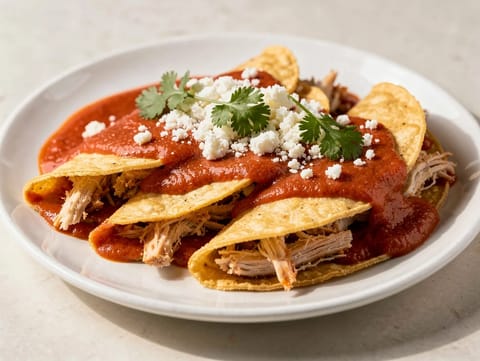
Tomato-sauced tortillas filled with pulled chicken
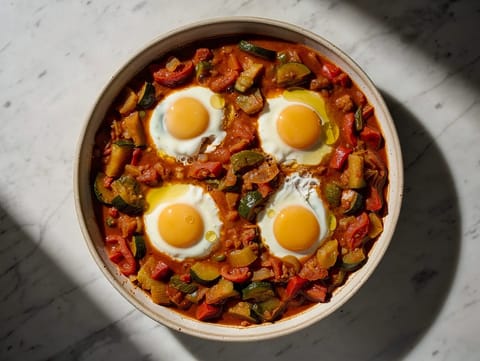
La Mancha vegetable stew topped with fried eggs
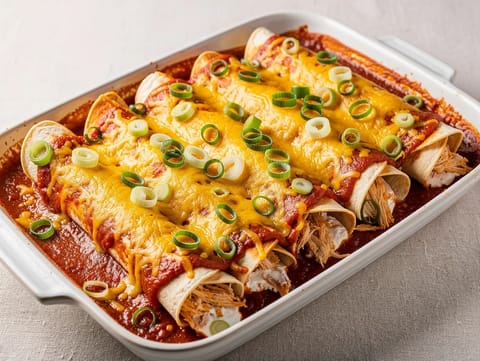
Baked buffalo chicken enchiladas with cheddar and tomato topping
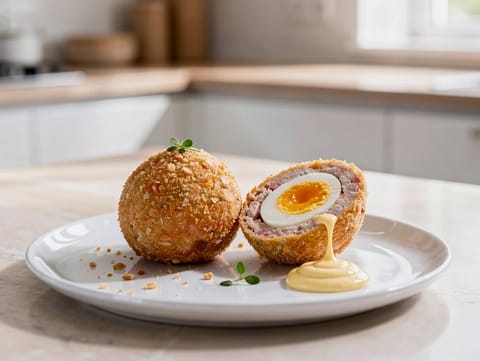
Scotch eggs with sausage meat and mustard mayonnaise dip
A side dish is served alongside the main part of the meal to complete the plate. An appetiser is served before the main course and is usually smaller and designed to start the meal rather than support it.
It depends on what the main includes. If the main already has vegetables and starch, one contrasting side can be enough. If the main is simple, adding a vegetable side and a starchy side often creates a more complete meal.
Avoid repeating the same dominant flavour and texture. If the main is heavily spiced or saucy, keep at least one side simple and neutral, and use another side for freshness or crunch.
Sides served cold or at room temperature, such as many salads and relishes, are often easier to prepare in advance than hot sides that rely on crispness or precise timing.
Pick sides that use different equipment or can be served without baking. Hob-cooked grains, quick sautéed greens, and assembled salads can all complement an oven-based main without competing for space.
Choose a side dish for what it adds: crunch, freshness, starch or sauce. When the side contrasts with the main and fits your timing, the whole meal feels more deliberate with very little extra work.
