
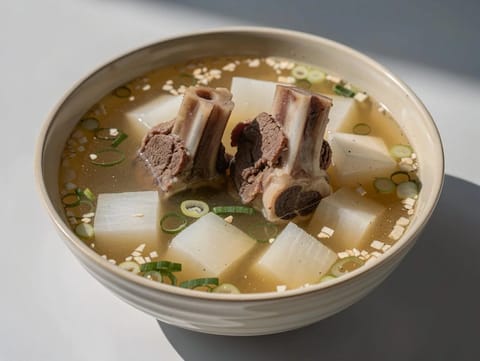
Galbitang (Korean Clear Beef Short Rib Soup with Radish)
Korean clear short rib soup with radish and spring onions

Korean food is often immediately recognisable: savoury depth, chilli heat that can be smoky or sweet, and a fondness for fermented flavours. Many dishes are built around rice, noodles, soups and grilled or stir-fried proteins, with vegetable sides adding crunch and acidity. On a recipe list you’ll also see Korean-inspired dishes that borrow the core seasonings, such as gochujang or sesame, and apply them to familiar formats. Knowing which flavour base a recipe uses is the quickest way to predict how it will taste and how it will fit into a meal.
Korean recipes may range from classic dishes with established names to modern, Korean-inspired cooking that uses similar seasonings and textures. The boundary is often the pantry: ingredients such as gochujang (chilli paste), doenjang (fermented soybean paste), gochugaru (chilli flakes), toasted sesame oil, garlic and soy sauce create a distinctly Korean flavour profile even in an adapted dish. Fermented components, especially kimchi and fermented pastes, can be central rather than optional, shaping both taste and aroma. If you’re choosing between recipes, note whether the dish is built around fermentation (kimchi stews, seasoned vegetables), around grilling and caramelisation (barbecue-style meats), or around a quick sauce and stir-fry. Those categories cook and eat quite differently.
Korean clear short rib soup with radish and spring onions
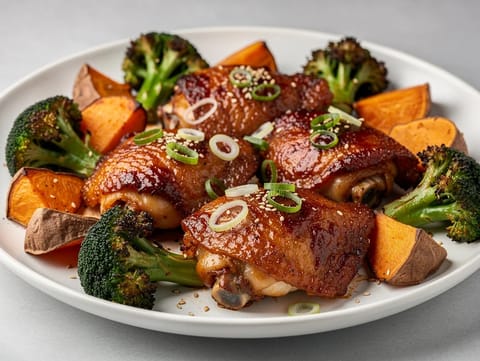
Gochujang chicken traybake with sweet potato, broccoli and sesame
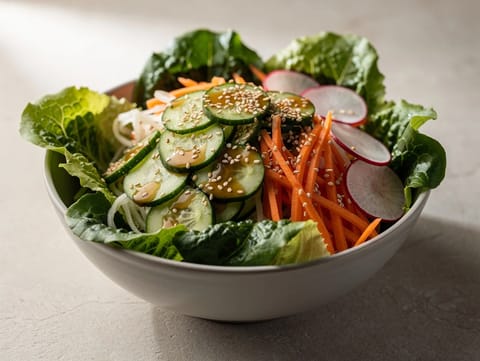
Crisp Korean salad with nutty sesame dressing

Banana and soy milk smoothie blended with ice.
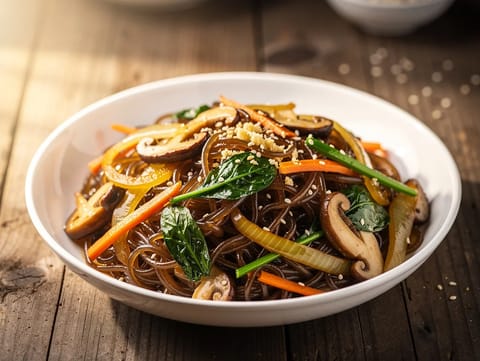
Glass noodles tossed with stir-fried vegetables and sesame dressing
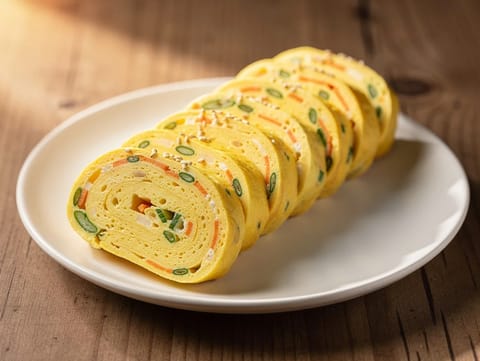
Korean rolled omelette with spring onions and carrot
Korean seasoning often balances chilli heat with savoury depth and a touch of sweetness. Gochujang brings heat plus fermented richness and stickiness, which helps sauces cling to meat, tofu or vegetables. Doenjang is earthier and saltier, often used in soups and stews where it dissolves into the broth. Garlic and spring onion are frequent aromatics, while toasted sesame oil is usually used as a finishing note because its flavour is easily dulled by long cooking. Kimchi contributes acidity, spice and a fermented tang, and it behaves differently depending on whether it’s used fresh, briefly warmed, or cooked down into a stew. When a recipe includes sugar, honey or fruit, it’s often there to round chilli and salt rather than to make the dish taste sweet.
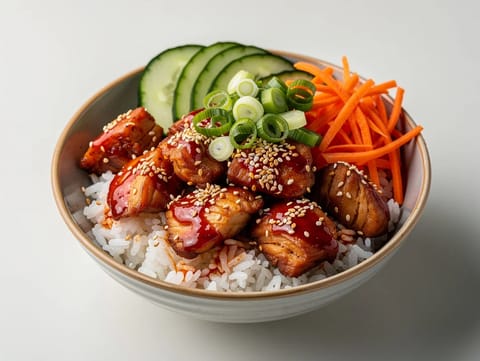
Spicy gochujang chicken bowl over sushi rice with vegetables.
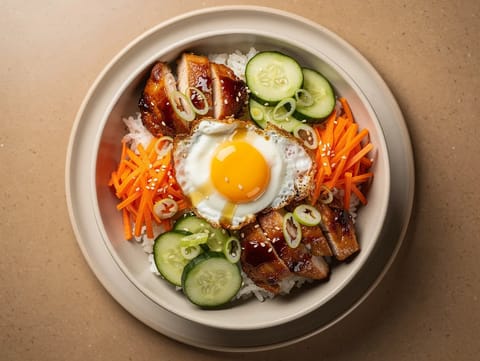
Chicken and rice bowl with gochujang soy glaze.
Crisp Korean salad with nutty sesame dressing
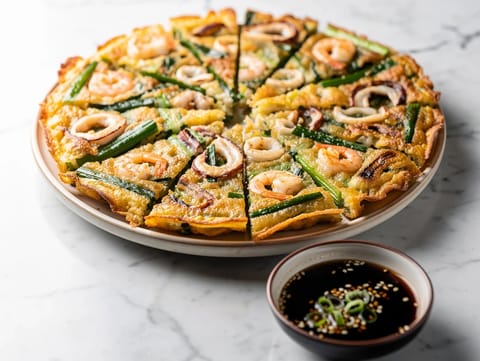
Seafood and spring onion pancake with soy vinegar dipping sauce
Glass noodles tossed with stir-fried vegetables and sesame dressing
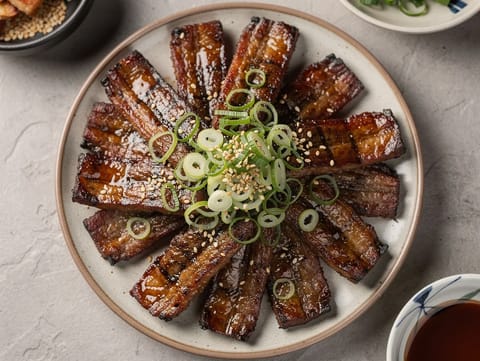
Marinated Korean short ribs grilled or seared until caramelised
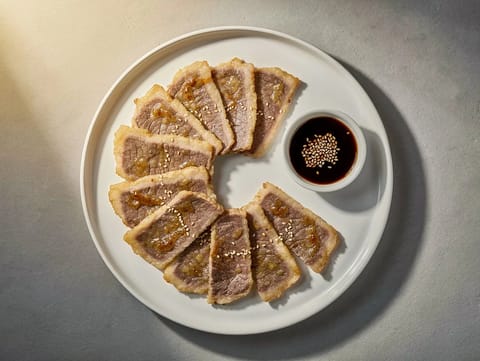
Korean pan-fried beef slices in egg coating with soy dip
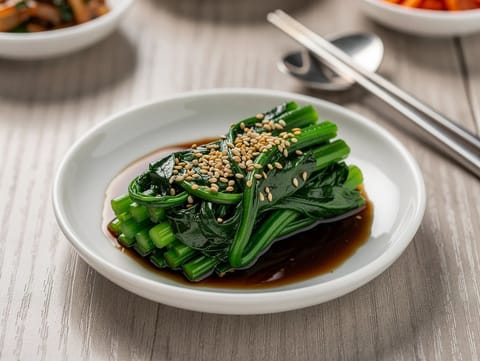
Blanched spinach tossed with sesame oil, garlic and soy sauce
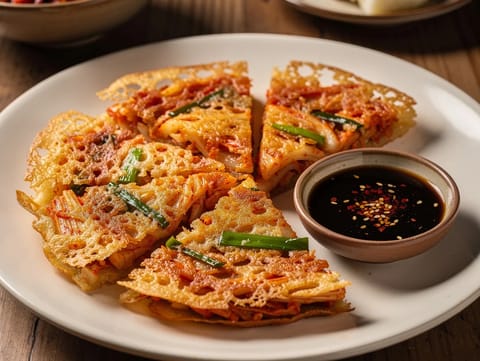
Kimchi and spring onion pancake with soy vinegar dipping sauce
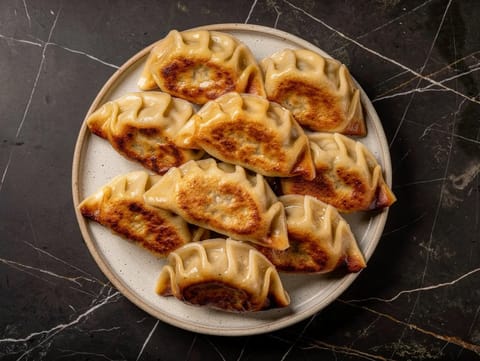
Pan-fried and steamed Korean dumplings with pork and tofu
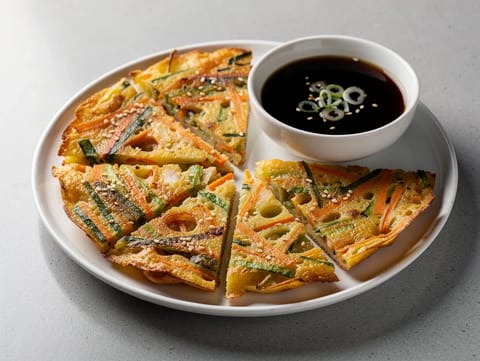
Crisp Korean vegetable pancake with soy vinegar dipping sauce
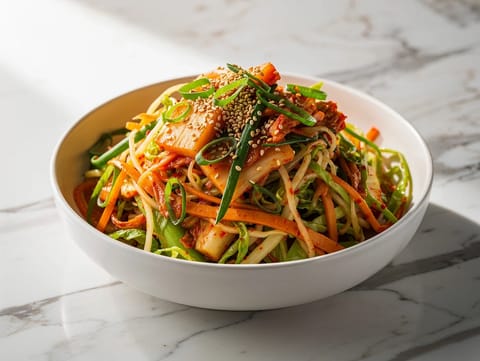
Crisp kimchi slaw with cabbage and sesame dressing
Korean meals are often served with a mix of dishes rather than a single centrepiece, with banchan (small side dishes) providing contrast in temperature, texture and acidity. That’s why many Korean recipes are designed to be strong-flavoured in small portions: a spicy salad, a sesame-dressed vegetable, or a quick pickle can make a simple bowl of rice feel complete. There is also regional diversity, from coastal seafood traditions to inland dishes that lean on soups, stews and preserved vegetables. Outside Korea, Korean-inspired cooking often adapts to local ingredients and equipment, but it tends to keep the same logic: bold seasoning, a balance of rich and sharp elements, and at least one crisp or tangy component to cut through heat and fat.
Look for rice bowls and mixed bowls where a sauce ties together vegetables, protein and rice. Soups and stews are another backbone, ranging from clear broths to thick, paste-seasoned pots that simmer until flavours meld. Grilled and pan-seared meats often feature marinades that caramelise quickly, so timing and heat control matter. Noodles appear in both hot and chilled forms, sometimes with a spicy-sweet dressing rather than a broth. Pancake-style fritters and battered fried items show up too, usually served with a sharp dipping sauce to keep the bite lively. If you want a gentler entry point, choose dishes where the chilli element is added at the end or offered as a condiment, rather than cooked into the base.
Korean recipes are often easiest to choose by Dish, because bowls, stews, grilled mains and small sides each have their own rhythm and serving style. Browsing by Ingredient can also help when you have kimchi, gochujang, tofu or a particular cut of meat to use, since those ingredients tend to signal the flavour direction of the finished dish.
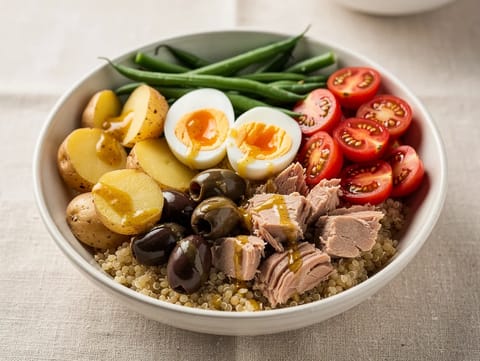
Quinoa bowl with tuna, vegetables, olives and a soft-boiled egg
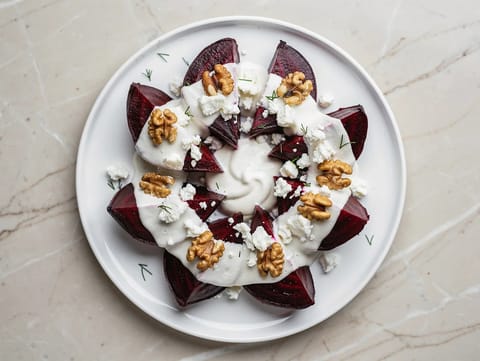
Roasted beetroot with feta, walnuts and horseradish dressing
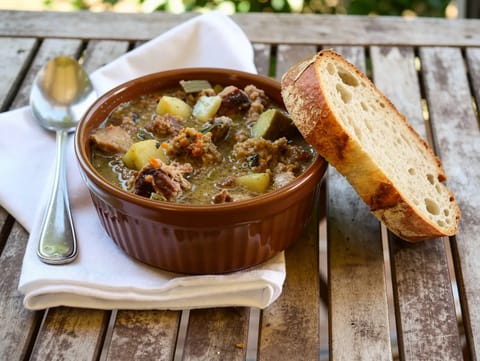
Spanish lamb stew with potatoes and red pepper

Fried rice balls stuffed with ragù and mozzarella
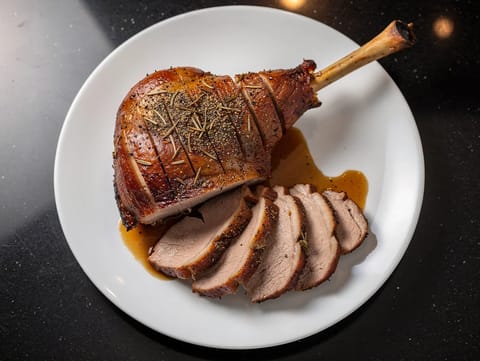
Roast suckling lamb with garlic, rosemary and white wine
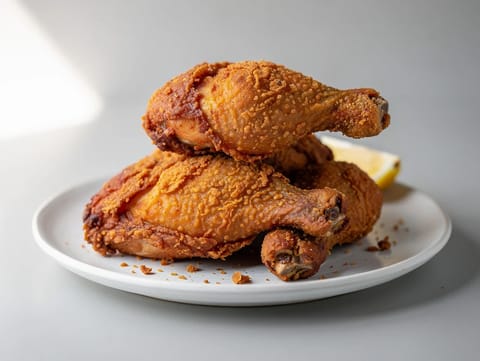
Buttermilk-brined fried chicken with a crisp seasoned coating
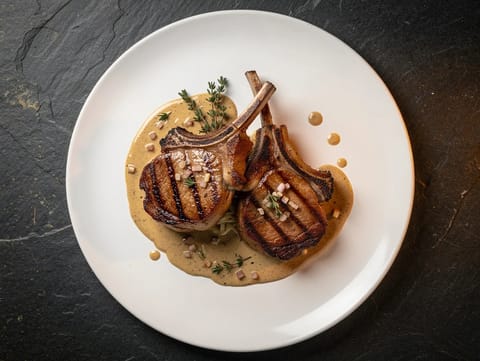
Grilled pork chops served with a Dijon mustard and shallot sauce
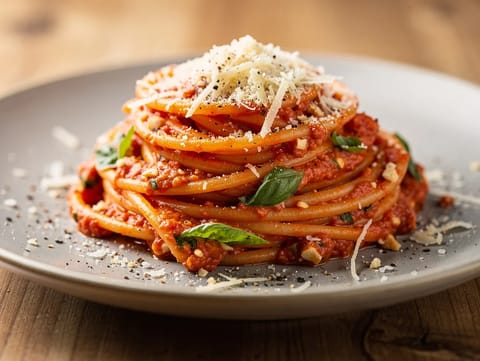
Sicilian pasta with tomato, almond and basil pesto
No. Many dishes include chilli, but heat levels vary widely, and some classics are mild or only gently warmed by pepper. Often the spice is adjustable by changing the amount of chilli paste or flakes.
It’s a fermented chilli paste with a savoury, slightly sweet depth and a sticky texture. It tends to create glossy sauces that cling well to food.
Kimchi can be served as a side, stirred into rice, or cooked into stews and pancakes. Cooking softens its crunch and mellows the sharpness, while keeping the fermented tang.
They’re better understood as adaptations. They often keep Korean flavour cues, such as gochujang, sesame and garlic, while changing ingredients, proportions or formats to suit different kitchens.
A little sweetness can balance chilli and salt, and it also helps browning when meat is grilled or pan-seared, creating caramelised edges.
Pair a main dish with rice and add one crisp or tangy side, such as a quick cucumber salad or a lightly pickled vegetable, to balance richness and heat.
When you’re choosing Korean recipes, start by spotting the main seasoning: gochujang for spicy-sweet gloss, doenjang for deep savoury broths, or kimchi for fermented tang. Once you know that base, it’s easier to decide whether you want a stew, a bowl, a grill-friendly dish, or a side that brings crunch and acidity.
