

Air Fryer Cherry Pie
Air fryer cherry pie with lemon and cornflour-thickened filling.
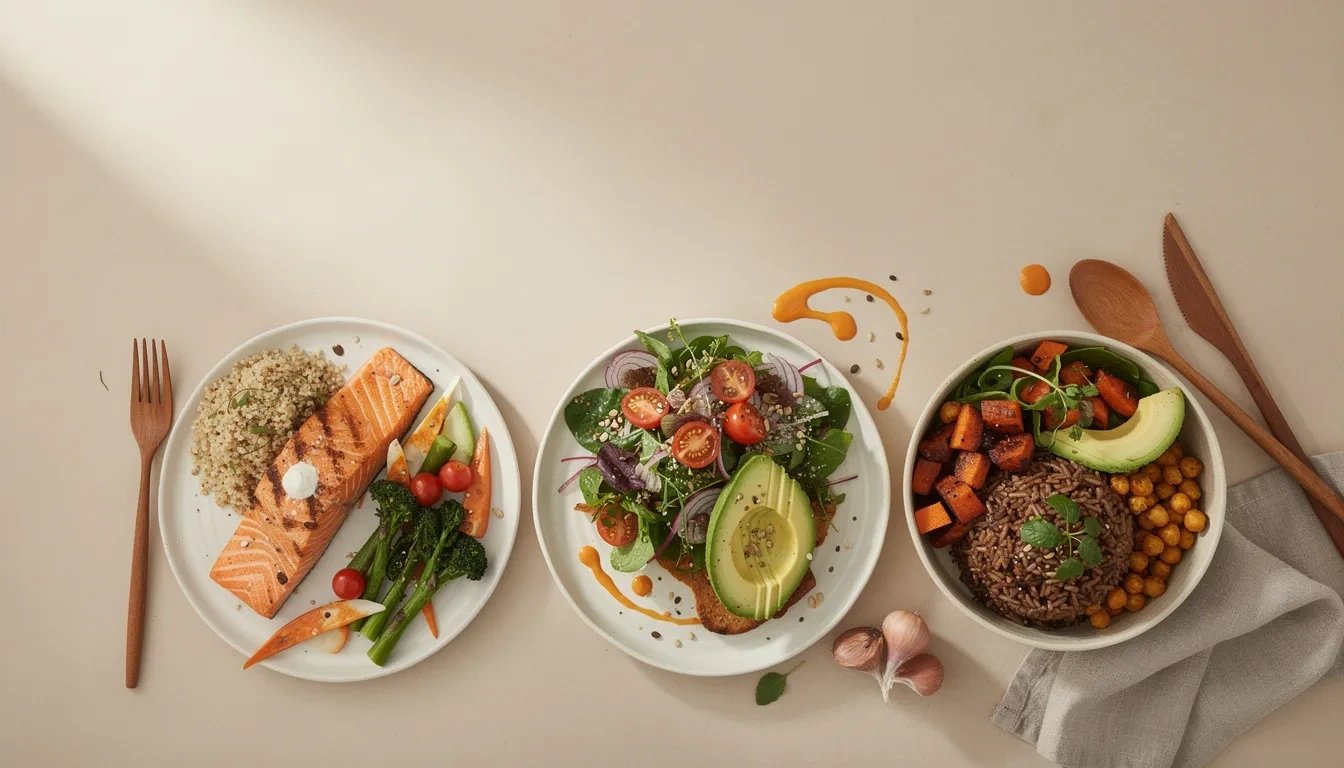
Vegetarian cooking is often about replacing the role meat played in a dish, not just removing it. Sometimes that role is bulk and bite, as in a stew; sometimes it is savoury seasoning, as with bacon in a sauce; and sometimes it is simply a familiar centrepiece. This page clarifies what vegetarian usually includes, highlights the ingredients that can quietly introduce meat or fish, and offers practical substitution approaches that keep the recipe balanced.
Vegetarian recipes exclude meat and fish. Many vegetarian dishes include dairy and eggs, but not all do, so it is worth checking if you cook for a mixed table. The most common grey areas are ingredients used in small amounts for flavour: fish sauce, anchovies, shrimp paste and meat-based stocks can appear in otherwise vegetable-led dishes. Some cheeses are made with animal rennet, and gelatine can appear in certain desserts.
Because definitions vary by household and by culture, the most dependable approach is to read the ingredient list with an eye for “background” ingredients, not just the headline components.
Air fryer cherry pie with lemon and cornflour-thickened filling.
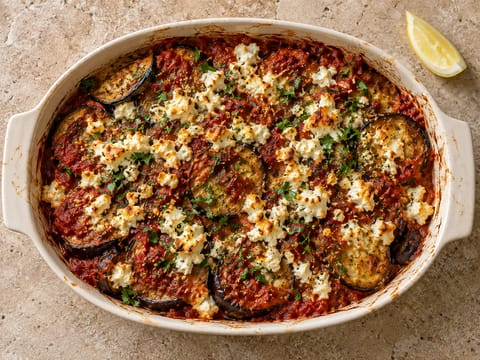
Roasted aubergine baked in tomato sauce with feta and oregano

Air fryer baked apples filled with cinnamon, brown sugar and butter.

Baked Greek yoghurt cheesecake with a digestive biscuit base

Shortcrust tart with sweet ricotta and sour cherry jam

Polish baked cheesecake made with quark and vanilla
For dishes where meat provides bite and substance, choose ingredients that hold their shape: lentils, chickpeas and beans for stews and ragù-style sauces; mushrooms or aubergine for a meaty chew; or firm tofu and tempeh where you want clean slices or cubes. For mince-like textures, finely chopped mushrooms, lentils, or a mix of pulses and grains can give a similar spoonable body.
When meat is mainly there for savoury depth, build flavour in other ways: brown onions well, toast spices, use tomato paste, soy sauce, miso, hard cheese, olives or smoked ingredients as appropriate. If a recipe relies on chicken stock, vegetable stock is the simplest swap; if it relies on fish sauce, consider a vegetarian alternative or a different seasoning route altogether.

Flaky baked pastries filled with sweet mung bean paste

Baked mooncakes with golden syrup crust and mung bean filling

Thai rice dumplings served in warm pandan coconut milk
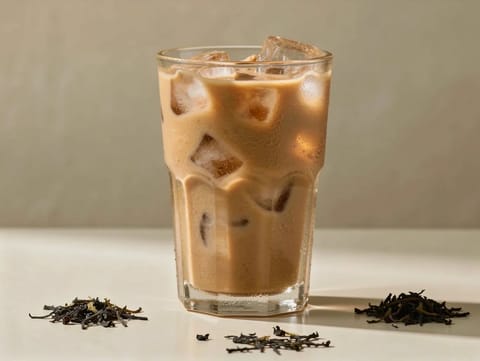
Strong black tea with evaporated milk, served hot or iced

Spiced potato fritters in pav buns with chutneys

Light Portuguese sponge cake made with whisked eggs and flour
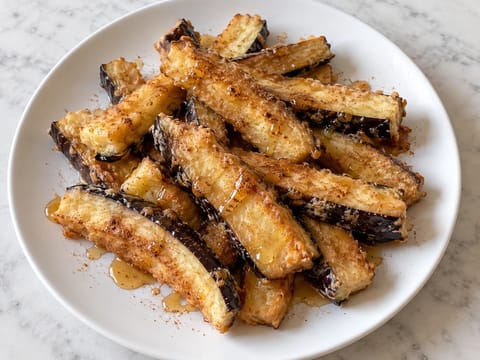
Crisp fried aubergine batons drizzled with honey
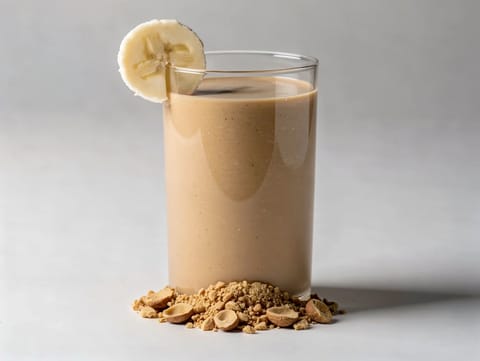
Creamy peanut butter banana smoothie with milk, yoghurt and honey
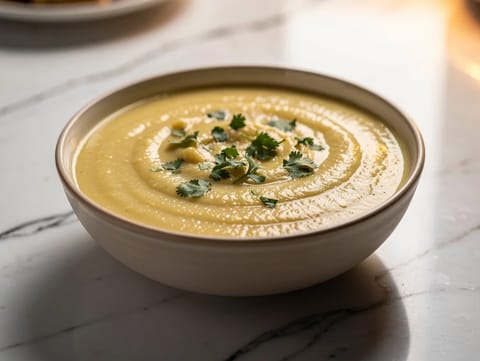
Smooth plantain soup finished with double cream and coriander

Warm Gruyère choux puffs baked until crisp
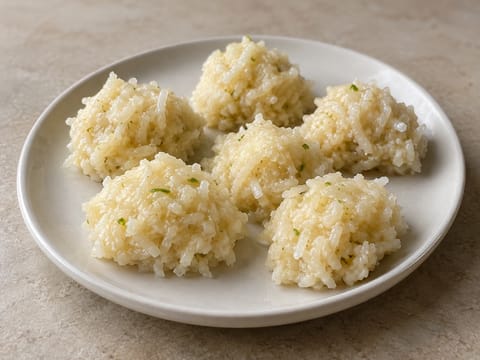
Brazilian coconut sweet cooked until thick and fudge-like
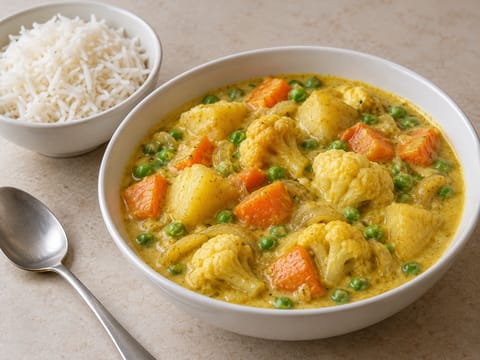
Mild vegetable korma with coconut, yoghurt and almonds
Vegetarian suitability can hinge on packaged ingredients. Stocks, bouillon, sauces and seasoning mixes may contain meat or fish extracts even when the front label looks vegetable-forward. If you avoid fish, check for anchovy and fish sauce in condiments and dressings. For desserts, look out for gelatine.
Vegetarian is not an allergen claim. If you also need to avoid allergens such as nuts, sesame, dairy or eggs, treat those as separate checks and read labels accordingly.
Ingredient pages are the most useful next step when you want a specific swap, such as choosing between lentils, mushrooms and tofu for texture, or finding alternatives to fish sauce and meat-based stocks. Allergen guidance can also help if your vegetarian cooking needs to avoid dairy, eggs, nuts or sesame at the same time.
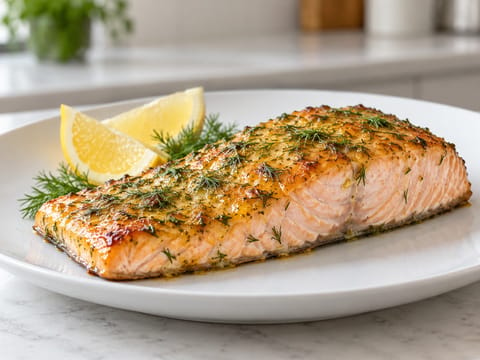
Baked salmon with honey mustard and dill glaze
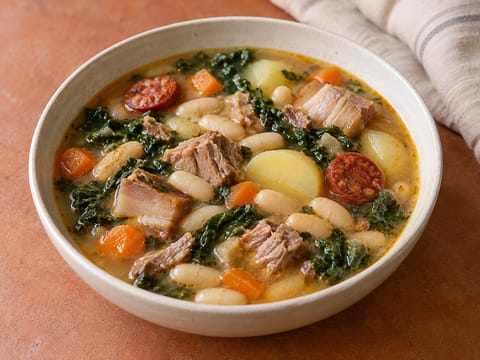
Portuguese bean and pork soup finished with chouriço
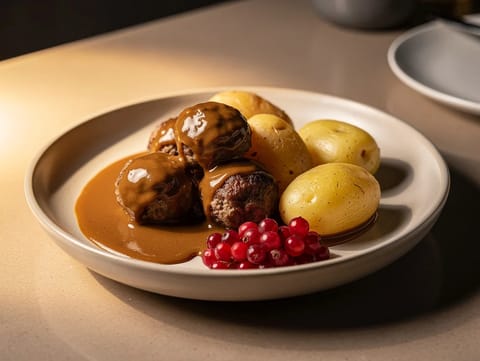
Beef meatballs in brown gravy with boiled potatoes
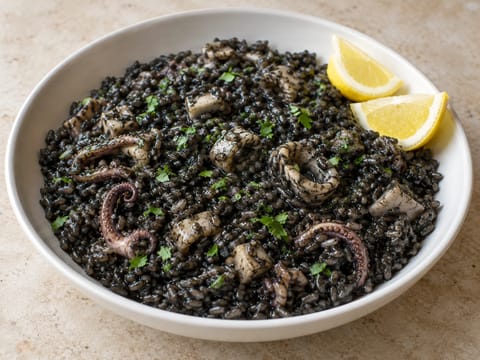
Spanish squid ink rice cooked with squid and fish stock
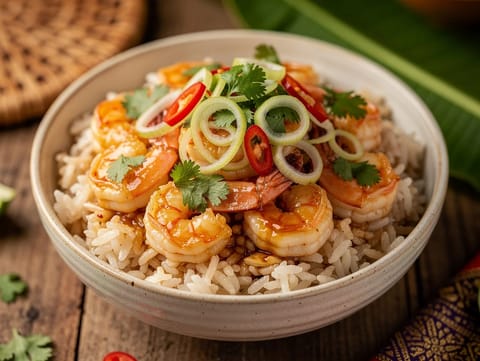
Air-fried Thai shrimp with fish sauce, lime, and garlic.
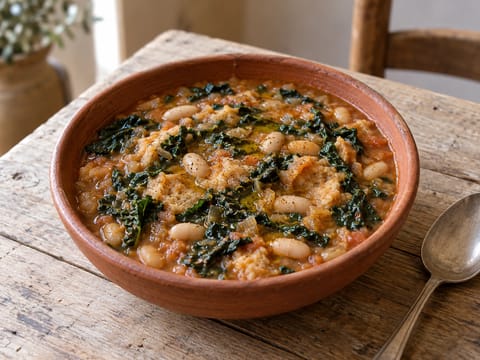
Quick bean and kale soup thickened with stale bread

Crisp air-fryer calzone filled with cheese and salami.
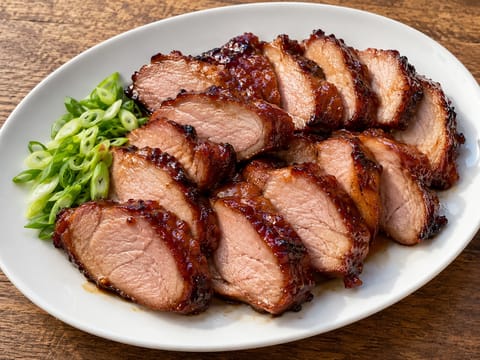
Roasted char siu pork with a glossy hoisin and honey glaze
Often they do, but not always. Vegetarian generally means no meat or fish; whether eggs and dairy are included depends on the recipe and the cook’s definition.
No. Fish and shellfish are not considered vegetarian. Diets that include seafood but not meat are usually described as pescatarian.
Fish sauce, anchovies, shrimp paste, meat-based stocks and gelatine are common examples. They can appear in sauces, soups, dressings and desserts.
It depends on the dish. Lentils can mimic the spoonable texture in sauces; finely chopped mushrooms add savouriness; and a mix of pulses and grains can give body without becoming mushy.
Sometimes, but consider structure and protein. A stew built around potatoes and carrots will eat differently from one built around beans or lentils. Choose the substitute based on the texture you want.
Not necessarily. Vegetarian describes ingredients, not nutrition. A vegetarian dish can be light or rich depending on fats, sugars and cooking method.
The most satisfying vegetarian cooking usually comes from matching the substitute to the recipe’s needs: bite, body, or savoury depth. Start by checking for hidden fish and meat ingredients, then choose a replacement that suits the method and the final texture.
