
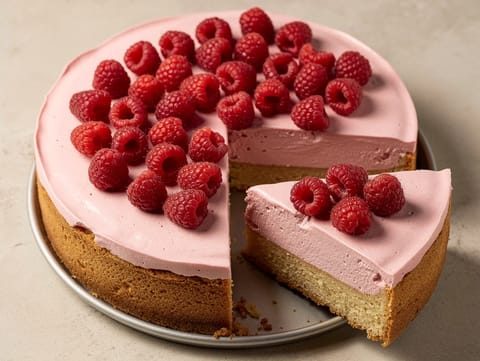
Entremet Framboise (Raspberry Mousse Cake)
Almond sponge topped with raspberry mousse and fresh raspberries
Cake is a wide category, but most cakes can be understood by their structure: light and airy sponges, denser butter cakes, tender oil-based cakes, and loaf-style bakes designed for slicing. The method matters as much as the ingredients. How you incorporate air, how much fat is in the batter, and whether the cake is baked as layers or in a single tin all affect crumb, rise and keeping quality. Once you know the texture you want and how you plan to serve it, choosing a cake recipe becomes far more straightforward.
In recipe terms, cake is a sweet baked batter that sets into a sliceable crumb, usually leavened by eggs, chemical raising agents, or both. Cakes can be plain, filled, frosted or glazed, and they can be baked as layers, loaves, sheets or ring-shaped cakes. What the label does not automatically tell you is sweetness level, richness, or whether the cake is meant to be eaten on its own or as a base for toppings. Some cakes are designed to be light and springy, others deliberately moist and tight-crumbed. Understanding that range helps you avoid mismatches, such as expecting a delicate sponge to carry a heavy frosting, or a dense loaf cake to slice like a feather-light layer cake.
Almond sponge topped with raspberry mousse and fresh raspberries
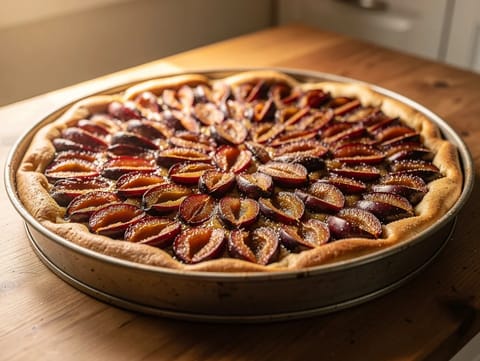
German plum cake with yeasted base and cinnamon sugar
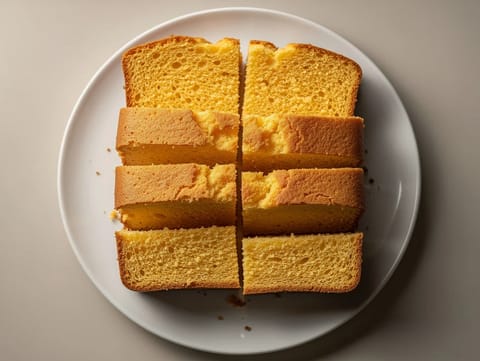
Polish sponge cake with a fine, tender crumb
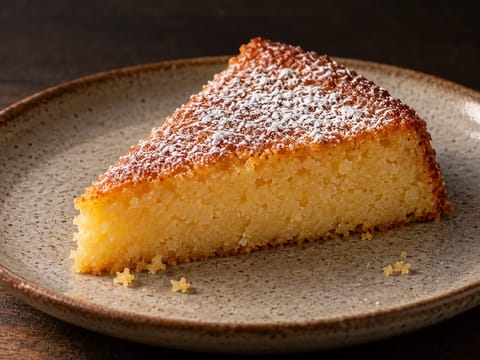
Dense Portuguese almond cake finished with icing sugar
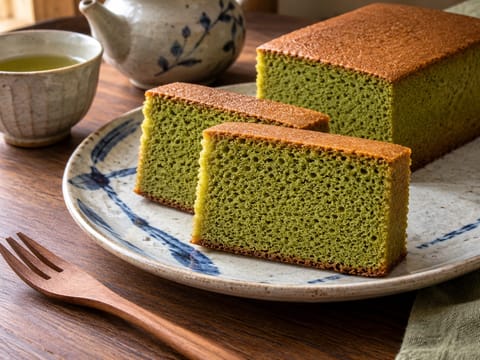
Matcha castella sponge cake with honey
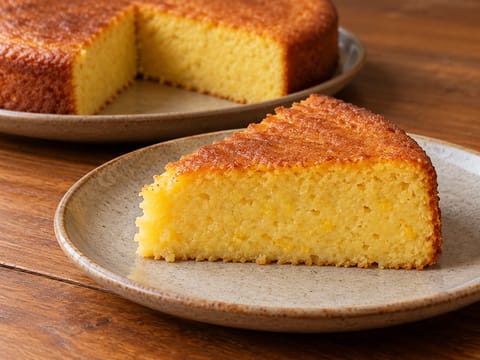
Mexican corn cake made with sweetcorn
Sponge-style cakes rely on incorporated air for lift, giving a lighter crumb that pairs well with fruit and cream but can be more delicate when handled. Butter cakes, where fat and sugar are beaten together, tend to be richer with a finer, more even crumb that supports frosting and fillings. Oil-based cakes often stay moist for longer and can feel softer on the palate, which suits simple glazes and one-tin bakes. Loaf cakes are shaped for neat slices and often include add-ins such as citrus zest, spices or fruit, with a crumb that holds together well. Sheet cakes prioritise ease of serving and even baking, while layered celebration cakes focus on structure, alignment and how the crumb behaves under filling and icing.
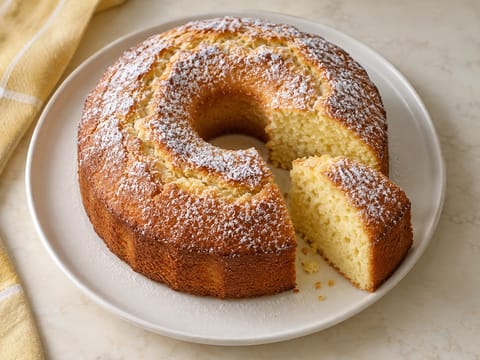
Italian lemon ring cake dusted with icing sugar
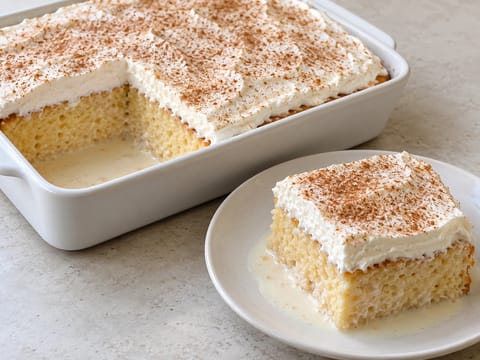
Milk-soaked sponge cake with whipped cream and cinnamon
Matcha castella sponge cake with honey
Polish sponge cake with a fine, tender crumb
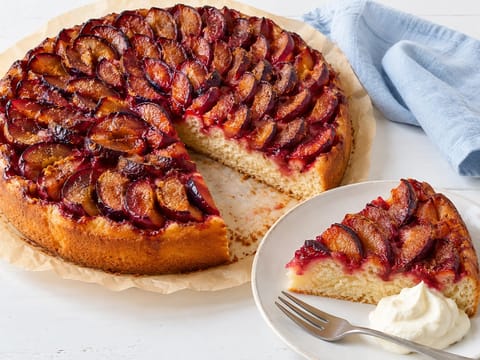
German yeast plum cake topped with fresh plums and cinnamon sugar
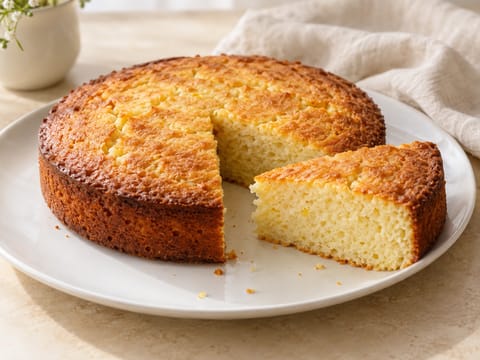
Ricotta and lemon cake with a light, moist crumb
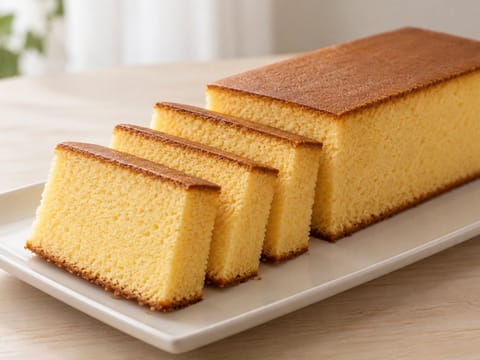
Nagasaki castella is a glossy egg sponge with honey
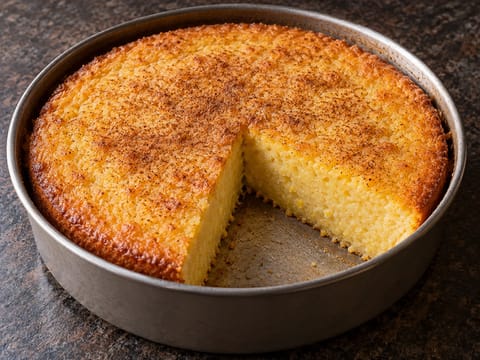
Mexican sweetcorn cake with condensed milk and cinnamon
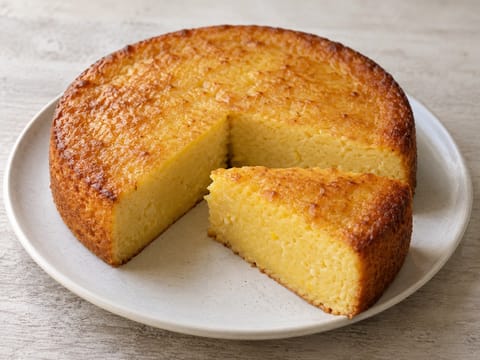
Tender Mexican sweetcorn cake with a soft, custardy crumb
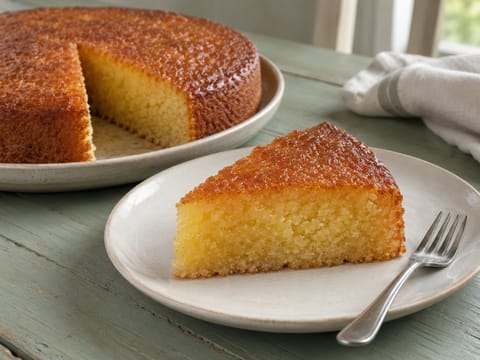
Semolina sponge cake soaked with lemon sugar syrup
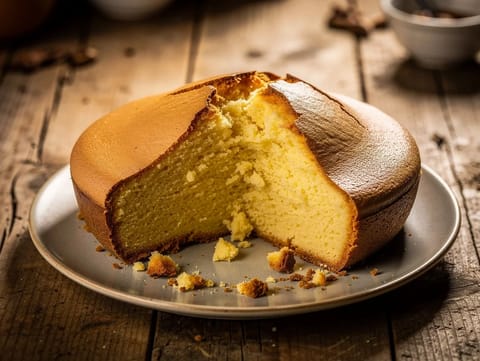
Light Portuguese sponge cake made with whisked eggs and flour
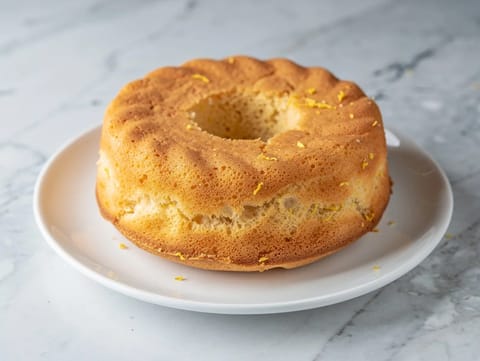
Italian breakfast ring cake with lemon zest, mixed in one bowl
Light cakes benefit from flavours that do not weigh them down: citrus, berries, vanilla and gently perfumed spices tend to sit well in an airy crumb. Richer butter cakes can carry deeper flavours such as chocolate, coffee, caramel and toasted nuts without tasting cloying. Consider the finish as part of the flavour. A sharp glaze can brighten a sweet cake, while a creamy frosting can soften bitterness in cocoa-heavy bakes. Texture pairings matter too: crunchy nuts or a crisp topping add contrast to soft crumbs, but they can also make slicing messier. If you want clean portions, choose finishes that set, such as firm icings or glazes, rather than very soft toppings that smear when cut.
Cooking method is a practical next step for cakes because techniques like creaming, whisked sponges, or one-bowl mixing lead to very different crumbs and handling. Cuisine can also guide flavour choices and finishing styles, from spice profiles to typical frostings and fillings.
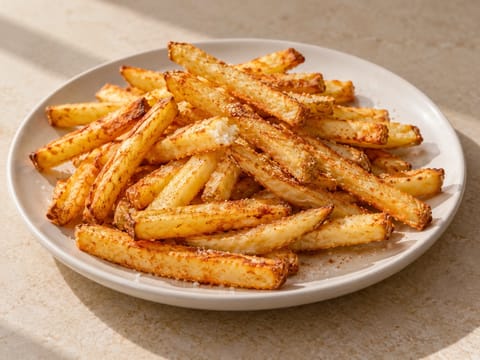
Crispy air fryer French fries with fluffy centres.
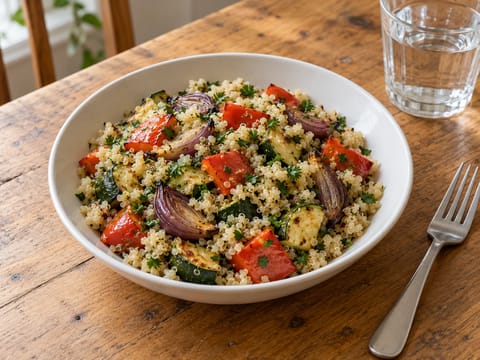
Quinoa salad with roasted courgette, pepper and onion
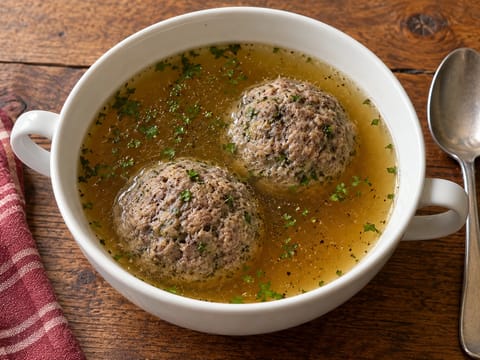
Clear beef broth with poached German liver dumplings
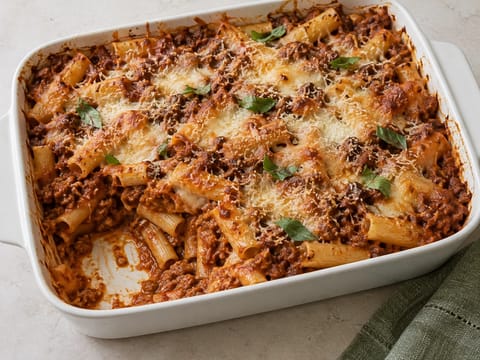
Baked ziti with beef ragù and melted provola
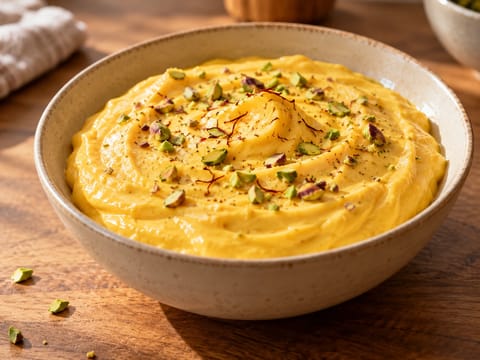
Chilled mango shrikhand made with thick yoghurt and cardamom
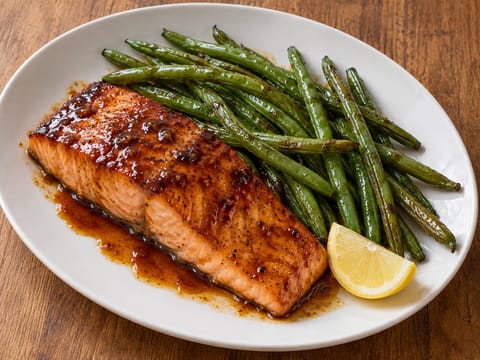
Glazed salmon with green beans
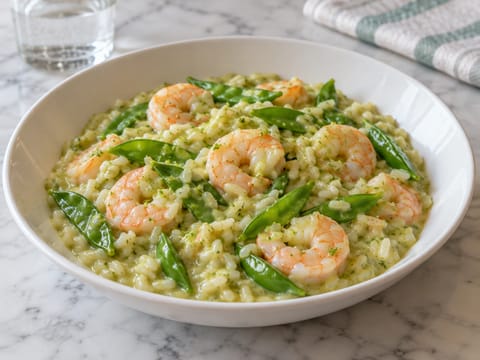
Coconut green curry risotto with prawns and mange tout
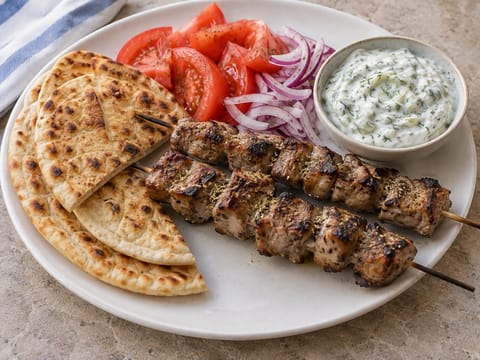
Pork souvlaki platter with pitta and tzatziki
Sponge cakes get much of their lift from air incorporated into eggs, giving a lighter crumb. Butter cakes rely on fat and sugar beaten together and usually have a richer, finer crumb.
Sinking can happen if the cake is underbaked, if the oven temperature is off, or if the structure has not set before the cake cools. Some very moist batters are also more prone to settling.
No. A loaf cake is a cake baked in a loaf tin for easy slicing. It is sweet and cake-crumbed, even though the shape resembles bread.
Pick a cake with enough structure to support the weight, such as many butter cakes. Very light sponges can work with frosting, but they are more delicate and often suit lighter fillings.
Small changes in fat, sugar, flour and eggs, plus mixing method, affect how much air is trapped and how the crumb sets. Tin shape and baking time also influence the final texture.
When you think of cake as a set of structures rather than a single thing, the options become clearer. Decide whether you want light, rich, moist or sliceable, then choose flavours and finishes that suit that style.
