
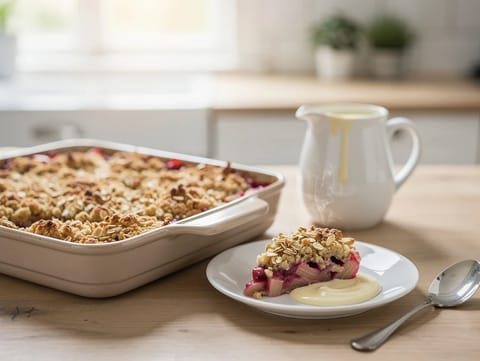
Rhubarb Crumble with Custard
Baked rhubarb crumble with a crisp oat topping and custard

A crumble is a baked dessert built on contrast: soft, juicy fruit underneath and a rough, buttery topping that turns crisp in the oven. The best choice often comes down to texture. Some crumbles have a thick, nubbly topping that stays crunchy; others bake into a more biscuit-like layer. The fruit can be bright and sharp, or deep and jammy, depending on how much it breaks down. If you are comparing crumble recipes, look first at the topping style and how the filling is thickened, because those two decisions determine whether you serve neat spoonfuls or a looser, syrupy pudding.
Crumble usually means fruit baked under a streusel-like topping made from flour, fat and sugar rubbed together into crumbs. It is distinct from a pie, which has a rolled pastry crust, and from a cobbler, which is typically topped with a batter or biscuit dough in larger pieces. A crumble topping is meant to be irregular, creating crisp peaks and tender pockets rather than a uniform lid. The dish is generally served warm, often with a cold or creamy accompaniment, but the category itself does not require any particular fruit or spice. What it does imply is a dessert where the oven concentrates fruit flavour and browns the topping, so both the filling’s moisture and the topping’s fat and sugar balance matter.
Baked rhubarb crumble with a crisp oat topping and custard
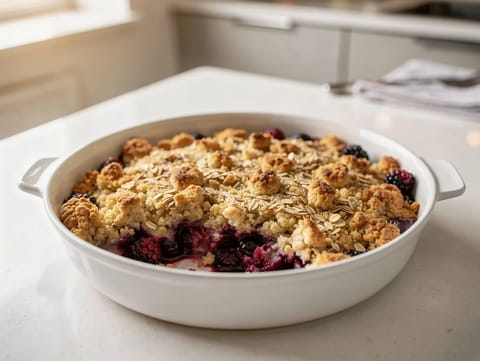
Warm berry crumble with a crisp oat topping.
Soft baked peaches under a golden, biscuit-like topping with lemon
Tender baked apples under a crisp buttery oat crumble with cinnamon and lemon zest
Warm peach cobbler baked with cinnamon and vanilla under buttery batter
A classic crumble topping is coarse and sandy, with visible crumbs that brown at the edges; it gives the most crunch when the topping is thick enough to stay dry on top. Oat-based toppings tend to bake up heartier and more rustic, with a toasty flavour that suits robust fruits. Nutty toppings add richness and a firmer bite, but can brown quickly, so they often benefit from a watchful eye near the end of baking. Some crumbles lean towards a softer, more cake-like top, especially when the mixture is pressed down or contains more moisture; these are less about shatter-crisp texture and more about a tender, spoonable pudding. The fruit base can be left chunky for definition or cooked down for a more jammy consistency.
Warm berry crumble with a crisp oat topping.
Baked rhubarb crumble with a crisp oat topping and custard
Tender baked apples under a crisp buttery oat crumble with cinnamon and lemon zest
Warm peach cobbler baked with cinnamon and vanilla under buttery batter
Soft baked peaches under a golden, biscuit-like topping with lemon
Crumble is at its best when you keep hot and cold elements in play. Cold cream, custard, yoghurt or ice cream melts into the fruit and softens the topping at the edges, which is part of the appeal, but it also means the topping loses crunch as it sits. If you want maximum crispness, serve soon after baking, or keep the topping and fruit clearly layered rather than stirred together. Tart fruits pair naturally with richer accompaniments, while sweeter fruits can benefit from something tangy, such as crème fraîche or yoghurt, to keep the dessert from tasting flat. Spices, citrus zest and a pinch of salt in the topping can sharpen flavour without changing the basic crumble format.
Crumble is a useful dish to explore by cooking method, because baking temperature and whether the fruit is pre-cooked affect how juicy the filling is and how crisp the topping becomes. Course can also help if you are choosing between everyday puddings and more plated, dessert-style bakes.

Chilled German red berry pudding thickened with cornflour
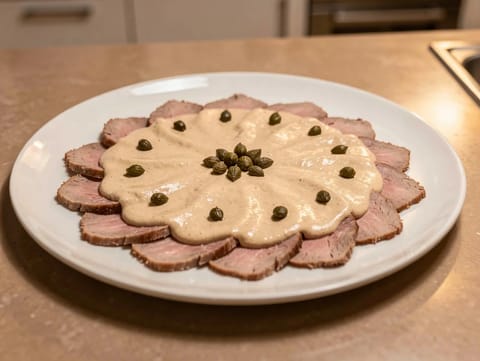
Chilled veal with creamy tuna and caper sauce
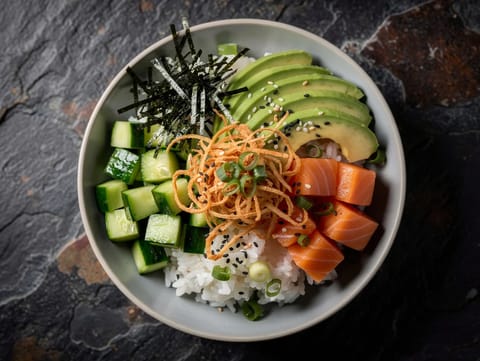
Salmon poke bowl topped with crunchy crispy fried onions.
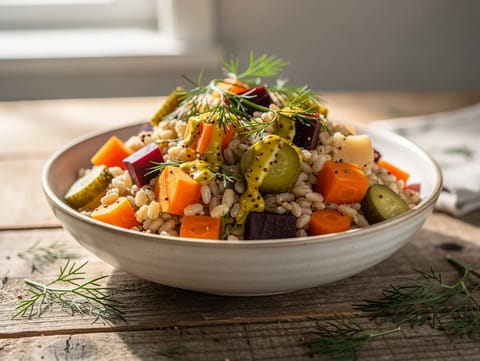
Pearl barley bowl with roasted roots, gherkins and dill
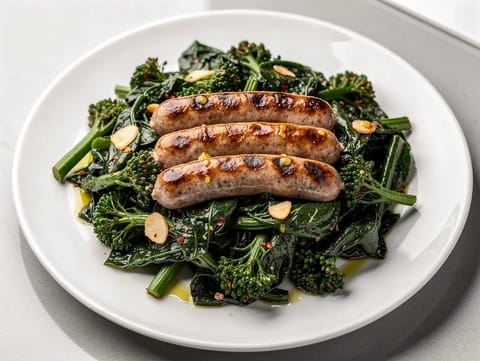
Italian sausages served over garlicky broccoli rabe with lemon
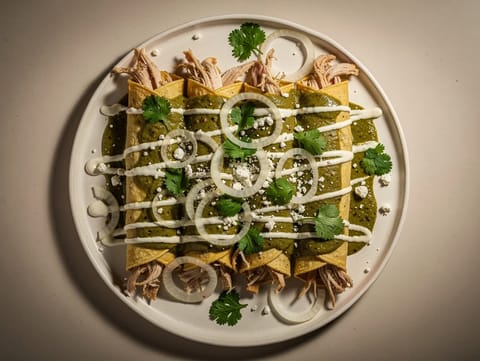
Baked chicken enchiladas with tomatillo sauce and crema
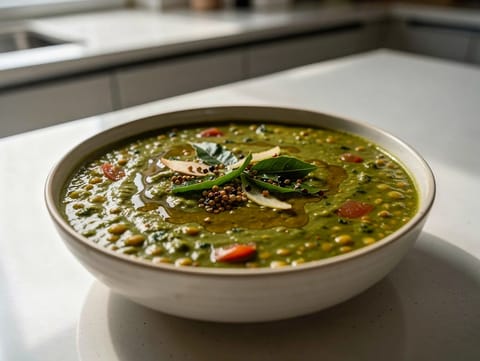
Spinach and yellow lentil dal finished with a spiced tempering
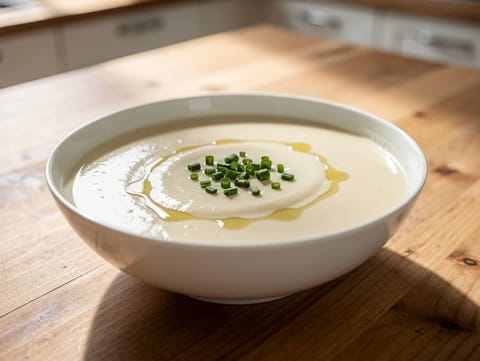
Chilled leek and potato soup blended with cream
A topping can soften if the fruit releases a lot of liquid or if the topping layer is thin. Serving soon after baking helps, and some recipes keep the topping crumblier so steam can escape.
Many crumbles use a thickener such as flour, cornflour or ground nuts, or they rely on baking long enough for juices to reduce. Very juicy fruits may need extra thickening or partial pre-cooking.
Often yes, but frozen fruit releases more liquid as it bakes. Recipes may account for this with extra thickener or a longer bake to drive off moisture.
The names overlap. In some places, a “crisp” often implies an oat-heavy topping that bakes crunchy, while “crumble” can be flour-forward and more crumbly, but usage varies widely.
Usually it is baked uncovered so the topping can brown and dry. Covering traps steam, which can soften the topping and slow browning.
You can often prepare the fruit and topping separately in advance. Baking close to serving keeps the topping crisper, while fully baked crumble will soften as it stands.
Pick your crumble by deciding how crisp you want the topping and how thick you want the fruit juices. Once those are set, the fruit, spices and accompaniments are easy to adapt to what you have and how you like to serve dessert.
