
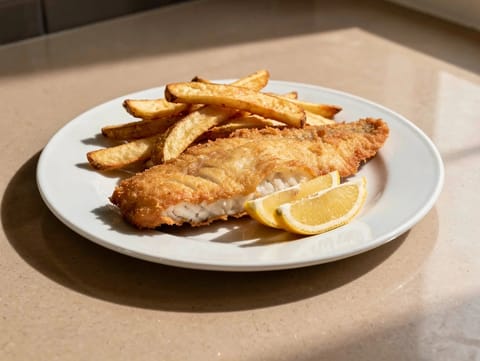
Air Fryer Fish and Chips
Crispy breadcrumb fish with chunky air fryer chips.

Fish and chips is a defined pairing: crisp-coated fish alongside chips, served hot while the contrast between crunchy exterior and tender interior is at its best. Recipes vary less by flavourings than by technique. The main decisions are the fish, the coating, and how you cook the chips so they stay crisp rather than steamy. Some versions lean traditional with a light batter; others use breadcrumbs or oven methods for a different kind of crunch. Use this page to compare approaches and choose the one that fits your equipment and the texture you want.
This dish is not simply fried fish with a side of potatoes. The identity comes from serving both elements together, with the fish cooked in a way that protects its moisture and the chips cooked to a crisp exterior with a fluffy centre. The coating can be a batter or crumbs, but it needs to set quickly so the fish steams gently inside rather than drying out. Chips are thicker than many other fried potatoes, which helps them stay soft within while the surface browns. Because crispness is central, timing and draining matter as much as seasoning. Fish and chips is often served with sharp, salty or tangy accompaniments that cut through the richness, but the core is always that hot, crunchy-tender contrast.
Crispy breadcrumb fish with chunky air fryer chips.
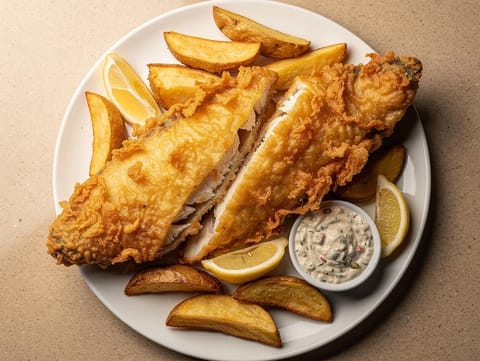
Beer-battered white fish served with chunky chips
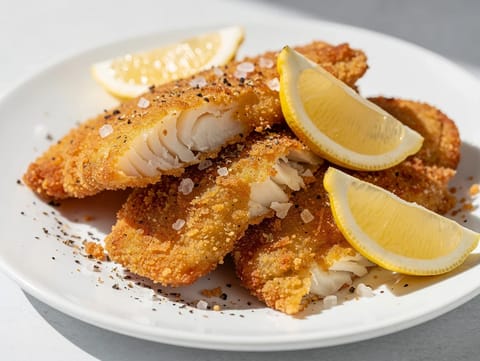
Breaded white fish fillets cooked crisp in the air fryer.
Battered fish gives a light, craggy shell that can be very crisp when freshly cooked. The batter may be made with different liquids and leavening approaches, which changes how airy or sturdy the crust becomes. Breadcrumbed fish tends to give a more even, sandy crunch and can be easier to brown in the oven or shallow oil, though it reads differently from a classic batter. Chips can be cooked in deep oil, shallow oil, or baked, and each method produces a different surface. Deep-fried chips can develop a more even crust; oven chips rely on dry heat and often need space and turning to brown. Some recipes double-cook chips to build a crust before final crisping, while others aim for a simpler, single-cook approach.
Breaded white fish fillets cooked crisp in the air fryer.
Crispy breadcrumb fish with chunky air fryer chips.
Beer-battered white fish served with chunky chips
Fish and chips is rich and best balanced with something sharp. Vinegar, lemon and pickled sides bring acidity that cuts through batter and fried potatoes. Creamy accompaniments, such as mayonnaise-based sauces, add a different kind of richness and can soften the perception of salt and heat. If you like a little bitterness, a simple green salad can make the plate feel less heavy without competing with the main textures. For seasoning, salt is the backbone, but a little pepper, paprika or spice in the coating can add warmth. The practical point is to serve sauces on the side where possible, so the crust stays crisp rather than soaking.
Cooking method is the most useful next lens for fish and chips, because deep-frying, shallow-frying and oven approaches produce very different crusts and chip textures. Course can also help if you’re deciding whether to serve fish and chips as a main dish, part of a larger spread, or in smaller portions for sharing.
Chicken traybake with preserved lemon, olives, potatoes and red onion
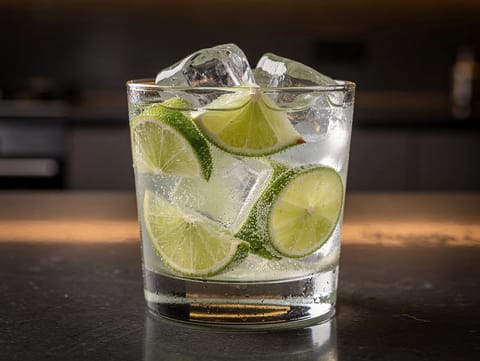
Caipirinha with muddled lime, caster sugar, cachaça and ice
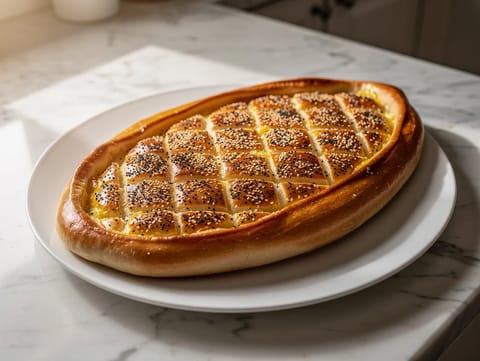
Soft Turkish flatbread topped with sesame and nigella
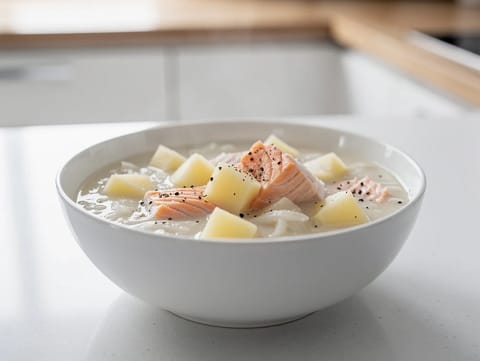
Scottish smoked haddock soup with potatoes and milk
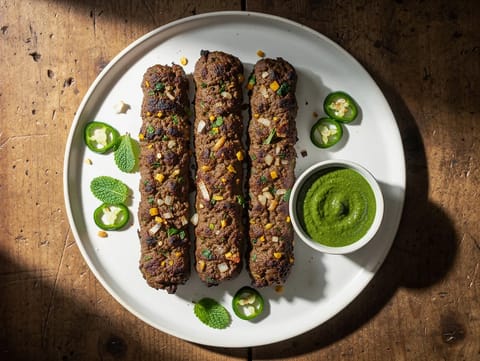
Grilled lamb seekh kebabs served with mint chutney
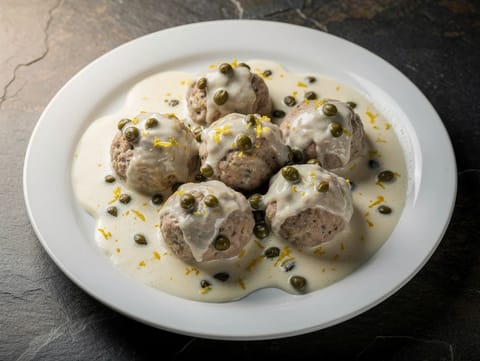
Poached meatballs in creamy caper sauce with lemon
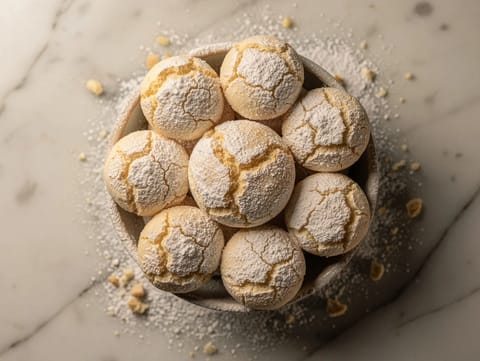
Soft almond macaroons with a crisp icing sugar crust
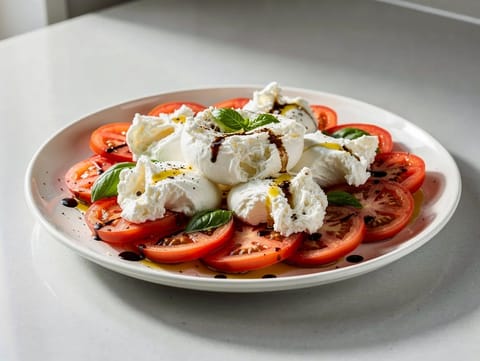
Ripe tomatoes and burrata with basil, olive oil and balsamic
Not necessarily. Deep-frying is traditional for a very crisp batter and chips, but some recipes use shallow-frying or oven methods to achieve a different style of crunch and a simpler setup.
Steam is the main culprit. If the fish sits in an enclosed container, or if it’s sauced too soon, moisture softens the crust. Proper draining and serving promptly help keep it crisp.
Many white fish work well because they cook quickly and stay tender. The key is choosing fillets of even thickness so the coating browns as the fish cooks through.
Crispness drops when chips sit piled up and steam. Spreading them out and keeping them warm in a dry oven can help, but timing the fish and chips to finish close together is usually the most effective.
Batter forms a light shell that can be airy and craggy; breadcrumbs give a more uniform crunch. They also brown differently, so the cooking method and timing often change.
Paleness usually means the surface hasn’t dried and browned enough, or the cooking temperature is too low. Overcrowding can also drop heat and encourage steaming rather than crisping.
Fish and chips is at its best when both elements hit the table hot and dry, with a coating that crackles and chips that don’t steam. Choose the method you can control confidently, then add sharp accompaniments to balance the richness.
