
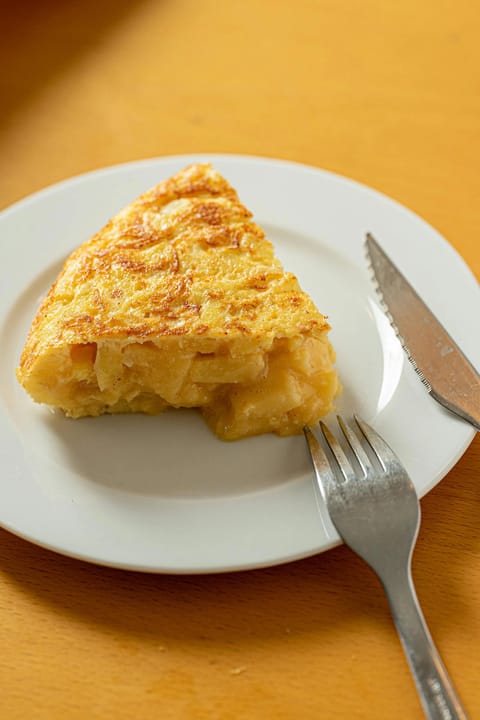
Tortilla Española (Spanish Omelette)
Thick Spanish omelette with potatoes and onion

An omelette is a fast egg dish, but the real choice is texture and shape. A softly set, folded omelette eats very differently from a well-browned, fully set one, and an open-faced omelette behaves more like a thin frittata. Fillings matter, but they are secondary to how you cook the eggs: heat level, pan size and when you add ingredients determine whether the centre stays creamy, whether the outside colours, and whether the omelette holds together when you fold or roll it.
Omelettes are made from beaten eggs cooked in a pan until set to the desired degree, then served flat, folded or rolled. They are distinct from scrambled eggs, where the curds are broken up throughout cooking, and from frittatas, which are usually thicker and often finished without folding. Many omelettes include a small amount of dairy or water for tenderness, but it is not essential. The defining feature is the sheet-like structure: you are aiming for a cohesive layer of egg that can hold a filling or toppings without turning into curds.
Thick Spanish omelette with potatoes and onion
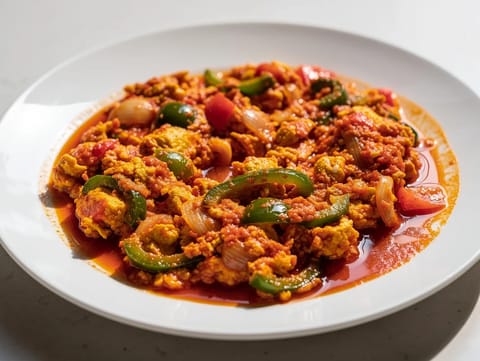
Turkish scrambled eggs with tomatoes, peppers and onion
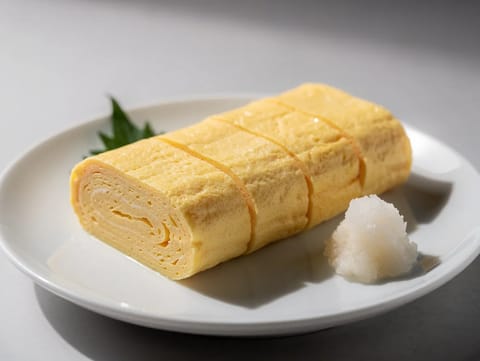
Japanese rolled omelette flavoured with dashi, soy sauce and mirin
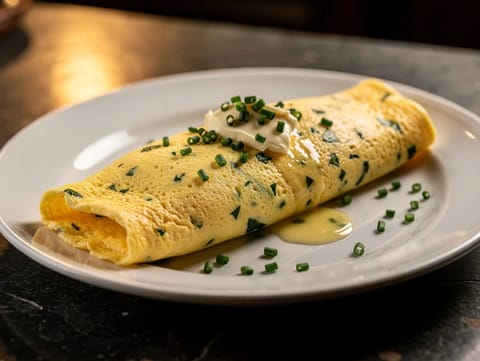
Soft French omelette with chives, parsley and tarragon
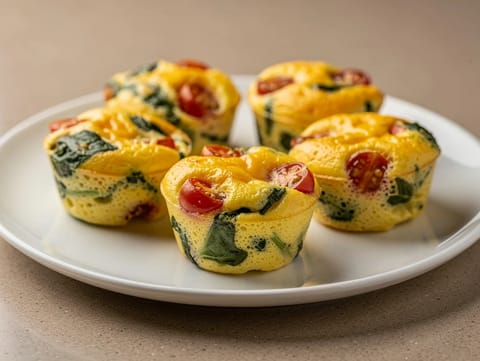
Air fryer egg muffins with spinach, tomatoes and cheddar.
Hearty boerenomelet made with eggs, milk and sautéed vegetables
For a classic tender omelette, choose recipes that keep the heat moderate and aim for a pale exterior with a slightly soft centre. These suit delicate fillings such as herbs, soft cheese or smoked fish, which warm through quickly. If you prefer a more robust omelette with browned edges, higher heat and a shorter cook give a toastier flavour and a firmer bite, which stands up to heartier fillings like mushrooms, peppers or cooked meats. Consider moisture: watery vegetables and juicy tomatoes can weep and make the centre slippery, so recipes may cook them first or use them as a topping rather than a filling. If you want a neat roll or tight fold, look for a thinner omelette with finely chopped additions.
Turkish scrambled eggs with tomatoes, peppers and onion
Air fryer egg muffins with spinach, tomatoes and cheddar.
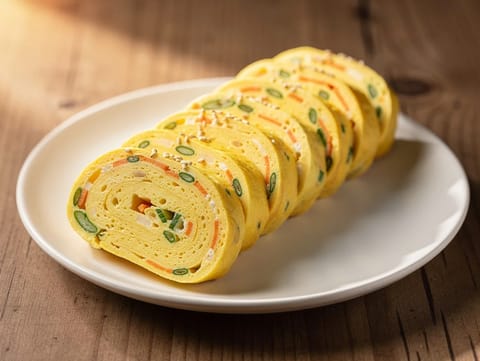
Korean rolled omelette with spring onions and carrot
Soft French omelette with chives, parsley and tarragon
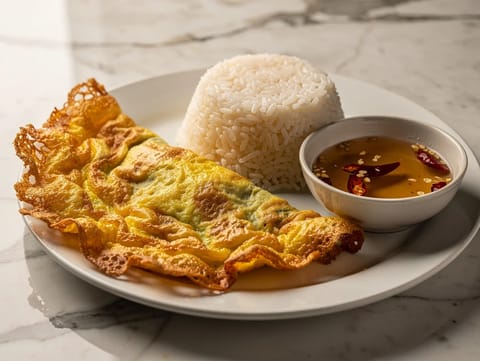
Fluffy Thai omelette with fish sauce, served with jasmine rice
Japanese rolled omelette flavoured with dashi, soy sauce and mirin
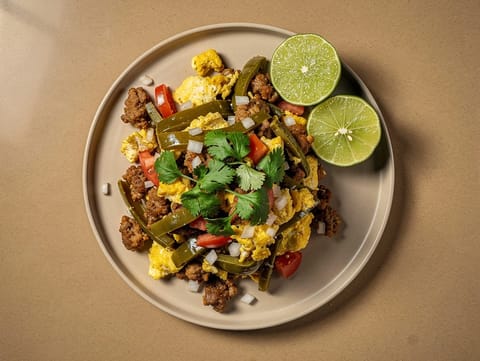
Nopales sautéed with chorizo and folded into scrambled eggs
Thick Spanish omelette with potatoes and onion
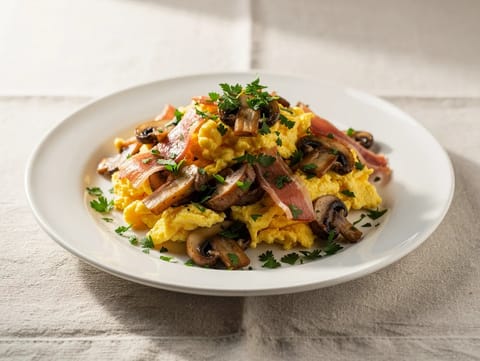
Soft scrambled eggs with mushrooms and serrano ham
Spanish-style scrambled eggs with sautéed mushrooms and prawns, finished with parsley and lemon
Hearty boerenomelet made with eggs, milk and sautéed vegetables
Because omelettes are rich and softly textured, they pair well with something crisp or acidic. A simple green salad with a sharp dressing, sliced tomatoes with salt, or quick-pickled vegetables can balance the eggs without adding heaviness. Bread is a natural partner, whether toast for scooping or a baguette-style slice for a more substantial plate. If your omelette is heavily filled with cheese or meat, keep sides lighter and fresher. If it is herb-led and delicate, you can add a more assertive accompaniment, such as a mustardy salad or a salsa-style topping, without overwhelming the eggs.
Cooking method is a useful next step because omelettes are sensitive to technique: pan-frying, finishing under a grill, or cooking more gently all change the set and colour. Course can also help you decide how to serve it, whether you want a light plate, a brunch-style centrepiece, or something that sits alongside other dishes.
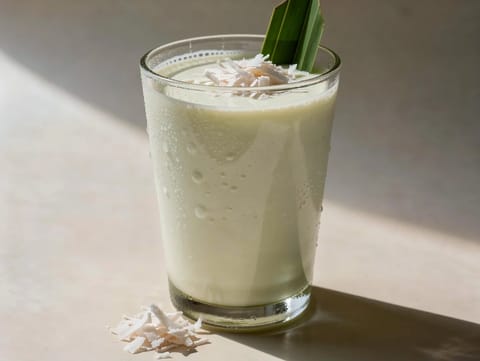
A creamy coconut milk and pandan smoothie with banana.
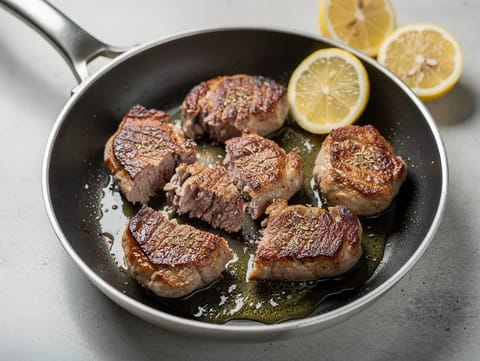
Pan-fried pork with lemon and mustard sauce
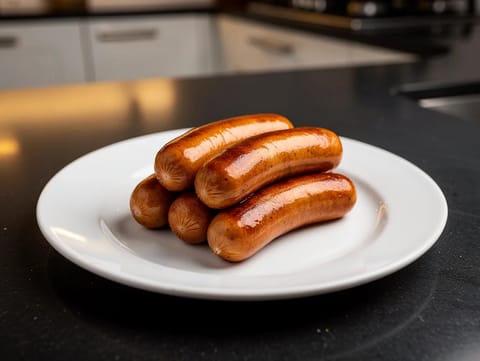
Air fryer sausages with crisp skins and juicy centres.
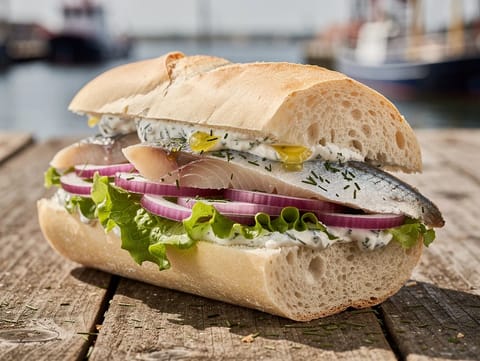
Pickled herring roll with red onion and dill sour cream
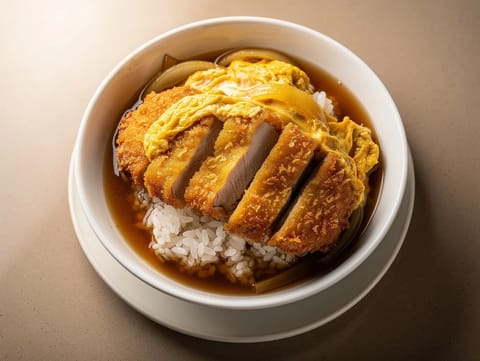
Breaded pork cutlet and lightly set egg over rice
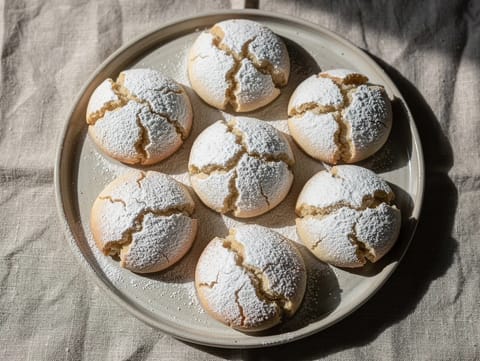
Crackled almond biscuits flavoured with orange blossom water
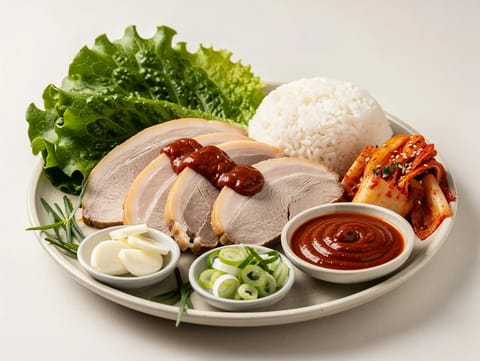
Boiled pork belly lettuce wraps with rice, kimchi and ssamjang
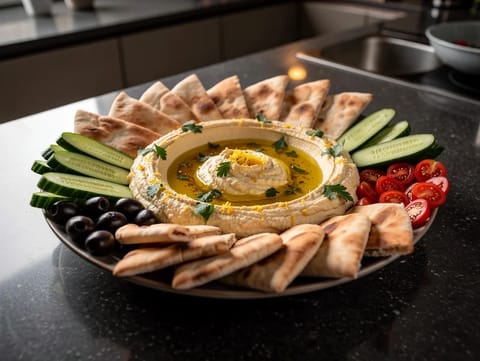
Hummus platter with spiced olive oil, pitta and vegetables
An omelette is usually cooked as a thin sheet and folded or rolled. A frittata is typically thicker, often cooked more slowly, and served in wedges without folding.
It depends on the style. Many classic omelettes are softly set and slightly creamy, while others are cooked until fully set and browned.
Cooked fillings that are already hot can go in just before folding. Ingredients that release water or need cooking are often best prepared first, otherwise they can cool the eggs and make the omelette wet.
Common causes are overcooking (making it brittle), too much filling, or trying to fold before the base has set enough to support itself.
A non-stick frying pan makes omelettes easier, but the key is a pan that suits the amount of egg so the layer is neither too thick nor too thin.
You can, but very large omelettes are harder to control and fold neatly. Some recipes scale by making multiple omelettes or using an open-faced style.
Pick your omelette by the set you enjoy: soft and pale, or firm and browned. Then choose fillings that match that style, keeping wet ingredients in check so the eggs stay cohesive and easy to fold.
