
Appeltaart (Dutch Apple Pie with Cinnamon Apples)
Buttery Dutch appeltaart filled with cinnamon apples and a touch of lemon

Pie is defined by its structure: a filling held by pastry, topped with pastry, or both. That structure is what makes pie feel comforting, but it also creates the main technical challenge, getting a crisp crust and a properly cooked filling at the same time.
Once you understand how different pie methods manage moisture and heat, you can choose recipes that suit your schedule, whether you’re baking and serving straight away or planning ahead.
A pie is a filled bake where pastry forms a base, a lid, or a casing that contains the filling. The filling can be savoury, such as meat and vegetables in gravy, or sweet, such as fruit or custard. Some pies are deep and substantial; others are shallow tarts that still rely on pastry for their defining contrast.
Pie does not automatically mean a double crust. Open pies and lattice-topped pies are common, and the choice affects how the filling reduces and sets. It also does not guarantee a particular pastry: shortcrust, puff pastry and other doughs each bring different textures and baking behaviour.
Buttery Dutch appeltaart filled with cinnamon apples and a touch of lemon
Mississippi mud pie with a chocolate biscuit crust, baked chocolate filling and whipped cream
Golden empanada gallega filled with onion, red pepper, tomato and tuna
Classic game pie with mushrooms and shallots under golden shortcrust pastry
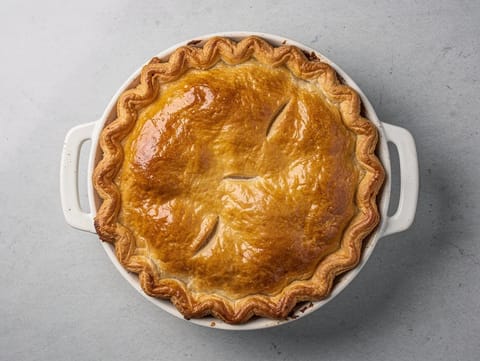
Chicken and leek pie with creamy sauce and puff pastry
Shortcrust apple and blackberry pie with lemon-bright filling baked until golden
For a crisp base, look for recipes that either pre-bake the shell or use a filling that is already thickened before it goes in. Wet fillings can soak pastry before it has time to set, especially in deep pies.
If you want a pie that slices neatly, fillings that set as they cool, such as those thickened with starch or enriched with eggs, are often more predictable than very juicy fillings. Lattice or vented tops help steam escape, which can keep the pastry from turning soft.
For make-ahead ease, many pies benefit from separating tasks: prepare the filling in advance, then assemble and bake when you have oven time. Some pies also settle and slice more cleanly after a short rest, once the filling has stopped bubbling.
Creamy chicken and mushroom filling baked under a golden puff pastry top
Savoury pies are often rich from pastry and gravy, so a crisp, acidic side can bring balance. Think of lightly dressed greens, pickled vegetables, or a sharp relish that cuts through the fat.
Sweet pies tend to benefit from a creamy counterpoint that softens the edges of acidity or spice. A spoonful of cream, custard or ice cream changes the way the filling reads on the palate and highlights the contrast between flaky crust and soft centre.
If the pie has a particularly crisp top, serve it soon after baking to keep that texture. If the filling is very hot and loose, a brief rest helps it settle so the first slice holds together.
Cooking method is a useful next step for pie, because blind-baking, lattice tops and deep-dish bakes each change how heat and moisture move through the crust. Cuisine can also guide you towards familiar pie traditions, from savoury pastry-topped pies to fruit and custard styles.
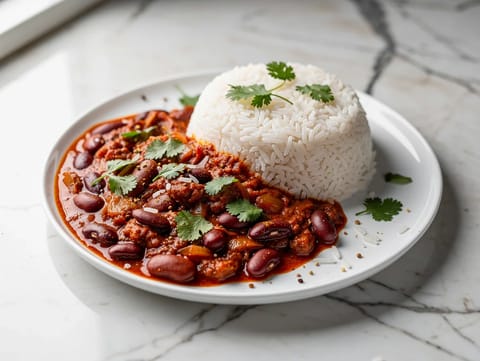
Red kidney bean curry in spiced tomato gravy with basmati rice
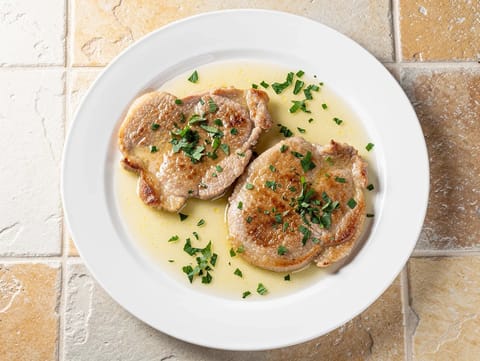
Pan-fried veal in a white wine, butter and lemon sauce
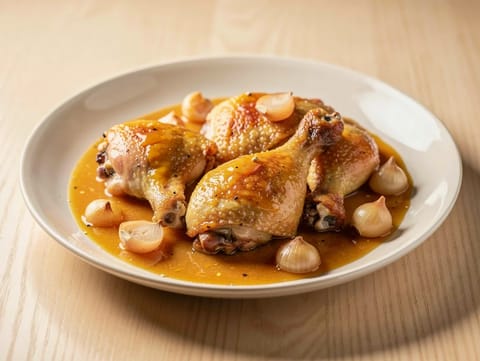
Chicken braised with shallots in a tangy vinegar sauce
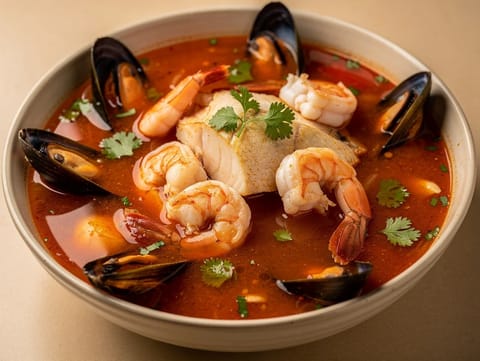
Seafood soup with tomato, chilli, lime and coriander
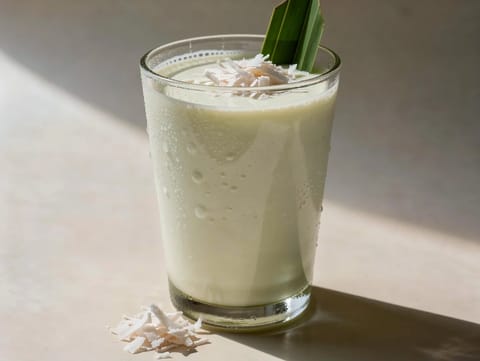
A creamy coconut milk and pandan smoothie with banana.
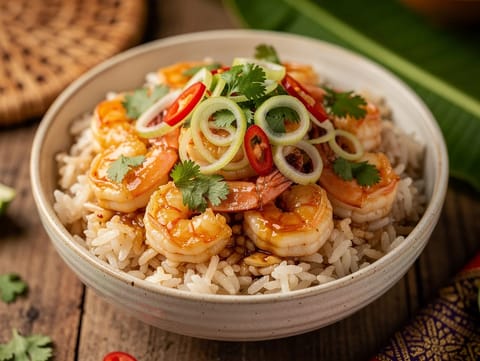
Air-fried Thai shrimp with fish sauce, lime, and garlic.

Italian lemon and basil sorbet churned smooth and frozen
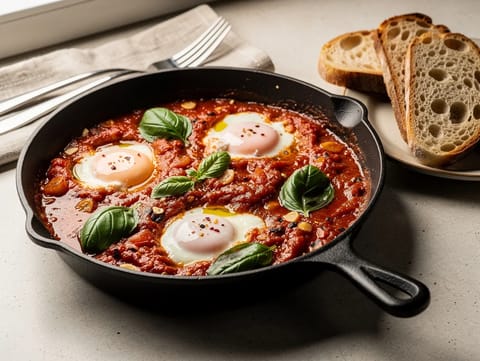
Eggs poached in garlicky tomato sauce with chilli and basil
The line can be blurry, but pies are typically defined by a filling contained by pastry, often with a top crust or deeper sides. Tarts are often shallower and usually open-topped, with the filling visible.
Moisture from the filling can soak into pastry before it sets. Recipes may prevent this by blind-baking, using a thicker filling, or baking on a hot tray to set the base quickly.
Often, yes, especially for fillings with meat or vegetables in gravy. Pre-cooking helps ensure the filling is properly cooked and thickened, so the pastry isn’t asked to do all the work.
Vents let steam escape, which helps the filling reduce and can keep the top crust crisper. Without a vent, steam can build up and soften the pastry.
It depends on the filling. Many pies slice more cleanly after a short rest, when bubbling stops and the filling thickens slightly as it cools.
When you match the pastry and baking approach to the filling’s moisture and thickness, pie becomes far more predictable. Start by deciding whether you want a crisp base, a flaky lid, or both, then choose a recipe that manages steam and setting accordingly.
