
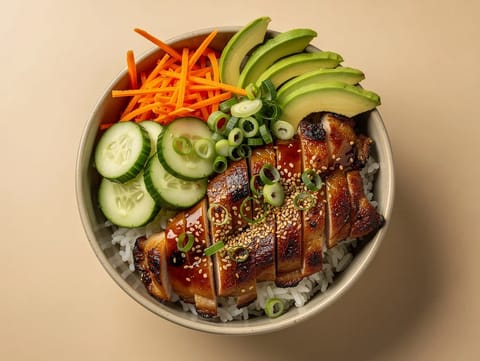
Honey Garlic Chicken Poke Bowl
Honey garlic chicken poke bowl with rice, avocado and cucumber.

A poke bowl is a composed dish built around a base, a protein and a set of toppings, with a dressing that ties everything together. The appeal is contrast: cool fish or tofu against warm rice, creamy elements against crunch, and a sauce that seasons the whole bowl rather than just one component.
Because it’s assembled more than cooked, the key decisions are ingredient quality, knife work and how you balance salt, acid, heat and sweetness in the dressing.
Poke bowls take their cue from Hawaiian poke, where seasoned raw fish is the centrepiece. In home cooking, the term is often used more broadly for bowls that keep the same structure: a base (commonly rice), a main topping (often fish, but sometimes cooked seafood or plant-based alternatives), and a mix of vegetables, pickles and crunchy garnishes.
What matters is the composed format and the seasoning approach. The dressing or marinade is usually bold enough to season the base and toppings together, and the bowl is designed to be eaten as a mixed bite rather than as separate side dishes.
Honey garlic chicken poke bowl with rice, avocado and cucumber.
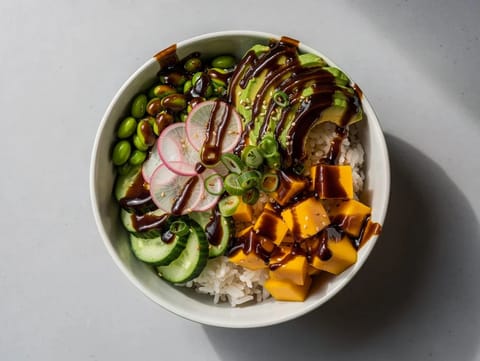
Vegan poke bowl with mango, avocado and sushi rice.
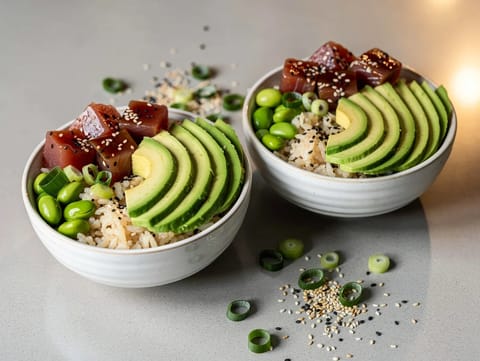
Sushi rice poke bowl with tuna and avocado.
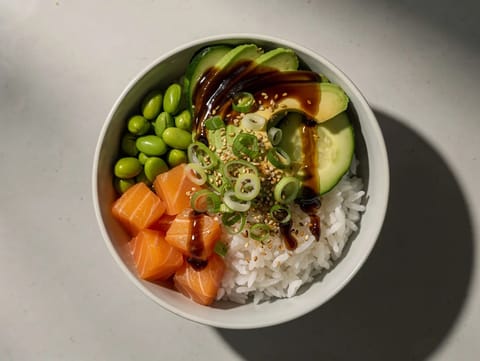
Sushi rice poke bowl with salmon, avocado and cucumber.
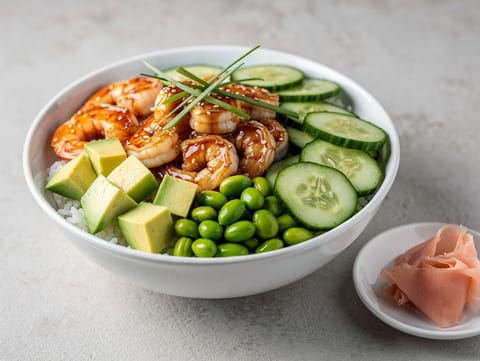
Shrimp poke bowl with sushi rice, avocado and edamame.
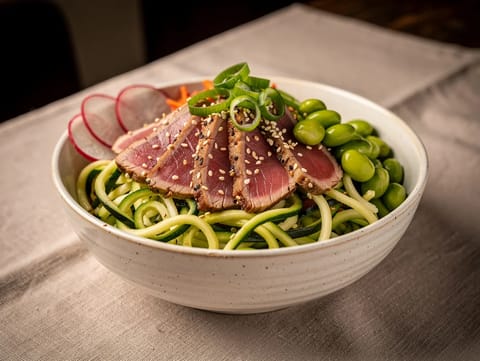
Tuna poke over courgette noodles with edamame and radishes.
Some poke bowls focus on marinated raw fish with a relatively simple set of toppings, letting the fish and sauce lead. Others lean into variety, adding multiple vegetables and contrasting textures such as seaweed, cucumber, radish, avocado or toasted seeds.
There are also bowls that keep the poke-style dressing but use cooked components, such as cooked prawns or salmon, which changes the timing and the way the sauce is absorbed.
Base choices shift the whole bowl. Warm rice gives comfort and helps mellow salty dressings; chilled grains or greens make the bowl feel lighter and put more emphasis on the topping textures. The best match depends on how rich the sauce and toppings are.
Vegan poke bowl with mango, avocado and sushi rice.
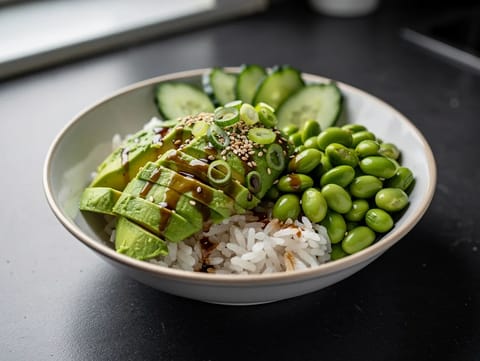
Sushi rice bowl with avocado, cucumber, edamame, and soy dressing.
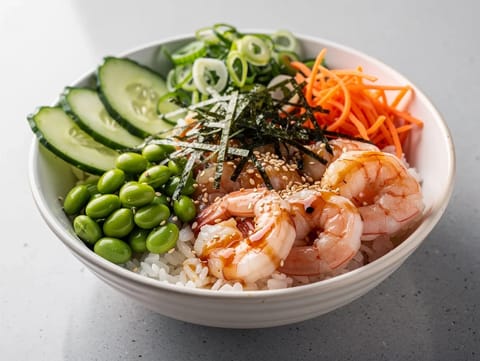
Sushi rice bowl topped with prawns, cucumber and edamame.
Sushi rice poke bowl with tuna and avocado.
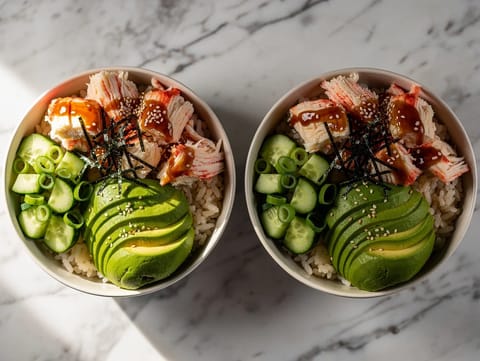
Crab poke bowl with sushi rice, avocado and cucumber.
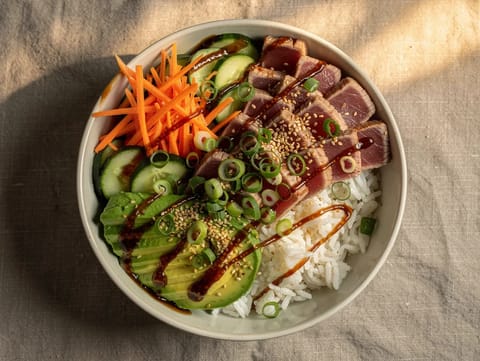
Jasmine rice poke bowl with seared tuna and avocado.
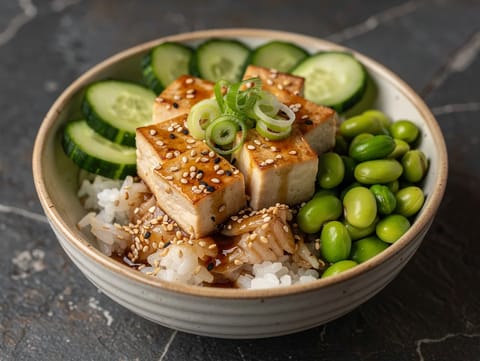
Sesame tofu poke bowl with sushi rice, cucumber and edamame.
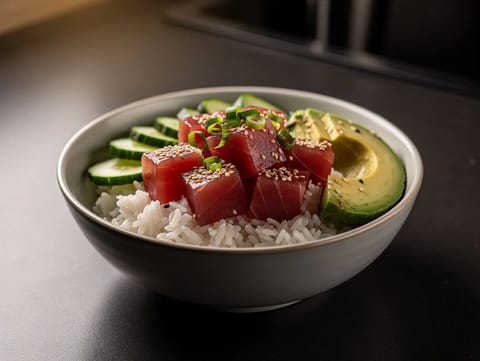
Ahi tuna poke over sushi rice with avocado and cucumber.
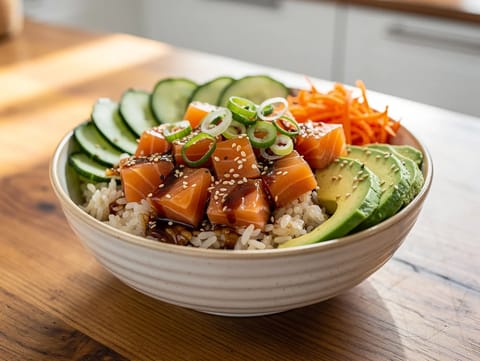
Easy salmon poke bowl with sushi rice, avocado and cucumber.
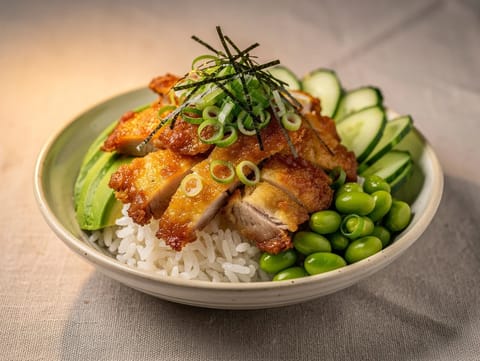
Sushi rice with crispy chicken, avocado and soy-sesame dressing.
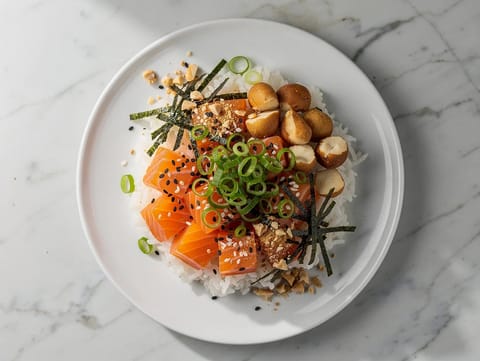
Hawaiian style salmon poke bowl with sushi rice and seaweed.
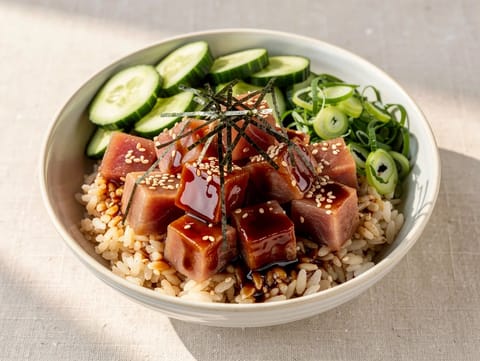
Shoyu tuna poke bowl with sushi rice, cucumber and sesame.
If you want a bowl that tastes cohesive, choose recipes where the dressing is strong enough to season the base, but not so salty that it overwhelms delicate toppings. Creamy sauces and mayo-based dressings coat ingredients quickly, so a little goes a long way.
For a cleaner, fresher bowl, look for dressings that lean on citrus, vinegar or soy-style seasoning, and use crunchy vegetables to keep the bite lively.
Texture is the easiest way to improve a poke bowl without extra cooking. Pair something soft (rice, fish, avocado) with something crisp (cucumber, radish) and something crunchy (toasted seeds, fried onions, nori).
If using raw fish, choose recipes that are explicit about preparation and sourcing, and follow them carefully.
Cuisine is a helpful next step for poke bowls, because seasoning patterns and topping choices often follow particular regional styles. Cooking method can also guide you towards bowls built around raw fish, cooked seafood, or plant-based proteins, which changes both timing and handling.
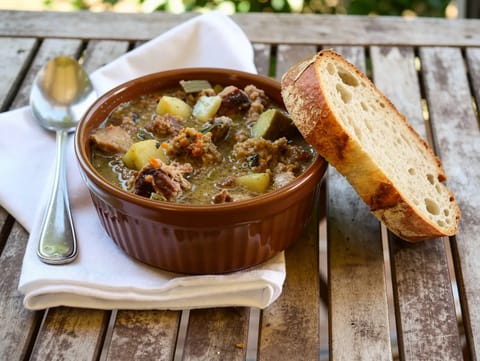
Spanish lamb stew with potatoes and red pepper
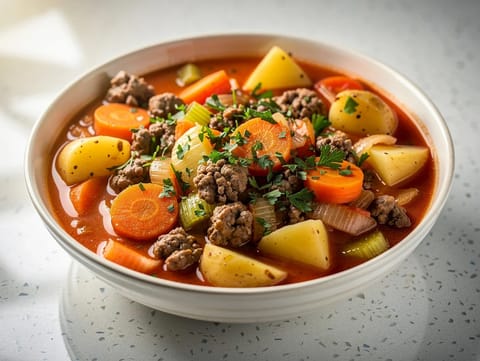
Minced beef and potato stew in a paprika-tomato broth
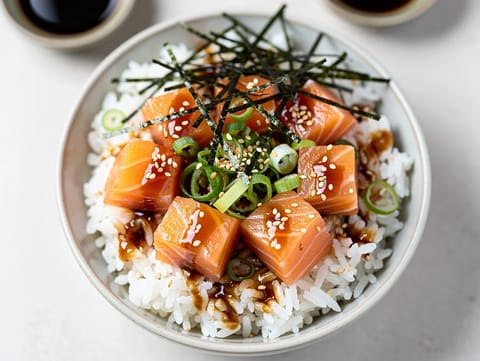
Salmon sesame poke bowl with sushi rice and soy dressing.
Cheesy spätzle noodles layered with Gruyère and fried onions
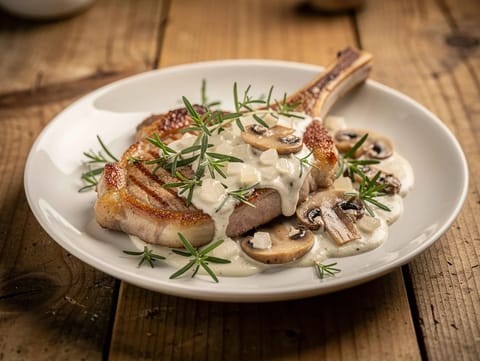
Veal chops with creamy mushroom sauce
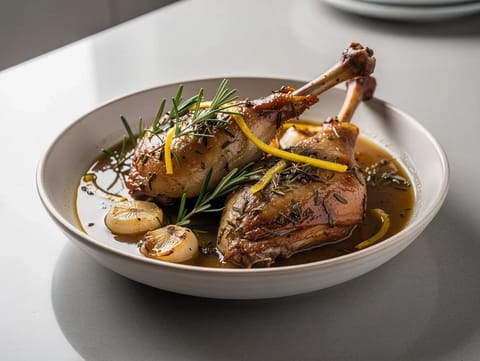
Rabbit braised with rosemary, garlic and white wine
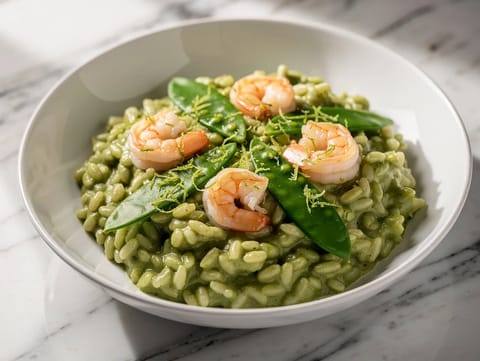
Coconut green curry risotto with prawns and mange tout
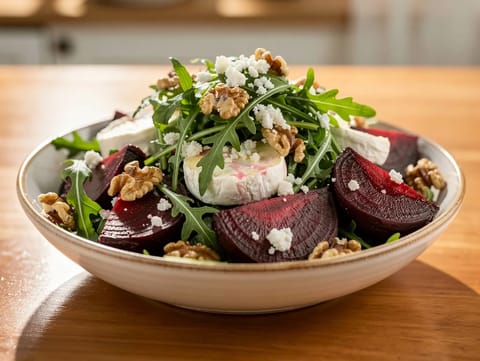
Roasted beetroot salad with goat's cheese and rocket
Traditionally, poke centres on seasoned raw fish, but many home-style bowls use cooked seafood or plant-based proteins while keeping the same composed format and dressing-led flavour.
They can overlap, but poke bowls are typically defined by a poke-style seasoned topping and a dressing that seasons the whole bowl. Grain bowls may use a wider range of dressings and proteins without that specific flavour profile.
It usually needs more contrast: a brighter acid note in the dressing, a little heat, or a crunchy topping. Because many components are cool, seasoning can read muted unless the sauce is well balanced.
Often, yes, for bases, vegetables and sauces. Raw fish is more time-sensitive, so it’s best handled close to serving and according to the recipe’s guidance.
Rice is common because it balances salty dressings and makes the bowl feel complete, but other grains or greens can work depending on how rich the toppings and sauce are.
A good poke bowl is less about cooking time and more about balance. Choose a base that suits your sauce, keep the topping cuts bite-sized, and add at least one crisp and one crunchy element so every mouthful has contrast.
