
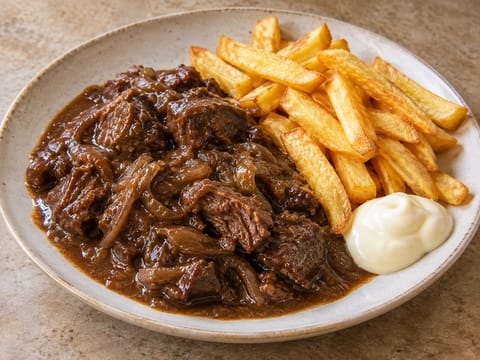
Stoofvlees met Friet (Belgian Beef Stew with Chips)
Belgian beef stew with dark beer, served with chips

A Dutch oven is a heavy, lidded pot designed to hold heat steadily and seal in moisture. That combination changes how food cooks: tough cuts soften without drying out, sauces reduce more gently, and bread can rise with a crisp crust thanks to trapped steam. Recipes that specify a Dutch oven are usually relying on its weight, tight-fitting lid and oven-safe build. Understanding what those features do makes it easier to choose the right recipe, or to substitute sensibly when you do not have one.
For meltingly tender textures, look for long, covered cooking where the lid keeps evaporation low: braises, stews and slow-cooked beans are typical examples. For deeper flavour and colour, many recipes start with browning in the same pot, then add liquid and cook covered, which saves washing up and keeps the fond in play. For bread, the Dutch oven acts like a small oven within the oven, holding steam close to the dough so the crust sets later and expands more. If you want a thicker, glossier sauce, recipes that finish uncovered let moisture evaporate and concentrate flavours, but the pot’s wide base and heat retention mean you should watch the final reduction more closely.
Belgian beef stew with dark beer, served with chips
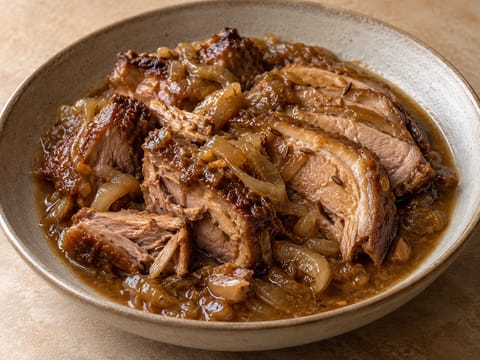
Pork shoulder slow-braised in lager with onion and caraway
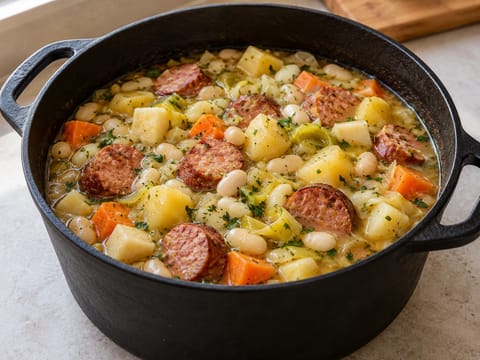
German one-pot stew with smoked sausage, beans and potatoes
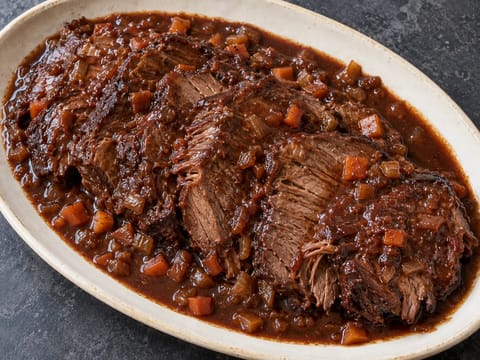
Beef braised in Barolo with vegetables and reduced wine sauce
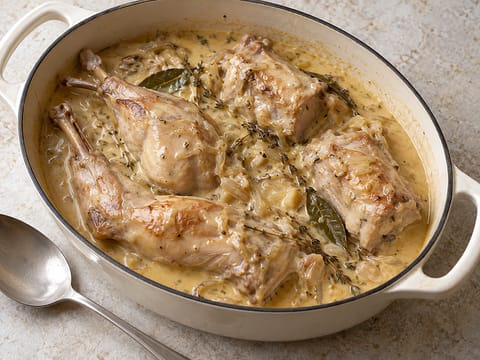
French rabbit stew with Dijon mustard and double cream
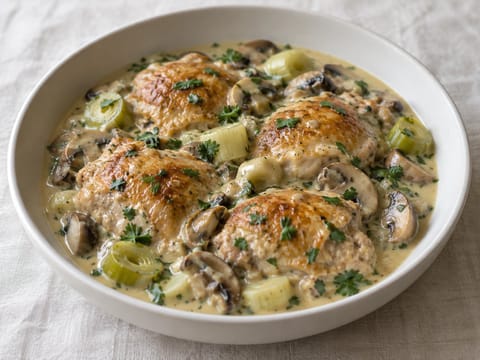
Chicken fricassée with mushrooms in a white wine cream sauce
Overcrowding is the classic problem when browning: too much meat or too many vegetables at once steams rather than sears. Brown in batches and return everything to the pot later. Another issue is heat management. Cast iron holds heat so well that a lively simmer can quickly become an aggressive boil, which can break up delicate ingredients and reduce sauces faster than expected. Turn the heat down earlier than you would with a thin pan. Finally, remember the lid and handles get extremely hot. A clear “lid-on, lid-off” routine and a safe resting spot on the hob prevent a lot of kitchen mishaps.
French rabbit stew with Dijon mustard and double cream
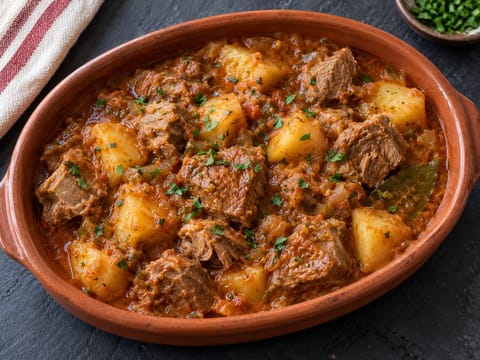
Spanish lamb stew simmered with potatoes, tomatoes and paprika
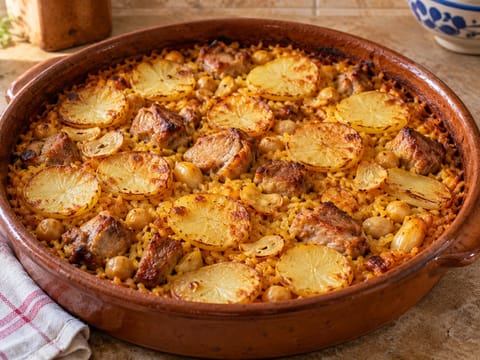
Valencian oven-baked rice with pork, chickpeas and potato
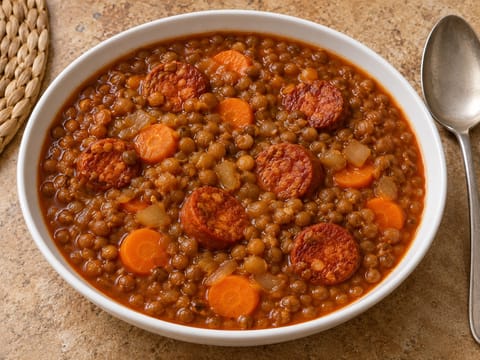
Spanish lentil stew simmered with chorizo, tomato and smoked paprika
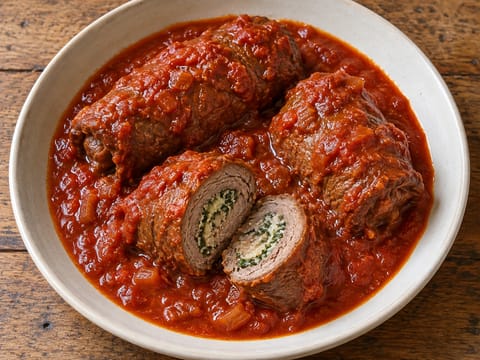
Beef rolls braised in tomato sauce with garlic and Parmesan
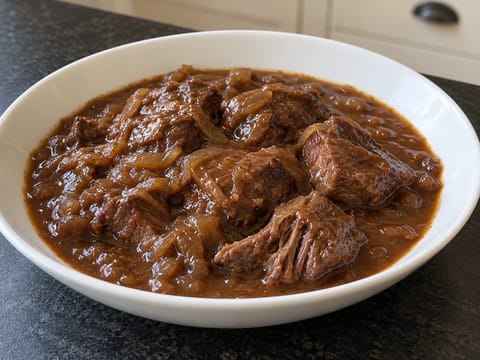
Dutch slow-cooked beef served with glossy gravy
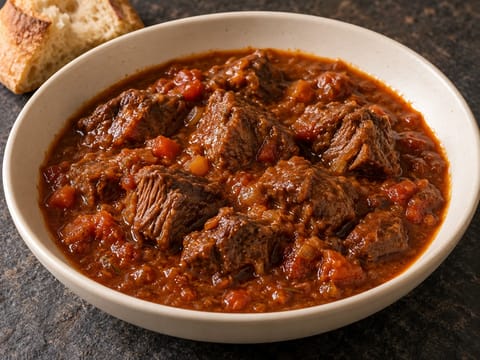
Italian beef stew simmered with tomato, red wine and herbs
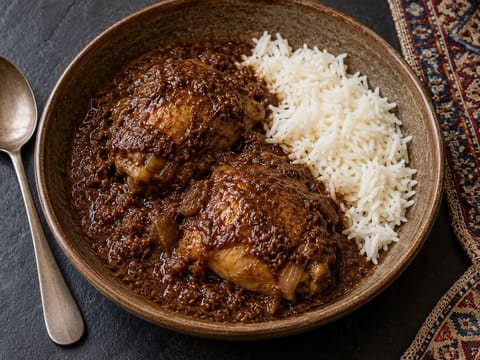
Persian chicken stew with walnut and pomegranate molasses sauce
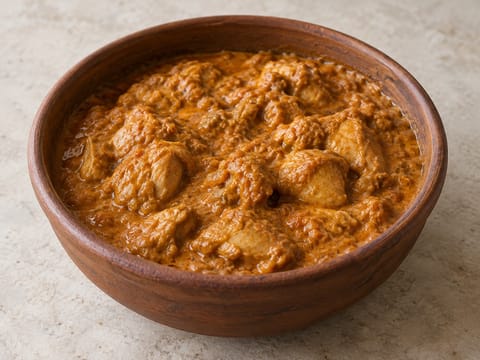
Slow-cooked chicken curry with yoghurt, tomatoes and cream
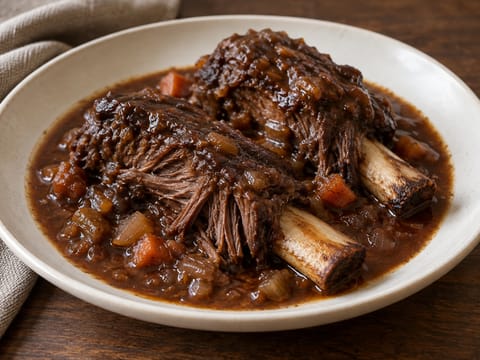
Beef short ribs braised in red wine with a glossy sauce
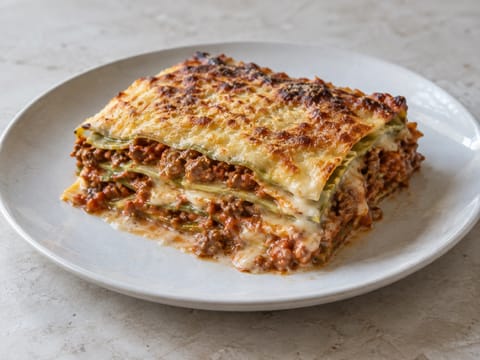
Spinach pasta lasagne with beef and pork ragù and béchamel
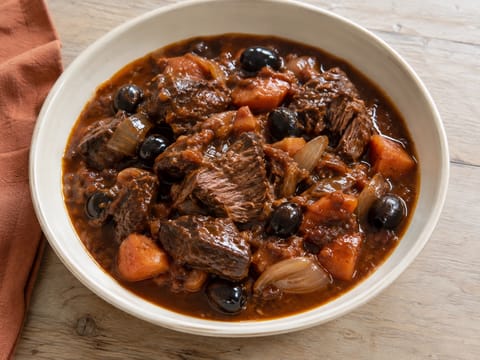
Slow-braised beef stew with olives and orange
A Dutch oven is usually cast iron, often enamelled, with a close-fitting lid and walls thick enough to buffer temperature swings. It can move from hob to oven, which is why it appears in recipes that start with sautéing and finish with slow, even cooking. It is not the same as a stockpot, which is tall and lighter, or a casserole dish, which may not brown well on the hob. The Dutch oven’s strength is controlled, even heat and moisture retention, not speed. It will not behave like a pressure cooker, and it is not a substitute for a wok or a thin frying pan when you need rapid evaporation and high-heat tossing.
Cooking method is the most helpful companion here, because Dutch oven recipes often hinge on braising, simmering, baking or a mix of hob and oven work. Difficulty is also worth a glance: the pot itself is forgiving, but some recipes involve timing reductions, managing heat gently, or handling a heavy, hot lid with confidence.
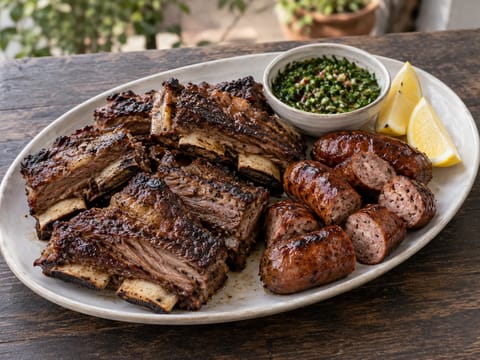
Mixed grill of short ribs and sausages with chimichurri
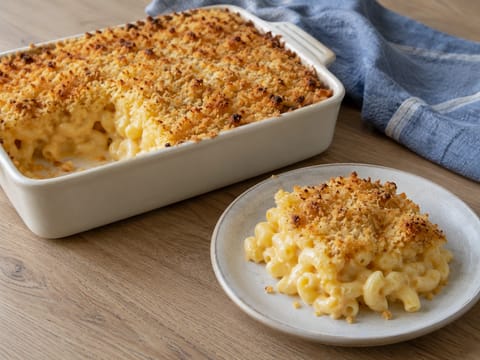
Baked macaroni in Cheddar and mustard sauce with panko topping
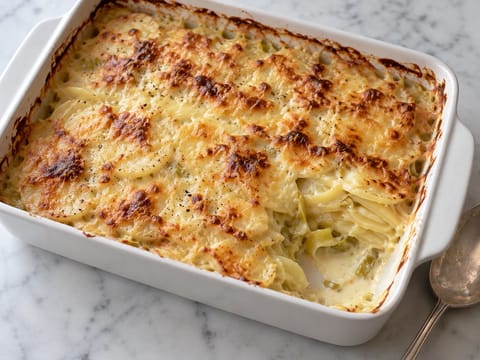
Potato and leek gratin with cream, garlic and Gruyère
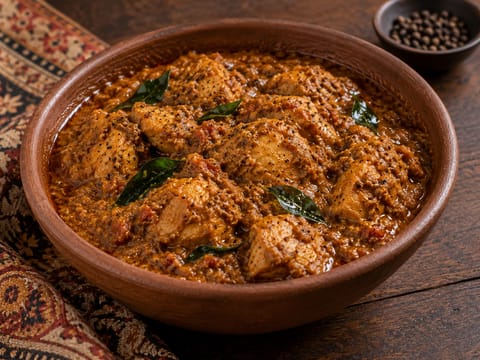
South Indian pepper chicken curry with coconut
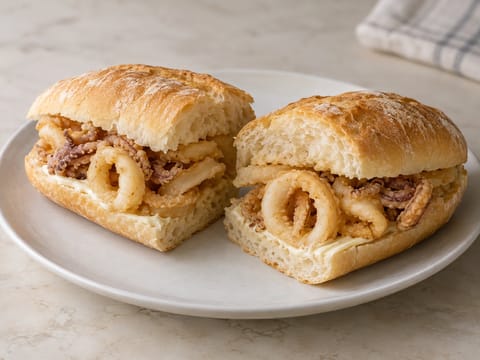
Fried squid sandwich with lemon and mayonnaise
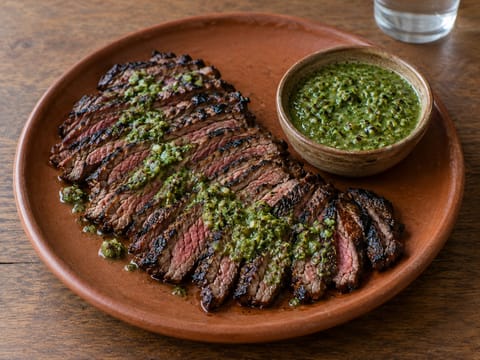
Grilled skirt steak with charred tomatillo salsa verde

Mexican torta with breaded pork, beans, avocado and jalapeños
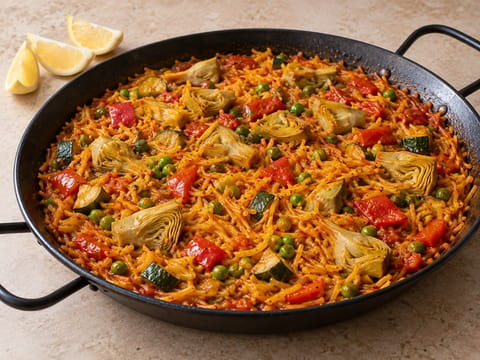
Spanish vegetable fideuà with saffron noodles and tender vegetables
Not necessarily. Enamel makes the pot less reactive and easier to clean, and it suits acidic braises and tomato-based sauces. Bare cast iron works too, but it needs more care and can be more reactive with acidic ingredients.
Many cast-iron Dutch ovens work well on induction because the material is magnetic. Check your pot’s base and your hob’s guidance, and lift rather than drag to avoid scratching the surface.
A heavy, oven-safe pot with a lid is the closest substitute. A deep, lidded sauté pan can work for smaller batches. For oven braises, a roasting tin tightly covered with foil can stand in, though it will not hold heat in quite the same way.
The lid traps steam released by the dough, which delays crust formation and helps the loaf expand. It also provides steady, even heat around the bread.
In many places the terms overlap. In recipe language, “Dutch oven” usually signals a heavy, lidded pot suitable for both hob browning and oven cooking.
Not always. Browning adds flavour and colour, but some recipes rely more on gentle cooking and aromatics. If you do brown, avoid crowding so you actually get a sear.
A Dutch oven earns its place when a recipe needs steady heat, a good lid and the option to move from hob to oven. Once you recognise that pattern, it becomes much easier to pick suitable recipes and make sensible swaps.
