
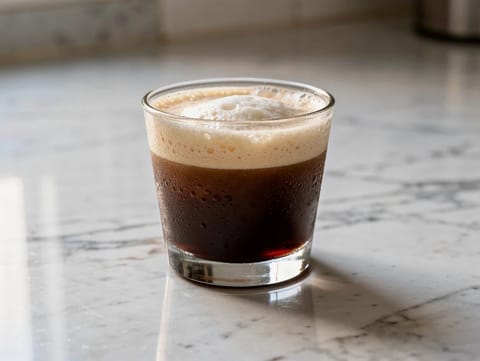
Caffè Shakerato (Iced Espresso Shake)
Frothy iced espresso shaken with sugar and strained

Bitterness is a flavour you notice quickly, but it rarely works alone. In recipes it often shows up as a clean, drying edge, sometimes with a faintly herbal or roasted note, and it can make rich foods taste lighter and sweet foods taste less cloying. This page is for recognising where bitterness comes from and choosing recipes where it is balanced on purpose, rather than arriving by accident.
Bitter is one of the core tastes, distinct from sourness (acid) and from heat (chilli). In cooking it commonly comes from dark leafy greens, citrus pith and zest, coffee and cocoa, certain spices and herbs, and from browning that goes past golden into deep toastiness. The sensation can read as pleasantly grown-up and refreshing, or as harsh if it dominates. Texture matters: bitterness is often more noticeable in thin liquids and clear broths than in thick sauces, where fat and starch soften the edges. It also lingers, so a bitter element tends to shape the finish of a dish even when it is not the main ingredient.
Frothy iced espresso shaken with sugar and strained
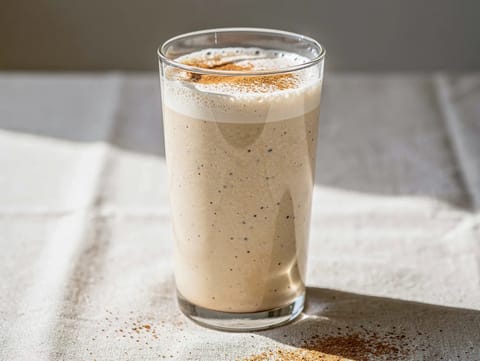
A creamy espresso banana smoothie with milk and yoghurt.
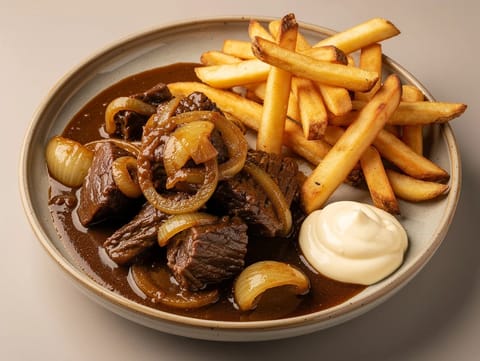
Belgian beef stew with dark beer, served with chips
Affogato made with vanilla gelato, hot espresso and warm chocolate sauce
A thick banana and matcha smoothie bowl, finished with crunchy almonds.

Arabic coffee gently brewed with green cardamom
Most bitter-leaning recipes rely on one or more counterweights. Salt reduces the perception of bitterness and helps bitter vegetables taste rounder. Fat carries aroma and coats the palate, which can make bitter notes feel more integrated, as in dressings, creamy sauces or nut-based mixtures. Sweetness does not need to be obvious: caramelised onions, roasted roots or a little honey can take the edge off without turning a dish sweet. Acidity brightens but can also sharpen, so it is often used in small, deliberate amounts, especially with bitter greens. Aromatics such as garlic, ginger and warm spices can shift bitterness into a more complex, fragrant direction.
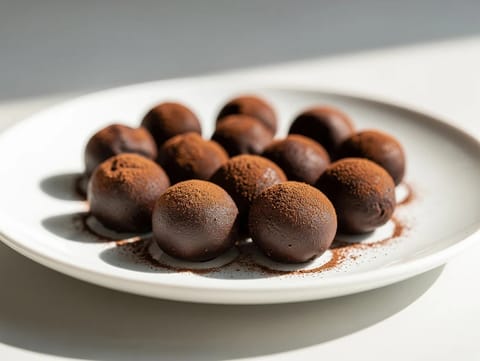
Dark chocolate truffles coated in cocoa powder

Italian sausages served over garlicky broccoli rabe with lemon
A thick banana and matcha smoothie bowl, finished with crunchy almonds.
A strong Moroccan coffee simmered with cinnamon and cardamom, lightly sweetened
A chilled no-bake cheesecake flavoured with Turkish coffee and cardamom.
Banana, milk and matcha are blended with honey and ice until smooth.
Latte e caffè is strong coffee with hot milk, served with dipping biscuits
Blend coffee, banana, Greek yoghurt and milk into a creamy protein smoothie.
Affogato made with vanilla gelato, hot espresso and warm chocolate sauce
A crisp coffee drink made with espresso, tonic water and ice
If you want bitterness as a crisp contrast, look for recipes where it is paired with rich components, such as bitter leaves with oily fish, cheese, eggs or beans. For a darker, roasted bitterness, choose recipes built around cocoa, coffee or well-browned ingredients, where the bitterness reads as depth rather than sharpness. When you prefer a gentler bitterness, recipes that blanch, braise or simmer bitter vegetables tend to soften their bite, especially when finished with fat. If you enjoy a more assertive edge, raw salads and quick sautés keep bitterness vivid, so the balancing elements need to be present from the start, not added as an afterthought.
Bitterness is often easiest to understand through the ingredient that brings it. Browsing by Ingredient helps you compare, for example, bitter greens versus cocoa or coffee, and see how each behaves in different formats. Dish type is also useful: bitterness plays differently in salads, soups, bakes and desserts, largely because texture and richness change how strongly you perceive it.
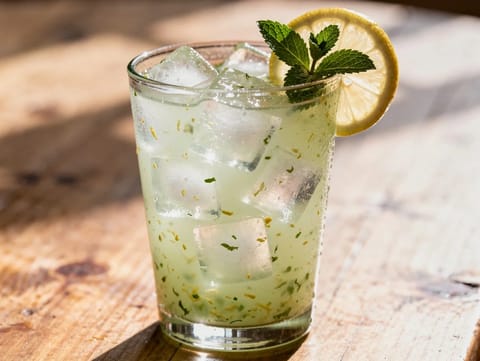
Mint lemonade blended with fresh mint, lemon juice and sugar

Watermelon agua fresca blended with lime and chilled over ice
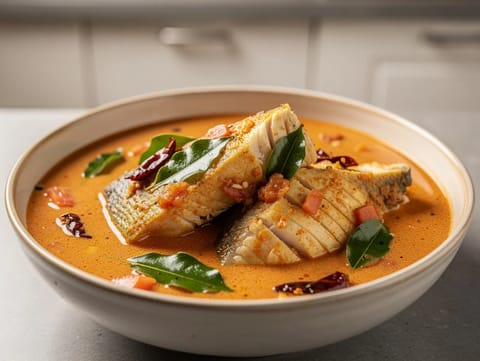
Goan coconut fish curry with tamarind and curry leaves

Roman spaghetti with guanciale, eggs, Pecorino and black pepper

Roast chicken with rice, beans, plantain, and salsa.

Tuna, avocado and cucumber poke bowl with sushi rice.

Crisp German potato pancakes with onion, egg and flour

German braided yeast bread enriched with butter, eggs and milk
Not quite. Burnt flavours can be bitter, but bitterness also comes from many fresh ingredients and from controlled browning. Burnt notes tend to taste ashy and one-dimensional, while intentional bitterness usually has a clearer ingredient character.
Bitterness is more noticeable when there is little fat or salt in the dish, and when the greens are served raw or only lightly cooked. Temperature can matter too: very hot, thin liquids can make bitter notes seem sharper.
Lemon adds acidity, which can brighten a dish, but it does not automatically reduce bitterness. Often a combination of salt and a little fat does more to soften bitter edges, with lemon used to lift the overall flavour.
Sourness is the taste of acidity, like citrus juice or vinegar. Bitterness is a separate taste that can feel drying and lingering. Many recipes use both, but they play different roles.
Yes. Cocoa, coffee and some dark caramel notes bring bitterness that keeps sweetness from tasting flat. The key is that the sweet element still needs to be present enough to balance the finish.
When a recipe is described as bitter, read it as a promise of contrast and a longer finish. Choose recipes where bitterness is paired with salt, fat, sweetness or gentle acidity, and you will taste complexity rather than sharpness.
