
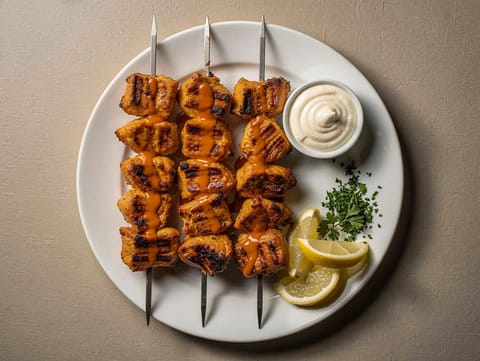
Shish Tawook (Marinated Chicken Skewers with Garlic Sauce)
Grilled chicken skewers marinated in yoghurt, lemon and garlic

Garlicky recipes are defined by garlic’s aroma and savoury bite, but the effect depends heavily on how the garlic is handled. Finely chopped raw garlic tastes hot and pungent; gently cooked garlic turns sweet and rounded; roasted garlic becomes soft, almost spreadable. Use this flavour profile when you want a clear allium backbone, whether that’s a sharp dressing, a fragrant stir-fry base, or a mellow sauce that tastes deeply savoury without being spicy.
Garlic’s flavour shifts with cutting and heat. Crushing or grating breaks more cells and releases more of the compounds that taste pungent, which is why raw garlic in dips and dressings can feel assertive. Slicing or leaving cloves whole tends to give a gentler flavour.
Heat changes garlic quickly. Brief cooking can take the edge off while keeping aroma; longer, gentler cooking brings sweetness and a more rounded savouriness. Browning garlic adds nuttier notes but can tip into bitterness if it catches. “Garlicky” therefore covers a range from sharp and peppery to mellow and almost caramel-like, with the common thread being garlic as a leading flavour rather than a background seasoning.
Grilled chicken skewers marinated in yoghurt, lemon and garlic
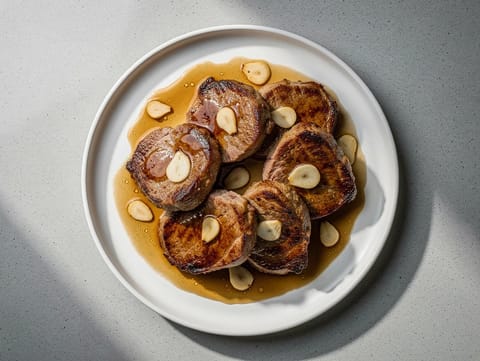
Pan-seared pork tenderloin with garlic whisky sauce
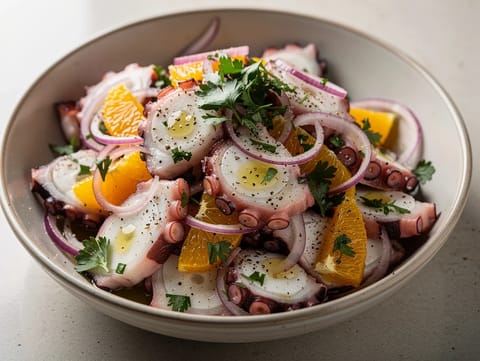
Chilled octopus salad with orange, lemon and parsley
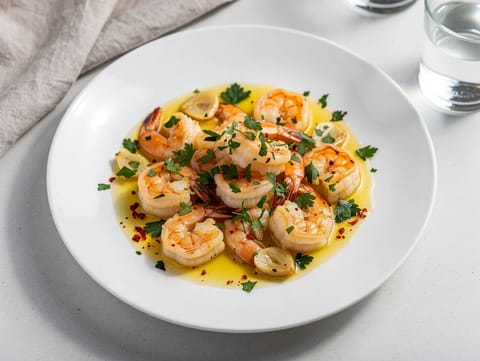
Spanish lemon garlic prawns with chilli and parsley
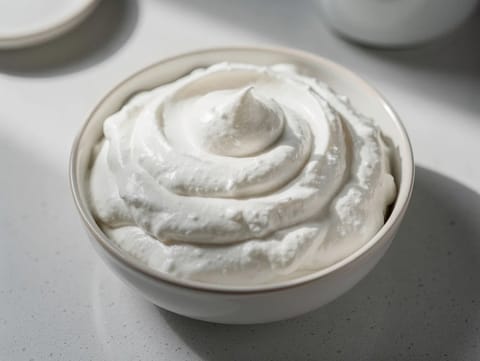
Thick garlic toum made with lemon juice and sunflower oil
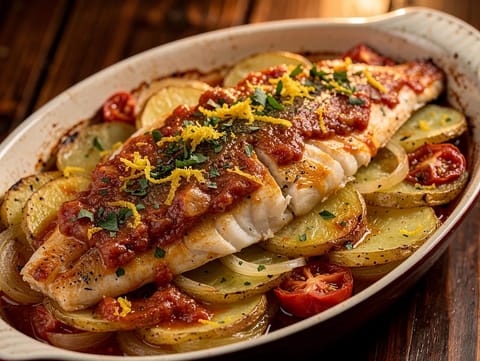
Greek baked fish with tomato sauce, potatoes and onions
Raw or barely cooked garlic pairs well with acidity and freshness: lemon, vinegar, tomatoes, yoghurt, crisp vegetables and herbs. These ingredients keep the flavour bright and stop the pungency from lingering.
Mellow cooked garlic sits comfortably with richer elements such as olive oil, butter, cream, cheese and slow-cooked vegetables, where it reads as savoury depth rather than heat. It also works well with beans, potatoes and grains, which absorb garlicky sauces.
If you want garlic to feel bold without harshness, recipes often balance it with salt, fat and a finishing note such as citrus zest, parsley or chilli. If it tastes aggressive, it is usually too raw for the dish, or it needs more dilution from fat or acidity.
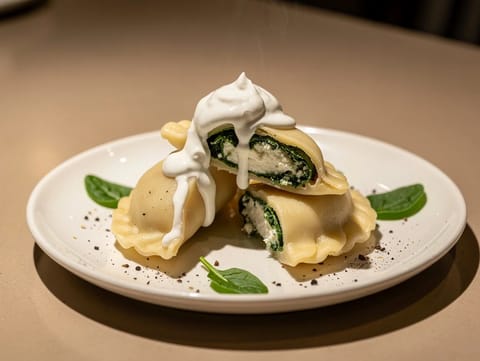
Pierogi filled with spinach and ricotta
Chilled octopus salad with orange, lemon and parsley
Pan-seared pork tenderloin with garlic whisky sauce
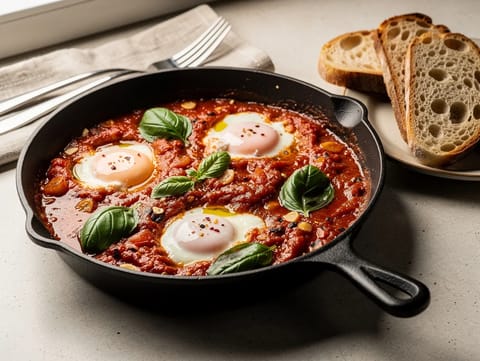
Eggs poached in garlicky tomato sauce with chilli and basil
Greek baked fish with tomato sauce, potatoes and onions
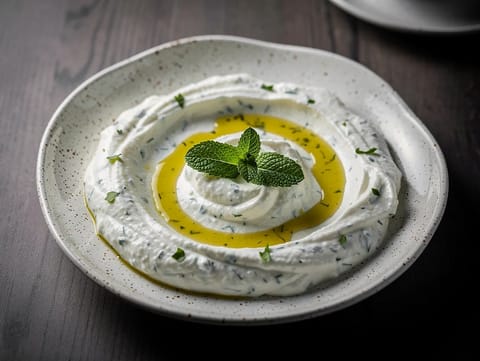
Thick Turkish yoghurt dip with garlic, mint and olive oil
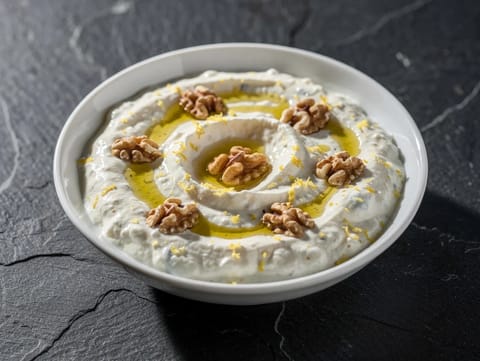
Chilled walnut and yoghurt sauce with garlic and lemon
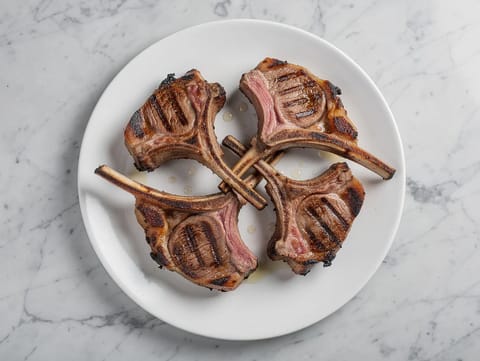
Grilled lamb cutlets with rosemary, garlic and lemon
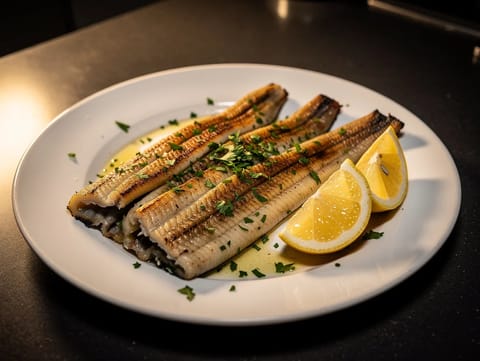
Italian grilled eel with lemon, garlic and parsley
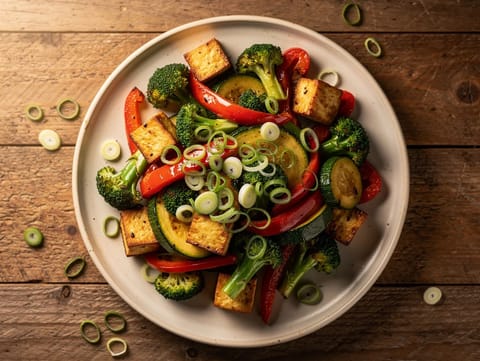
Crispy tofu and vegetables cooked quickly in the air fryer.
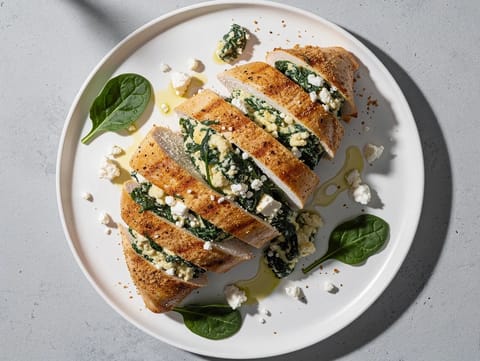
Chicken stuffed with spinach and feta, cooked in the air fryer.
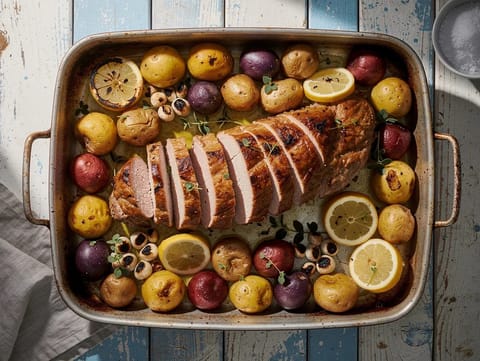
Greek-style pork roast with lemon, oregano and tray potatoes
For a punchy, upfront garlicky flavour, look for recipes that use raw garlic in small amounts, or add garlic late in cooking. These dishes tend to taste best when the garlic is evenly distributed, so the cutting method matters.
For a rounded, aromatic garlicky base, recipes that start with garlic cooked gently in oil build flavour without sharpness. This approach is common in sauces, soups and braises.
For a sweet, mellow garlicky character, roasted or confit-style garlic gives softness and body as well as flavour. It can be mashed into dressings, stirred into purées, or used to thicken sauces slightly. In these recipes, the garlic behaves almost like an ingredient in its own right rather than a seasoning.
If you’re choosing what to cook with garlic, Ingredient browsing helps you match it with tomatoes, greens, beans, seafood or dairy, depending on the style you want. Dish is useful when you’re deciding whether garlic should lead a sauce, a dip, a roast, or a quick pan-cooked recipe.
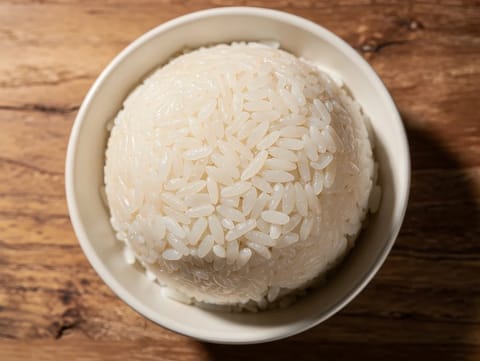
Thai sticky rice steamed from soaked glutinous rice
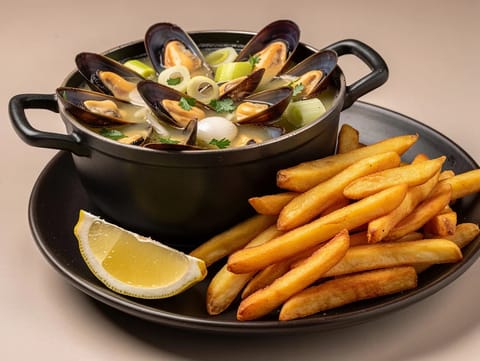
Mussels steamed in white wine, served with crisp chips
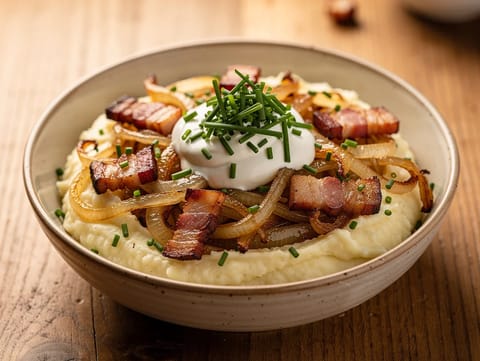
Pierogi-inspired potato and quark bowl topped with crisp bacon
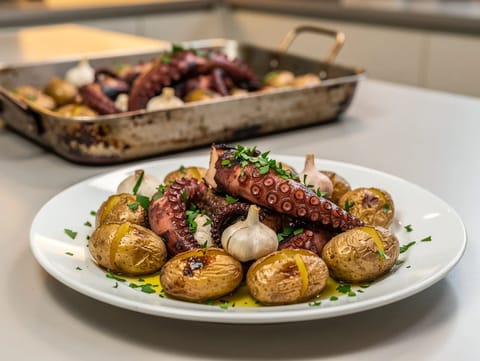
Roasted octopus with potatoes, garlic, bay and olive oil
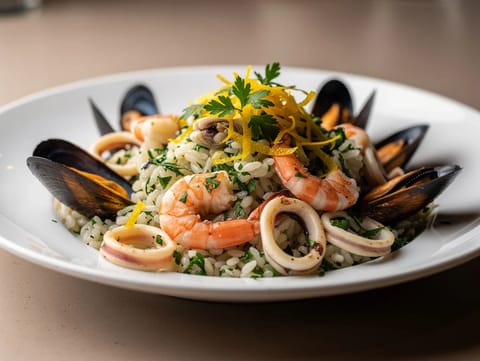
Creamy seafood risotto with prawns, mussels, squid and lemon
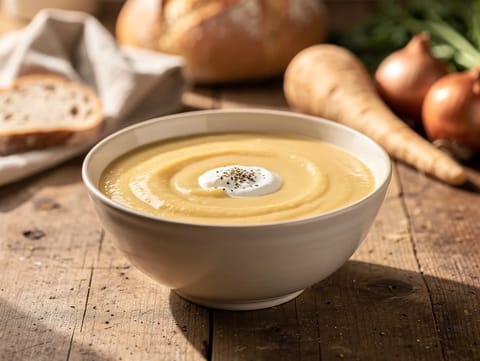
Smooth parsnip soup with cumin and double cream
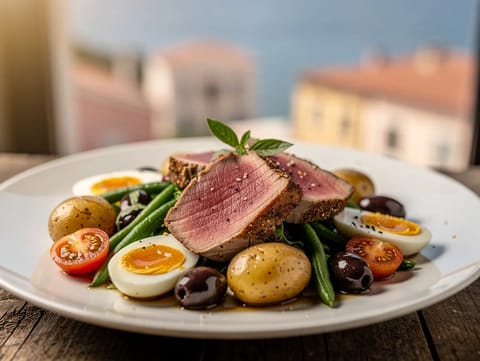
Salade Niçoise with seared tuna, eggs and vegetables
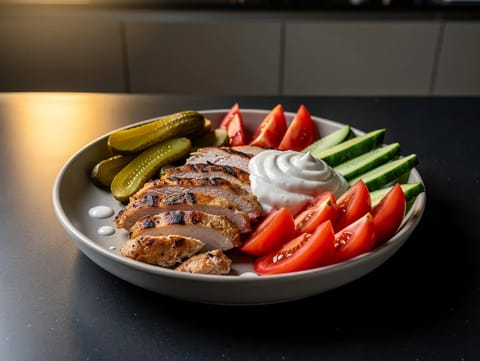
Roasted chicken shawarma with garlic sauce, pickles and salad
Cutting garlic releases pungent compounds that are strongest when raw. Heat changes and softens those compounds, so the flavour becomes sweeter and less sharp.
Usually, yes. Finer cutting releases more pungency and spreads it more evenly through a dish, which reads as “more garlicky”.
Garlic can taste bitter if it browns too quickly or burns, especially when finely chopped. Gentler heat and a little more oil can help control this.
Choose a cooked-garlic approach, or balance raw garlic with enough fat and acidity. Many recipes also use a fresh herb finish to lift the aroma.
Not always. When cooked slowly, garlic can become mellow and supportive, adding savoury depth rather than a sharp top note.
With garlicky recipes, the main decision is not how much garlic to use, but how it’s cut and cooked. Pick a sharp, fresh style or a mellow, sweet one, then choose pairings that support that direction.
