
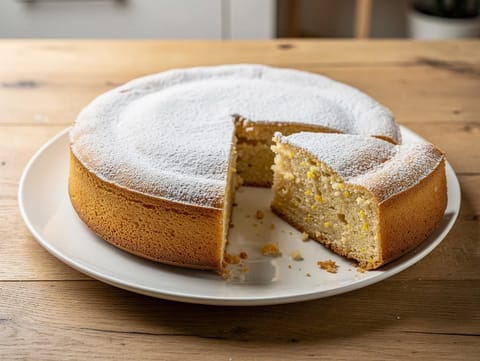
Gluten-Free Torta di Mandorle (Italian Almond Cake)
Gluten-free almond cake with lemon zest and icing sugar

Nutty flavour can show up as aroma, richness, texture, or all three. Sometimes it is literal nuts and seeds, toasted until fragrant; sometimes it is a nut-like note created by browning butter, roasting grains, or cooking ingredients until they take on a deeper, toasty edge. The useful question is what kind of nuttiness you want: crunchy and fresh, or smooth and rounded. That choice affects everything from how you chop and toast to when you add nuts so they stay crisp rather than turning soft.
Nutty can mean warm, toasted and slightly sweet, like roasted hazelnuts or almonds. It can also mean earthy and savoury, as with sesame, tahini or some pumpkin seeds. In baking, nuttiness often reads as caramel-like when nuts are toasted and paired with butter and sugar; in savoury cooking it can act like a quiet bass note that makes vegetables and grains taste more substantial. Not every nutty recipe tastes strongly of nuts. A browned crust on bread, a well-toasted rice dish, or beurre noisette can all bring a nutty aroma without any nuts present.
Gluten-free almond cake with lemon zest and icing sugar
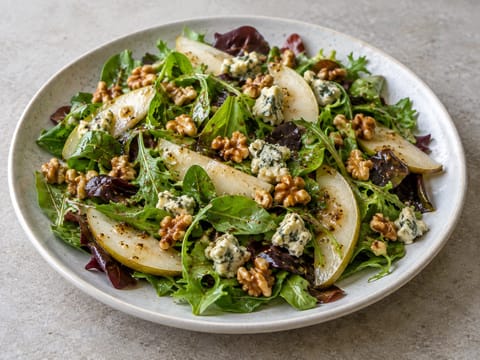
Salad with Stilton, pear and toasted walnuts
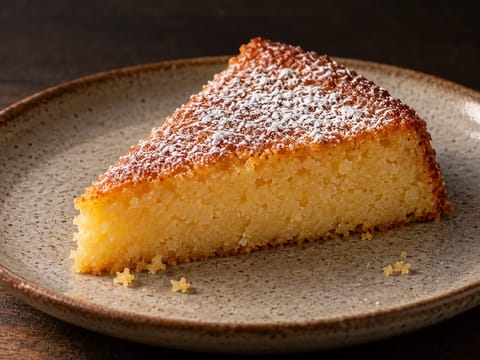
Dense Portuguese almond cake finished with icing sugar
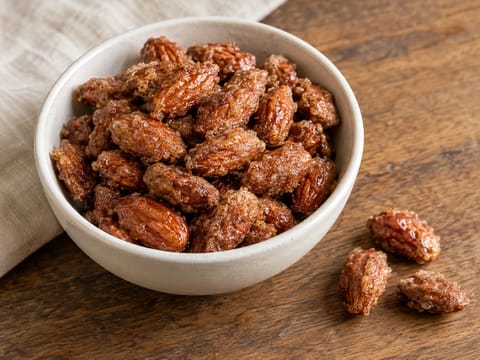
Cinnamon sugar candied almonds with a crisp, sandy coating
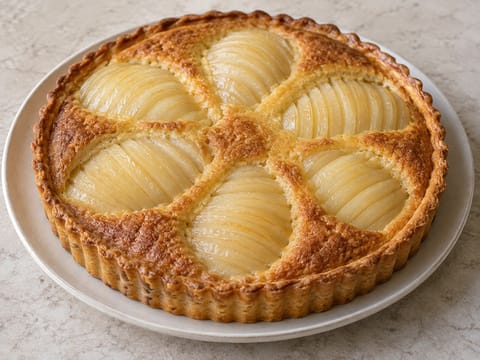
Pear and almond tart with sweet pastry and frangipane
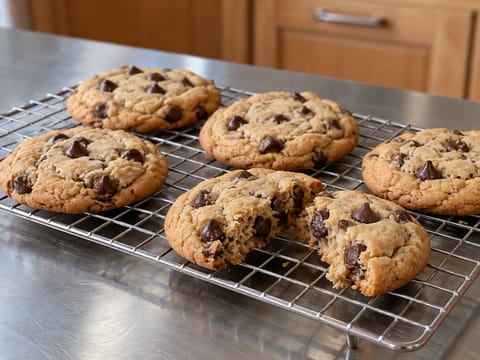
One-bowl peanut butter cookies with dark chocolate chips
Nutty recipes tend to fall into a few recognisable formats. There are crunchy toppings and coatings, where chopped nuts or seeds add snap and a roasted edge. There are creamy nut-based sauces and pastes, where the flavour is fuller and the texture smooth, often clinging to noodles, vegetables or grilled foods. And there are baked goods where nuts are folded through batters or scattered on top, giving pockets of richness and a toasted finish. The same ingredient behaves differently depending on size and timing: finely ground nuts can make a cake tender, while whole nuts can stay distinct and provide contrast.
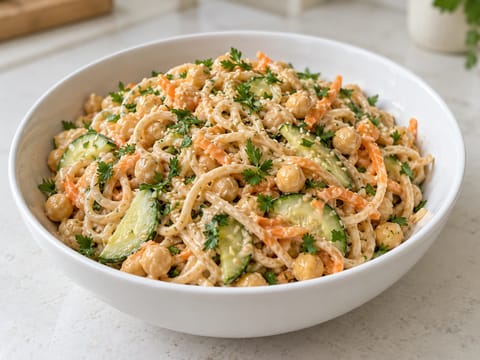
Noodles with tahini lemon dressing, chickpeas and crisp vegetables
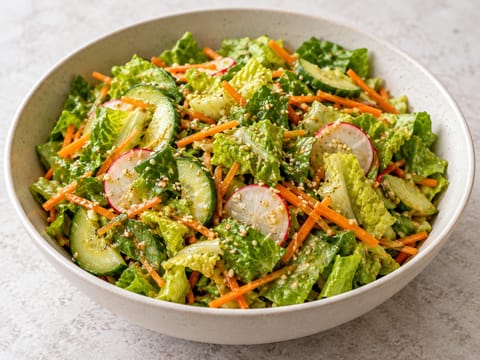
Crisp Korean salad with nutty sesame dressing
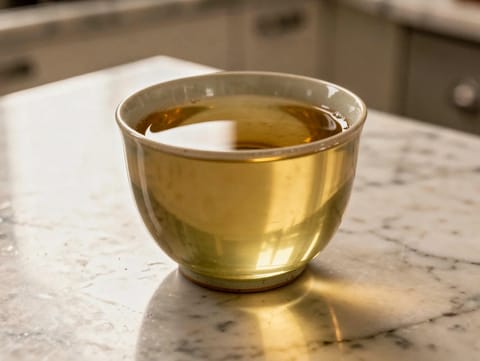
Japanese green tea blended with toasted rice
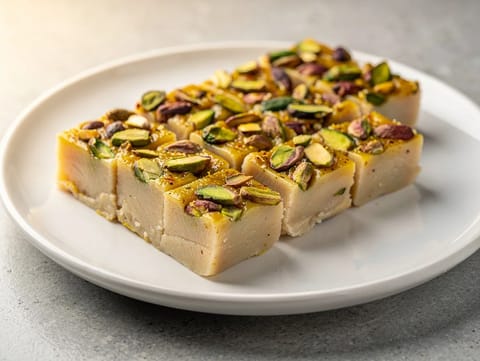
Fudgy barfi made from reduced milk, cardamom and pistachios
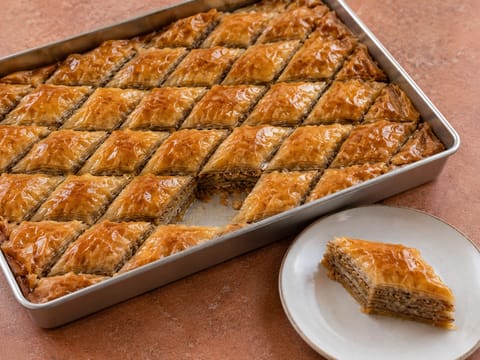
Baklava tray with walnuts, pistachios and honey orange syrup
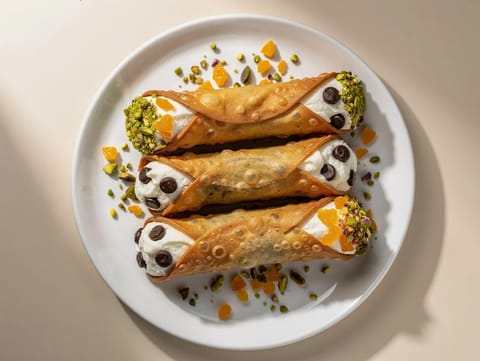
Fried cannoli filled with sweet ricotta and finished with pistachios
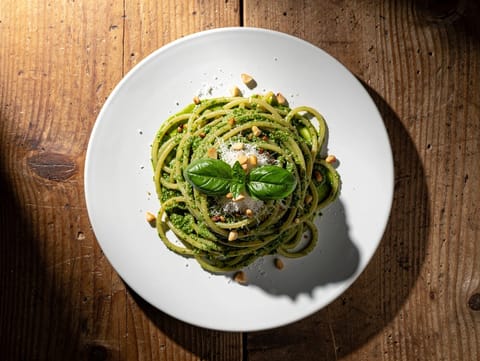
Spaghetti tossed with fresh basil pesto and Parmesan
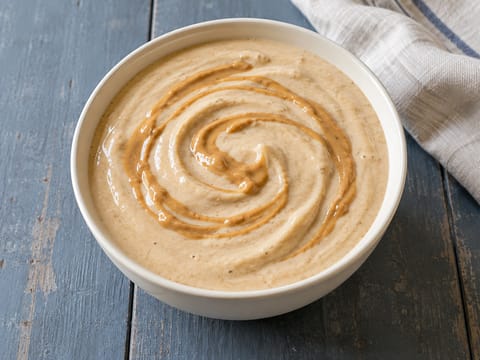
A thick banana smoothie bowl with peanut butter and protein.
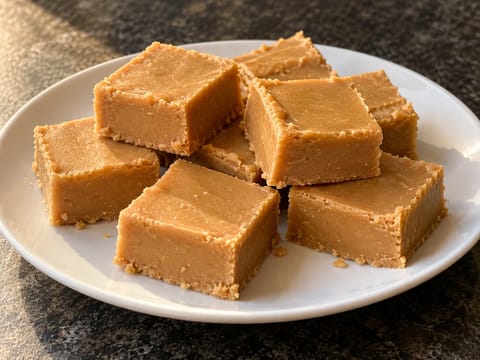
No-bake peanut butter fudge set in the fridge
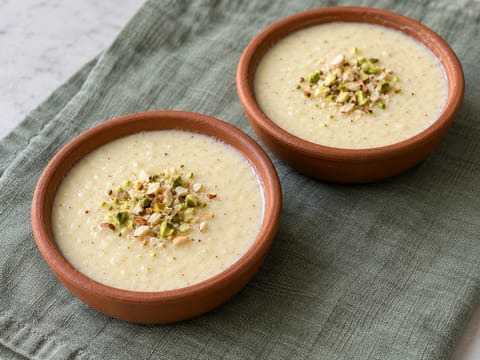
Chilled ground rice pudding with cardamom
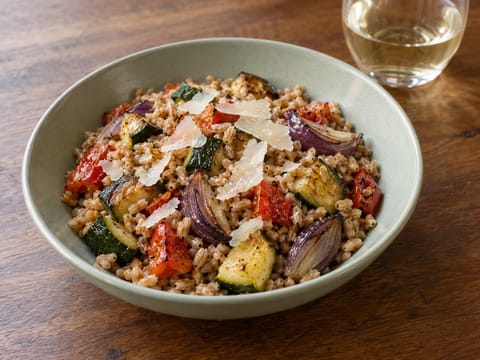
Farro with roasted courgette, pepper, onion and pecorino
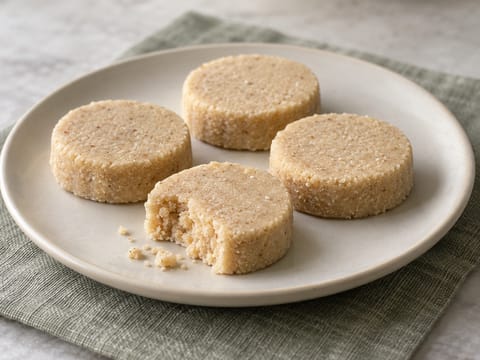
Crumbly peanut and icing sugar sweets pressed into rounds
For crisp nuttiness, look for recipes that toast nuts briefly and add them late, or keep them separate as a garnish. For a buttery, rounded effect, recipes that use ground nuts, nut meals or nut butters tend to give a more even flavour through the dish. For deep-roasted nuttiness, pay attention to techniques that deliberately brown: roasting nuts until just golden, toasting sesame, or cooking butter until it smells like hazelnuts. If you are cooking for a group, note that nuts can dominate quickly. Recipes that use nuts as a supporting element often balance them with acidity, herbs or fruit so the flavour stays lively rather than heavy.
Nutty flavour is closely tied to what you are using and how it is prepared. Browsing by Ingredient helps you choose between almonds, peanuts, sesame, tahini and other nut or seed directions. Dish type is useful when you want the nuttiness to play a particular role, such as a crunchy topping, a sauce, or a baked-in texture.
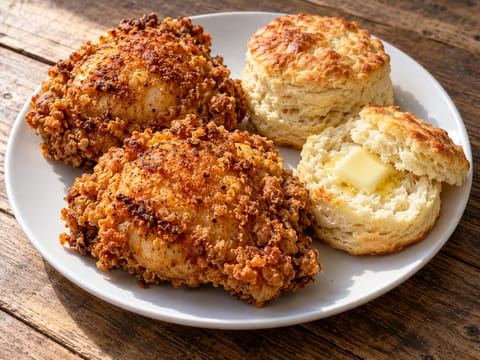
Crisp fried chicken served with warm, fluffy buttermilk biscuits
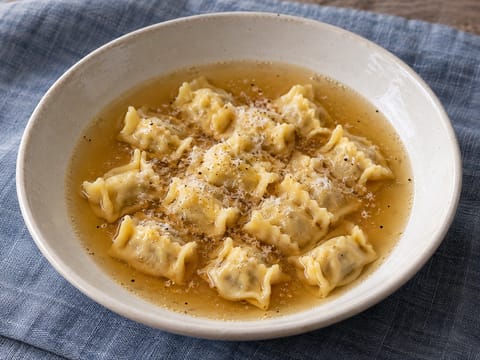
Pinched beef-filled agnolotti served in hot beef stock
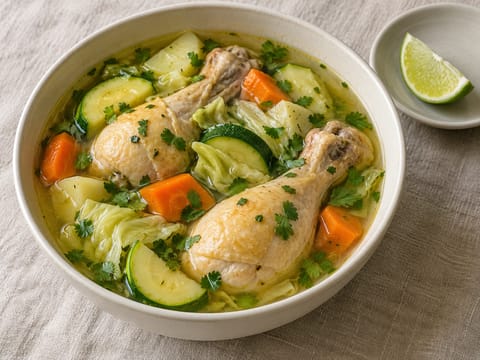
Mexican chicken and vegetable soup with lime and coriander
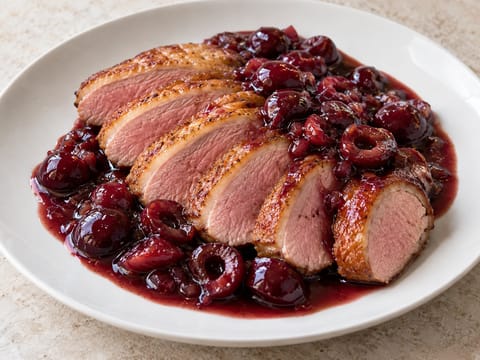
Crisp-skinned duck breast with a quick cherry sauce
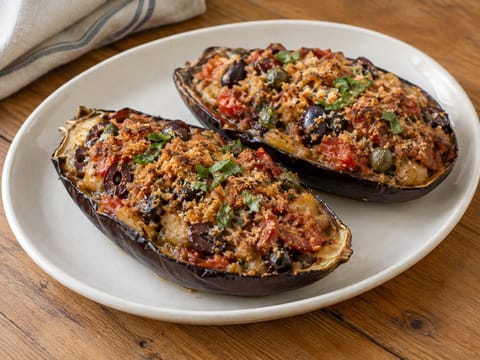
Baked stuffed aubergine with tomato, capers and breadcrumbs
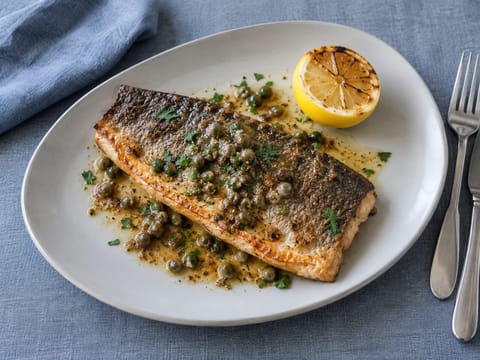
Grilled trout topped with brown butter, capers and lemon
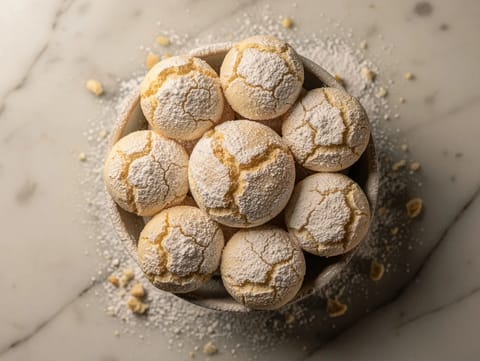
Soft almond macaroons with a crisp icing sugar crust
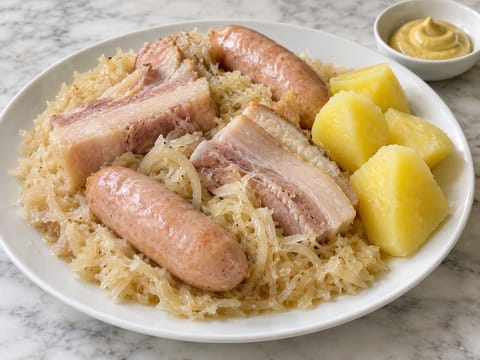
Braised sauerkraut with pork belly, sausages, potatoes and mustard
No. Some recipes taste nutty because ingredients are browned or toasted, such as butter cooked to a hazelnut aroma or well-roasted grains.
Add them near the end, or keep them as a topping. Nuts stirred into hot sauces or stews will soften as they sit.
Nutty usually suggests toasted, rounded aromas and richness. Earthy tends to read as soil-like, mushroomy or root-vegetable depth. They can overlap, especially with some seeds and whole grains.
They can tip from toasted to scorched quickly. Dark spots and a sharp smell are clues they have over-browned, which brings bitterness rather than sweetness.
Yes. Sesame, sunflower and pumpkin seeds can taste distinctly nutty, especially when toasted, and they can be used where whole nuts are not suitable.
Once you know whether you want crunch, creaminess or a browned, buttery aroma, the right recipe direction becomes clearer. Nutty flavour is as much about timing and texture as it is about the ingredient itself.
