
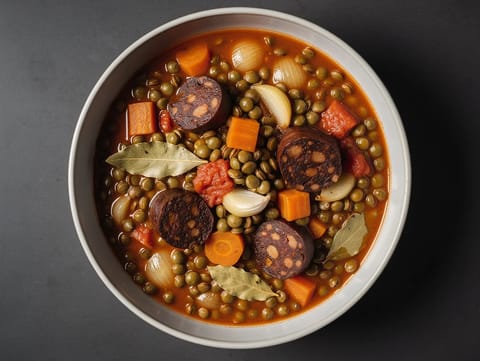
Lentejas con Chorizo y Morcilla (Spanish Lentil Stew)
Spanish lentil stew with chorizo and morcilla

Richness is the feeling of depth and fullness in the mouth, often coming from fat, gelatin, cheese, chocolate, nuts, or long-cooked sauces. It is satisfying, but it can also become heavy if there is nothing to cut through it. When you choose rich recipes, you are often choosing a particular balance: creamy against sharp, browned against fresh, silky against crisp. Knowing what provides the richness helps you decide what to add alongside, whether that is acidity, bitterness, herbs, or simply a lighter texture.
Rich flavour is usually built in one of three ways. Fat carries aroma and gives a lingering finish, whether it comes from dairy, oils, meat, nuts or egg yolks. Browning adds savoury depth and a roasted edge, from seared meat to toasted pastry or caramelised sugar. Concentration intensifies flavour by reducing a sauce, simmering a stock, or using ingredients with naturally dense taste such as aged cheese or cocoa. Rich does not automatically mean strongly seasoned or spicy. A dish can be rich and mild, or rich and sharp, depending on what is used to balance it.
Spanish lentil stew with chorizo and morcilla
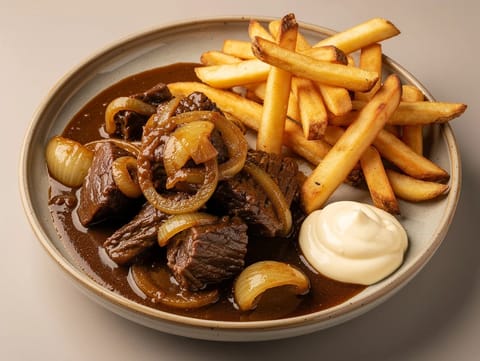
Belgian beef stew with dark beer, served with chips
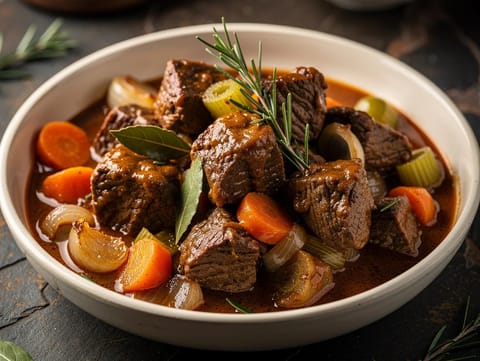
Italian beef stew simmered with tomato, red wine and herbs

German yeasted onion tart with bacon and crème fraîche

Shepherd’s pie with minced lamb and creamy mash
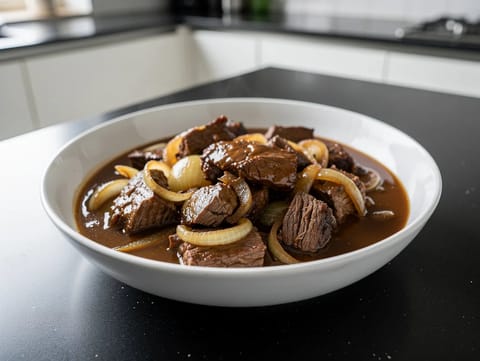
Dutch slow-cooked beef served with glossy gravy
Acidity is the classic counterweight: citrus, vinegar, wine and tangy dairy can make rich sauces taste cleaner and less cloying. Bitterness can do a similar job, which is why dark leafy greens, cocoa and coffee notes often sit well with richness. Fresh herbs and alliums add lift, especially when used raw or added at the end. Texture matters too. Crisp salads, toasted crumbs, roasted vegetables with browned edges, or pickled garnishes can stop a rich dish feeling one-note. If you are pairing rich elements together, keep an eye on salt: richness can mute saltiness, so seasoning may need careful tasting rather than automatic extra salt.
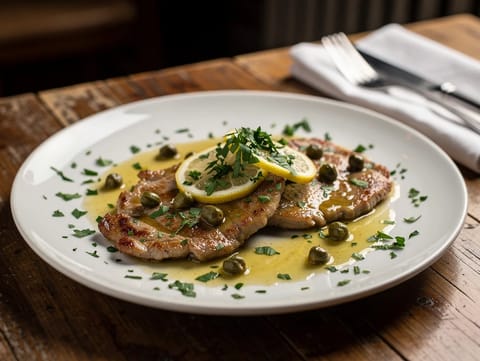
Veal escalopes in a lemon, caper and butter sauce
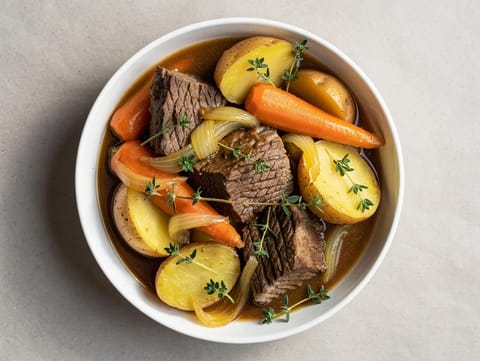
Slow-braised beef pot roast with carrots and potatoes
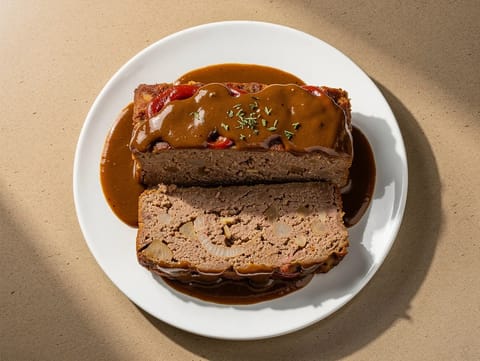
Baked beef meatloaf served with an easy brown gravy
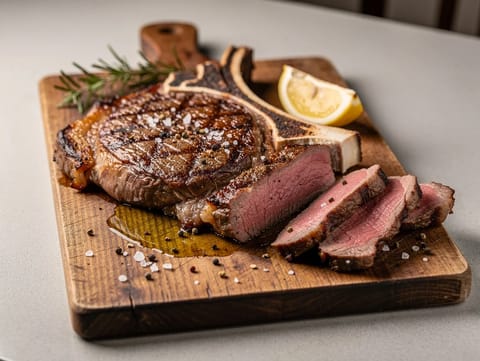
Tuscan T-bone steak, seared and simply seasoned
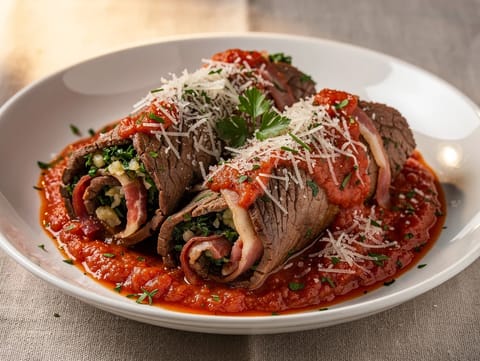
Stuffed beef rolls in tomato sauce
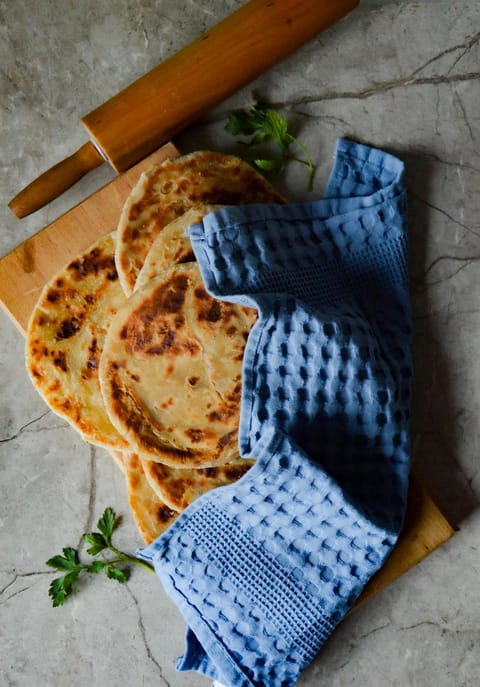
Layered Moroccan flatbread folded with olive oil and griddled
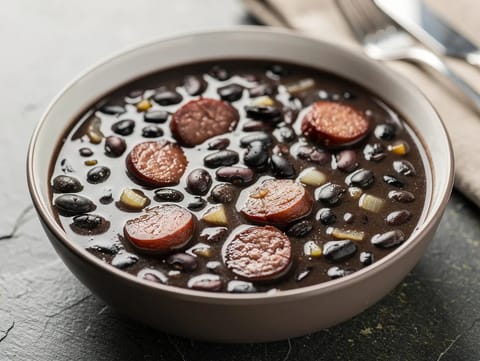
Brazilian black bean soup with smoked pork and bay

Thai iced coffee served over ice with condensed milk
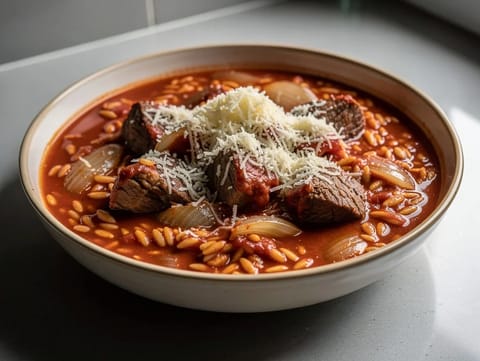
Greek beef stew baked with orzo in tomato and cinnamon

Breaded Polish pork cutlet fried until golden and crisp
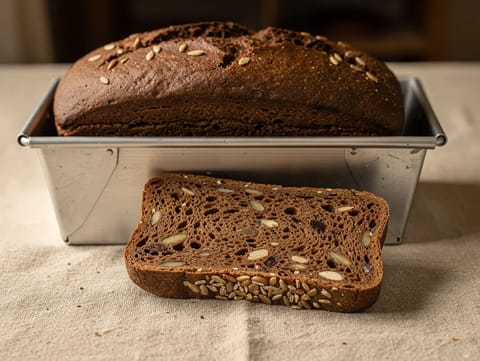
Dense Nordic rye bread with treacle and sunflower seeds
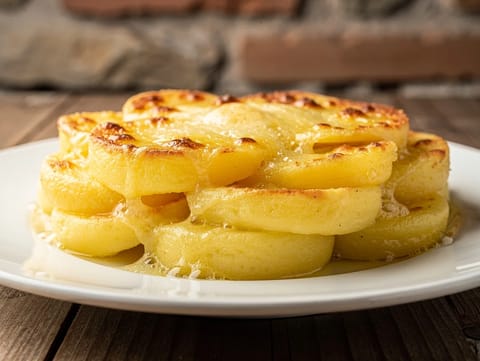
Baked semolina gnocchi rounds with butter and Parmesan
In savoury cooking, richness often shows up as creamy soups, buttery sauces, braises with glossy gravy, or dishes finished with cheese. In sweet cooking, it can mean chocolate-forward desserts, custards, butter-based cakes, or nutty fillings where fat and sugar create a dense, lingering finish. The same recipe can read richer or lighter depending on serving temperature and portioning: chilled desserts can taste firmer and more intense, while hot sauces can feel looser and more coating. Richness is also sensitive to garnish. A squeeze of lemon, a spoon of yoghurt, or a handful of berries can change the whole impression without changing the base recipe much.
When you want rich flavour, Ingredient browsing helps you choose the source of that richness, such as dairy, chocolate, nuts or slow-cooked meats. Dish type is useful when you know the role richness should play, for example a sauce, a bake, or a dessert, and then you can pick the right kind of balance around it.

Griddled masa memelas topped with black beans and salsa verde
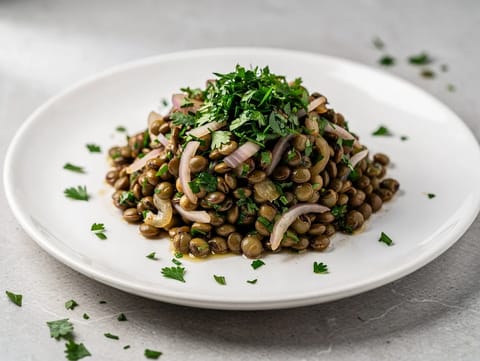
Green lentils dressed warm with Dijon vinaigrette

Pulled pork grilled cheese with cheddar and pickles

Honey garlic salmon roasted with asparagus
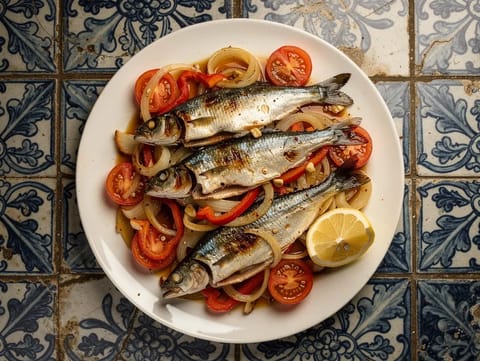
Oven-baked sardines with peppers, tomatoes, garlic and lemon

Mulled red wine warmed with orange, spices and sugar

Sesame chicken bowl with quinoa, salad and yoghurt sauce
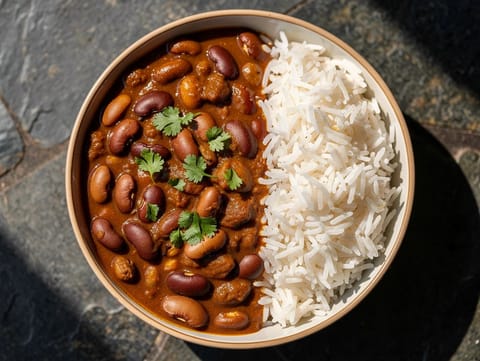
Kidney bean curry served with steamed basmati rice
Creamy is one common route to richness, but not the only one. A dish can be rich because it is browned, reduced, chocolatey, or full of gelatin and savoury depth.
Add contrast: a sharp dressing, pickles, citrus, fresh herbs, or a crisp element. Even a small acidic garnish can make a noticeable difference.
Yes. Rich bases often pair well with bright finishes, such as lemon zest, chopped herbs, or a salad served alongside.
Fat and dense textures can dull the perception of salt and acidity. It often needs careful tasting and incremental seasoning rather than a single adjustment.
Not always. Some rich flavours come from quick methods, such as a butter sauce, melted chocolate, or a pan sauce made from browned bits.
Rich recipes are easiest to enjoy when you plan the lift at the same time, whether that is acidity, bitterness, herbs or crunch. Start by identifying what makes the dish rich, then pair it with something that brings clarity.
