

Pork Belly with Crackling and Apple Sauce
Slow-roasted pork belly with crackling and apple sauce

Salty flavour is more than “well-seasoned”. In salty recipes, salt is a noticeable character, often coming from brined, cured, aged or fermented ingredients as much as from the salt cellar. That can bring extra aromas and textures: think brininess, savoury depth, and sometimes a pleasing chew or crisp edge. Because salt amplifies other flavours, salty dishes often need a clear balancing note, such as acidity, sweetness, starch or fresh vegetables, so the overall taste stays defined rather than simply intense.
A salty profile usually means the dish contains ingredients that carry their own salt load, such as cured meats, salted fish, olives, capers, pickles, soy-based seasonings, or aged cheeses. These ingredients do more than add saltiness: they can add tang, funk, bitterness, smoke, or a particular fat content, depending on the source. It is also worth separating salty from savoury. Savoury is about umami and roasted depth; salty is specifically about salinity and brine-like notes, though the two often travel together. In practice, salty recipes reward careful tasting as you cook, because the salt level can change as liquids reduce or ingredients are combined.
Slow-roasted pork belly with crackling and apple sauce
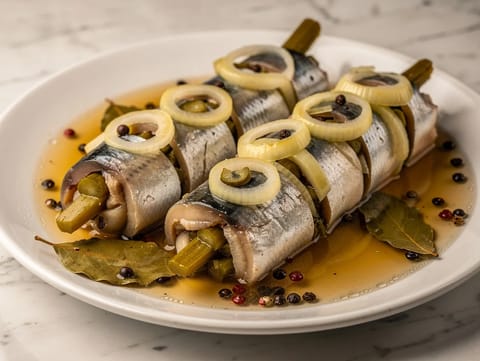
Pickled herring rolls filled with gherkins and onion
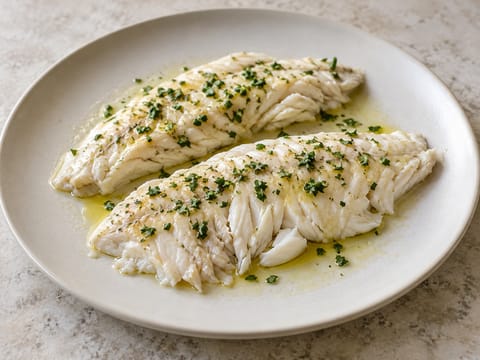
Whole sea bass baked in a salt crust with lemon

Indian lemonade with lemon juice, black salt and roasted cumin

Vermicelli bowl with prawns, herbs and nuoc cham dressing

Creamy baked salt cod and potato casserole
Acidity is a natural partner for salt. Lemon, vinegar, tomatoes and wine can make salty ingredients taste brighter and more precise. Starch and bland bases also help, which is why salty toppings and sauces often work well with potatoes, rice, pasta, bread and beans. Sweetness can soften a briny edge, especially with salty cheeses or cured meats, but it is most effective when kept subtle. Texture is part of the balance too: crisp vegetables, leafy greens and fresh herbs can stop salty dishes feeling dense. If a recipe uses several salty ingredients at once, it often needs restraint elsewhere, such as unsalted stock or a lighter hand with added salt.

Crisp breadcrumbed veal with rocket and tomato salad
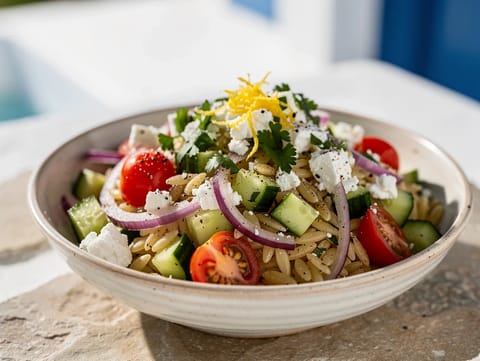
Lemon orzo salad with feta, cucumber, tomatoes and parsley
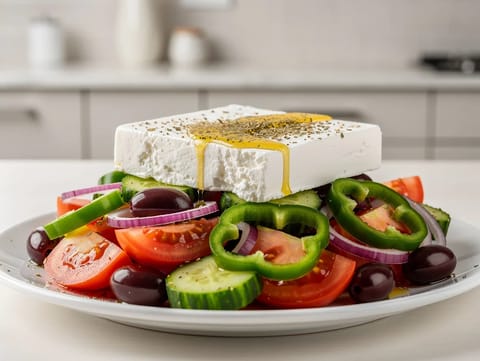
Greek salad with feta, olives, tomato and cucumber
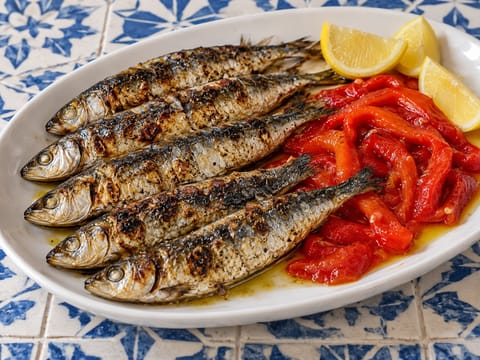
Grilled sardines served with lemon, olive oil and peppers

Crisp pork chops topped with peppery white gravy

Crisp pan-fried green tomatoes with mayonnaise dip

Crispy air fryer wontons with pork and spring onion.

Crisp air-fried chicken wings with simple seasoning.

Air fryer sausages with crisp skins and juicy centres.

Crisp fried pastries filled with cheese, herbs and spring onion

Thai chicken stir-fry with cashews, peppers and oyster sauce
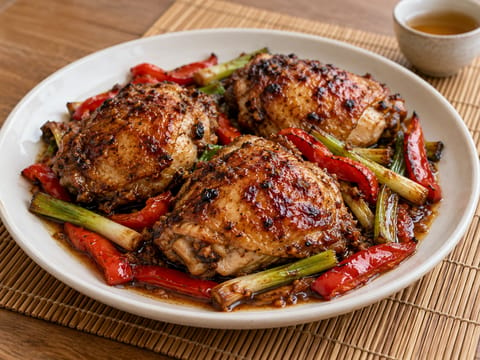
Sticky five-spice chicken traybake with soy, honey and peppers
For a clean, seaside brininess, look for recipes built around olives, capers, anchovy-style seasonings or salted fish, often lifted with citrus and herbs. For a deeper, cured saltiness, recipes using bacon, ham or other cured meats tend to bring smoke and fat as well as salt, so they pair well with beans, greens and robust vegetables. For a rounded, dairy-led saltiness, aged cheeses can make sauces and bakes taste fuller, but they can also tighten textures as they cool, so serving temperature and moisture matter. Whatever the source, it helps to check whether the recipe expects you to add extra salt early, or whether the salty ingredients are meant to do most of the work.
If you know the kind of saltiness you enjoy, browsing by Ingredient helps you choose between briny additions like olives and capers, cured meats, or cheese-led richness. Dish type is useful when you want that salty note in a particular format, such as a salad, pasta, bake or snack.

Pan-fried blood sausage with buttery apples and onions

Crisp flatbreads topped with vegetables, feta and olives

Baked Greek yoghurt cheesecake with a digestive biscuit base

Veggie burrito bowl with rice, beans, avocado and sour cream

Salmon and tofu hot pot simmered in a savoury miso broth

Steamed chicken parcels in dried chilli and tomato marinade

Tender griddled pastries made with cream and lightly sweetened dough
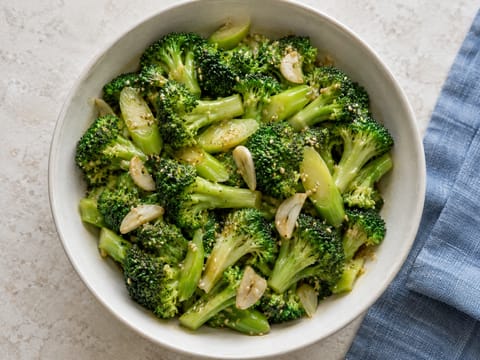
Garlic stir-fried broccoli with soy and sesame dressing
No. “Salty” here means salt is a prominent flavour, often from brined or cured ingredients. A well-made salty dish still has balance and definition.
They bring different companions to the salt: fermentation, smoke, fat, or acidity. Those extra flavours can make the saltiness feel more intense or more rounded.
Add balance rather than simply diluting. Acidity, fresh herbs, and unsalted starchy components can make a salty dish taste more complete without extra salt.
Often, yes, but it depends on the ingredients and whether liquids reduce. The safest approach is to season gradually and taste once salty ingredients are in the pot.
Salty is about salinity and brine-like notes. Savoury is broader, often referring to umami, roasted flavours and meaty depth, with or without much salt.
Salty recipes work best when you treat the main salty component as the seasoning and build the rest around it. Choose your style of saltiness, then add brightness, starch or freshness to keep the flavour clear.
