
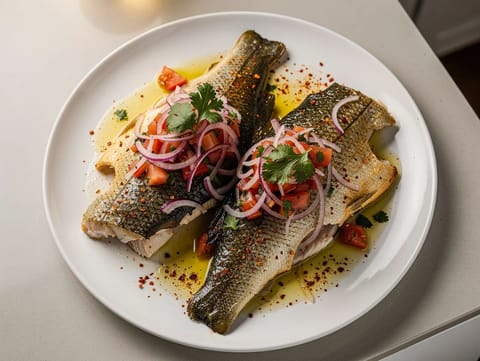
Trucha a la Plancha (Griddled Trout with Salsa Criolla)
Griddled trout topped with salsa criolla, lime and coriander

Mild spice is about a friendly warmth rather than a burn. It is the kind of chilli heat that makes food taste more awake, especially alongside citrus, herbs and crisp vegetables, without taking over the whole dish. Mild-spicy recipes often use chillies for their flavour as much as their heat, or they rely on small amounts of hotter ingredients balanced by sweetness, dairy or a starchy base. If you like the idea of spice but want it to stay in the background, this is the most forgiving place to start.
Mild chilli heat tends to act like seasoning: it lifts aroma, sharpens savoury flavours and makes sweet-sour elements taste more vivid. Because the heat level is restrained, you are more likely to notice the chilli’s character, whether that is fruity, grassy, smoky or slightly sweet. Mild spice does not mean bland, and it does not automatically mean child-focused food. It simply signals that the recipe’s balance is built so the warmth stays comfortable. In many dishes, mild heat is used to support other contrasts, such as crunchy toppings, fresh herbs, or a bright dressing, rather than being the main event.
Griddled trout topped with salsa criolla, lime and coriander
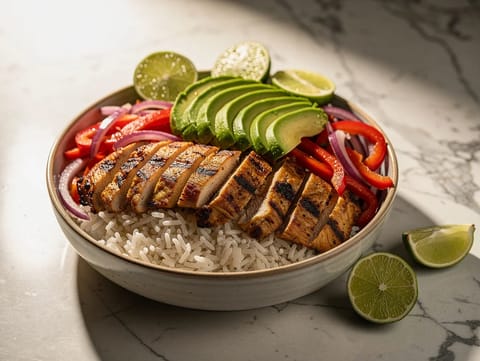
Spiced chicken fajita bowl with peppers, rice and avocado.
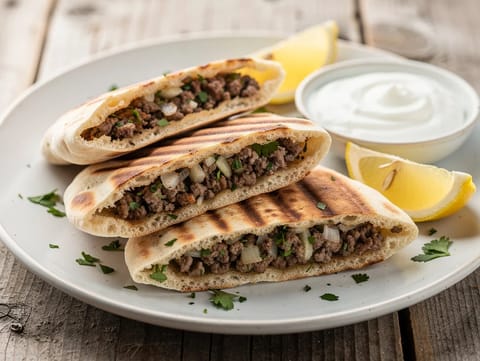
Grilled pittas stuffed with spiced minced lamb and onion
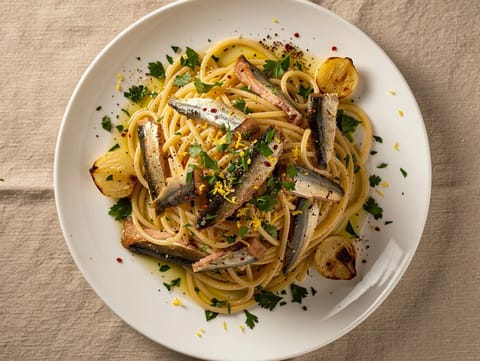
Smoked sardine pasta with lemon, garlic and parsley
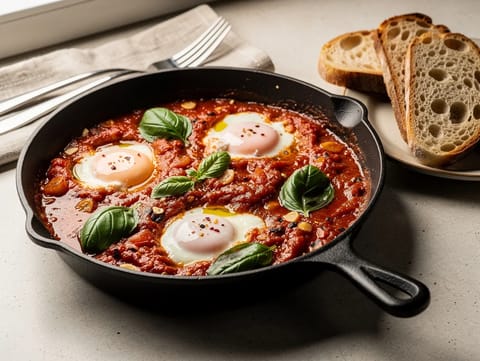
Eggs poached in garlicky tomato sauce with chilli and basil
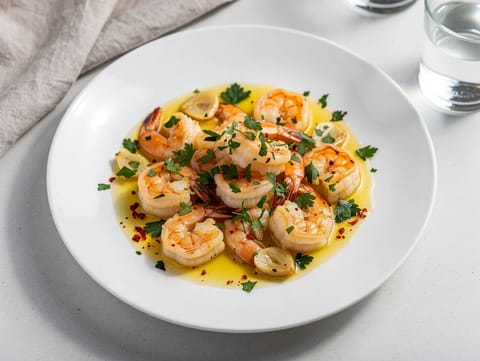
Spanish lemon garlic prawns with chilli and parsley
Mild spice pairs naturally with ingredients that emphasise freshness: lime or lemon, tomatoes, cucumber, crisp lettuces and plenty of herbs. A little sweetness, from fruit, roasted vegetables or a lightly sweet sauce, can make chilli taste rounder and less sharp. Creamy elements such as yoghurt, coconut milk or avocado soften the edges and help spread the warmth evenly, which is useful when you want spice to be present but not insistent. Mild heat also works well with grilled or roasted flavours, where a touch of chilli highlights browning and char without competing with it.
Tacos de canasta filled with potato and chorizo, brushed with chilli oil
Egyptian koshari layered with lentils, rice and pasta, topped with tomato sauce
Potted brown shrimp in mace and lemon butter, spooned over toast
Courgette, green beans and potatoes simmered in a smooth yellow mole sauce
Spaghetti tossed with Pecorino Romano, black pepper and starchy pasta water
Spiced yoghurt chicken served over flatbread with cucumber, tomatoes, onion and mint
Chicken and spiced rice cooked with tomatoes and stock, topped with raisins and almonds
Chicken and basmati rice simmered in a tomato base with baharat, dried lime and coriander
Turkish poached eggs served on garlicky Greek yoghurt with Aleppo butter and dill
Brazilian-inspired bowl of black beans and rice with kale, orange and lime
Empanada-inspired spiced minced beef bake with peppers, olives and a crisp puff pastry top
Roast chicken thighs with vegetables in aji amarillo, lime and cumin
If you want the gentlest experience, look for recipes where chilli is used as a garnish or finishing element, such as a sprinkle of flakes or a spoonful of salsa, so you can control each bite. For a more even, background warmth, sauces and marinades tend to distribute chilli through the dish, especially when there is some fat or sweetness to cushion it. Fresh chillies often give a brighter, greener warmth; dried chillies and chilli powders can taste toastier and more rounded. If you are sensitive to heat, recipes that include a cooling component, like yoghurt-based sauces or crisp salads, often feel milder than their ingredient list suggests.
Ingredient browsing is useful for mild spice because the choice of chilli, fresh, dried, paste or sauce, changes the flavour even when the heat stays gentle. Dish type can also guide you: mild heat feels different in a salad dressing, a creamy dip, or a roasted tray of vegetables.
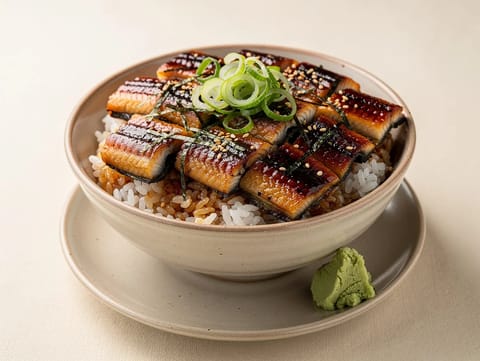
Glazed grilled eel over rice served with green tea
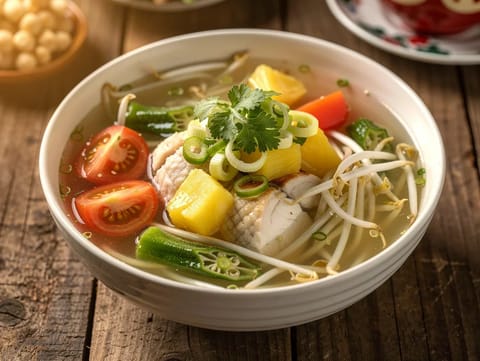
Light Vietnamese sweet and sour fish soup with tamarind

Foamy coffee warmed with ground cinnamon
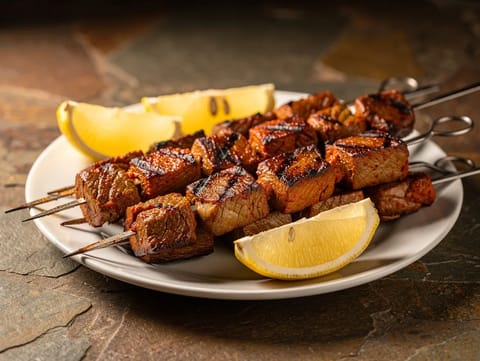
Grilled lamb skewers marinated with cumin, garlic and paprika
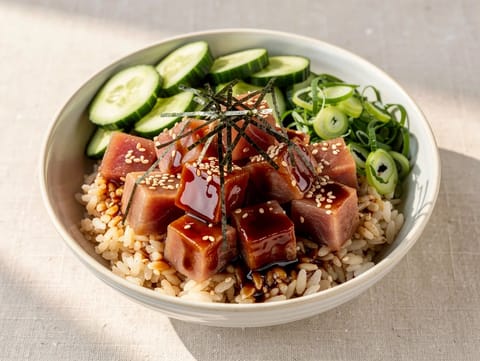
Shoyu tuna poke bowl with sushi rice, cucumber and sesame.
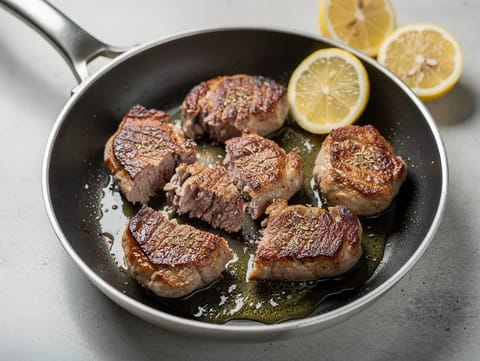
Pan-fried pork with lemon and mustard sauce
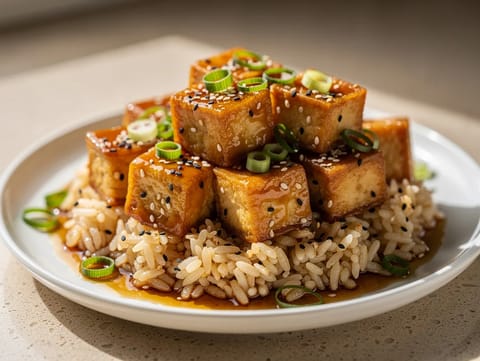
Crispy air-fried tofu in a sesame soy glaze.

Crisp choux buns filled with smooth crema pasticcera
Usually it means chilli is present but restrained. The warmth may be subtle, or it may be balanced by creamy, sweet or starchy ingredients so it stays comfortable.
Heat tolerance varies, and the dish format matters. Acidic or very hot-temperature foods can make chilli feel stronger, while creamy or starchy elements tend to soften it.
Use small amounts of chilli in a sauce or dressing with some fat and acidity, or add chilli as a finishing sprinkle so you can adjust gradually.
Not always. Heat depends on the variety and how much is used. Fresh chillies often taste brighter; dried chillies can taste deeper and toastier, with heat that may feel more integrated.
Citrus, herbs, garlic, ginger and a touch of sweetness are common partners. They help the chilli read as flavour, not just warmth.
Mild spice works best when it is treated as seasoning and paired with bright, fresh elements. Choose whether you want chilli integrated into the dish or added at the end, then build in contrast so the warmth stays light on its feet.
