

Modern Kimchi Grilled Cheese Toastie
Buttered toastie with cheddar, mozzarella and chopped kimchi

Mild spice is about a friendly warmth rather than a burn. It is the kind of chilli heat that makes food taste more awake, especially alongside citrus, herbs and crisp vegetables, without taking over the whole dish. Mild-spicy recipes often use chillies for their flavour as much as their heat, or they rely on small amounts of hotter ingredients balanced by sweetness, dairy or a starchy base. If you like the idea of spice but want it to stay in the background, this is the most forgiving place to start.
Mild chilli heat tends to act like seasoning: it lifts aroma, sharpens savoury flavours and makes sweet-sour elements taste more vivid. Because the heat level is restrained, you are more likely to notice the chilli’s character, whether that is fruity, grassy, smoky or slightly sweet. Mild spice does not mean bland, and it does not automatically mean child-focused food. It simply signals that the recipe’s balance is built so the warmth stays comfortable. In many dishes, mild heat is used to support other contrasts, such as crunchy toppings, fresh herbs, or a bright dressing, rather than being the main event.
Buttered toastie with cheddar, mozzarella and chopped kimchi

German honey biscuits with warming spices, almonds and hazelnuts

Crispy buttermilk chicken with peppery white milk gravy
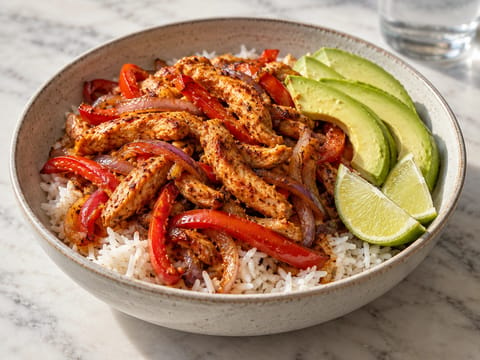
Spiced chicken fajita bowl with peppers, rice and avocado.
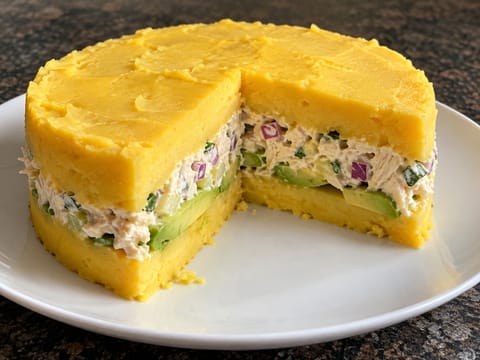
Chilled layered potato dish with chicken, avocado and ají amarillo

Turkish scrambled eggs with tomatoes, peppers and onion
Mild spice pairs naturally with ingredients that emphasise freshness: lime or lemon, tomatoes, cucumber, crisp lettuces and plenty of herbs. A little sweetness, from fruit, roasted vegetables or a lightly sweet sauce, can make chilli taste rounder and less sharp. Creamy elements such as yoghurt, coconut milk or avocado soften the edges and help spread the warmth evenly, which is useful when you want spice to be present but not insistent. Mild heat also works well with grilled or roasted flavours, where a touch of chilli highlights browning and char without competing with it.

Chicken curry with fresh fenugreek leaves and yoghurt
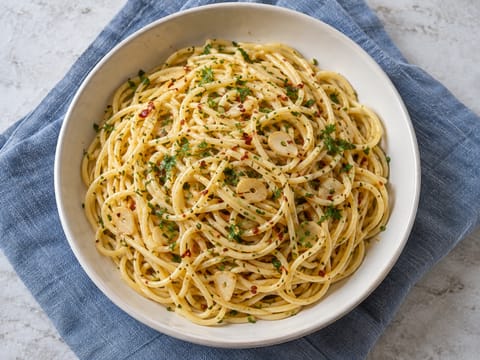
Spaghetti with garlic, olive oil, chilli flakes, parsley and lemon
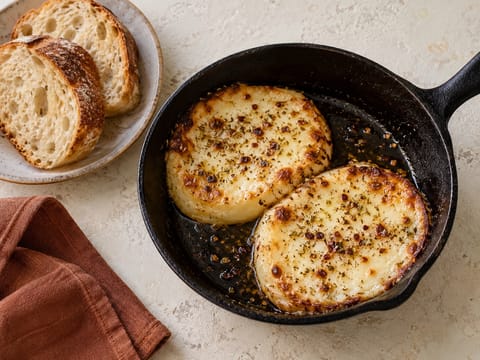
Grilled provolone topped with oregano, chilli and lemon

Baked pastries filled with minced beef, onion and spices

Hot ginger tea sweetened with light brown sugar

Crisp corn and spinach tikkis with yoghurt for dipping
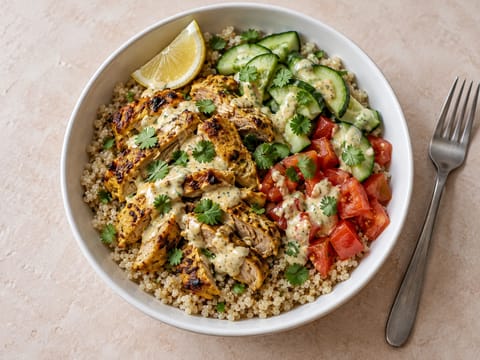
Chicken tikka served over quinoa with cucumber and tomato

Foamy coffee warmed with ground cinnamon
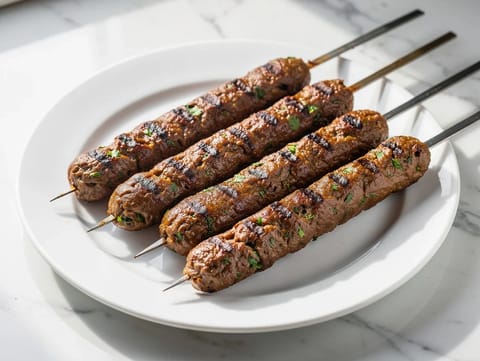
Minced lamb kefta skewers with onion, garlic and spices
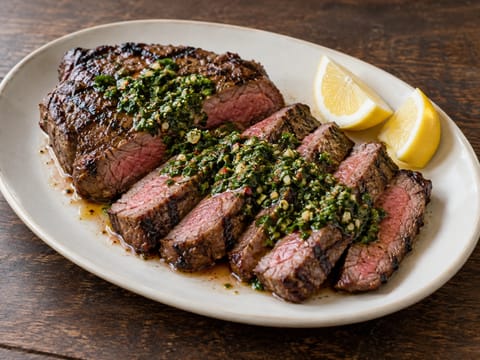
Grilled steak with parsley chimichurri, chilli and lemon

Polish mulled red wine warmed with honey, citrus and spices
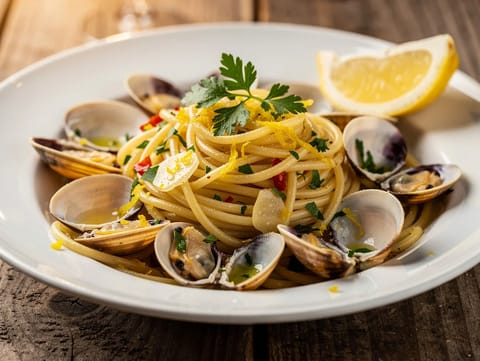
Spaghetti with clams, white wine, garlic and lemon
If you want the gentlest experience, look for recipes where chilli is used as a garnish or finishing element, such as a sprinkle of flakes or a spoonful of salsa, so you can control each bite. For a more even, background warmth, sauces and marinades tend to distribute chilli through the dish, especially when there is some fat or sweetness to cushion it. Fresh chillies often give a brighter, greener warmth; dried chillies and chilli powders can taste toastier and more rounded. If you are sensitive to heat, recipes that include a cooling component, like yoghurt-based sauces or crisp salads, often feel milder than their ingredient list suggests.
Ingredient browsing is useful for mild spice because the choice of chilli, fresh, dried, paste or sauce, changes the flavour even when the heat stays gentle. Dish type can also guide you: mild heat feels different in a salad dressing, a creamy dip, or a roasted tray of vegetables.

Saudi style kabsa with spiced chicken, rice, tomatoes and nuts

Griddled masa cakes stuffed with minced beef picadillo and potato
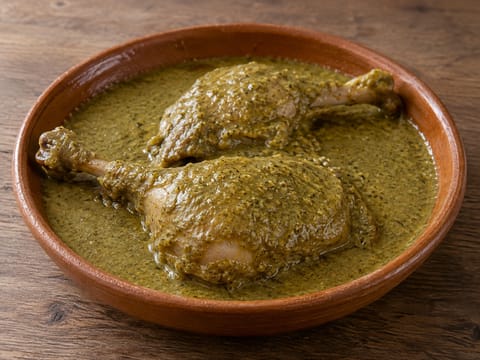
Tender duck coated in smooth green pumpkin seed pipián
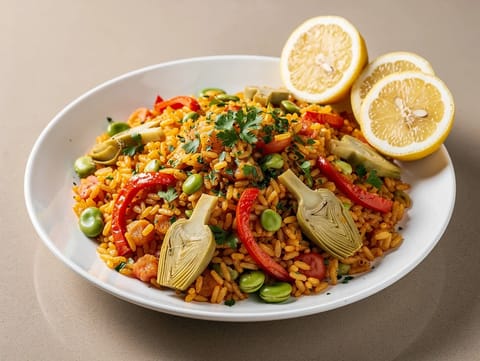
Vegetarian paella with saffron rice, artichokes and broad beans

Poached sole with grapes in a white wine cream sauce
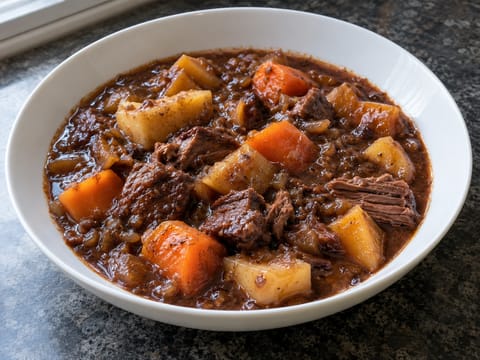
Slow-braised venison with juniper and root vegetables

Taco salad with spiced beef, black beans and lime yoghurt

Pan-seared pork in a Dijon mustard and cream sauce
Usually it means chilli is present but restrained. The warmth may be subtle, or it may be balanced by creamy, sweet or starchy ingredients so it stays comfortable.
Heat tolerance varies, and the dish format matters. Acidic or very hot-temperature foods can make chilli feel stronger, while creamy or starchy elements tend to soften it.
Use small amounts of chilli in a sauce or dressing with some fat and acidity, or add chilli as a finishing sprinkle so you can adjust gradually.
Not always. Heat depends on the variety and how much is used. Fresh chillies often taste brighter; dried chillies can taste deeper and toastier, with heat that may feel more integrated.
Citrus, herbs, garlic, ginger and a touch of sweetness are common partners. They help the chilli read as flavour, not just warmth.
Mild spice works best when it is treated as seasoning and paired with bright, fresh elements. Choose whether you want chilli integrated into the dish or added at the end, then build in contrast so the warmth stays light on its feet.
