
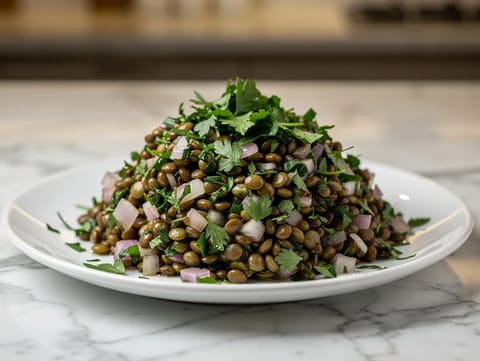
Salade de Lentilles du Puy (French Lentil Salad with Mustard Dressing)
Warm French lentil salad with mustard dressing, shallot and parsley

Tangy is the kind of sharp, lively acidity that makes food taste awake. It can come from citrus, vinegar, yoghurt and other fermented dairy, or sour fruits, and it often shows up as a clean finish that keeps richer ingredients from feeling heavy. Tanginess is not the same as “sour” in the mouth-puckering sense; it is usually rounded by salt, sweetness, fat or aromatics so the flavour reads as bright rather than harsh.
Tanginess is a balance point: enough acidity to cut through, but not so much that it dominates. In practice, it often arrives alongside a little sweetness (think honey-mustard style dressings), a creamy element (yoghurt sauces, cultured dairy dips), or savoury depth (soy, miso, browned meat juices) that stops the acidity tasting thin. The same ingredient can read more or less tangy depending on how it is used. Lemon zest gives fragrance with only a hint of sharpness; lemon juice brings immediate bite. Vinegar added early can mellow as it cooks, while a final splash stays more pointed.
Warm French lentil salad with mustard dressing, shallot and parsley
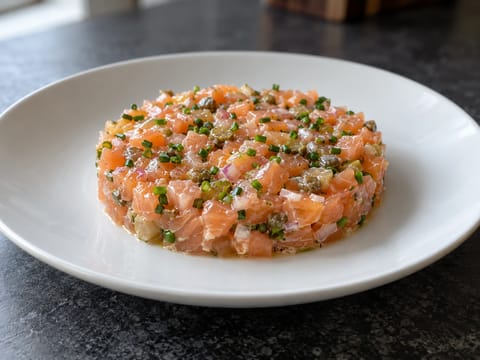
French-style salmon tartare with capers, Dijon and lemon
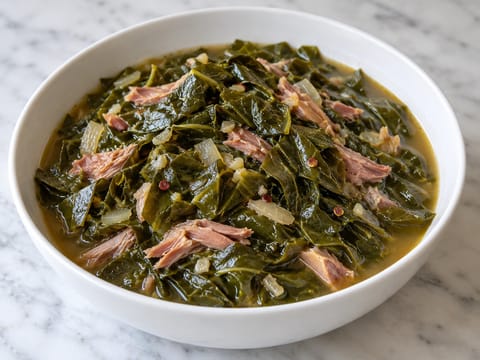
Slow-simmered collard greens with smoked ham hock
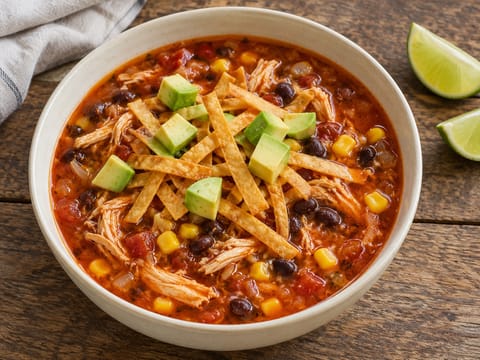
Chicken tortilla soup with black beans, sweetcorn and tortilla strips
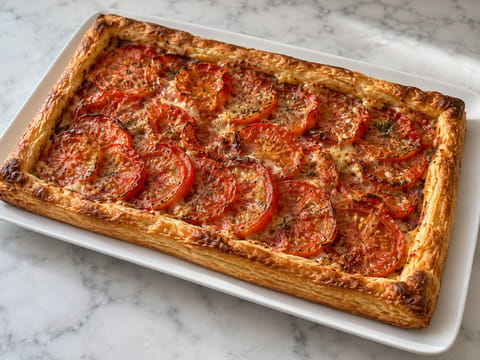
Puff pastry tart with Dijon mustard, tomatoes and Gruyère
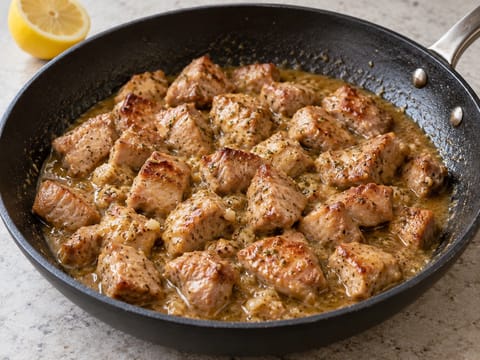
Pan-fried pork with lemon and mustard sauce
Tangy flavours pair naturally with fat and starch because acidity cuts richness and resets the palate. Creamy cheeses, oily fish, roast meats, eggs and avocado all take well to a squeeze of citrus or a yoghurt-based sauce. Sweetness is another common partner: fruit, caramel notes, or a small amount of sugar can round the edges of vinegar or citrus without making a dish taste sweet. For a more savoury direction, combine tang with alliums, herbs and warm spices. Garlic, dill, coriander, cumin and black pepper often make acidity feel fuller and more aromatic rather than simply sharp.
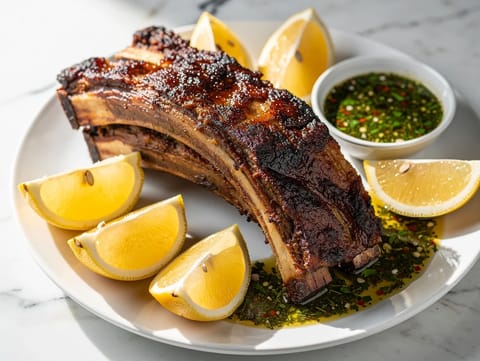
Slow grilled beef short ribs served with chimichurri
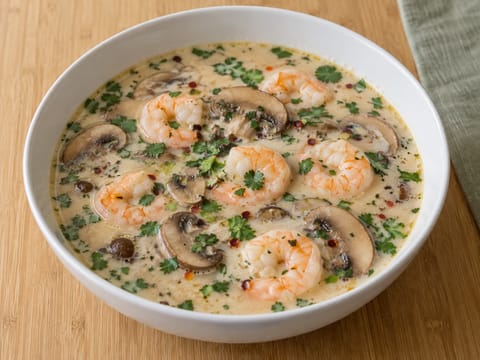
Thai coconut lime soup with prawns and mushrooms
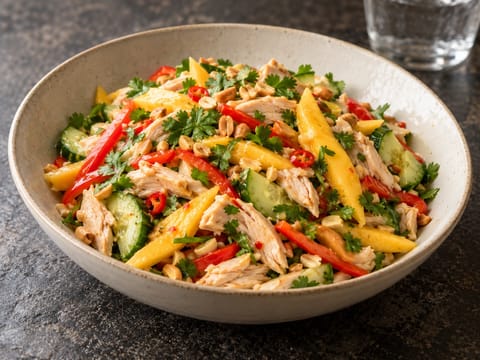
Thai chicken salad with mango, cucumber and peanuts

Buttered toastie with cheddar, mozzarella and chopped kimchi
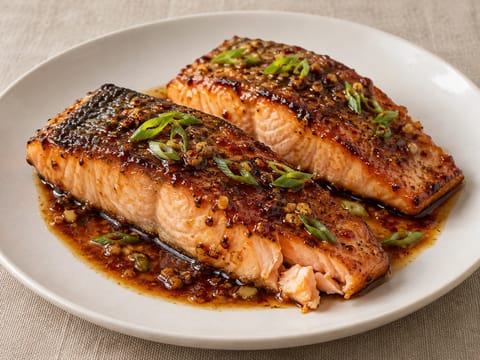
Pan-seared salmon with a sticky Sichuan-style soy glaze
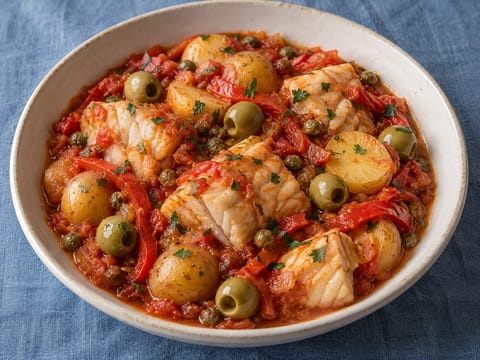
Salt cod stew with potatoes, olives and capers

Yucatán slow-roasted pork served in corn tortillas with pickled onions

Spiced potato fritters in pav buns with chutneys
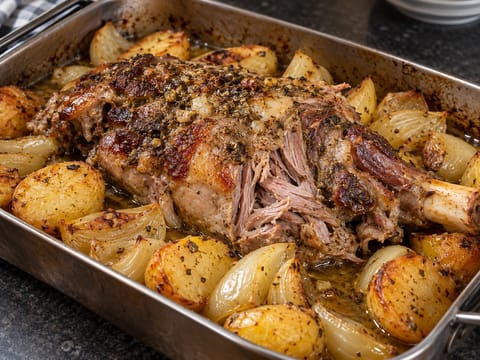
Greek slow-roasted lamb with lemon, oregano and potatoes
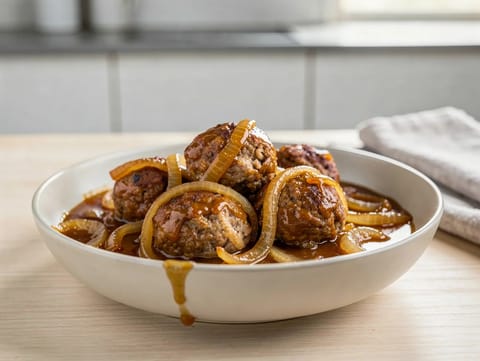
Liège meatballs simmered in sweet-sour onion sauce

Pan-fried andouillette with creamy Dijon mustard sauce
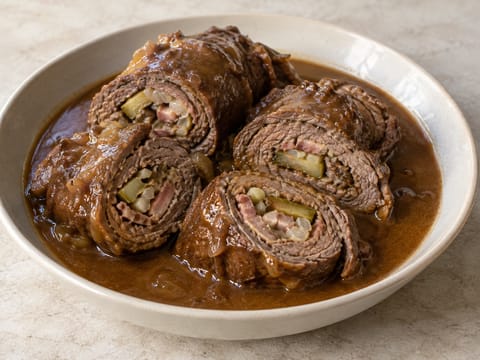
Braised beef rolls filled with mustard, bacon, onion and gherkins
If you want clean, fresh tang, look for recipes built around citrus juice and zest, or quick vinaigrettes where the acidity stays bright. For a softer, creamy tang, cultured dairy tends to give a gentler acidity and a thicker texture, which suits dips, marinades and spoonable sauces. Vinegar-led tang is usually more direct and can be adjusted precisely, which is useful for pickled elements, slaws and sharp pan sauces. Pay attention to when the acid is added: early additions often integrate and mellow, while late additions taste more vivid. If a dish already contains salty or fermented ingredients, you may need less acid for the same “lift”.
If you know the ingredient that gives the tang you like, browsing by Ingredient helps you compare how lemon, yoghurt or vinegar behave across different formats. If you are choosing a dish to carry that sharpness, Dish type is useful for spotting where tang tends to be central, such as dressings, dips, slaws and sauces.
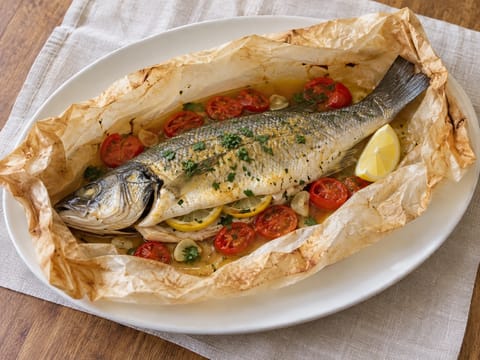
Sea bass baked in parchment with cherry tomatoes, lemon and parsley
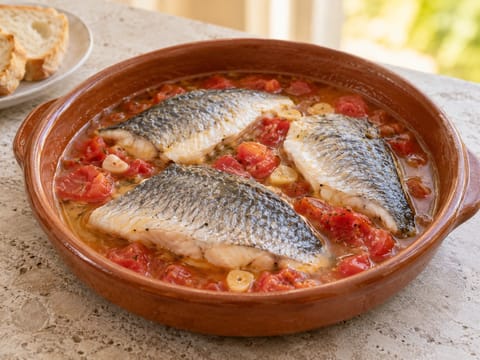
Sea bream poached in tomato and white wine broth

Strong black tea sweetened and served over ice
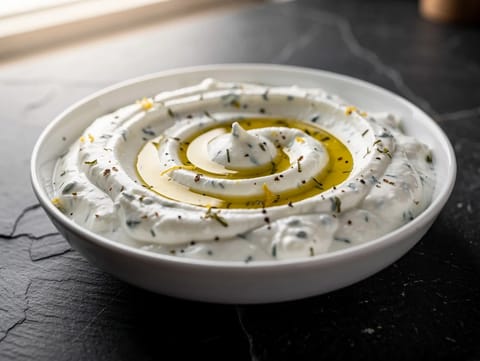
Thick Turkish yoghurt dip with garlic, mint and olive oil
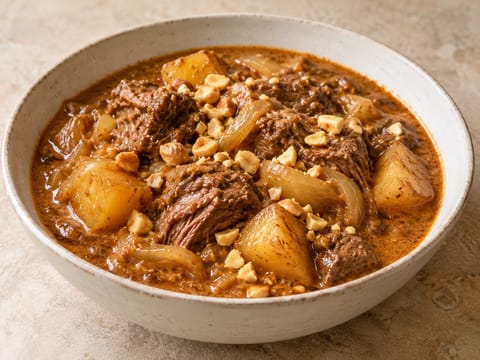
Massaman beef curry with potatoes, tamarind and roasted peanuts
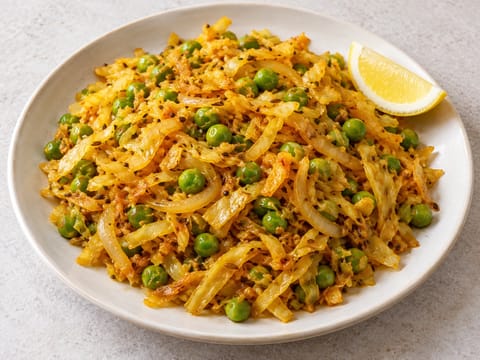
Indian cabbage and peas stir-fry with warming spices
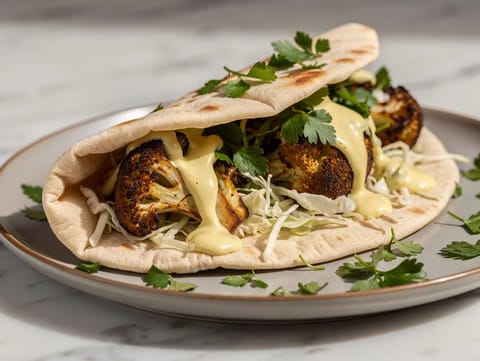
Cauliflower shawarma in pita with cabbage and lemon tahini sauce
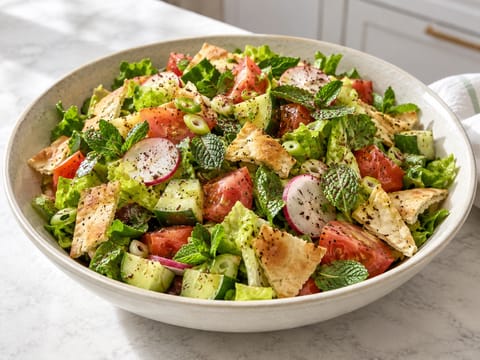
Crunchy salad with toasted pitta, vegetables and sumac
They overlap, but “tangy” usually suggests acidity that is balanced and appetising, rather than a single-note sourness. Salt, sweetness, fat and aromatics often make the difference.
Common sources include citrus juice and zest, vinegars, yoghurt and other cultured dairy, and sour fruits. Some fermented ingredients contribute acidity as well as savoury depth.
Acidity cuts through fat on the palate and makes flavours taste clearer. It does not remove richness, but it changes how quickly the mouth feels “coated”.
Harshness often means the acidity is unbalanced. A little sweetness, more fat (such as yoghurt or oil), or extra aromatics can round it out. Adding acid gradually also helps.
Often, yes. Heat can soften the sharp edge of some acids and integrate them into the dish. A final squeeze of citrus or splash of vinegar will usually taste brighter than an early addition.
They can. Cultured dairy and citrus are common ways to add a gentle tang that keeps sweet bakes from tasting flat, though the effect depends on the recipe and how much acidity is used.
When you choose tangy recipes, you are usually choosing contrast: sharp against creamy, bright against rich, crisp against soft. Start by noticing the source of acidity and when it is added, then use salt, sweetness and fat to keep the flavour lively rather than aggressive.
