
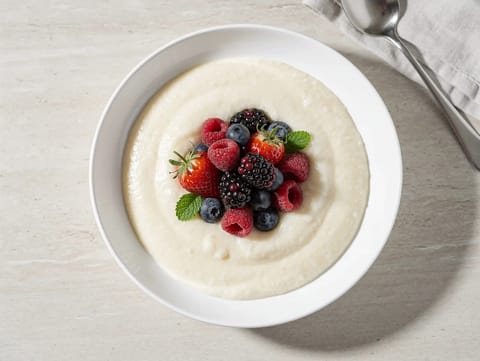
Crema di Semolino con Frutta (Semolina Porridge with Fresh Fruit)
Creamy semolina porridge with butter and mixed berries

Breakfast is the meal most shaped by the clock. Some mornings need something you can eat one-handed; others allow for a pan on the hob and a table set properly. This collection of breakfast-time recipes is about that range, from simple staples to more cooked options, with an eye on what works for a household. The most helpful way to choose is to decide what your morning can realistically hold: a grab-and-go bite, a bowl you can assemble quickly, or a breakfast that asks for a little attention while it cooks.
Breakfast-time recipes are those that make sense early in the day, but they are not limited to one flavour profile or one level of effort. You will find both sweet and savoury options, and both hot and cold ones. What tends to matter most is how the food behaves when you are not fully awake: can it be made with minimal decision-making, does it tolerate a short delay before eating, and can it be portioned without drama. Breakfast also often benefits from clear contrasts, such as something creamy with something crunchy, or something warm with something fresh, because those textures read strongly even when flavours are kept simple.
Creamy semolina porridge with butter and mixed berries
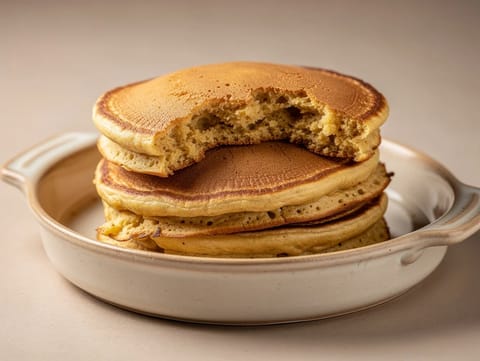
Banana oat pancakes blended with soy protein and cooked until golden
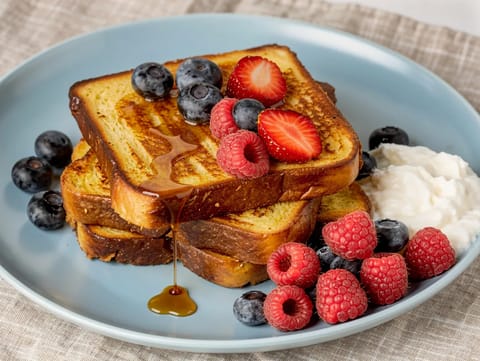
Brioche French toast with Greek yoghurt, berries and maple syrup
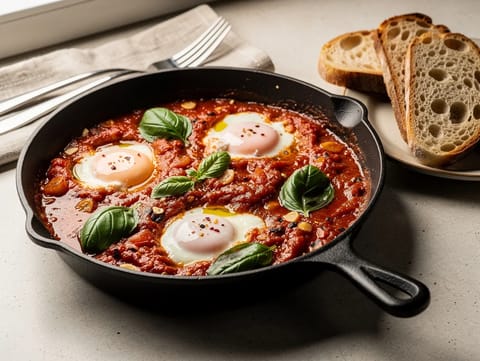
Eggs poached in garlicky tomato sauce with chilli and basil
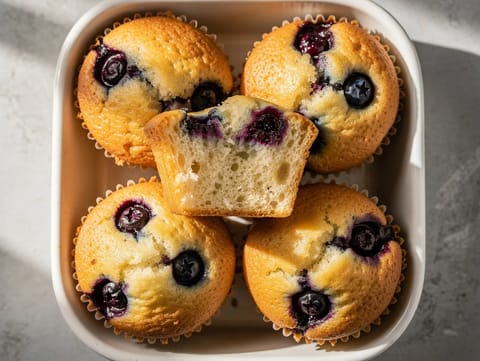
Air fryer muffins with blueberries in a simple sweet batter.
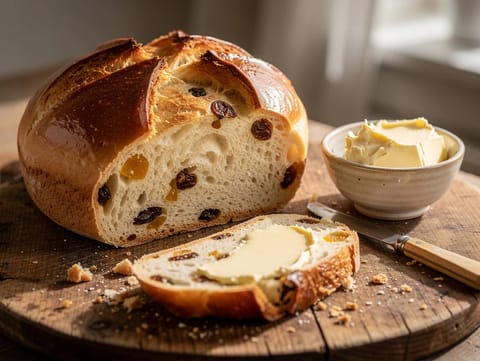
Lightly sweet German Easter bread with raisins and candied peel
Breakfast often falls into a few reliable formats. There are bowl breakfasts, such as porridge-style grains, yoghurt-based bowls, or fruit-forward combinations. There are hand-held breakfasts, including toast, wraps, muffins and other bakes that can be eaten on the move. And there are cooked breakfasts, where eggs, pancakes, fritters or skillet-style dishes are the centre of the plate. Drinks can also play a breakfast role when they are substantial enough to count, such as smoothies with yoghurt, oats or nut butter. If you are feeding more than one person, recipes that scale easily or cook in batches tend to reduce morning friction.
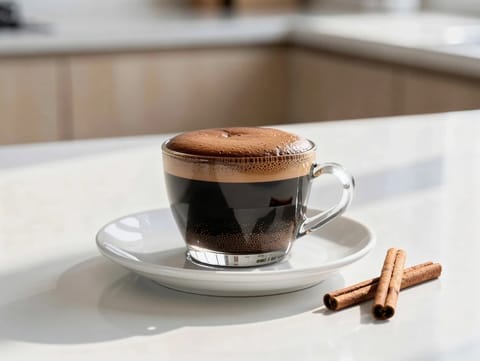
Foamy coffee warmed with ground cinnamon
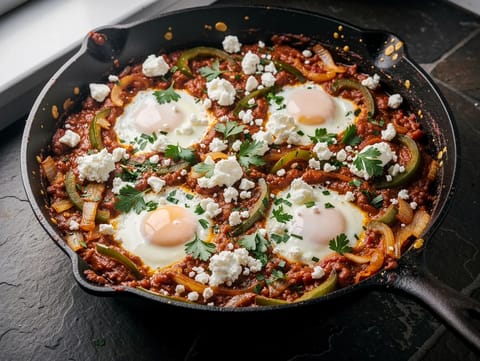
Baked eggs in spiced tomatoes with peppers and feta
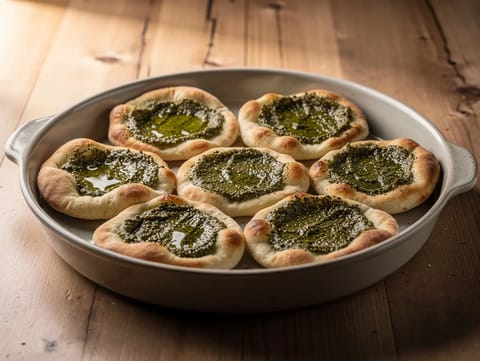
Soft flatbreads topped with zaatar and olive oil
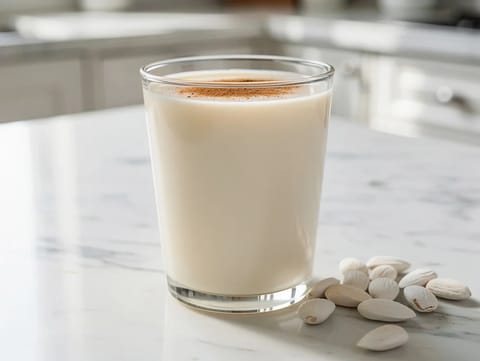
Almond milk blended with honey and orange blossom water
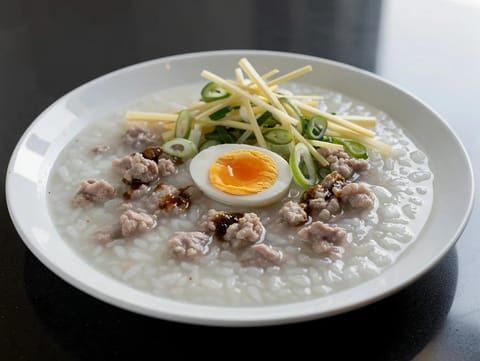
Thai rice porridge with minced pork, egg, ginger and spring onions
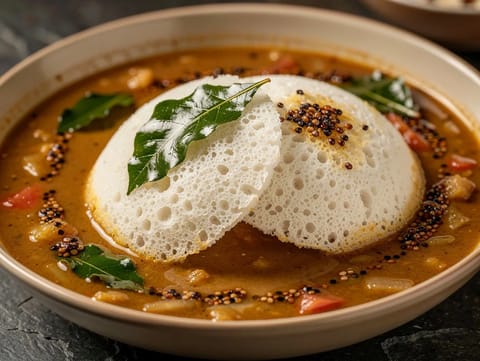
Steamed idli with tangy lentil and vegetable sambar
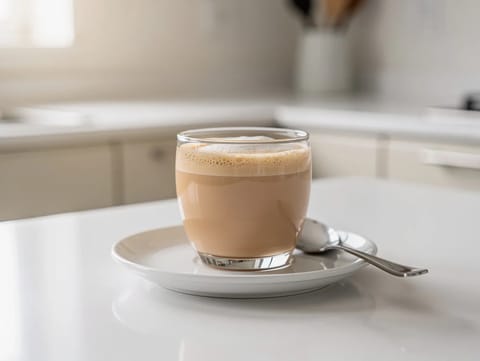
Strong coffee combined with hot, lightly frothy milk
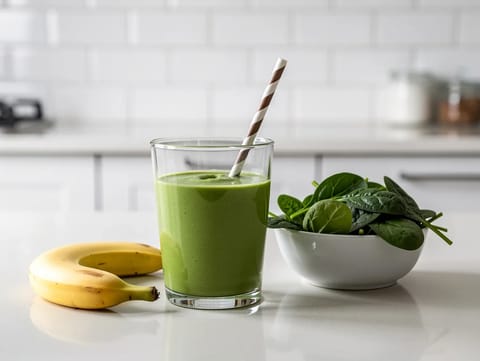
Green smoothie with spinach, banana and lemon
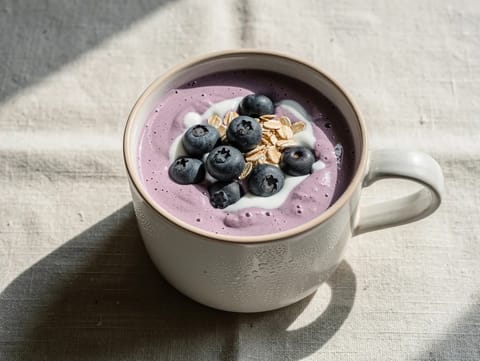
Blueberry breakfast smoothie with oats and Greek yoghurt
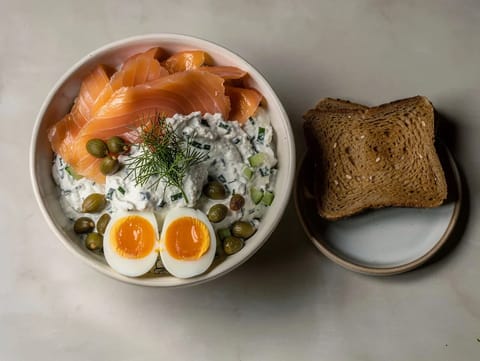
Smoked salmon bowl with yoghurt, egg and capers
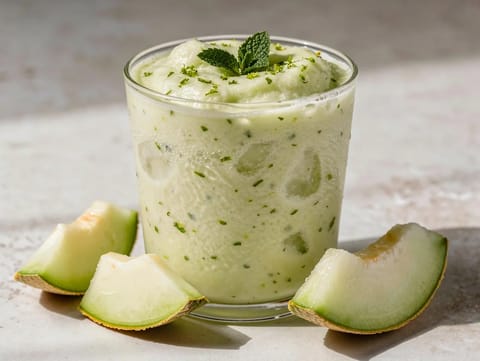
A refreshing melon smoothie with mint, lime and yoghurt.
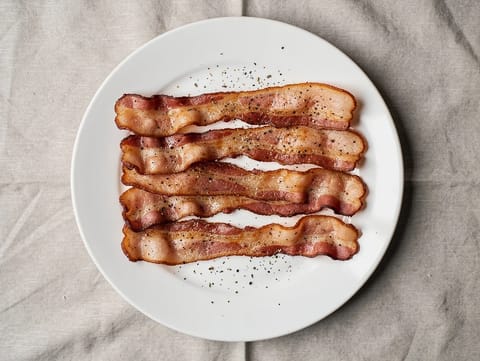
Crispy air fryer bacon cooked quickly in a single layer.
For the fastest starts, look for breakfasts that are assembled rather than cooked: overnight-style oats, yoghurt bowls, or toast with a topping that doesn’t require a pan. If you want something warmer without much effort, choose recipes that cook unattended once started, such as porridge or baked breakfast dishes. For family breakfasts, it helps to pick a base everyone will eat, then offer optional add-ons at the table: fruit, nuts, seeds, spices, sauces or savoury extras. If you are planning a cooked breakfast, pay attention to sequencing. Recipes that let you prep a batter or chop toppings first, then cook quickly, tend to feel calmer than those that demand constant attention from the start.
Course is a useful next step when you want to narrow breakfast into baking, drinks or lighter plates. Cooking time helps when you are choosing between a true weekday breakfast and something that suits a slower morning.
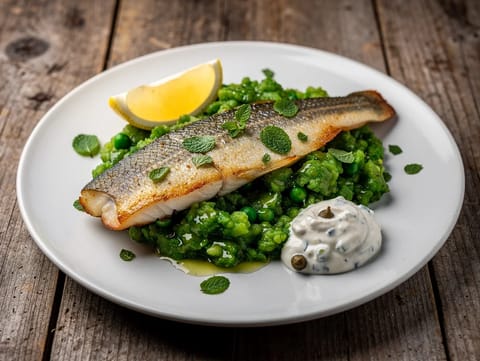
Crisp pan-fried sea bass with crushed peas and tartare sauce
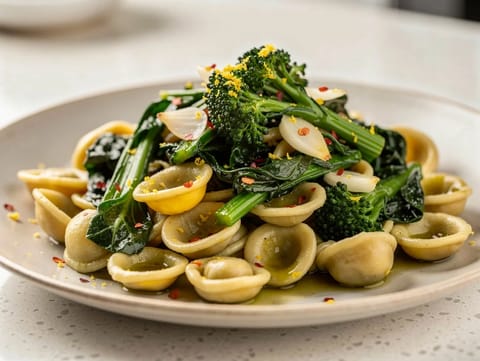
Orecchiette with broccoli rabe, anchovy, garlic and chilli
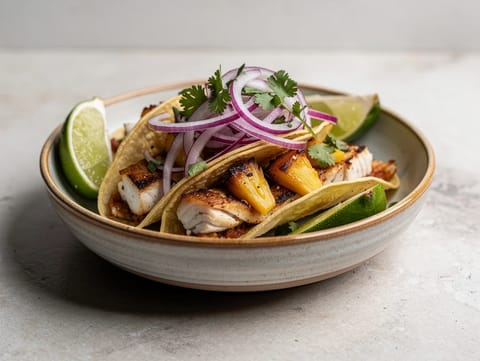
Fish tacos with chipotle adobo, pineapple, onion and coriander
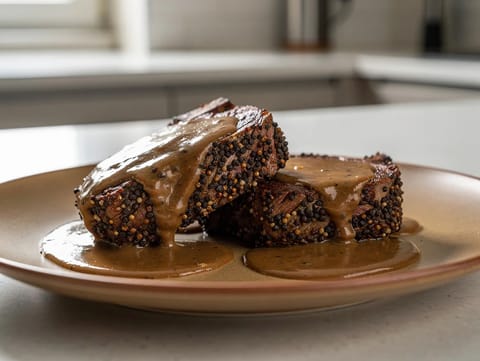
Pepper-crusted steak with a cognac and cream pan sauce
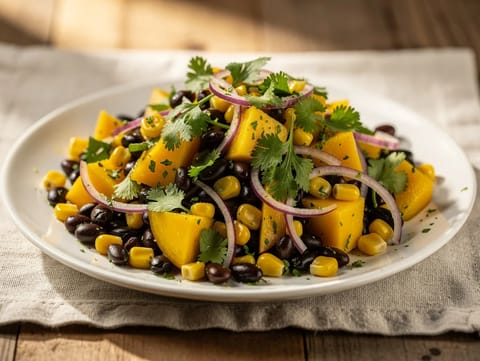
Mango salad with black beans, sweetcorn and lime

Mint iced tea made with black tea, sugar and fresh mint
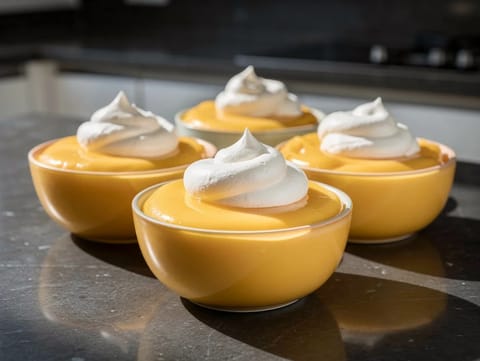
Passion fruit curd cups topped with whipped double cream

Cantonese barbecued pork with hoisin, honey and soy glaze
No. Many breakfast-time recipes are savoury, especially those built around eggs, vegetables, beans, cheese or toast. Breakfast is defined by timing, not sweetness.
Look for recipes that are mostly assembly: toast with a topping, yoghurt-based bowls, or make-ahead options you can portion quickly. They rely less on active cooking when the clock is tight.
Choose a neutral base, then let people customise. A bowl breakfast can take different fruits and toppings; toast can take different spreads; cooked eggs can be served with different sides.
Not at all. Cold breakfasts can be just as satisfying, particularly when they include a creamy element and something with crunch or chew for contrast.
Texture and composition matter. Ingredients such as oats, yoghurt, eggs, nuts and wholegrains tend to hold appetite longer than very light bakes or fruit alone.
Decide first whether you are assembling, reheating or cooking from scratch. Once you match the recipe to the reality of your morning, breakfast becomes a routine you can repeat without it feeling monotonous.
