
Sernik (Polish Baked Cheesecake with Quark)
Why this recipe works
- Dense, creamy texture: Quark or twaróg gives the cheesecake a close, smooth crumb with the light tang expected from Polish sernik.
- Balanced richness: Sour cream, lemon zest and vanilla keep the filling bright enough to balance the eggs, butter and sugar.
- Better after chilling: A proper chill firms the filling so the cheesecake slices neatly and holds its shape.
Get the most out of this recipe
Timing notes
- Cool gradually: Leaving the cheesecake in the switched-off oven with the door slightly open helps the filling settle gently and reduces the chance of cracking.
- Chill before slicing: At least 2 hours in the fridge is needed for clean slices, though an overnight chill gives the neatest result.
Ingredient notes
- Choose the right cheese: Twaróg is traditional, but smooth quark works well here. If the cheese looks watery, drain off excess liquid before mixing.
- Control the tang: Sour cream gives a lightly sharp finish, while crème fraîche makes the filling a little richer and softer in acidity.
Texture tips
- Mix gently once the eggs go in: Whisk just until each egg disappears into the filling; too much air can make the cheesecake rise, then crack as it cools.
- Look for a gentle wobble: The edges should be set while the centre still moves slightly. It will continue to firm as it cools and chills.
Make-ahead tips
- Make it the day before: Sernik is well suited to advance baking because the chilled texture improves and slicing becomes easier.
- Freeze individual slices: Wrap slices well and freeze for later. Defrost overnight in the fridge, then dust with icing sugar just before serving.
Equipment you'll need
Ingredients
Instructions
- Heat the oven to 170°C (340°F). Grease a 23 cm cake pan and line the base with baking paper.
- Melt the butter and cool it for 2 minutes so it is warm, not hot. Whisk in the flour until smooth, then spread this thinly over the base of the pan.
- In a large bowl, whisk the quark cheese with the sour cream, caster sugar and salt until evenly combined. Finely grate in the lemon zest, then whisk in the vanilla extract.
- Add the eggs one at a time, whisking just until each disappears into the mixture. Avoid over-mixing, which can make the cheesecake rise and crack.
- Pour the filling into the prepared pan and level the top. Bake for 55 to 70 minutes, until the edges are set and the centre still has a gentle wobble.
- Turn the oven off, open the door slightly, and leave the cheesecake inside for 30 minutes to cool gradually. Remove and cool completely at room temperature.
- Chill the cheesecake for at least 2 hours for clean slices. Just before serving, dust with the icing sugar.
Recipe notes
Tips
- For the neatest slices, chill overnight and cut with a knife warmed under hot water, wiping between cuts.
- If serving vulnerable groups, use eggs that are within date and bake until the centre reaches at least a gentle set with no liquid wobble.
Substitutions
- Replace vanilla extract with vanilla bean paste for a more pronounced vanilla flavour.
- Replace sour cream with crème fraîche for a slightly richer, less tangy finish.
Storage
- Refrigerate up to 4 days
- Keep covered in the fridge. Freeze slices well wrapped for up to 2 months; defrost overnight in the fridge and dust with icing sugar just before serving.
Ratings & reviews
Liked this recipe? Share your feedback to support our cooking community.
Tried this recipe?
Choose 1–5 stars. A comment is optional.
Stay inspired
Discover new recipes, seasonal favourites and cooking inspiration every day. Follow JustRecipes on Pinterest and Spillt.

Recipe overview
- Servings: 10 servings
- Total time: 5h (30min active)
- Difficulty: Medium
- Cuisine: Polish
-
Allergens:
Eggs Gluten Milk Wheat
Plan your meals and get a complete grocery list automatically.
Add to meal plannerEquipment you'll need
Got ingredients left?
Find recipes using ingredients from this recipe or what you already have at home.
Find recipes with these ingredients →
Babka Piaskowa (Polish Sponge Cake)
Polish sponge cake with a fine, tender crumb

Baba au Rhum (French Rum-Soaked Sponge Cakes)
Rum-soaked yeasted sponge cakes served with whipped cream
Toucinho do Céu (Portuguese Almond Cake)
Dense Portuguese almond cake finished with icing sugar

Gâteau Breton (Breton Butter Cake)
Dense Breton butter cake with vanilla and egg yolks
Red Velvet Cake with Cream Cheese Icing
Red velvet cake with cocoa and cream cheese icing
Torta Mimosa (Italian Sponge Cake with Pastry Cream)
Italian sponge cake with pastry cream and whipped cream
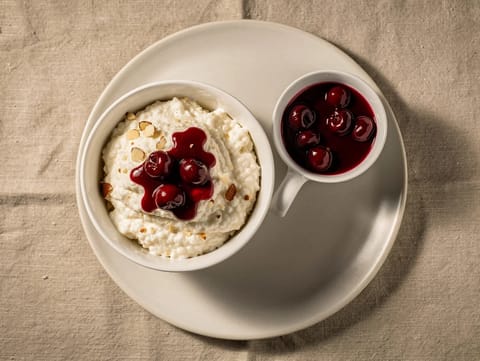
Risalamande (Danish Almond Rice Pudding with Cherry Sauce)
Danish almond rice pudding served with cherry sauce
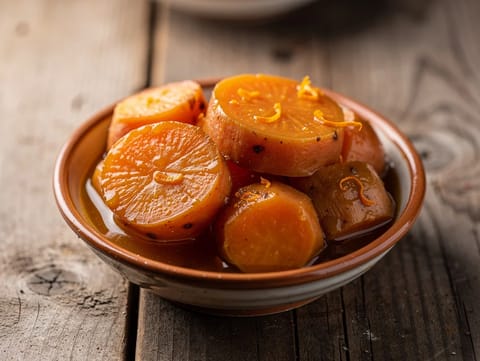
Camotes Poblanos (Sweet Potatoes Simmered in Spiced Syrup)
Sweet potatoes simmered in spiced syrup
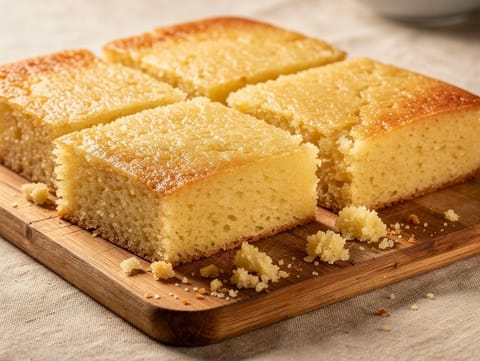
Revani (Greek Semolina Syrup Cake with Lemon)
Greek revani semolina cake soaked in lemon syrup
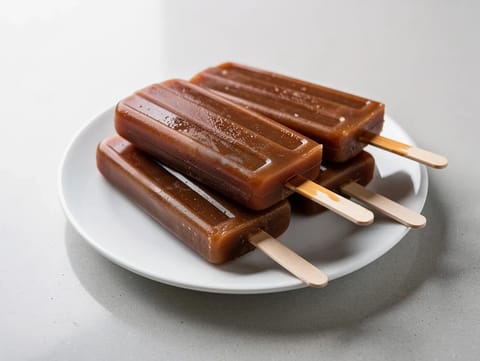
Tamarind Paletas (Chilli Tamarind Ice Lollies)
Tamarind and chilli ice lollies with lime
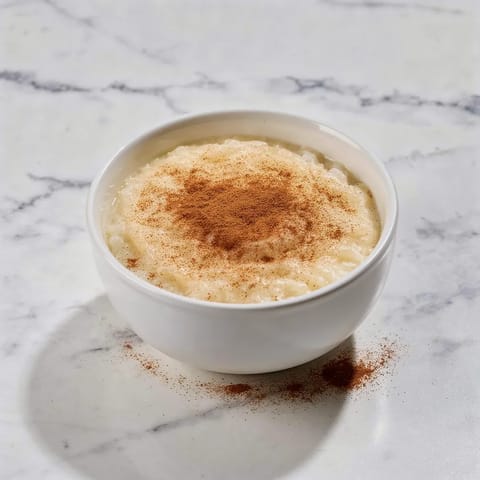
Rizogalo (Greek Rice Pudding)
Greek rice pudding with cinnamon, vanilla and lemon zest
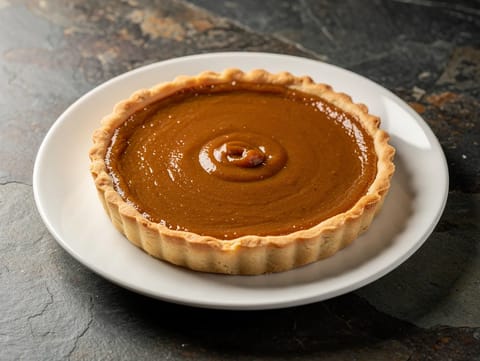
Tarta de Tamarindo (Tamarind Tart with Lime)
Sweet pastry tart with tangy tamarind and lime filling
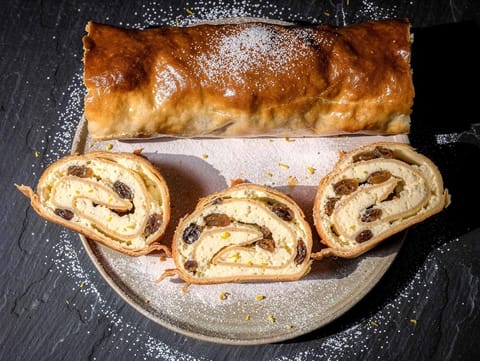
Topfenstrudel (Quark Strudel with Vanilla and Lemon Zest)
Crisp pastry strudel filled with vanilla quark, lemon and sultanas

Madeleines de Commercy (French Shell Cakes)
French shell cakes with lemon zest, vanilla and icing sugar

Gâteau Agneau de Pâques (Belgian Easter Lamb Sponge Cake)
Belgian Easter sponge cake finished with icing sugar

Roze Koeken (Dutch Pink Iced Cakes)
Soft Dutch sponge cakes topped with smooth pink icing
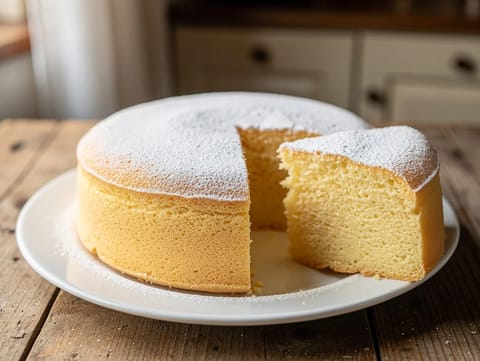
Torta Paradiso (Light Buttery Sponge Cake from Pavia)
Light buttery sponge cake finished with a dusting of icing sugar
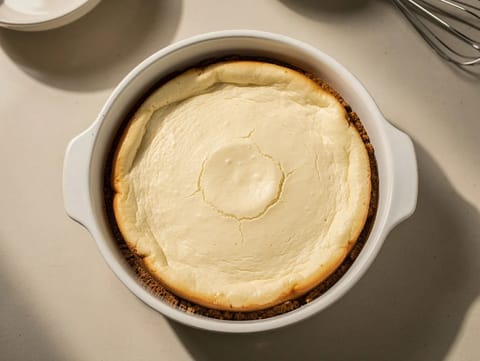
Air Fryer New York Cheesecake
Rich New York-style cheesecake baked in an air fryer.
You might also like
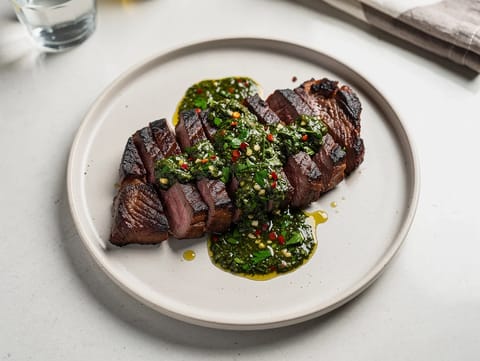
Churrasco with Chimichurri (Grilled Beef Steak)
Grilled beef steak served with herby chimichurri sauce
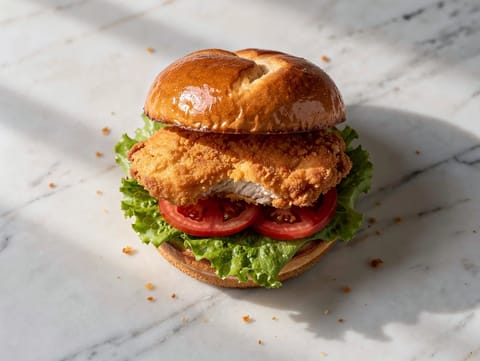
Air Fryer Crispy Chicken Sandwich
Crispy air-fried chicken in a bun with lettuce and tomato.
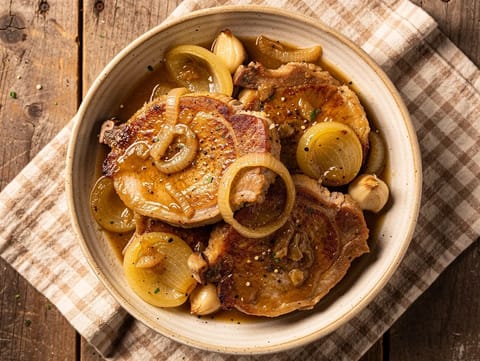
Smothered Pork Chops with Onion Gravy
Pan-seared pork chops simmered in rich onion gravy
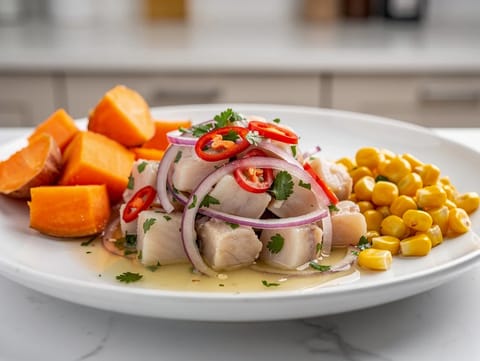
Ceviche de Corvina (Peruvian Sea Bass Ceviche)
Sea bass ceviche cured in lime with onion, chilli and coriander
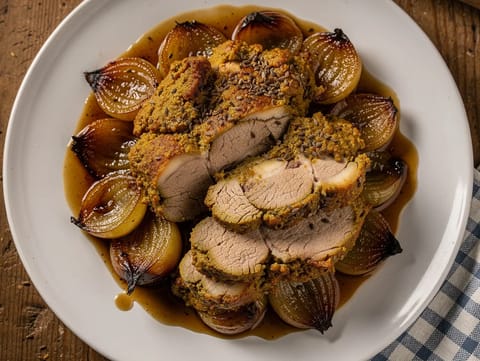
Senfbraten (Mustard-Crusted Pork Roast with Pan Gravy)
Mustard-crusted pork roast with pan gravy
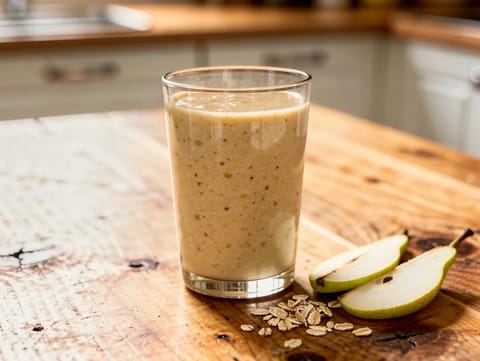
Pear Oat Breakfast Smoothie
A filling pear and oat smoothie with yoghurt and cinnamon.
Make this recipe easier next time
AdvertisementThese tools help you get better results with less effort.
KitchenAid Stainless Steel Mixing Bowls
- Non-slip base
- Stainless steel
- Not microwave safe
Pyrex Glass Mixing Bowls with Lids
- Microwave safe
- BPA-free lids
- Glass is heavier
OXO Good Grips Stainless Mixing Bowl Set
- Non-slip base
- Comfort grip
- Higher price
Enjoy cooking with JustRecipes?
Add JustRecipes as one of your preferred Google sources to discover our recipes more easily across Google Search.
Add JustRecipes to GoogleEvery recipe on JustRecipes follows the same structured editorial process. Learn how recipes are created, validated, translated, illustrated, and continuously improved across the platform. How we create recipes.
