
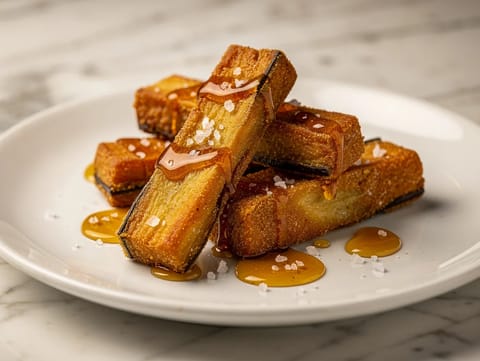
Berenjenas con Miel (Fried Aubergine with Honey)
Crisp fried aubergine batons finished with honey and salt
Honey clings to measuring cups. Weighing it directly into the mixing bowl helps the amount in the recipe reach the bowl rather than remain on the measure.
| Grams | Cups | Ounces |
|---|---|---|
| 1 g | 1 g (< ½ tsp) | 0.04 |
| 5 g | ≈ ½ tsp | 0.18 |
| 10 g | ≈ 1 ½ tsp | 0.35 |
| 25 g | ≈ 1 ¼ tbsp | 0.88 |
| 50 g | ≈ ⅛ cup | 1.76 |
| 100 g | ≈ ¼ cup | 3.53 |
| 250 g | ≈ ¾ cup | 8.82 |
Reference used in this table: 1 cup (236.6 ml) ≈ 340 g
Set the bowl on the scale, zero it and add the required honey. If using a cup, scrape it thoroughly after pouring. A coating left on the measure is part of the amount that was measured, but it has not reached the recipe.
Crystallised honey leaves gaps when spooned into a measure. Prefer weight rather than treating a loosely filled cup of crystals as liquid honey. There is no need to make the honey pourable just to weigh a portion.
A thick ribbon of honey can continue falling after the jar is tilted back. Add it gradually as the scale approaches the recipe’s amount. Scrape honey from the spoon into the bowl before deciding whether more is needed.
Crisp fried aubergine batons finished with honey and salt
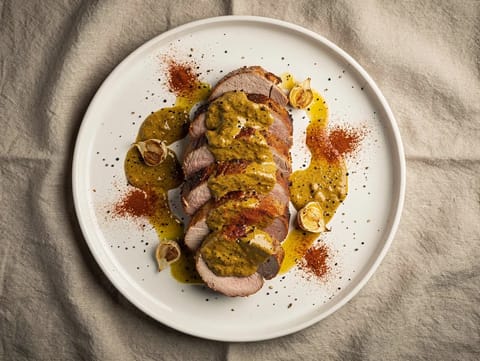
Juicy pork tenderloin with a honey mustard glaze
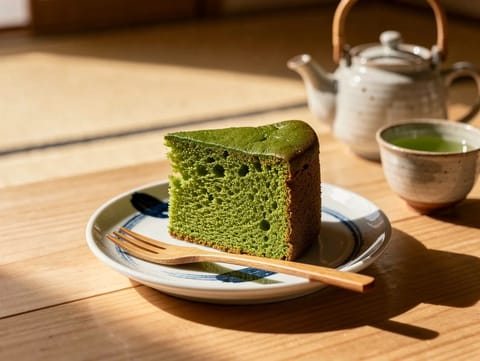
Matcha castella sponge cake with honey
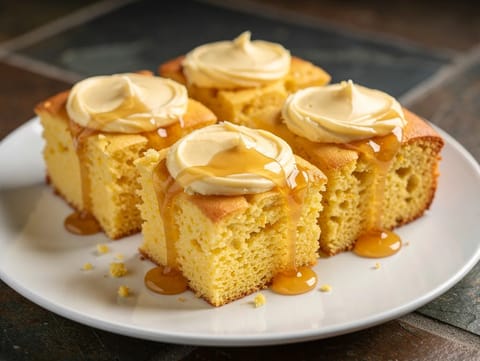
Golden cornbread served warm with whipped honey butter
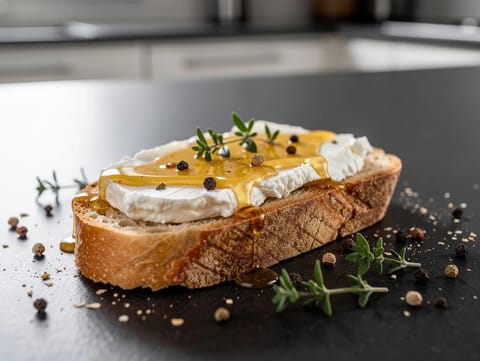
Toasted sourdough tartine with goat’s cheese and honey
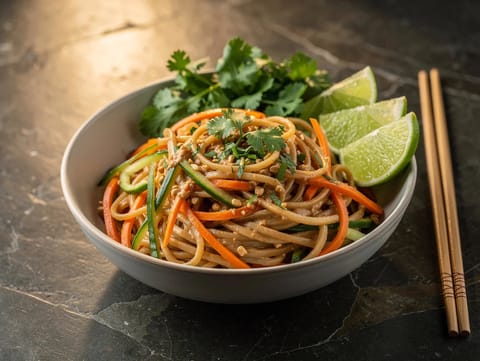
Rice noodles in chilli peanut sauce with crunchy veg
| Grams | Cups | Ounces |
|---|---|---|
| 1 g | 1 g (< ½ tsp) | 0.04 |
| 5 g | ≈ 2 tsp | 0.18 |
| 10 g | ≈ 1 ½ tbsp | 0.35 |
| 25 g | ≈ ¼ cup | 0.88 |
| 50 g | ≈ ½ cup | 1.76 |
| 100 g | ≈ ⅞ cup | 3.53 |
| 250 g | ≈ 2 ¼ cups | 8.82 |
| Grams | Cups | Ounces |
|---|---|---|
| 1 g | 1 g (< ½ tsp) | 0.04 |
| 5 g | ≈ 1 tsp | 0.18 |
| 10 g | ≈ 1 ½ tsp | 0.35 |
| 25 g | ≈ 1 ¼ tbsp | 0.88 |
| 50 g | ≈ ⅛ cup | 1.76 |
| 100 g | ≈ ⅜ cup | 3.53 |
| 250 g | ≈ ¾ cup | 8.82 |
| Milliliters | Cups |
|---|---|
| 1 ml | 1 ml (< ½ tsp) |
| 5 ml | ≈ 1 tsp |
| 10 ml | ≈ 2 tsp |
| 25 ml | ≈ 1 ¾ tbsp |
| 50 ml | ≈ ¼ cup |
| 100 ml | ≈ ⅜ cup |
| 250 ml | ≈ 1 cup |
| Grams | Cups | Ounces |
|---|---|---|
| 1 g | 1 g (< ½ tsp) | 0.04 |
| 5 g | ≈ 2 tsp | 0.18 |
| 10 g | ≈ 1 ¼ tbsp | 0.35 |
| 25 g | ≈ ¼ cup | 0.88 |
| 50 g | ≈ ⅜ cup | 1.76 |
| 100 g | ≈ ¾ cup | 3.53 |
| 250 g | ≈ 2 cups | 8.82 |
| Grams | Cups | Ounces |
|---|---|---|
| 1 g | 1 g (< ½ tsp) | 0.04 |
| 5 g | ≈ 1 tsp | 0.18 |
| 10 g | ≈ 2 tsp | 0.35 |
| 25 g | ≈ 1 ½ tbsp | 0.88 |
| 50 g | ≈ ¼ cup | 1.76 |
| 100 g | ≈ ⅜ cup | 3.53 |
| 250 g | ≈ 1 cup | 8.82 |
| Grams | Cups | Ounces |
|---|---|---|
| 1 g | 1 g (< ½ tsp) | 0.04 |
| 5 g | ≈ 1 ½ tsp | 0.18 |
| 10 g | ≈ 1 tbsp | 0.35 |
| 25 g | ≈ ⅛ cup | 0.88 |
| 50 g | ≈ ⅜ cup | 1.76 |
| 100 g | ≈ ¾ cup | 3.53 |
| 250 g | ≈ 1 ¾ cups | 8.82 |
| Grams | Cups | Ounces |
|---|---|---|
| 1 g | ≈ 1 tsp | 0.04 |
| 5 g | ≈ 1 ½ tbsp | 0.18 |
| 10 g | ≈ ¼ cup | 0.35 |
| 25 g | ½ cup | 0.88 |
| 50 g | 1 cup | 1.76 |
| 100 g | 2 cups | 3.53 |
| 250 g | 5 cups | 8.82 |
| Grams | Cups | Ounces |
|---|---|---|
| 1 g | 1 g (< ½ tsp) | 0.04 |
| 5 g | ≈ ½ tsp | 0.18 |
| 10 g | ≈ 1 ½ tsp | 0.35 |
| 25 g | ≈ 1 ¼ tbsp | 0.88 |
| 50 g | ≈ ⅛ cup | 1.76 |
| 100 g | ≈ ¼ cup | 3.53 |
| 250 g | ≈ ¾ cup | 8.82 |
| Milliliters | Cups |
|---|---|
| 1 ml | 1 ml (< ½ tsp) |
| 5 ml | ≈ 1 tsp |
| 10 ml | ≈ 2 tsp |
| 25 ml | ≈ 1 ¾ tbsp |
| 50 ml | ≈ ¼ cup |
| 100 ml | ≈ ⅜ cup |
| 250 ml | ≈ 1 cup |
| Grams | Cups | Ounces |
|---|---|---|
| 1 g | 1 g (< ½ tsp) | 0.04 |
| 5 g | ≈ 1 ½ tsp | 0.18 |
| 10 g | ≈ 1 tbsp | 0.35 |
| 25 g | ≈ ⅛ cup | 0.88 |
| 50 g | ≈ ⅜ cup | 1.76 |
| 100 g | ≈ ¾ cup | 3.53 |
| 250 g | ≈ 1 ¾ cups | 8.82 |
| Grams | Cups | Ounces |
|---|---|---|
| 1 g | 1 g (< ½ tsp) | 0.04 |
| 5 g | ≈ 1 tsp | 0.18 |
| 10 g | ≈ 2 tsp | 0.35 |
| 25 g | ≈ ⅛ cup | 0.88 |
| 50 g | ≈ ¼ cup | 1.76 |
| 100 g | ≈ ½ cup | 3.53 |
| 250 g | ≈ 1 ⅛ cups | 8.82 |
| Grams | Cups | Ounces |
|---|---|---|
| 1 g | 1 g (< ½ tsp) | 0.04 |
| 5 g | ≈ 1 ½ tsp | 0.18 |
| 10 g | ≈ 3 tsp | 0.35 |
| 25 g | ≈ ⅛ cup | 0.88 |
| 50 g | ≈ ⅜ cup | 1.76 |
| 100 g | ⅝ cup | 3.53 |
| 250 g | ≈ 1 ⅝ cups | 8.82 |
| Grams | Ounces |
|---|---|
| 1 g | 0.04 |
| 5 g | 0.18 |
| 10 g | 0.35 |
| 25 g | 0.88 |
| 50 g | 1.76 |
| 100 g | 3.53 |
| 250 g | 8.82 |
| Milliliters | Cups |
|---|---|
| 1 ml | 1 ml (< ½ tsp) |
| 5 ml | ≈ 1 tsp |
| 10 ml | ≈ 2 tsp |
| 25 ml | ≈ 1 ¾ tbsp |
| 50 ml | ≈ ¼ cup |
| 100 ml | ≈ ⅜ cup |
| 250 ml | ≈ 1 cup |
| Grams | Cups | Ounces |
|---|---|---|
| 1 g | 1 g (< ½ tsp) | 0.04 |
| 5 g | ≈ 2 ½ tsp | 0.18 |
| 10 g | ≈ 1 ¾ tbsp | 0.35 |
| 25 g | ≈ ¼ cup | 0.88 |
| 50 g | ≈ ½ cup | 1.76 |
| 100 g | ≈ 1 cup | 3.53 |
| 250 g | ≈ 2 ⅝ cups | 8.82 |
| Grams | Cups | Ounces |
|---|---|---|
| 1 g | 1 g (< ½ tsp) | 0.04 |
| 5 g | ≈ 1 tsp | 0.18 |
| 10 g | ≈ 2 tsp | 0.35 |
| 25 g | ≈ 1 ½ tbsp | 0.88 |
| 50 g | ≈ ¼ cup | 1.76 |
| 100 g | ≈ ⅜ cup | 3.53 |
| 250 g | ≈ 1 cup | 8.82 |
| Grams | Cups | Ounces |
|---|---|---|
| 1 g | 1 g (< ½ tsp) | 0.04 |
| 5 g | ≈ 2 tsp | 0.18 |
| 10 g | ≈ 1 ¼ tbsp | 0.35 |
| 25 g | ≈ ¼ cup | 0.88 |
| 50 g | ≈ ⅜ cup | 1.76 |
| 100 g | ≈ ¾ cup | 3.53 |
| 250 g | ≈ 2 cups | 8.82 |
| Grams | Cups | Ounces |
|---|---|---|
| 1 g | 1 g (< ½ tsp) | 0.04 |
| 5 g | ≈ ½ tsp | 0.18 |
| 10 g | ≈ 1 ½ tsp | 0.35 |
| 25 g | ≈ 1 ¼ tbsp | 0.88 |
| 50 g | ≈ ⅛ cup | 1.76 |
| 100 g | ≈ ¼ cup | 3.53 |
| 250 g | ≈ ¾ cup | 8.82 |
| Milliliters | Cups |
|---|---|
| 1 ml | 1 ml (< ½ tsp) |
| 5 ml | ≈ 1 tsp |
| 10 ml | ≈ 2 tsp |
| 25 ml | ≈ 1 ¾ tbsp |
| 50 ml | ≈ ¼ cup |
| 100 ml | ≈ ⅜ cup |
| 250 ml | ≈ 1 cup |
| Grams | Cups | Ounces |
|---|---|---|
| 1 g | 1 g (< ½ tsp) | 0.04 |
| 5 g | ≈ 2 tsp | 0.18 |
| 10 g | ≈ 1 ¼ tbsp | 0.35 |
| 25 g | ≈ ¼ cup | 0.88 |
| 50 g | ≈ ⅜ cup | 1.76 |
| 100 g | ≈ ¾ cup | 3.53 |
| 250 g | ≈ 2 cups | 8.82 |
| Milliliters | Cups |
|---|---|
| 1 ml | 1 ml (< ½ tsp) |
| 5 ml | ≈ 1 tsp |
| 10 ml | ≈ 2 tsp |
| 25 ml | ≈ 1 ¾ tbsp |
| 50 ml | ≈ ¼ cup |
| 100 ml | ≈ ⅜ cup |
| 250 ml | ≈ 1 cup |
| Grams | Cups | Ounces |
|---|---|---|
| 1 g | ≈ ½ tsp | 0.04 |
| 5 g | ≈ 3 tsp | 0.18 |
| 10 g | ≈ ⅛ cup | 0.35 |
| 25 g | ≈ ¼ cup | 0.88 |
| 50 g | ≈ ⅝ cup | 1.76 |
| 100 g | ≈ 1 ⅛ cups | 3.53 |
| 250 g | ≈ 3 cups | 8.82 |
| Grams | Cups | Ounces |
|---|---|---|
| 1 g | 1 g (< ½ tsp) | 0.04 |
| 5 g | ≈ ½ tsp | 0.18 |
| 10 g | ≈ 1 ½ tsp | 0.35 |
| 25 g | ≈ 1 ¼ tbsp | 0.88 |
| 50 g | ≈ ⅛ cup | 1.76 |
| 100 g | ≈ ¼ cup | 3.53 |
| 250 g | ≈ ¾ cup | 8.82 |
| Milliliters | Cups |
|---|---|
| 1 ml | 1 ml (< ½ tsp) |
| 5 ml | ≈ 1 tsp |
| 10 ml | ≈ 2 tsp |
| 25 ml | ≈ 1 ¾ tbsp |
| 50 ml | ≈ ¼ cup |
| 100 ml | ≈ ⅜ cup |
| 250 ml | ≈ 1 cup |
| Grams | Cups | Ounces |
|---|---|---|
| 1 g | 1 g (< ½ tsp) | 0.04 |
| 5 g | ≈ 1 ½ tsp | 0.18 |
| 10 g | ≈ 1 tbsp | 0.35 |
| 25 g | ≈ ⅛ cup | 0.88 |
| 50 g | ≈ ⅜ cup | 1.76 |
| 100 g | ≈ ¾ cup | 3.53 |
| 250 g | ≈ 1 ¾ cups | 8.82 |
This converter measures honey; it does not calculate a sugar substitution. Honey also contributes liquid, so follow a recipe that specifies the substitution.
Weight conversions use fixed unit factors. Cup and spoon estimates depend on the stated ingredient form and cup size. Milliliters measure volume; converting them to grams also needs an ingredient-specific reference. Without a reliable cup reference, the calculator uses grams and ounces.
Small volumes may be shown as approximate spoon measures. Below half a teaspoon, the measured amount stays visible instead of being rounded up. Use a suitable scale or follow the recipe’s original measure for these small quantities.
The conversion factors between grams, ounces and pounds are exact and do not depend on the ingredient. The displayed result is rounded for readability.
Many kitchen measurements are traditionally shown using simple fractions. Displaying amounts like “⅛ cup” or “¼ cup” makes the conversions easier to read and measure accurately with standard cups and spoons.
Cup measurements depend on how dense an ingredient is. For example, 1 cup of flour does not weigh the same as 1 cup of sugar. Small differences also occur due to natural variations like brand, moisture, or packing. We use consistent reference values so your conversions stay reliable.
