

Gâteau Breton (Breton Butter Cake)
Dense Breton butter cake with vanilla and egg yolks
Use the weight marked on the wrapper when the recipe gives grams or ounces. Cup and spoon references are also available; loose butter cubes leave gaps and do not fill a measure like a solid portion.
| Grams | Cups | Ounces |
|---|---|---|
| 1 g | 1 g (< ½ tsp) | 0.04 |
| 5 g | ≈ 1 tsp | 0.18 |
| 10 g | ≈ 2 tsp | 0.35 |
| 25 g | ≈ ⅛ cup | 0.88 |
| 50 g | ≈ ¼ cup | 1.76 |
| 100 g | ≈ ½ cup | 3.53 |
| 250 g | ≈ 1 ⅛ cups | 8.82 |
Reference used in this table: 1 cup (236.6 ml) ≈ 227 g
A stick or block is not a universal unit. Check the printed weight before dividing it into portions. Use wrapper marks only for the size of pack they belong to; marks from a different pack need not represent the same amount.
Cutting butter into cubes changes how loosely it fills a cup; it does not change the weight of that portion. If the recipe provides grams, weigh the butter instead of trying to remove every gap between cold cubes.
Follow whether a cup quantity refers to butter before or after melting. When a weighed portion is melted for the recipe, transfer the butter left on the pan or bowl as well. Browning or clarifying is a further step that removes water or other components, so a finished weight need not equal the starting weight.
Dense Breton butter cake with vanilla and egg yolks
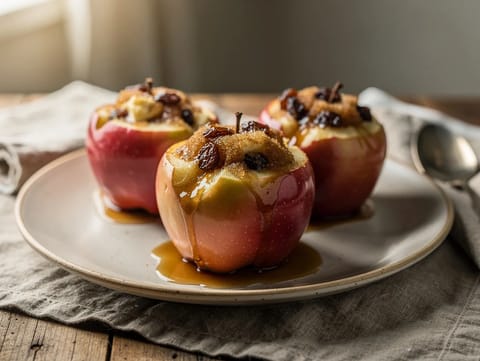
Air fryer baked apples filled with cinnamon, brown sugar and butter.
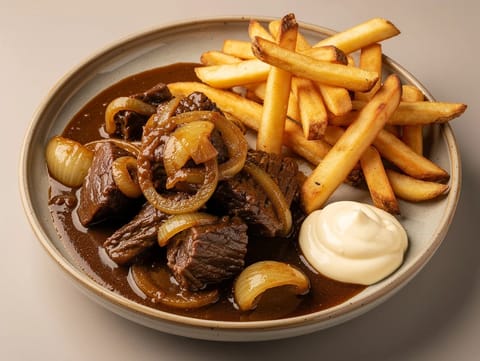
Belgian beef stew with dark beer, served with chips
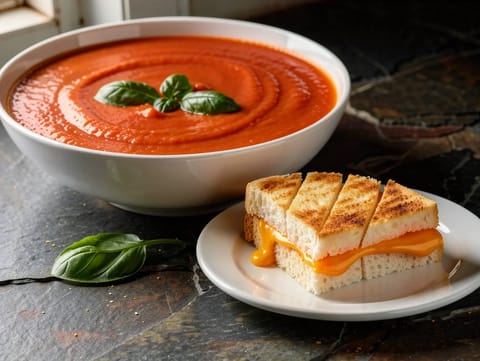
Cheddar grilled cheese served with smooth tomato soup
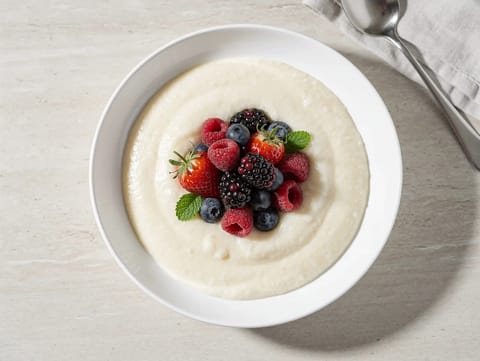
Creamy semolina porridge with butter and mixed berries
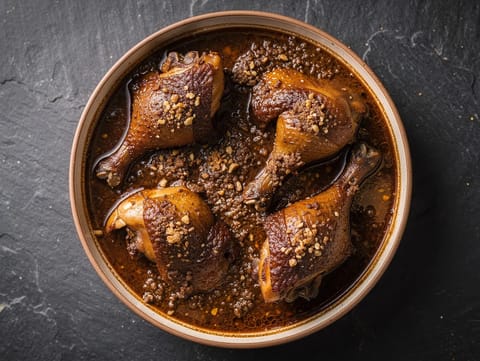
Persian chicken stew with walnut and pomegranate molasses sauce
| Grams | Cups | Ounces |
|---|---|---|
| 1 g | 1 g (< ½ tsp) | 0.04 |
| 5 g | ≈ 2 tsp | 0.18 |
| 10 g | ≈ 1 ½ tbsp | 0.35 |
| 25 g | ≈ ¼ cup | 0.88 |
| 50 g | ≈ ½ cup | 1.76 |
| 100 g | ≈ 1 cup | 3.53 |
| 250 g | ≈ 2 ⅜ cups | 8.82 |
| Grams | Cups | Ounces |
|---|---|---|
| 1 g | 1 g (< ½ tsp) | 0.04 |
| 5 g | ≈ 1 tsp | 0.18 |
| 10 g | ≈ 2 ½ tsp | 0.35 |
| 25 g | ⅛ cup | 0.88 |
| 50 g | ¼ cup | 1.76 |
| 100 g | ½ cup | 3.53 |
| 250 g | 1 ¼ cups | 8.82 |
| Milliliters | Cups |
|---|---|
| 1 ml | 1 ml (< ½ tsp) |
| 5 ml | ≈ 1 tsp |
| 10 ml | ≈ 2 tsp |
| 25 ml | ≈ 1 ¾ tbsp |
| 50 ml | ≈ ¼ cup |
| 100 ml | ≈ ⅜ cup |
| 250 ml | ≈ 1 cup |
| Grams | Cups | Ounces |
|---|---|---|
| 1 g | 1 g (< ½ tsp) | 0.04 |
| 5 g | ≈ 1 tsp | 0.18 |
| 10 g | ≈ 2 tsp | 0.35 |
| 25 g | ≈ ⅛ cup | 0.88 |
| 50 g | ≈ ¼ cup | 1.76 |
| 100 g | ≈ ½ cup | 3.53 |
| 250 g | ≈ 1 ⅛ cups | 8.82 |
| Grams | Cups | Ounces |
|---|---|---|
| 1 g | 1 g (< ½ tsp) | 0.04 |
| 5 g | ≈ 1 ½ tsp | 0.18 |
| 10 g | ≈ 1 tbsp | 0.35 |
| 25 g | ≈ ⅛ cup | 0.88 |
| 50 g | ≈ ⅜ cup | 1.76 |
| 100 g | ≈ ¾ cup | 3.53 |
| 250 g | ≈ 1 ¾ cups | 8.82 |
| Grams | Cups | Ounces |
|---|---|---|
| 1 g | 1 g (< ½ tsp) | 0.04 |
| 5 g | ≈ 1 ½ tsp | 0.18 |
| 10 g | ≈ 1 ¼ tbsp | 0.35 |
| 25 g | ≈ ⅛ cup | 0.88 |
| 50 g | ≈ ⅜ cup | 1.76 |
| 100 g | ≈ ¾ cup | 3.53 |
| 250 g | ≈ 1 ¾ cups | 8.82 |
| Grams | Cups | Ounces |
|---|---|---|
| 1 g | 1 g (< ½ tsp) | 0.04 |
| 5 g | ≈ ½ tsp | 0.18 |
| 10 g | ≈ 1 ½ tsp | 0.35 |
| 25 g | ≈ 1 ¼ tbsp | 0.88 |
| 50 g | ≈ ⅛ cup | 1.76 |
| 100 g | ≈ ⅜ cup | 3.53 |
| 250 g | ≈ ¾ cup | 8.82 |
| Milliliters | Cups |
|---|---|
| 1 ml | 1 ml (< ½ tsp) |
| 5 ml | ≈ 1 tsp |
| 10 ml | ≈ 2 tsp |
| 25 ml | ≈ 1 ¾ tbsp |
| 50 ml | ≈ ¼ cup |
| 100 ml | ≈ ⅜ cup |
| 250 ml | ≈ 1 cup |
| Milliliters | Cups |
|---|---|
| 1 ml | 1 ml (< ½ tsp) |
| 5 ml | ≈ 1 tsp |
| 10 ml | ≈ 2 tsp |
| 25 ml | ≈ 1 ¾ tbsp |
| 50 ml | ≈ ¼ cup |
| 100 ml | ≈ ⅜ cup |
| 250 ml | ≈ 1 cup |
| Grams | Cups | Ounces |
|---|---|---|
| 1 g | 1 g (< ½ tsp) | 0.04 |
| 5 g | ≈ 1 ½ tsp | 0.18 |
| 10 g | ≈ 3 tsp | 0.35 |
| 25 g | ≈ ⅛ cup | 0.88 |
| 50 g | ≈ ¼ cup | 1.76 |
| 100 g | ≈ ⅝ cup | 3.53 |
| 250 g | ≈ 1 ½ cups | 8.82 |
| Grams | Cups | Ounces |
|---|---|---|
| 1 g | 1 g (< ½ tsp) | 0.04 |
| 5 g | ≈ 1 tsp | 0.18 |
| 10 g | ≈ 2 tsp | 0.35 |
| 25 g | ≈ ⅛ cup | 0.88 |
| 50 g | ≈ ¼ cup | 1.76 |
| 100 g | ≈ ½ cup | 3.53 |
| 250 g | ≈ 1 ⅛ cups | 8.82 |
| Milliliters | Cups |
|---|---|
| 1 ml | 1 ml (< ½ tsp) |
| 5 ml | ≈ 1 tsp |
| 10 ml | ≈ 2 tsp |
| 25 ml | ≈ 1 ¾ tbsp |
| 50 ml | ≈ ¼ cup |
| 100 ml | ≈ ⅜ cup |
| 250 ml | ≈ 1 cup |
| Grams | Cups | Ounces |
|---|---|---|
| 1 g | 1 g (< ½ tsp) | 0.04 |
| 5 g | ≈ 1 tsp | 0.18 |
| 10 g | ≈ 2 tsp | 0.35 |
| 25 g | ≈ 1 ½ tbsp | 0.88 |
| 50 g | ≈ ¼ cup | 1.76 |
| 100 g | ≈ ⅜ cup | 3.53 |
| 250 g | ≈ 1 cup | 8.82 |
| Grams | Cups | Ounces |
|---|---|---|
| 1 g | ≈ ½ tsp | 0.04 |
| 5 g | ≈ 2 ½ tsp | 0.18 |
| 10 g | ≈ 1 ¾ tbsp | 0.35 |
| 25 g | ≈ ¼ cup | 0.88 |
| 50 g | ≈ ½ cup | 1.76 |
| 100 g | ≈ 1 ⅛ cups | 3.53 |
| 250 g | ≈ 2 ¾ cups | 8.82 |
| Grams | Ounces |
|---|---|
| 1 g | 0.04 |
| 5 g | 0.18 |
| 10 g | 0.35 |
| 25 g | 0.88 |
| 50 g | 1.76 |
| 100 g | 3.53 |
| 250 g | 8.82 |
| Milliliters | Cups |
|---|---|
| 1 ml | 1 ml (< ½ tsp) |
| 5 ml | ≈ 1 tsp |
| 10 ml | ≈ 2 tsp |
| 25 ml | ≈ 1 ¾ tbsp |
| 50 ml | ≈ ¼ cup |
| 100 ml | ≈ ⅜ cup |
| 250 ml | ≈ 1 cup |
| Milliliters | Cups |
|---|---|
| 1 ml | 1 ml (< ½ tsp) |
| 5 ml | ≈ 1 tsp |
| 10 ml | ≈ 2 tsp |
| 25 ml | ≈ 1 ¾ tbsp |
| 50 ml | ≈ ¼ cup |
| 100 ml | ≈ ⅜ cup |
| 250 ml | ≈ 1 cup |
| Grams | Cups | Ounces |
|---|---|---|
| 1 g | 1 g (< ½ tsp) | 0.04 |
| 5 g | ≈ 2 tsp | 0.18 |
| 10 g | ≈ 1 ½ tbsp | 0.35 |
| 25 g | ≈ ¼ cup | 0.88 |
| 50 g | ≈ ½ cup | 1.76 |
| 100 g | ≈ 1 cup | 3.53 |
| 250 g | ≈ 2 ⅜ cups | 8.82 |
| Grams | Cups | Ounces |
|---|---|---|
| 1 g | 1 g (< ½ tsp) | 0.04 |
| 5 g | ≈ 1 tsp | 0.18 |
| 10 g | ≈ 2 ½ tsp | 0.35 |
| 25 g | ⅛ cup | 0.88 |
| 50 g | ¼ cup | 1.76 |
| 100 g | ½ cup | 3.53 |
| 250 g | 1 ¼ cups | 8.82 |
| Milliliters | Cups |
|---|---|
| 1 ml | 1 ml (< ½ tsp) |
| 5 ml | ≈ 1 tsp |
| 10 ml | ≈ 2 tsp |
| 25 ml | ≈ 1 ¾ tbsp |
| 50 ml | ≈ ¼ cup |
| 100 ml | ≈ ⅜ cup |
| 250 ml | ≈ 1 cup |
| Grams | Cups | Ounces |
|---|---|---|
| 1 g | 1 g (< ½ tsp) | 0.04 |
| 5 g | ≈ 1 tsp | 0.18 |
| 10 g | ≈ 2 tsp | 0.35 |
| 25 g | ≈ 1 ¾ tbsp | 0.88 |
| 50 g | ≈ ¼ cup | 1.76 |
| 100 g | ≈ ⅜ cup | 3.53 |
| 250 g | ≈ 1 cup | 8.82 |
| Grams | Cups | Ounces |
|---|---|---|
| 1 g | 1 g (< ½ tsp) | 0.04 |
| 5 g | ≈ 2 ½ tsp | 0.18 |
| 10 g | ≈ 1 ¾ tbsp | 0.35 |
| 25 g | ≈ ¼ cup | 0.88 |
| 50 g | ≈ ½ cup | 1.76 |
| 100 g | ≈ 1 cup | 3.53 |
| 250 g | ≈ 2 ⅝ cups | 8.82 |
| Grams | Cups | Ounces |
|---|---|---|
| 1 g | 1 g (< ½ tsp) | 0.04 |
| 5 g | ≈ ½ tsp | 0.18 |
| 10 g | ≈ 1 ½ tsp | 0.35 |
| 25 g | ≈ 1 ¼ tbsp | 0.88 |
| 50 g | ≈ ⅛ cup | 1.76 |
| 100 g | ≈ ¼ cup | 3.53 |
| 250 g | ≈ ¾ cup | 8.82 |
| Milliliters | Cups |
|---|---|
| 1 ml | 1 ml (< ½ tsp) |
| 5 ml | ≈ 1 tsp |
| 10 ml | ≈ 2 tsp |
| 25 ml | ≈ 1 ¾ tbsp |
| 50 ml | ≈ ¼ cup |
| 100 ml | ≈ ⅜ cup |
| 250 ml | ≈ 1 cup |
| Milliliters | Cups |
|---|---|
| 1 ml | 1 ml (< ½ tsp) |
| 5 ml | ≈ 1 tsp |
| 10 ml | ≈ 2 tsp |
| 25 ml | ≈ 1 ¾ tbsp |
| 50 ml | ≈ ¼ cup |
| 100 ml | ≈ ⅜ cup |
| 250 ml | ≈ 1 cup |
No. Clarifying butter removes components, so the starting butter weight does not give the finished ghee weight. Use the ghee converter for ghee itself.
Weight conversions use fixed unit factors. Cup and spoon estimates depend on the stated ingredient form and cup size. Milliliters measure volume; converting them to grams also needs an ingredient-specific reference. Without a reliable cup reference, the calculator uses grams and ounces.
Small volumes may be shown as approximate spoon measures. Below half a teaspoon, the measured amount stays visible instead of being rounded up. Use a suitable scale or follow the recipe’s original measure for these small quantities.
The conversion factors between grams, ounces and pounds are exact and do not depend on the ingredient. The displayed result is rounded for readability.
Many kitchen measurements are traditionally shown using simple fractions. Displaying amounts like “⅛ cup” or “¼ cup” makes the conversions easier to read and measure accurately with standard cups and spoons.
Cup measurements depend on how dense an ingredient is. For example, 1 cup of flour does not weigh the same as 1 cup of sugar. Small differences also occur due to natural variations like brand, moisture, or packing. We use consistent reference values so your conversions stay reliable.
