
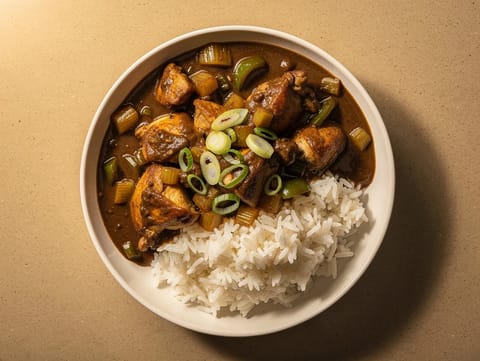
Cajun Chicken Étouffée
Cajun chicken étouffée with dark roux served over rice
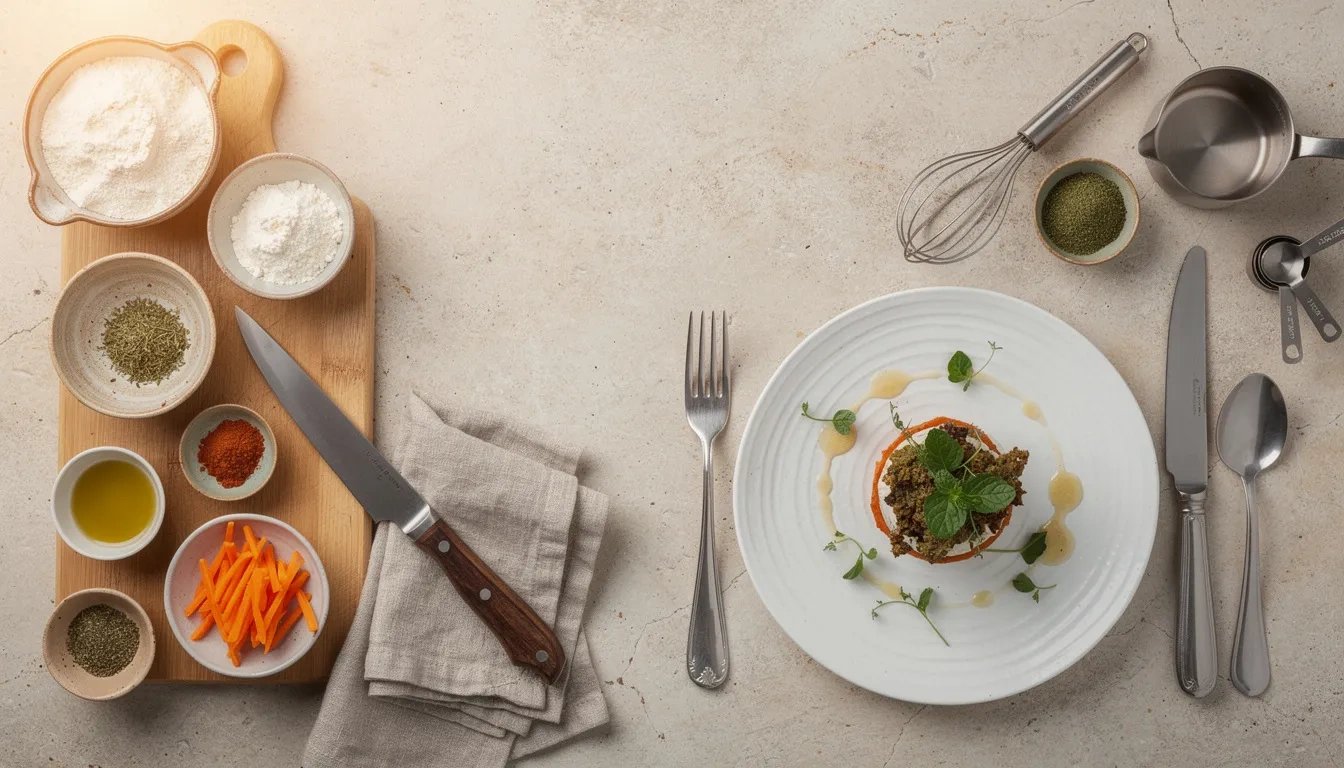
Difficulty is less about how impressive a dish looks and more about what you need to manage while you cook: knife work, timing, heat control and how many steps have to land in the right order. Browsing by difficulty helps you match a recipe to your current headspace, not just the clock. Use it when you want something straightforward, when you are happy to concentrate, or when you are building skills and want a sensible next step.
A difficulty label is a shorthand for complexity and attention, not a promise about total time. An easy recipe may still take a while if it relies on slow cooking, chilling or proving, while a medium recipe can be quick but fiddly because several elements need doing at once. Difficulty also does not automatically track cost, spiciness or how many ingredients are involved. What it often does signal is how tightly you need to follow the method, how much judgement is expected (for example, cooking “until golden” rather than to a set time), and how forgiving the recipe is if you are interrupted.
Cajun chicken étouffée with dark roux served over rice

Chilled German red berry pudding thickened with cornflour
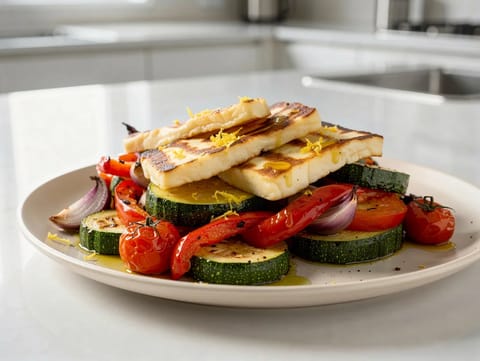
Halloumi traybake with roasted courgette, pepper and tomatoes
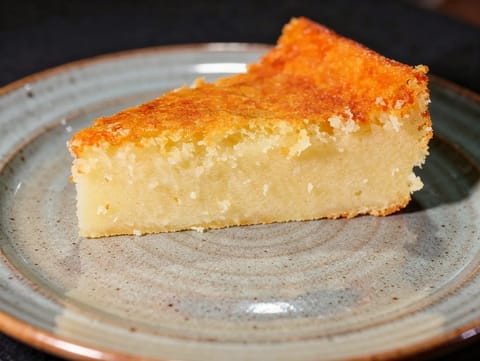
Dense Portuguese almond cake finished with icing sugar
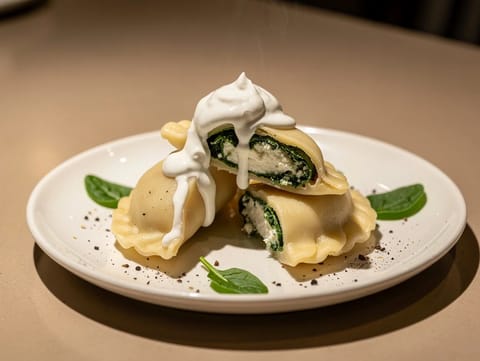
Pierogi filled with spinach and ricotta

Caramel chocoflan with vanilla flan and chocolate sponge
Easy recipes usually keep the workflow linear: prep, cook, serve, with few decision points. Techniques tend to be familiar and the recipe is often tolerant of small timing slips, which matters when you are cooking alongside other tasks.
Medium recipes commonly introduce coordination. You might be juggling a sauce while something roasts, or switching between pan and oven, or seasoning in stages and tasting as you go. The method may assume you can recognise cues such as a thickened custard or properly softened onions.
Advanced recipes often combine multiple techniques or demand precision: careful temperature control, confident knife skills, or steps where a small mistake is hard to hide. They can also involve more planning, such as components made ahead and assembled later.
Pierogi filled with spinach and ricotta
Cajun chicken étouffée with dark roux served over rice
Caramel chocoflan with vanilla flan and chocolate sponge
Dense Portuguese almond cake finished with icing sugar
Halloumi traybake with roasted courgette, pepper and tomatoes
Chilled German red berry pudding thickened with cornflour
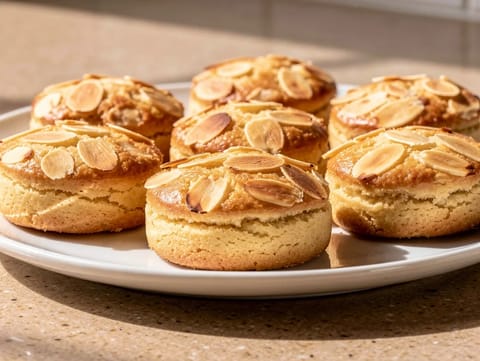
Buttery Dutch cookies with a thick almond paste filling
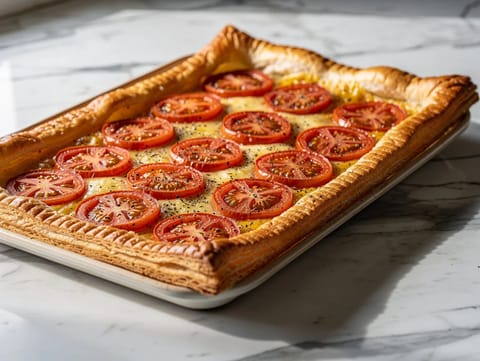
Puff pastry tart with Dijon mustard, tomatoes and Gruyère
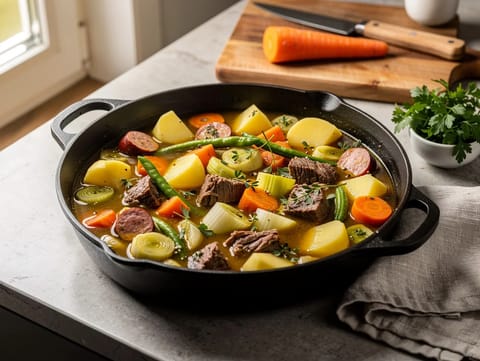
German one-pot stew with smoked sausage, beans and potatoes

Dense Breton butter cake with vanilla and egg yolks
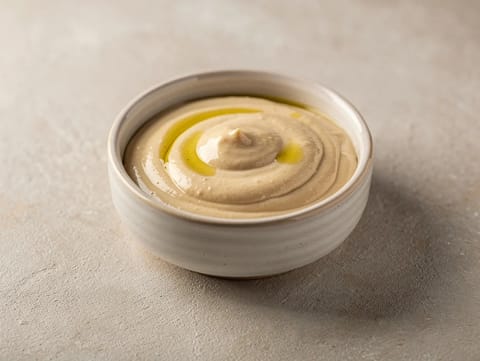
Smooth tahini sauce with lemon, garlic and water
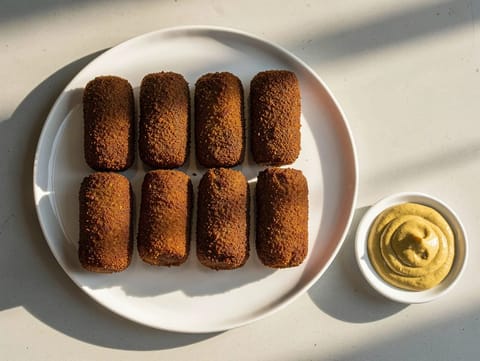
Dutch beef ragout croquettes with a crisp breadcrumb coating
Choose easy when you want a recipe that is robust to distractions: one main cooking vessel, clear visual cues, and minimal last-minute assembly. This is also a sensible place to start with unfamiliar ingredients, because you can focus on flavour rather than technique.
Choose medium when you have enough attention to taste, adjust and time a couple of things together. It suits cooks who are comfortable reading ahead, setting up ingredients before the heat goes on, and using the hob controls rather than cooking everything on one setting.
Choose advanced when you actively want a technical project or a dish where texture depends on precision. It helps to have the right equipment to hand and the patience to pause and correct as you go, rather than pushing through a step that has gone off track.
Read the method once before you start, then look for the points where timing matters: when something must be added gradually, when a pan needs to be hot before food goes in, or when resting and cooling are part of the result rather than optional pauses. If a recipe has several components, group them by how forgiving they are. Make the stable parts first (a dressing, a dough, a cooked grain), and leave the fast, fragile parts (fried garnishes, whipped cream, seared fish) until the end.
A common mistake is treating “medium” or “advanced” as a cue to rush. In practice, difficulty often rewards slower, more deliberate prep: evenly cut pieces cook at the same rate, and measured ingredients reduce last-minute scrambling.
Difficulty tells you how much skill and attention a recipe tends to require. Cooking method adds the missing detail about what you will actually be doing, such as baking, stir-frying or slow-cooking. Cooking time helps you separate recipes that are straightforward but lengthy from those that are quick yet hands-on, so you can choose what fits your day.
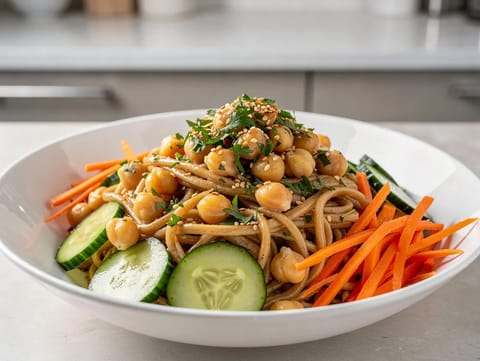
Noodles with tahini lemon dressing, chickpeas and crisp vegetables
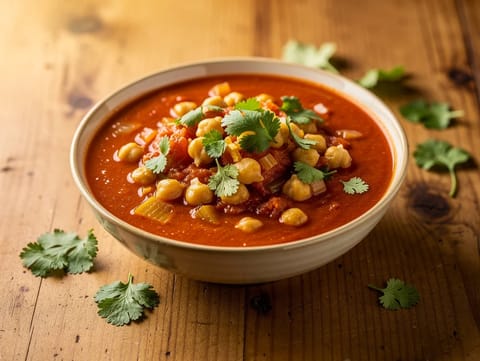
Smooth tomato and chickpea soup with Moroccan spices
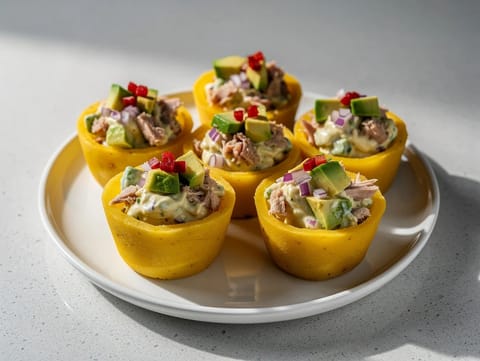
Causa cups with lime potato, tuna mayonnaise and avocado
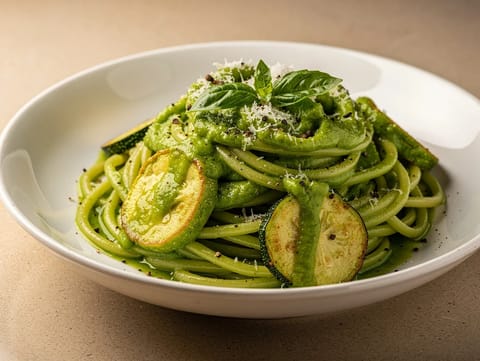
Spaghetti in a smooth courgette, basil and Parmigiano sauce
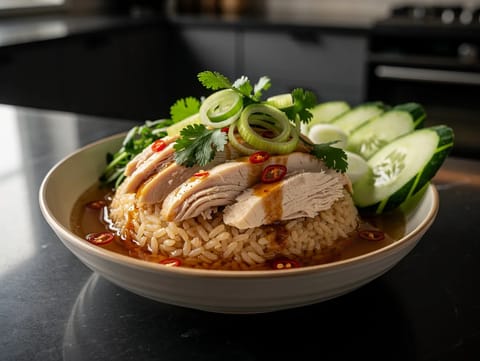
Chicken rice with cucumber, herbs and fish sauce dressing
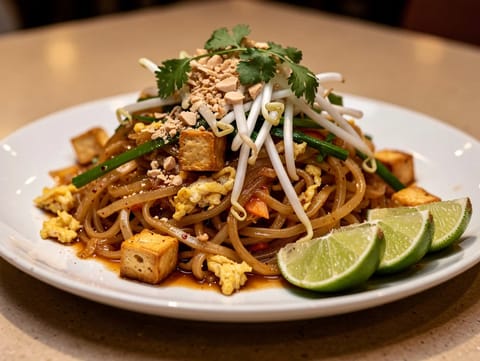
Vegetable Pad Thai with tofu, egg and roasted peanuts
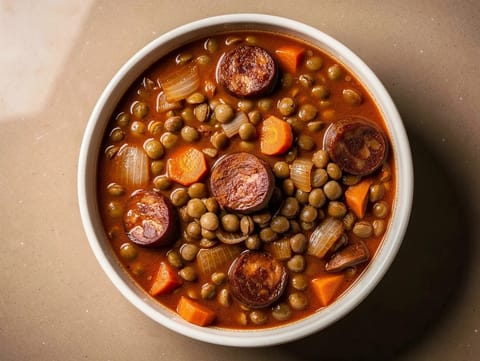
Spanish lentil stew simmered with chorizo, tomato and smoked paprika
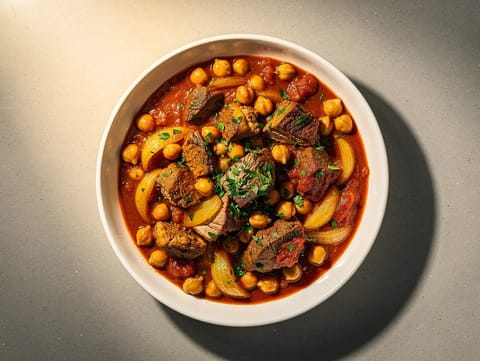
Slow-simmered lamb and chickpea stew in a spiced tomato sauce
Not necessarily. Easy often means the steps are simple and forgiving, but the recipe may still include long unattended time such as simmering, baking, chilling or proving.
Because difficulty can come from coordination rather than duration. A fast recipe may require high heat, quick decision-making, or several elements finishing at the same moment.
No. Some advanced recipes are ingredient-light but technique-heavy, where texture depends on precision, temperature control or careful handling.
Unfamiliar equipment, vague visual cues, or steps that depend on judgement, such as reducing a sauce to the right consistency. Cooking in an unfamiliar kitchen can also add friction.
Pick a medium recipe that adds just one new demand, such as making a simple sauce alongside a main component, or learning one technique like pan-searing. Keep the rest of the meal uncomplicated.
Often, yes. Look for ways to spread the work: prep ingredients thoroughly, make components ahead where the method allows, and choose a serving plan that reduces last-minute plating and assembly.
Difficulty is most useful when you treat it as a preview of attention and technique. Decide how much concentration you can give, then narrow further by cooking method or time to find recipes that match both your skills and your schedule.
