
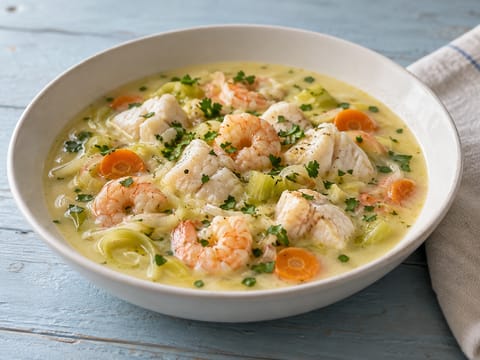
Gentse Waterzooi Vis (Ghent-Style Creamy Fish Stew)
Creamy Ghent-style fish stew with prawns and vegetables

Fish is often easy to identify when it is served as fillets or flakes, but it can be harder to spot when it is used as a seasoning, stock base or fermented sauce. Avoidance also raises practical questions about cross-contact, especially where frying oil, grills or utensils are shared. This page outlines what is typically meant by fish in recipes, where it can appear in small amounts, and the kitchen habits that matter when fish needs to be avoided.
Fish may be fresh or frozen, whole or filleted, and it can also be preserved as smoked fish, salted fish, dried fish or tinned fish. Beyond obvious pieces, fish is used to build savoury depth in broths and soups, and it appears in condiments such as fish sauce and some Worcestershire-style sauces that use anchovy. Fish paste and dried fish flakes are used in certain regional cuisines as a background seasoning. Fish is distinct from shellfish allergens such as crustaceans and molluscs, though recipes and kitchens often handle them side by side, which is where cross-contact becomes a practical concern.
Creamy Ghent-style fish stew with prawns and vegetables
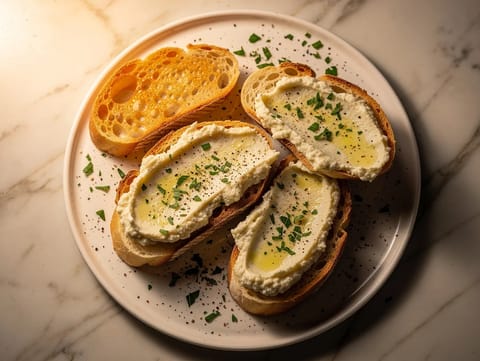
Venetian whipped salt cod spread with garlic and lemon
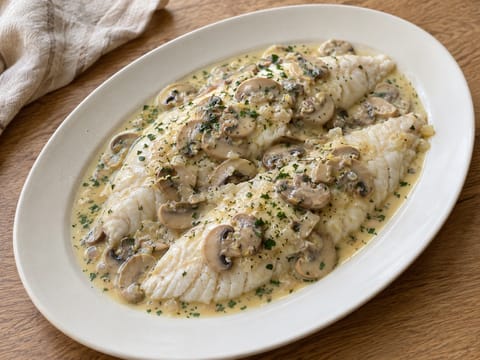
Sole fillets cooked with mushrooms, shallots and white wine
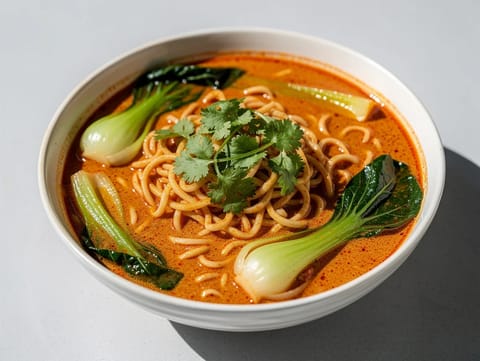
Thai curry ramen with coconut milk, pak choi and lime

Thai basil minced pork stir-fry with rice and fried egg
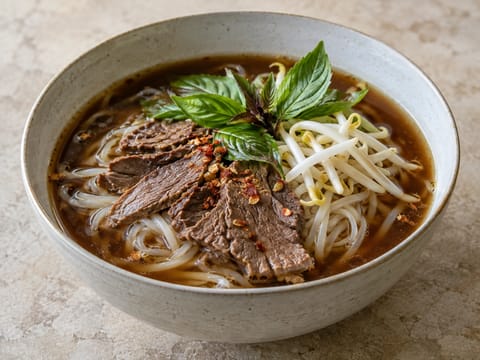
Thai rice noodle soup with beef and dark broth
This label supports allergen-aware browsing, but it cannot guarantee a recipe is safe for your needs. If you avoid fish, check for obvious ingredients as well as fish-based condiments, stocks and flavourings. Cross-contact is common with shared frying oil, grills, baking trays and utensils, and with marinades or sauces brushed onto multiple foods. In mixed kitchens, even a small amount of fish residue can transfer via tongs, chopping boards or cloths unless they are cleaned thoroughly.
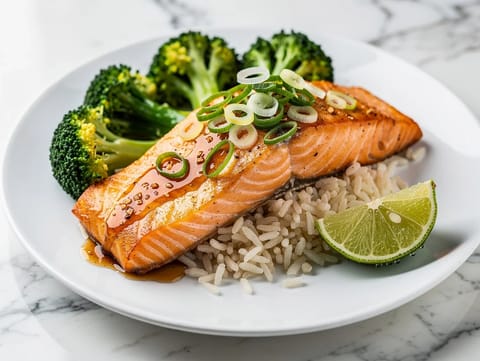
Pan-seared salmon with honey garlic glaze, rice and broccoli
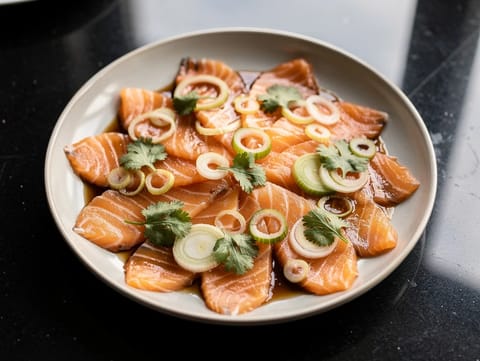
Chilled salmon tiradito with ponzu dressing and sesame oil
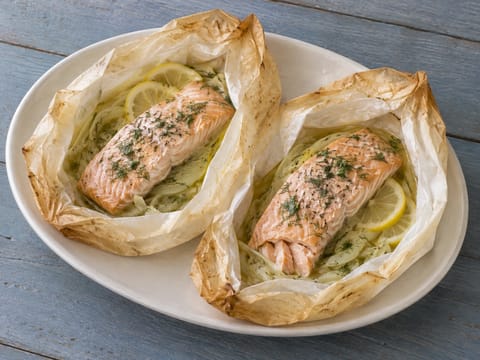
Salmon baked in parchment with fennel, lemon and dill
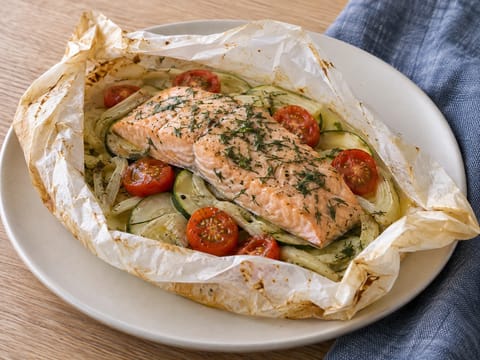
Salmon baked in parchment parcels with vegetables and lemon
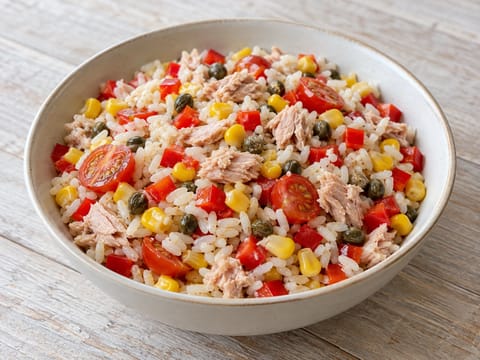
Italian rice salad with tuna, vegetables, lemon and olive oil
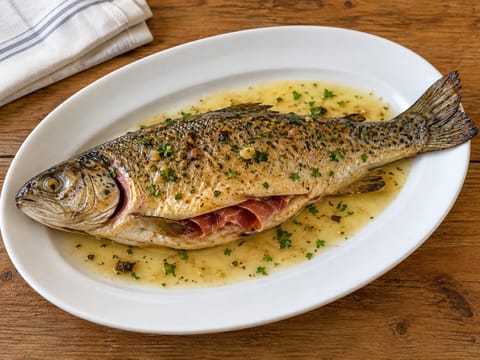
Pan-fried trout stuffed with serrano ham
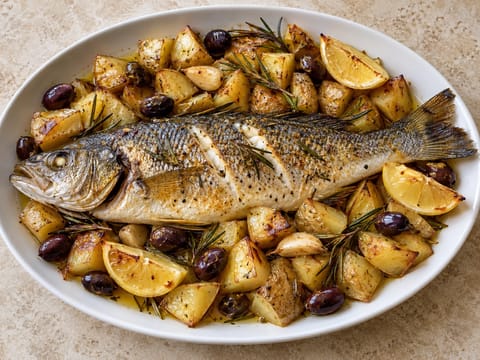
Roasted sea bass with potatoes and olives
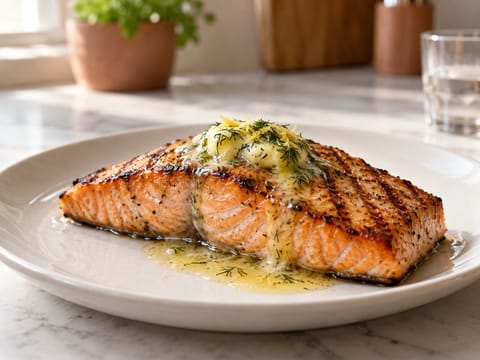
Grilled salmon topped with lemon and dill butter
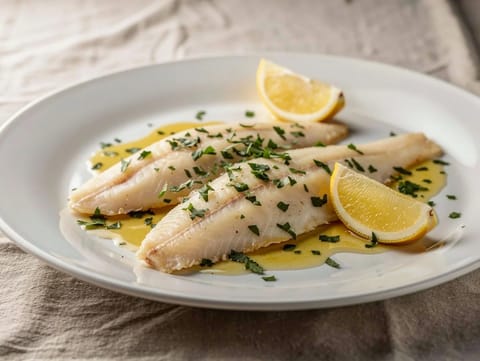
Butter-fried sole with lemon and parsley sauce
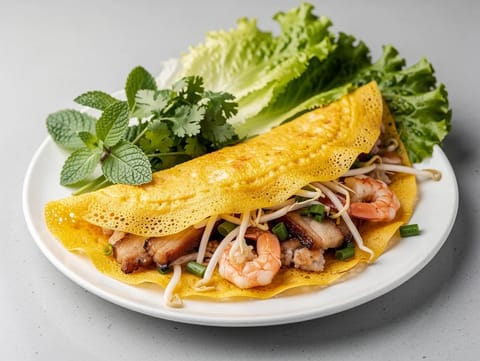
Crispy Vietnamese rice-flour pancakes filled with pork and prawns
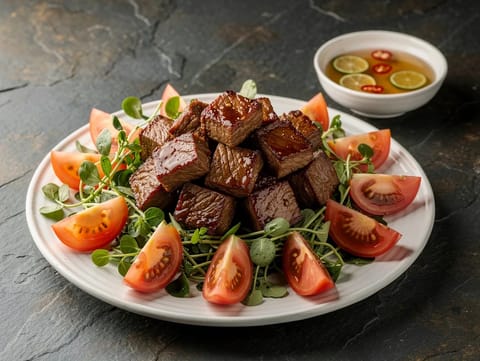
Quick-seared Vietnamese shaking beef with salad and lime dipping sauce
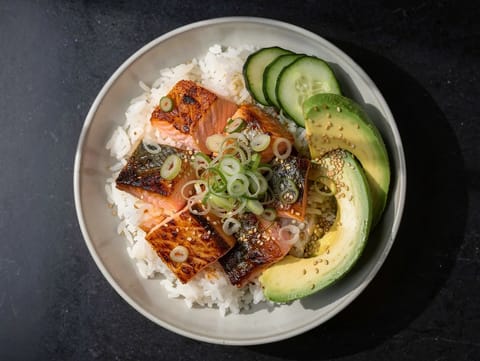
Salmon rice bowl with soy, mirin, cucumber and avocado
When fish is the main ingredient, it is usually more successful to choose a different centrepiece rather than trying to imitate fish texture. Depending on the dish, tofu, mushrooms, pulses or vegetables can suit the same cooking method and carry similar seasonings. If the recipe uses fish sauce or anchovy for savoury depth, you can often replace that function with other umami-rich ingredients such as fermented sauces that do not contain fish, tomato concentrates, seaweed, mushrooms, or a carefully seasoned vegetable stock. Expect the flavour to shift: the aim is balance and depth, not a perfect fish-like taste.
Ingredient browsing is helpful if you are avoiding fish, because it lets you explore alternative proteins and umami builders such as tofu, mushrooms, seaweed or different stocks. Diet categories can also support you if fish avoidance sits alongside other requirements, helping you find recipes that fit your overall approach without relying on fish-based condiments.
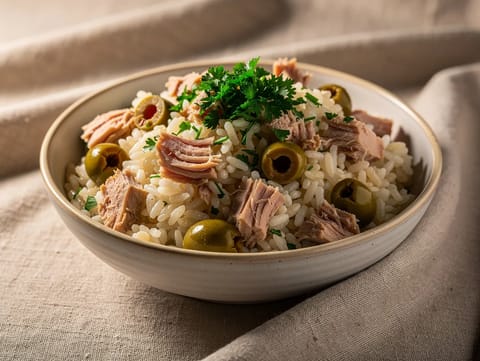
Chilled rice salad with tuna, olives, lemon and parsley
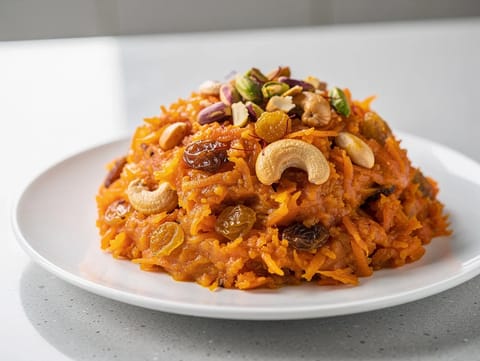
North Indian carrot pudding with milk, ghee and cardamom
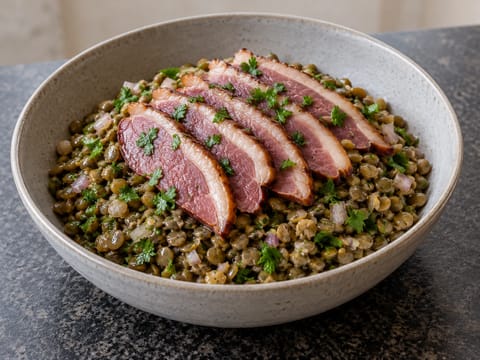
Green lentil salad with mustard dressing and smoked duck
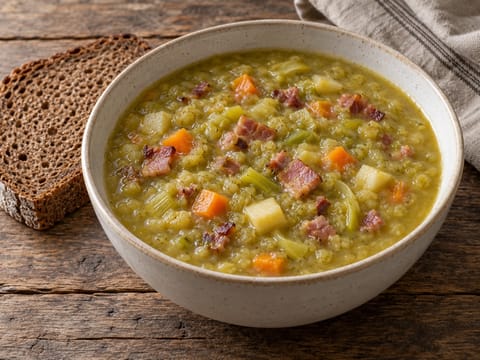
Thick split pea soup with smoked bacon and vegetables
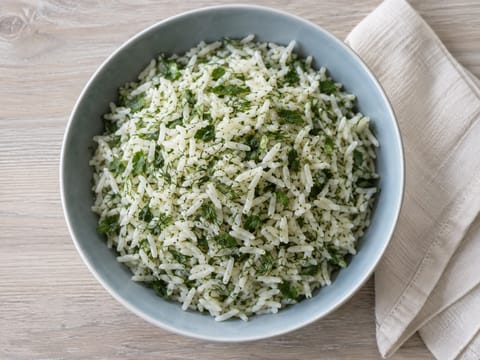
Basmati rice with dill, parsley, mint, lemon and olive oil
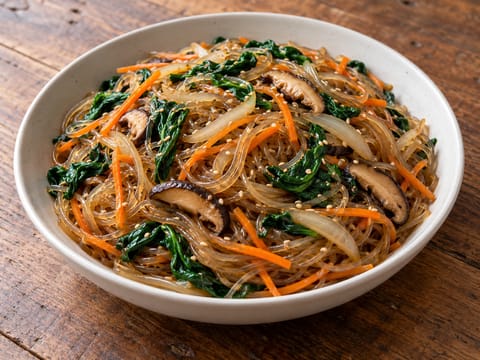
Glass noodles tossed with stir-fried vegetables and sesame dressing

Polish mulled red wine warmed with honey, citrus and spices
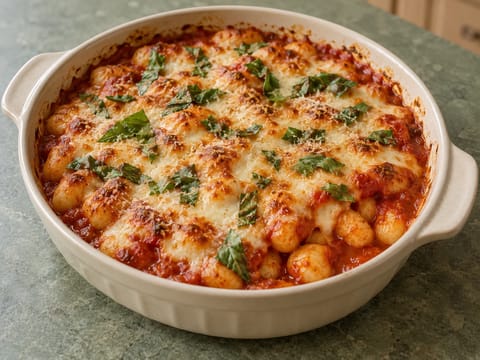
Baked gnocchi with tomato sauce, mozzarella and basil
Yes. Anchovies are fish, and they are often used in small amounts in sauces and dressings, so they are worth checking for specifically.
Traditionally it is, but products vary. If you are avoiding fish, read labels carefully and choose alternatives that are clearly fish-free.
They are treated as different allergen groups. However, they are often prepared in the same kitchens, so cross-contact can still be an issue.
Seaweed can add a marine note and savouriness, which can help when you miss the ‘sea’ character of a dish. It will not replicate fish texture, and it is best used as part of a broader flavour-building approach.
Yes. Processing does not remove the need for avoidance. Treat fresh, frozen, smoked and tinned fish as relevant unless you have specific guidance otherwise.
Shared frying oil, grills, baking trays, tongs and chopping boards are frequent culprits, as are brushes used for marinades and sauces.
Fish avoidance is as much about the small, flavour-building ingredients as it is about the main protein. Check condiments and stocks, and pay attention to shared equipment and surfaces where fish is cooked alongside other foods.
