
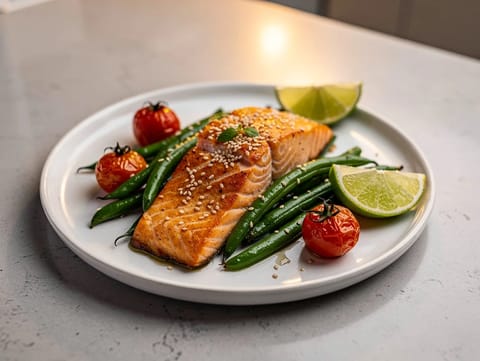
Air Fryer Salmon and Vegetables
Air-fried salmon with green beans, tomatoes and soy glaze.

Fish is often easy to identify when it is served as fillets or flakes, but it can be harder to spot when it is used as a seasoning, stock base or fermented sauce. Avoidance also raises practical questions about cross-contact, especially where frying oil, grills or utensils are shared. This page outlines what is typically meant by fish in recipes, where it can appear in small amounts, and the kitchen habits that matter when fish needs to be avoided.
Fish may be fresh or frozen, whole or filleted, and it can also be preserved as smoked fish, salted fish, dried fish or tinned fish. Beyond obvious pieces, fish is used to build savoury depth in broths and soups, and it appears in condiments such as fish sauce and some Worcestershire-style sauces that use anchovy. Fish paste and dried fish flakes are used in certain regional cuisines as a background seasoning. Fish is distinct from shellfish allergens such as crustaceans and molluscs, though recipes and kitchens often handle them side by side, which is where cross-contact becomes a practical concern.
Air-fried salmon with green beans, tomatoes and soy glaze.
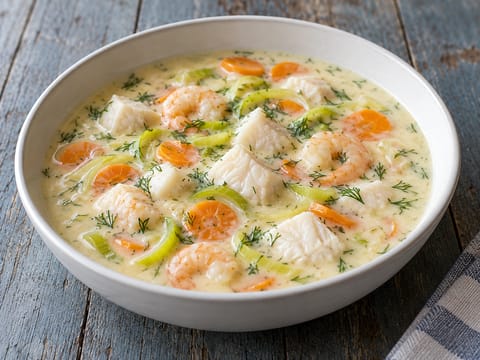
Creamy fish soup with prawns, lemon and dill
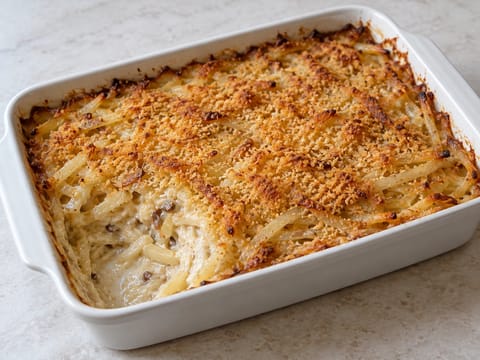
Swedish potato gratin with anchovies, onion and double cream
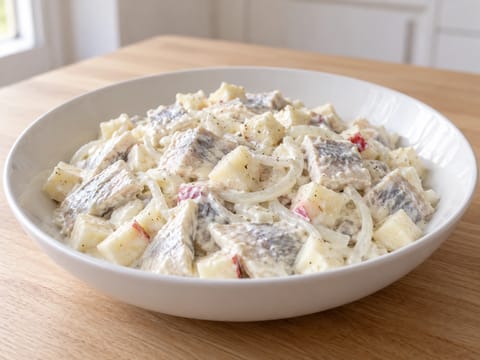
Polish herring in sour cream with apple and onion
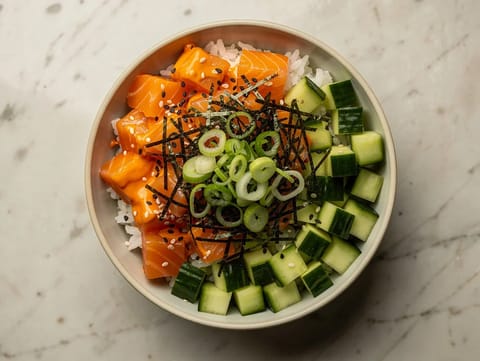
Salmon poke bowl with sushi rice and sriracha mayo.
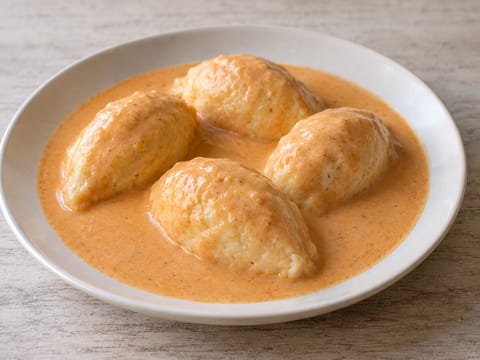
Poached pike quenelles served with a creamy crayfish Nantua sauce
This label supports allergen-aware browsing, but it cannot guarantee a recipe is safe for your needs. If you avoid fish, check for obvious ingredients as well as fish-based condiments, stocks and flavourings. Cross-contact is common with shared frying oil, grills, baking trays and utensils, and with marinades or sauces brushed onto multiple foods. In mixed kitchens, even a small amount of fish residue can transfer via tongs, chopping boards or cloths unless they are cleaned thoroughly.
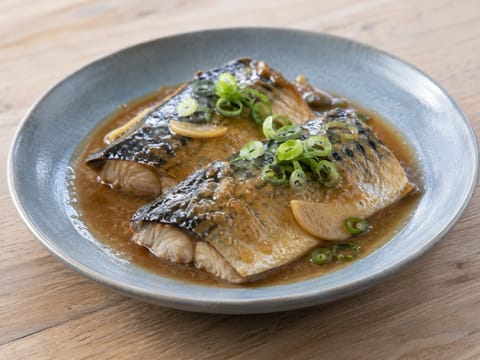
Mackerel simmered in miso, soy sauce and ginger glaze
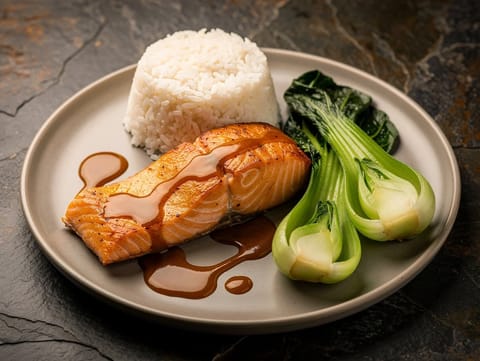
Baked salmon with a glossy miso butter glaze
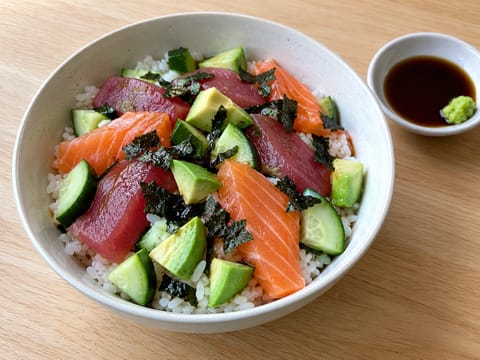
Sushi rice bowl topped with salmon, tuna, cucumber and avocado
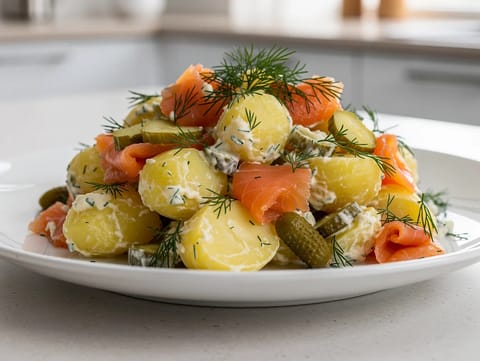
Potato salad with smoked salmon, gherkins and dill
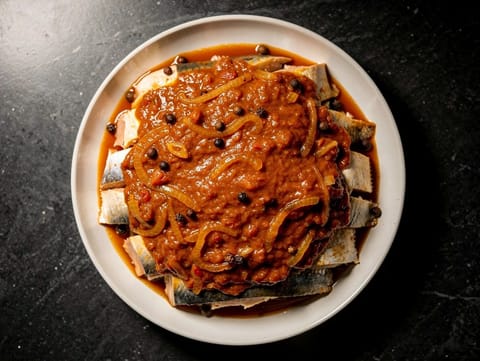
Pickled herring layered with tomato and onion sauce
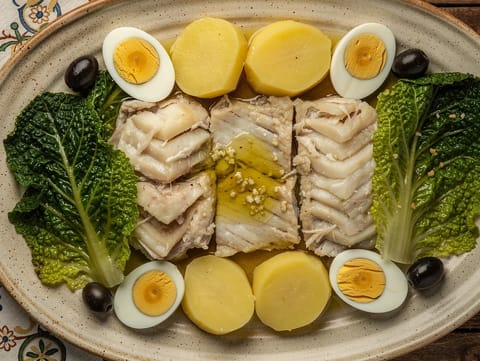
Salt cod with potatoes, cabbage and eggs, finished with garlic oil
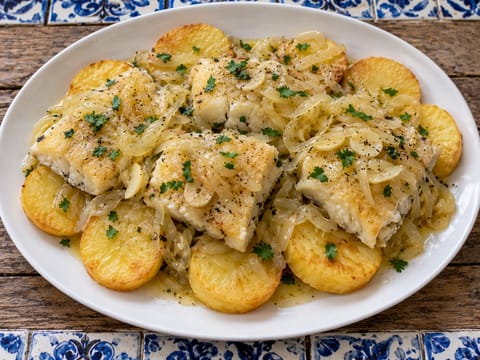
Pan-fried salt cod with onions and fried potatoes
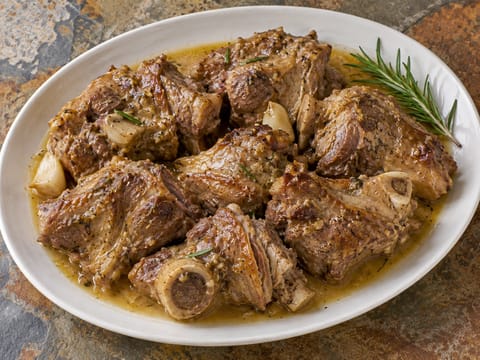
Roman-style braised lamb with rosemary, white wine and lemon
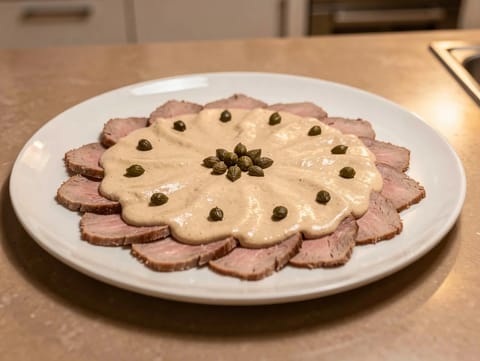
Chilled veal with creamy tuna and caper sauce

Chilled stuffed party bread with layered savoury fillings
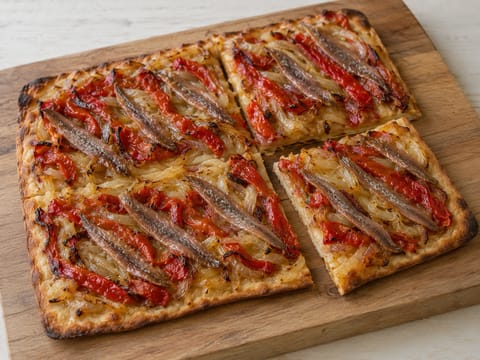
Catalan flatbread topped with peppers, onion and anchovies
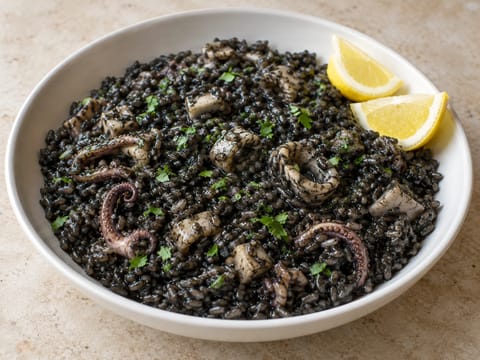
Spanish squid ink rice cooked with squid and fish stock
When fish is the main ingredient, it is usually more successful to choose a different centrepiece rather than trying to imitate fish texture. Depending on the dish, tofu, mushrooms, pulses or vegetables can suit the same cooking method and carry similar seasonings. If the recipe uses fish sauce or anchovy for savoury depth, you can often replace that function with other umami-rich ingredients such as fermented sauces that do not contain fish, tomato concentrates, seaweed, mushrooms, or a carefully seasoned vegetable stock. Expect the flavour to shift: the aim is balance and depth, not a perfect fish-like taste.
Ingredient browsing is helpful if you are avoiding fish, because it lets you explore alternative proteins and umami builders such as tofu, mushrooms, seaweed or different stocks. Diet categories can also support you if fish avoidance sits alongside other requirements, helping you find recipes that fit your overall approach without relying on fish-based condiments.
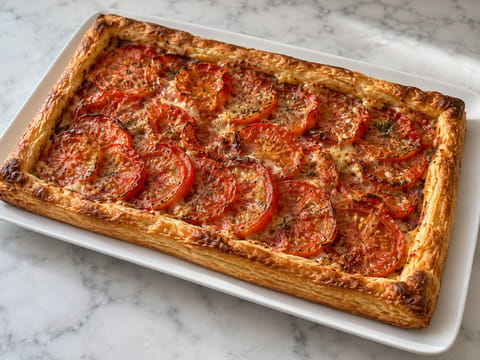
Puff pastry tart with Dijon mustard, tomatoes and Gruyère
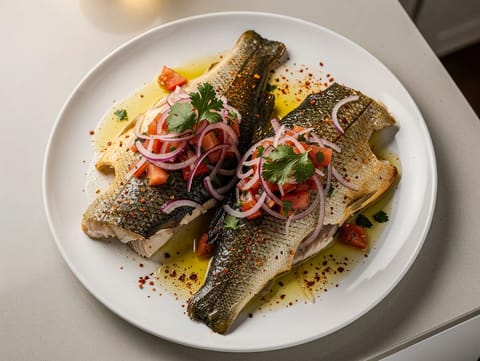
Griddled trout topped with salsa criolla, lime and coriander
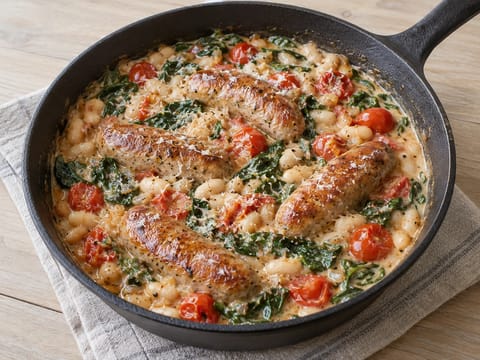
Creamy sausage skillet with cannellini beans and spinach
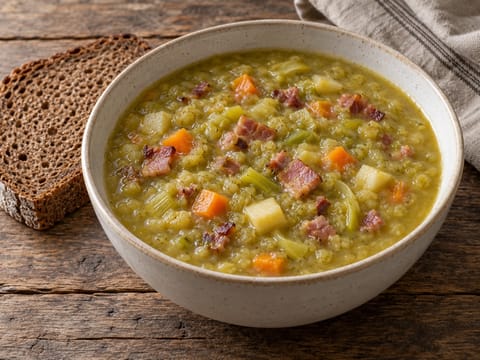
Thick split pea soup with smoked bacon and vegetables
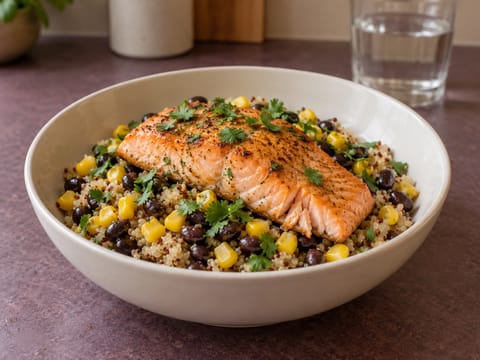
Salmon bowl with quinoa, black beans and lime dressing
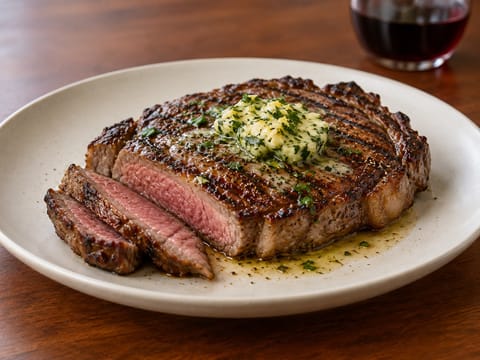
Grilled ribeye topped with garlic, parsley and lemon butter
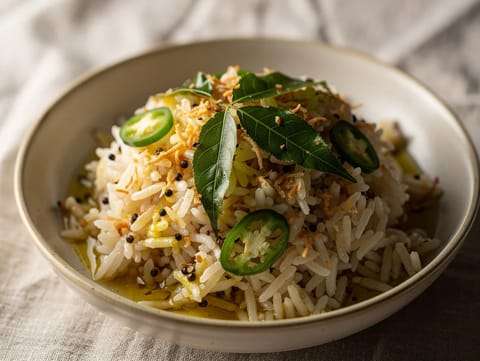
Coconut basmati rice with mustard seeds and curry leaves
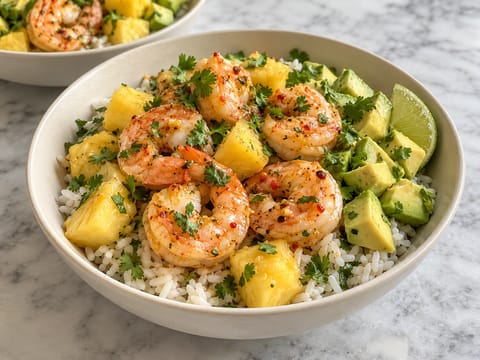
King prawns over coconut rice with pineapple and avocado
Yes. Anchovies are fish, and they are often used in small amounts in sauces and dressings, so they are worth checking for specifically.
Traditionally it is, but products vary. If you are avoiding fish, read labels carefully and choose alternatives that are clearly fish-free.
They are treated as different allergen groups. However, they are often prepared in the same kitchens, so cross-contact can still be an issue.
Seaweed can add a marine note and savouriness, which can help when you miss the ‘sea’ character of a dish. It will not replicate fish texture, and it is best used as part of a broader flavour-building approach.
Yes. Processing does not remove the need for avoidance. Treat fresh, frozen, smoked and tinned fish as relevant unless you have specific guidance otherwise.
Shared frying oil, grills, baking trays, tongs and chopping boards are frequent culprits, as are brushes used for marinades and sauces.
Fish avoidance is as much about the small, flavour-building ingredients as it is about the main protein. Check condiments and stocks, and pay attention to shared equipment and surfaces where fish is cooked alongside other foods.
