
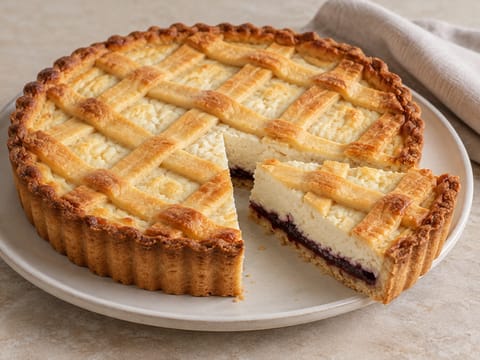
Torta di Ricotta e Visciole (Roman Ricotta and Sour Cherry Tart)
Shortcrust tart with sweet ricotta and sour cherry jam

Gluten is a family of proteins found in certain grains, and it matters because it can be present even when a dish does not look “bready”. On this page, gluten signals that a recipe intentionally includes an ingredient that contains gluten, or a product where gluten is a typical component. If you are avoiding gluten, the practical work is in the details: which grain is used, how an ingredient is processed, and whether a packaged item includes gluten-containing additives or flavourings.
In everyday cooking, gluten most often enters through wheat, but it is not limited to it. Barley and rye also contain gluten, and ingredients made from them can appear in places you might not expect, such as malted products or certain vinegars and flavourings. Oats are a separate grain and do not naturally contain gluten, yet they are sometimes handled alongside gluten-containing grains, which is why some cooks treat oats as a special case.
It also helps to separate “gluten” from “flour”. Flour can be made from many things, including rice, maize, chickpeas and nuts. What matters here is whether the flour or grain ingredient contains gluten, not whether it looks like a typical baking ingredient.
Shortcrust tart with sweet ricotta and sour cherry jam
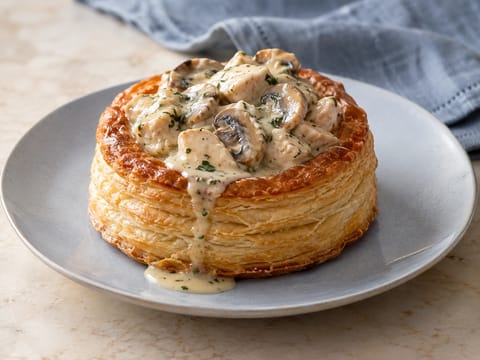
Puff pastry cases filled with creamy chicken and mushrooms
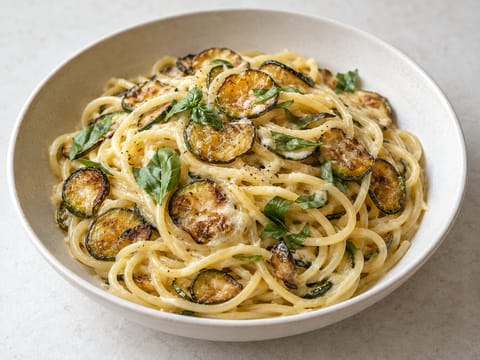
Spaghetti with fried courgettes and melted provolone sauce
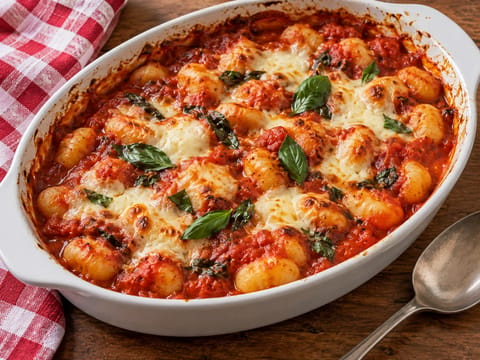
One-pan gnocchi baked in tomato sauce with mozzarella
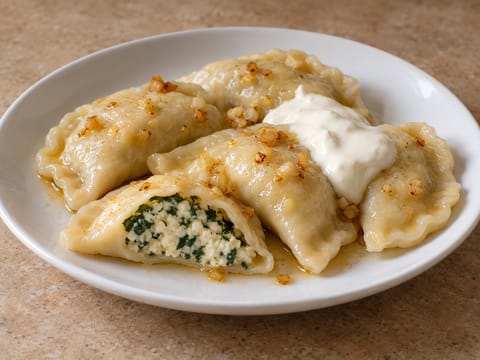
Pierogi filled with spinach and ricotta
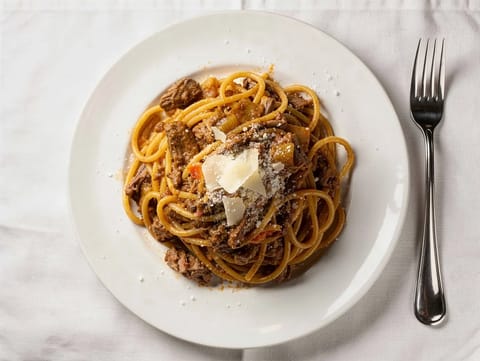
Spaghetti with onion-braised beef sauce and Parmesan
This tag is a browsing aid, not a safety guarantee. Gluten can be introduced by packaged ingredients (stock cubes, sauces, spice blends) and by cross-contact in shared kitchens, toasters, boards and sieves. If you cook for someone who must avoid gluten, check every packaged label, including “may contain” statements where they are used, and consider whether your preparation space and equipment are suitable for their level of sensitivity.
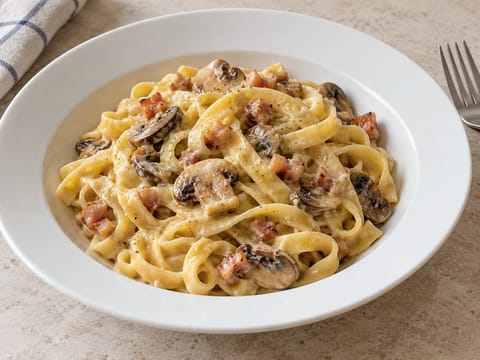
Pasta with creamy mushrooms, pancetta, white wine and Parmesan

Fish-shaped cakes with sweet red bean paste filling
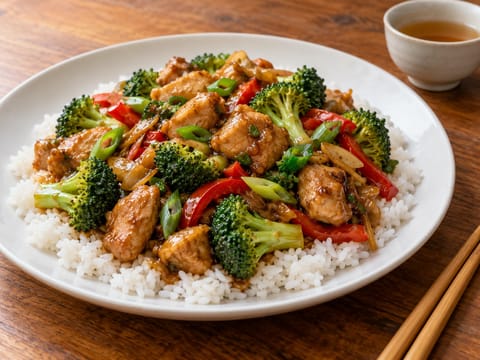
Quick chicken stir fry with vegetables and savoury soy sauce.
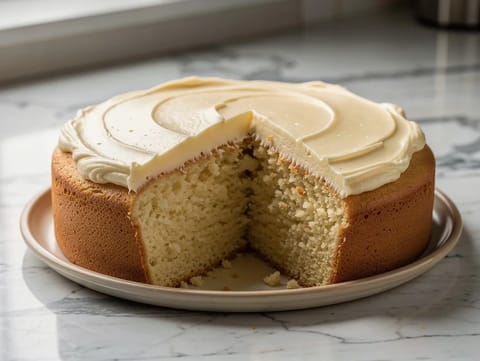
Air fryer vanilla sponge cake with simple vanilla buttercream.
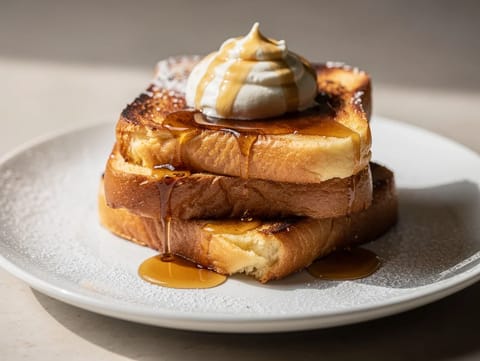
Custard-soaked brioche French toast with crème fraîche and maple syrup
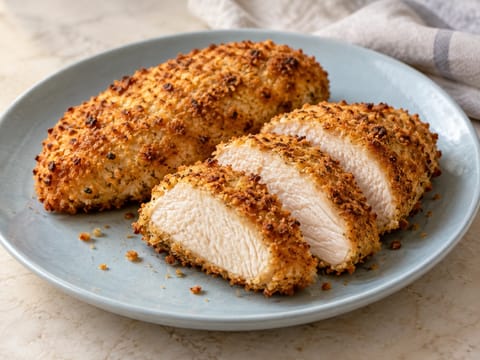
Breaded chicken breast air-fried until golden and crisp.
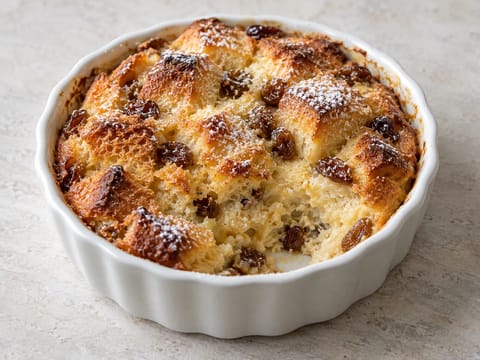
Brioche bread pudding baked in vanilla egg custard.
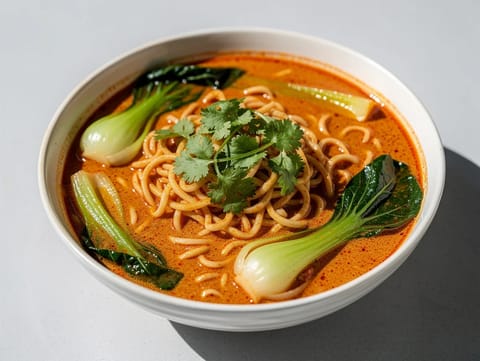
Thai curry ramen with coconut milk, pak choi and lime
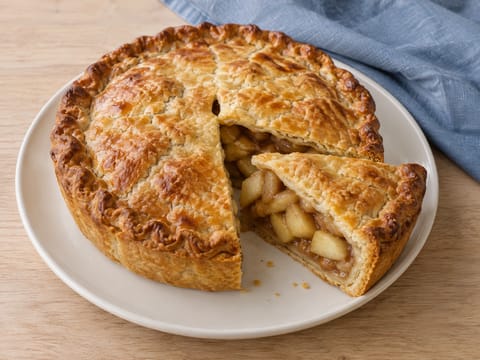
Small air fryer apple pie with buttery pastry and cinnamon.
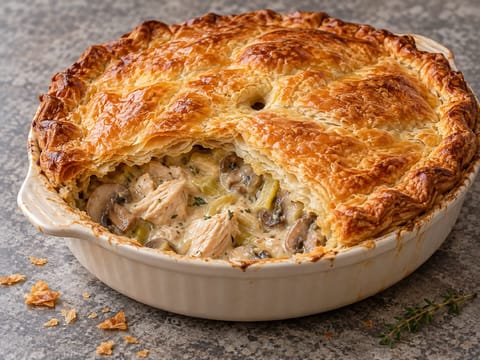
Chicken and leek pie with mushrooms and puff pastry
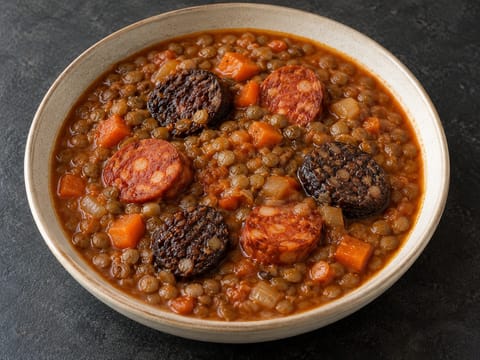
Spanish lentil stew with chorizo and morcilla
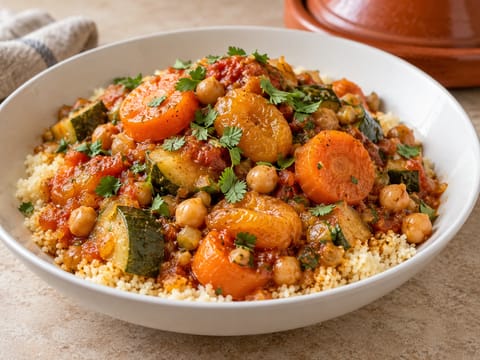
Vegetable tagine with chickpeas, tomatoes and dried apricots
If you are planning swaps, browsing by Ingredient can help you compare different grains and flours and see how they behave in batters, doughs and coatings. Diet categories can also be useful when you want recipes that are written with gluten avoidance in mind, while still checking labels and cross-contact in your own kitchen.
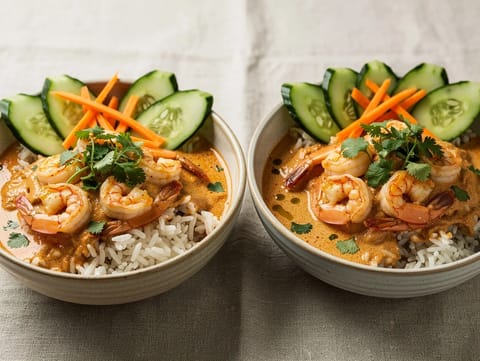
Coconut prawn curry served over jasmine rice with crisp vegetables
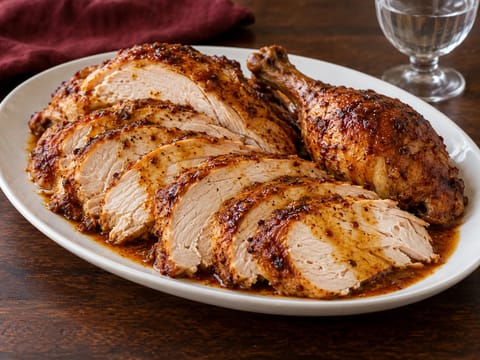
Mexican-style roast turkey with guajillo chilli and orange
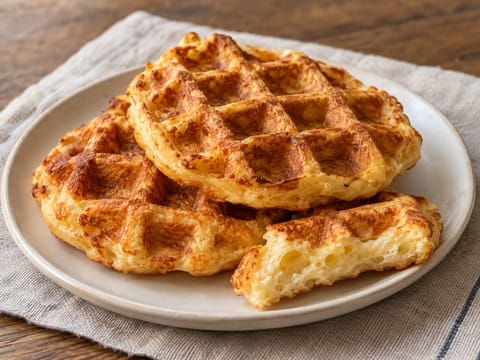
Tapioca flour cheese waffles with a chewy centre
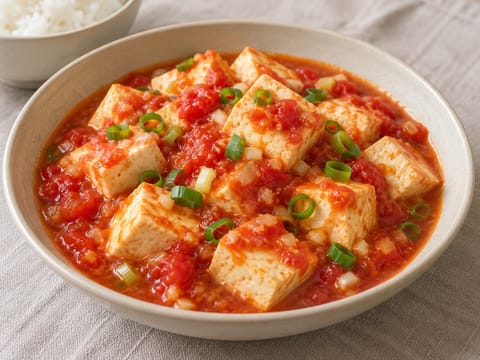
Tofu simmered in a light tomato sauce with garlic
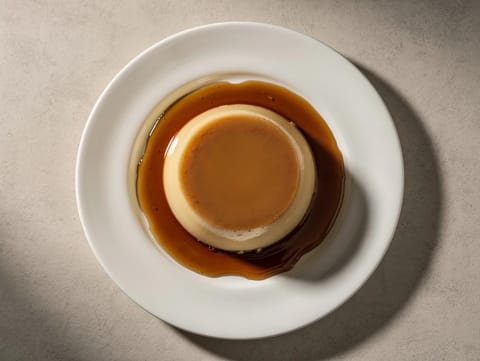
Light Spanish flan with caramel sauce
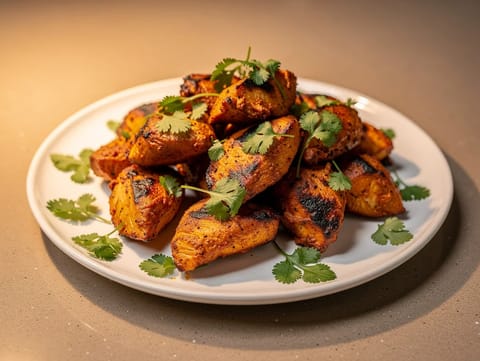
Air-fryer chicken tikka marinated in yoghurt, lemon and spices.
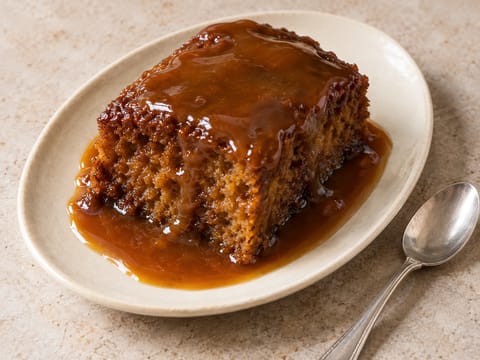
Warm date sponge pudding served with rich toffee sauce
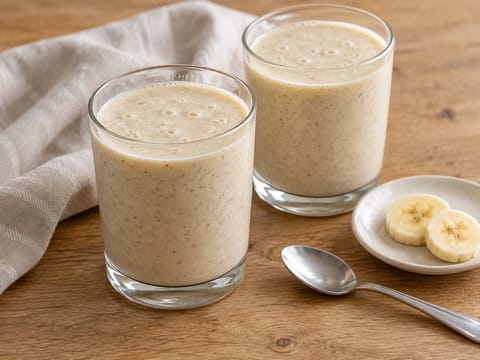
Greek yoghurt blended with honey, banana, milk, and cinnamon.
No. Wheat is the most common source, but barley and rye contain gluten too, and their derivatives can show up in malted products and some flavourings.
Oats do not naturally contain gluten, but they can be affected by cross-contact during growing and processing. If you need to avoid gluten strictly, treat oats as an ingredient that requires careful label checking.
Not necessarily. Gluten can appear in coatings, thickened sauces and packaged ingredients such as stocks, seasonings and condiments, depending on the brand and formulation.
It depends on the recipe. Gluten provides structure and elasticity, so a straight swap may work for some batters and crumb coatings, but yeasted breads and stretchy doughs usually need a blend and a binder to mimic gluten’s behaviour.
That depends on the level of avoidance required. In many kitchens, shared toasters, boards, sieves and wooden utensils are common sources of cross-contact, so it is worth thinking through your set-up.
Gluten is a clear signal to pause and read the ingredient list closely, especially where packaged items are involved. Once you know the likely sources, it becomes easier to decide whether to avoid, substitute or choose a recipe written for gluten-free cooking.
